
SADC Moves to Mediate Madagascar Crisis as Hichilema Named Interim Incoming Chair
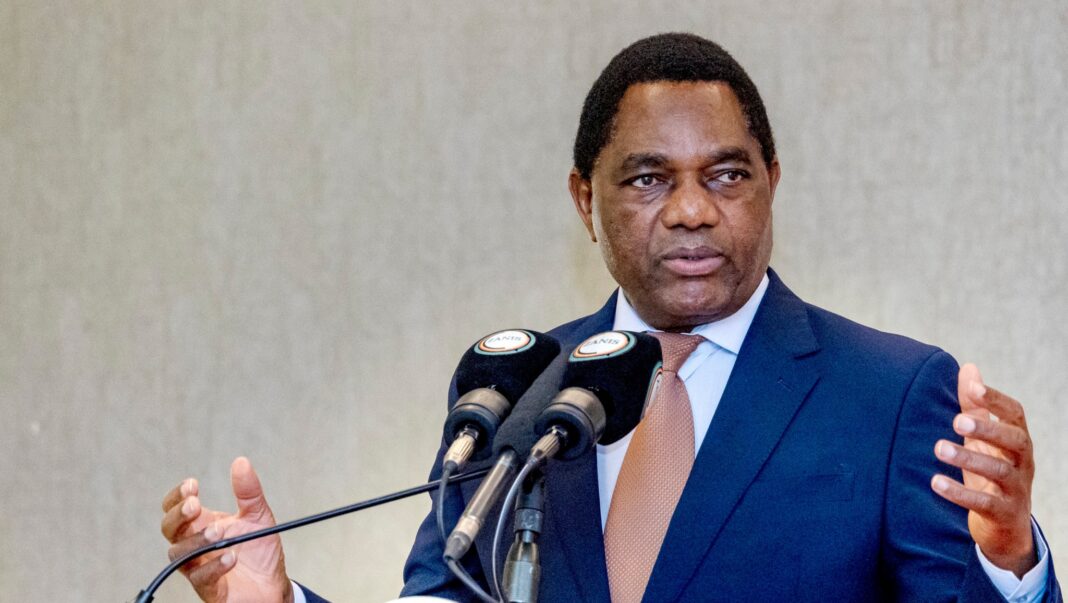
Southern African leaders have agreed to intensify diplomatic engagement in Madagascar following renewed political tensions, with President Hakainde Hichilema of Zambia elected Interim Incoming Chairperson of the Southern African Development Community (SADC), subject to confirmation.
The decision was announced by South African President Cyril Ramaphosa during the closing session of the SADC Virtual Extraordinary Summit of Heads of State and Government, which was convened to assess the political situation in Madagascar. Ramaphosa is currently serving as SADC Interim Chairperson.
Leaders at the summit reviewed developments in Madagascar amid concerns about political inclusiveness, governance, and the conditions necessary for credible democratic elections. Although SADC acknowledged a measure of calm in the country, the regional bloc said underlying political issues remained unresolved and required sustained engagement.
President Ramaphosa told the summit that SADC had resolved to deploy a Panel of Elders to Madagascar to engage political actors and help facilitate a smooth and peaceful transition toward democratic elections. He said SADC would remain actively involved until an elected government is installed through a transparent and constitutional process.
The Panel of Elders is expected to play a mediation and confidence-building role, engaging the government, opposition parties, and other stakeholders. Reading the official communiqué, SADC Executive Secretary Elias Magosi announced that the panel will be led by former Malawian president Joyce Banda.
Madagascar has experienced repeated cycles of political instability over the past two decades, including disputed elections, unconstitutional changes of government, and prolonged transitions. These crises have often resulted in weakened institutions, economic disruption, and strained relations with regional and international partners.
In the current context, SADC leaders expressed concern about reports of political exclusion and limited participation by some opposition figures, several of whom remain outside the country. The regional body said such conditions risk undermining confidence in the electoral process and could lead to renewed instability if not addressed.
As part of its proposed approach, SADC urged Madagascar to consider initiating a national dialogue process that would allow all political actors, including those in exile, to return and participate freely in the country’s political life. Leaders said inclusive dialogue was essential to restoring trust and ensuring long-term political stability.
President Ramaphosa emphasized that SADC’s engagement was guided by its commitment to democracy, constitutional order, and peaceful conflict resolution. He said the bloc’s objective was not to interfere in domestic affairs but to support a process that reflects the will of the Malagasy people.
The election of President Hichilema as Interim Incoming SADC Chairperson places Zambia in a key position as the bloc prepares for leadership transition. While the role is subject to confirmation, it signals regional confidence in Zambia’s leadership within SADC structures at a time when the organisation is dealing with sensitive political situations in member states.
SADC’s intervention in Madagascar follows established regional practice, where diplomatic mechanisms such as mediation panels are deployed to prevent escalation and encourage negotiated solutions. Similar approaches have previously been used in other member states facing political deadlock.
The bloc said it would continue monitoring developments closely and would adjust its engagement based on progress made by Malagasy stakeholders toward dialogue, inclusiveness, and credible electoral preparations.a



Madagascar’s constitutional process must be respected. Regional mediation is welcome, but any interim arrangements should be legitimate, transparent, and led by the Malagasy people. External voices can help, not override.
Accountability and law making: Africa’s parliaments must develop clearer internal checks to prevent overreach and ensure rulings by constitutional courts are respected. Legal associations and independent bodies should be empowered to dispute, review, and enforce constitutional compliance without political interference.
Madagascar’s constitutional process and the courts: when a ruling by a Supreme/Constitutional Court is challenged or bypassed by the legislature or executive, it undermines the rule of law and raises questions about the legitimacy of the interim arrangements.
But how will he handle this role, when just dialogue which he went to preach in Tanzania, in his own country of Zambia he is failing to do it with his opponents in the opposition.
Our Man has got completely no capacity
wag1 satan Switzerland satelite
sorry lusaka times for saying wag1 satan switzerland satelite
Very soon sadc will have to come and handle a crisis in zambia.