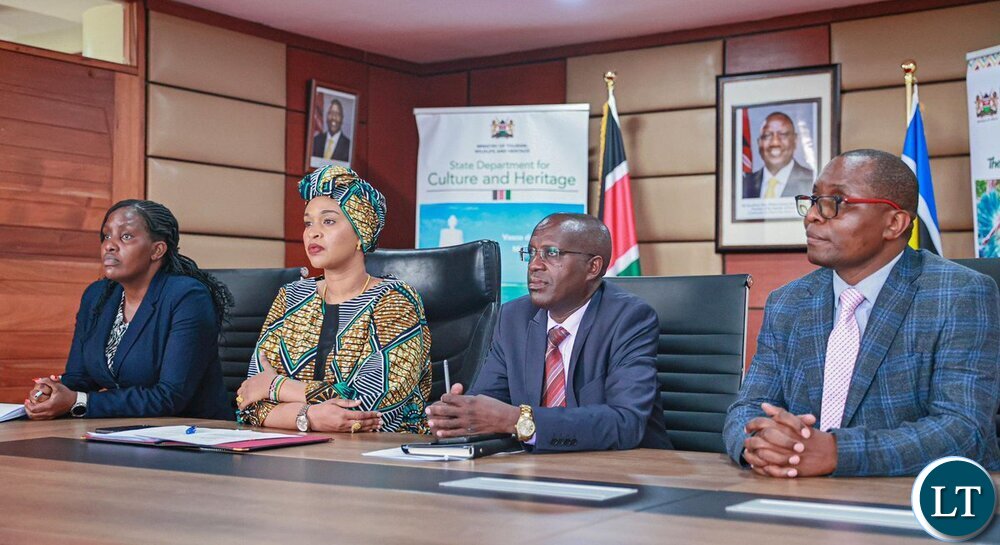
Ministry of Tourism Director of Culture and Traditional Affairs Bessie Chelemu says Zambia has made significant progress in implementing UNESCO’s Culture 2030 Indicators framework aimed at measuring culture’s contribution to sustainable development.
Mrs Chelemu says culture is globally recognised as both an enabler and driver of sustainable development prompting UNESCO to develop a framework of 22 indicators that measure the role of culture across key development areas.
Speaking during a workshop in Kabwe, Mrs Chelemu explained that the indicators are grouped under four dimensions namely Environment and Resilience, Prosperity and Livelihoods, Knowledge and Skills, and Inclusion and Participation.
“Zambia is among 16 countries worldwide implementing the framework with support from UNESCO and the European Union. The framework links culture directly to Sustainable Development Goals such as heritage preservation, education, employment creation and social inclusion,” Mrs Chelemu said.
Mrs Chelemu explained that the Ministry of Tourism through the Department of Culture and Traditional Affairs is spearheading the implementation process in collaboration with various government ministries and institutions including the Zambia Statistics Agency, National Arts Council and National Heritage Conservation Commission.
She stated that the initiative will help Zambia generate credible cultural data to inform policy formulation and strengthen evidence-based decision making.
She added that existing data on tourism, employment and cultural activities will contribute to measuring culture’s impact on national development.
She said Zambia has already laid a strong foundation through legal frameworks, cultural centres, intangible cultural heritage registers and existing Sustainable Development Goal data systems.
She emphasized that the success of the programme will depend on effective coordination among government institutions, local authorities and communities.
Meanwhile, UNESCO Culture 2030 Indicators Consultant Gankhanani Moyo explained that the project seeks to measure culture’s impact across various sectors.
And National Arts Council Director Maanka Chipindi said the workshop will help to collect data that will provide evidence on how cultural activities contribute to economic growth