HH Calls on Church to Remain Moral Anchor for the Nation
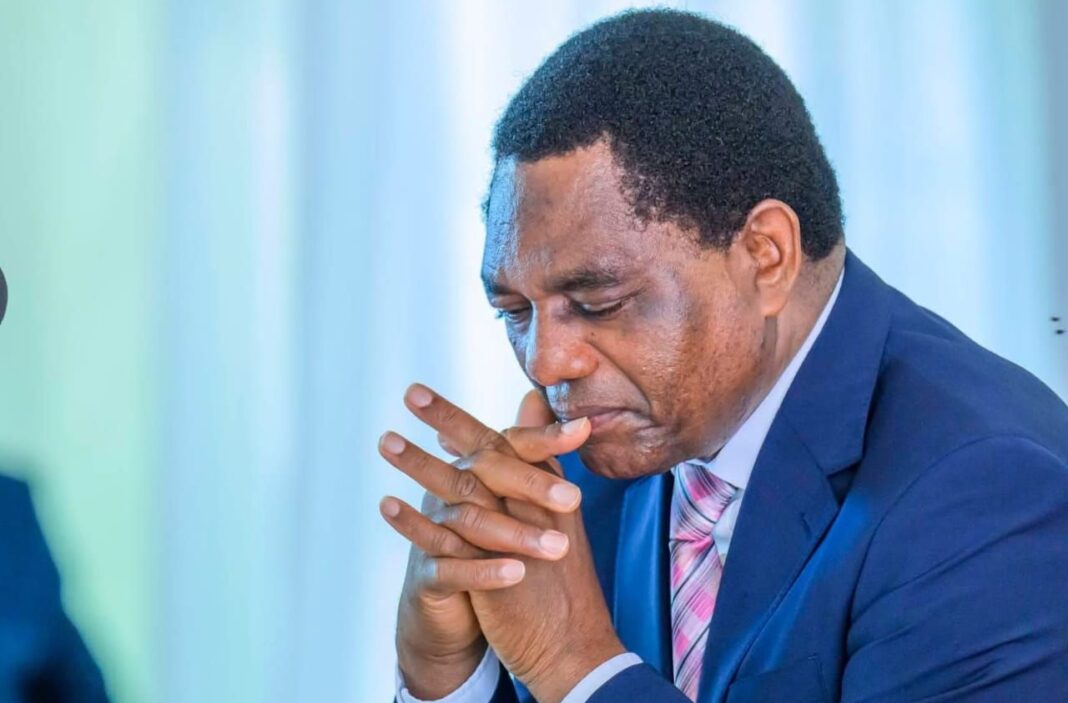
President Hakainde Hichilema has called on the Church to remain a strong moral pillar for the nation, emphasising its continued importance in promoting unity, peace, and ethical leadership as Zambia navigates complex social and economic challenges.
Speaking during an engagement with church leaders, the President acknowledged the historical and ongoing role of faith-based institutions in shaping national values and fostering social cohesion. He said the Church occupies a unique position of trust and influence, making it an indispensable partner in national development and governance.
The President said Zambia’s progress depends not only on economic policies and institutional reforms but also on moral guidance that reinforces accountability, compassion, and respect for the rule of law. He urged church leaders to continue providing constructive guidance to both citizens and those in public office.
He further noted that the Church has often played a stabilising role during periods of political transition and social tension. By offering platforms for dialogue and reconciliation, faith leaders have helped defuse conflict and promote peaceful coexistence, reinforcing Zambia’s democratic traditions.
The President reaffirmed government’s respect for the independence of the Church, stating that its prophetic voice remains essential in holding leaders accountable while also encouraging national unity. He said constructive engagement between government and faith-based organisations strengthens governance outcomes when conducted in mutual respect.
The appeal comes at a time when the country is undergoing institutional reforms and economic recovery efforts. Government has been engaging various stakeholders, including civil society and traditional leaders, to ensure that reforms are inclusive and responsive to citizens’ concerns.
Church leaders present at the engagement acknowledged the President’s remarks and reiterated their commitment to national unity and social justice. They emphasised the importance of maintaining moral integrity and promoting peaceful dialogue, particularly during periods of political contestation.
Observers note that sustained collaboration between government and faith-based institutions has historically contributed to Zambia’s relative stability. The Church’s role in civic education, conflict resolution, and social welfare continues to complement government efforts, particularly in underserved communities.
The President encouraged faith leaders to continue supporting initiatives that uplift vulnerable groups and promote ethical leadership among the youth. He said investment in values-based leadership is essential for long-term national development.
Government has maintained that partnerships with non-state actors are key to addressing complex social challenges. Faith-based institutions remain among the most extensive grassroots networks in the country, providing critical social services and moral guidance.
The engagement concluded with a call for continued dialogue and cooperation, underscoring the shared responsibility of government and the Church in fostering a stable, inclusive, and values-driven society.