
Government has announced plans to introduce a milk component in the school feeding programme this year, as part of efforts to enhance the nutritional value of meals provided to learners across the country.
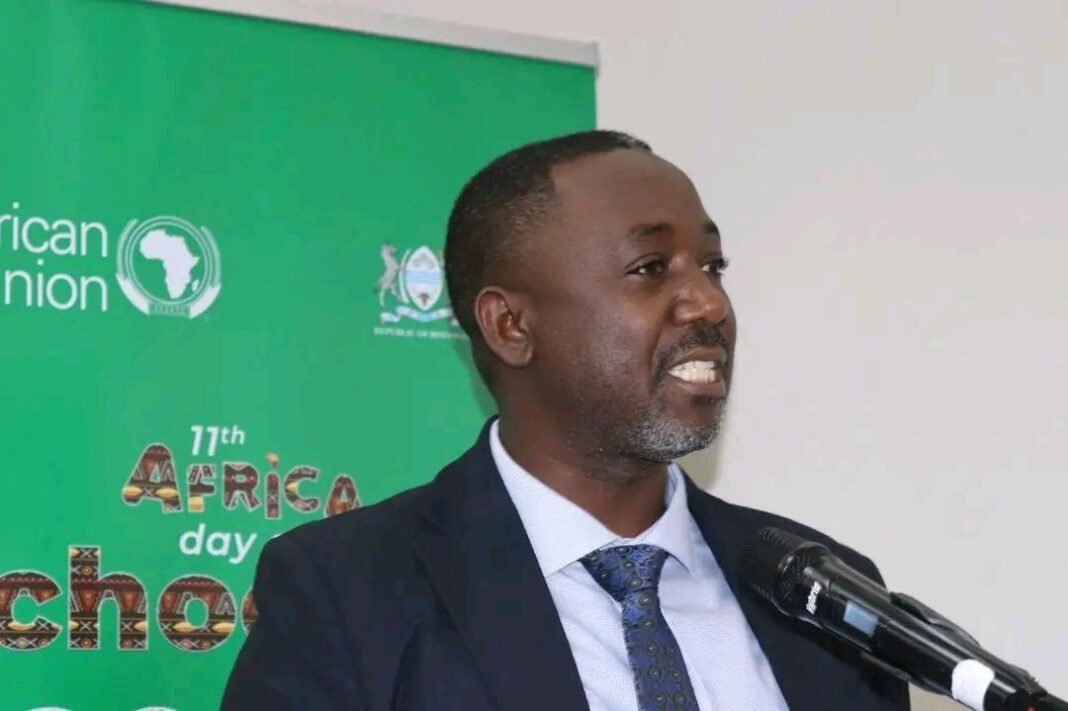
Ministry of Education Permanent Secretary for Technical Services, Kelvin Mambwe, says the initiative has been provided for in the 2026 national budget and will be implemented through partnerships with the private sector to supply milk to Early Childhood Education Centres.
In a statement issued to the media by First Secretary for Press at the Zambian High Commission in Botswana, Julia Malunga, Dr Mambwe adds that the move is aimed at improving the health, concentration and overall learning outcomes of pupils benefiting from the programme.
“The Government of Zambia has this year included in the national budget allocation a component for milk to enhance meal quality. With this funding, the private sector will be engaged to supply milk to Early Childhood Education centres.
“This has made it possible to enrich school menus with nutritious foods, improving the health and concentration of learners,” he said.
Dr Mambwe was speaking during a side event on Public-Private Partnerships and innovative financing mechanisms to enhance investment in school meals held during the 11th Africa Day of School Feeding in Gaborone, Botswana, under the theme “Ensuring access to nutritious meals, clean water and hygiene.”
He noted that Zambia’s school feeding programme has already recorded significant improvements in school enrolment, attendance and learning outcomes, prompting the government to expand the initiative towards universal coverage to ensure no learner is left behind.
Dr Mambwe emphasised that strong public-private partnerships remain key to sustaining the programme, stressing the need for transparency and accountability in implementation.
“Such partnerships must avoid conflicts of interest, prevent undue influence, and operate through clear agreements, joint planning and shared accountability,” Dr Mambwe said.
The Permanent Secretary further highlighted the importance of strengthening the link between agriculture and education, stating that school feeding programmes should support local farmers and food systems through coordinated multi-sectoral committees responsible for menus, logistics and implementation.
He added that the government is enhancing data systems to track food production capacity and programme performance, noting that reliable data is essential for effective planning, monitoring and documentation of progress.
Dr Mambwe also disclosed that the Ministry of Education is working with key institutions, including the Office of the Vice President, to extend school feeding programmes to vulnerable communities.
He said sustainable financing remains a critical pillar of the programme, adding that while the government will continue increasing budgetary allocations, efforts are underway to engage innovative funding partners, including private sector institutions.
“Zambia is developing a clear roadmap for programme growth, monitoring and evaluation. We are aligning our efforts with continental best practices guided by AUDA-NEPAD,” he said.
Government, with support from cooperating partners, is currently developing a Sustainable Financing Strategy aimed at ensuring long-term implementation and expansion of the school feeding programme.





Great Move Bless all
Let’s enjoy all the manner falling from heaven until it ends