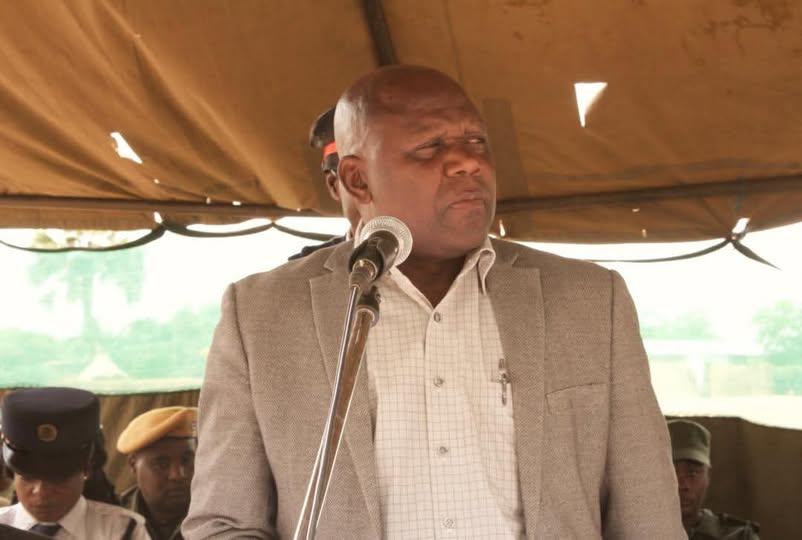
Chisamba District Commissioner, Joel Mboyoma, has called for multi-sectoral efforts in dismantling barriers preventing adolescents and young people from accessing Sexual and Reproductive Health Services (SRHS) in Chisamba District of Central Province.
Mr Mboyoma, says community members and service providers must actively collaborate to change the narrative and enhance access to SRHS for local adolescents and the youths.
He made this call during the Community District Interface meeting, aimed at improving access, availability, affordability, quality, and equity of adolescent-friendly SRHRS in Chisamba.
Mr Mboyoma noted that various national policies and strategic frameworks recognise that adolescents and young people have distinct health needs which require responsive, accessible, acceptable, equitable, and high-quality services.
“Today’s meeting therefore serves a critical purpose. It provides an opportunity to join efforts and identify solutions and share responsibilities to improve health outcomes.
“As we move forward, let us remember that improving adolescent sexual and reproductive health services is a shared responsibility. Government, health workers, community’s parents, traditional leaders, civic leaders, civil society organisations, and young people all have a role to play,” Mr Mboyoma said.
Group Focused Consultations Executive Director, Field Phiri, commended the government for fostering an enabling environment that promotes adolescent-friendly SRHRS.
Dr Phiri cited teen pregnancy, early marriages, school dropouts, birth-related disabilities, and intergenerational poverty as critical challenges facing adolescents and youths that must be addressed through SRHS.
“We want to appreciate what the government has put in place. We are looking at the constitution and all the guidance that government has put in place. In the area of sexual reproductive health, we realizsd we have STIs, alcohol abuse, teen pregnancies and early marriages. To address this, we have engaged adolescents and youths so that they can reach out to their friends,” Dr Phiri said.
And Executive Director of the Alliance for Accountability Advocates Zambia (AAAZ), Luchembe Chilufya, stated that SRHR are a cornerstone of the Sustainable Development Goals (SDGs) related to health, education, and gender equality.
“It is essential for us because it addresses issues to do with gender equality, human dignity and health equality. Lack of sexual and reproductive health rights access can track families in poverty, increase maternal mortality and expose individuals to abuse and disease,” Mr Chilufya said.
Meanwhile, Peer Educator, Eunice Mboyonga, said adolescents identified a lack of trained staff in disability inclusion, negative attitudes from service providers, and peer pressure as the primary challenges they face in accessing SRH services.”
“Adolescents identified 13 Challenges in accessing SRHS. The five most critical ones are lack of friendly space, lack of resources in implementing effective adolescents SRHS, adolescents living long distant places, lack of parental support in sexual and reproductive health services, and low community acceptance of Adolescent in SRHS,” she said.
Stakeholders in Chisamba have since formulated a comprehensive action plan, integrating both short- and long-term measures to enhance adolescents’ access to SRHS.
The Space to Lead Project alongside implementing partners such as Group Focused Consultations and the Alliance for Accountability Advocacy Zambia (AAAZ), convened the meeting in Chisamba, with support from Plan International Zambia.