Monday, June 8, 2026
17 C
Lusaka
Home Blog Page 100

President Hichilema to Attend Kuomboka Ceremony

3

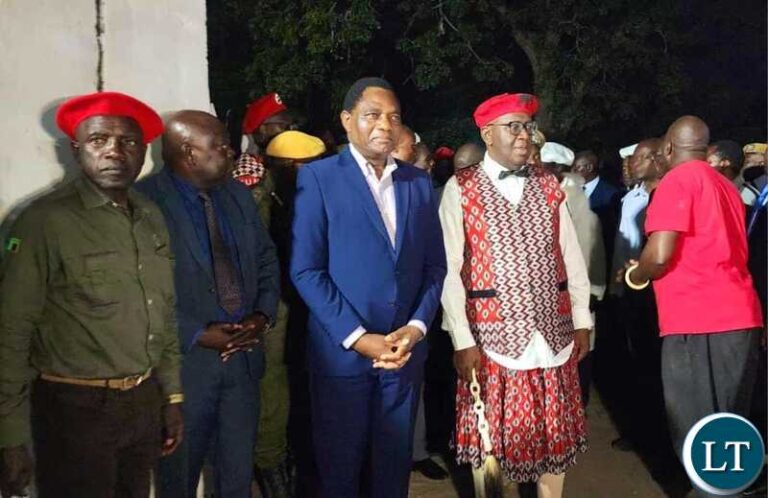
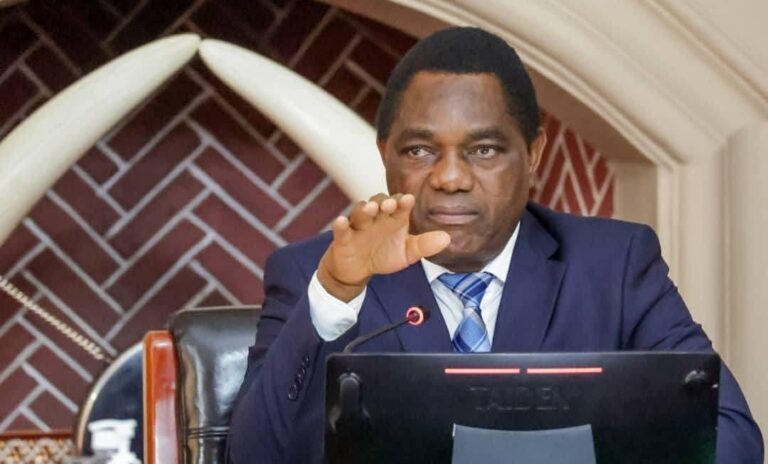
 President Hakainde Hichilema is expected to attend this year’s Kuomboka Ceremony scheduled for next Saturday, Western Province Permanent Secretary Simomo Akapelwa has announced.

Mr Akapelwa emphasised the importance of unity, cooperation and adherence to guidance from authorities before, during and after the ceremony. He described the Kuomboka Ceremony as a significant cultural event that brings people together.

He said government, in collaboration with various stakeholders, had put in place all necessary measures to ensure the event is held in a safe, orderly and successful manner.

“Government, working in collaboration with various stakeholders, is fully prepared to support the successful hosting of this important traditional event,” Mr Akapelwa said during a joint press briefing.

Meanwhile, Western Province Police Commanding Officer Rae Hamoonga confirmed that adequate security arrangements have been made to guarantee the safety of participants and visitors. He urged members of the public to remain law-abiding and cooperate with security personnel throughout the ceremony period.

Mongu Town Clerk Oliver Muuka said the local authority is prepared to ensure proper sanitation, waste management and public order in Mongu and surrounding areas. He called on residents and business operators to maintain cleanliness and comply with local regulations.

Earlier, Mongu District Health Director Silwendo Lioma assured the public of the health sector’s readiness to respond to any emergencies.

“We encourage adherence to public health guidelines, including maintaining hygiene standards, to safeguard the wellbeing of attendees,” Dr Lioma said.

President Hichilema Commissions Upgraded Nakonde One Stop Border Post

0

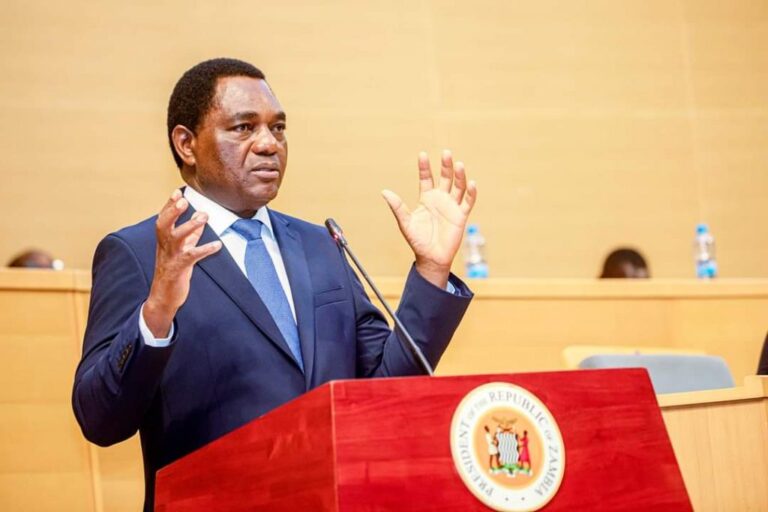
President Hakainde Hichilema has commissioned Phase One of the upgraded Nakonde One Stop Border Post (OSBP) in Nakonde District of Muchinga Province.

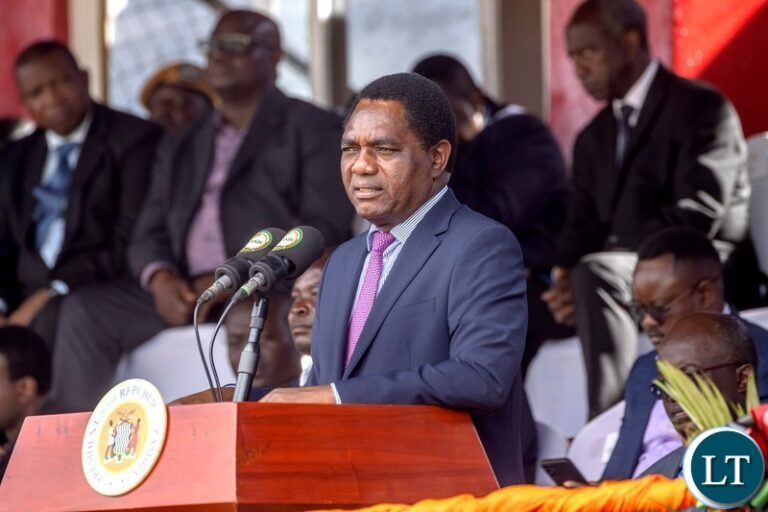
Speaking during the commissioning ceremony today Thursday, President Hichilema described the facility as a major milestone for trade, revenue generation and regional integration. He said the modernised border post would improve the movement of goods and people between Zambia and Tanzania.

“The modernised border post will enhance efficiency in the movement of goods and people between Zambia and Tanzania. There is a need to move towards a single digital identity system to further ease cross-border movement,” President Hichilema said.

He noted that Zambia had not fully utilised the potential of the Nakonde Border Post in the past, resulting in slow clearance processes and limited earnings for clearing agents.

President Hichilema said the upgraded infrastructure would increase government revenue, which would support social programmes such as free education, teacher recruitment, provision of desks, improved water and sanitation, and the school feeding programme.

He also commended traditional leaders in the area for providing land for the project and acknowledged the support of cooperating partners, including the British High Commission, contractors and the local community.

The President said the Nakonde One Stop Border Post aligns with the goals of the African Continental Free Trade Area by facilitating trade and improving regional connectivity. He added that Phase Two of the project is expected to commence soon.

President Hichilema further announced that government was accelerating other strategic projects, including the Zambia-Tanzania power interconnector, the revitalisation of the Tanzania-Zambia Railway Authority and the expansion of the pipeline to improve transportation of petroleum products.

He also revealed that construction of an international airport in Nakonde’s Mwenzo area had begun, saying the facility would transform the district into a key economic hub.

“We do not want Nakonde to be just a transit point, but an interconnector to different markets. Zambia is not landlocked but land-linked,” he said.

Infrastructure, Housing and Urban Development Minister Charles Milupi said Phase One of the project, funded by the British Government, included the procurement and installation of a modern drive-through cargo scanner capable of scanning more than 100 trucks per hour.

He said the phase also covered the construction of a truck parking yard, warehouses, offices, a verification shed, customs enforcement buildings, and other supporting infrastructure, including electrical installations and drainage systems.

Mr Milupi added that the World Bank had provided a grant of US$19.6 million to support Phase Two of the project.

He noted that Nakonde Border, together with its twin border of Tunduma in Tanzania, is one of the busiest entry and exit points for cargo in the region.

The Nakonde OSBP is strategically located along the North-South and Dar es Salaam Corridors, serving as a key gateway to the port of Dar es Salaam and facilitating imports and exports.

The project has been implemented by the Government of Zambia with support from TradeMark Africa.

The One Stop Border Post concept allows for joint processing by Zambia and Tanzania, reducing crossing times, improving efficiency and strengthening regional trade integration.

President Hichilema Warns Public Against Fraudsters Using His Name

4

 President Hakainde Hichilema has cautioned the public against falling victim to fraudsters who are exploiting his name to promote fake Ponzi schemes.

Speaking at the Information and Communication Technology Association of Zambia (ICTAZ) annual conference in Livingstone , President Hichilema said he has personally been targeted by cybercriminals using his identity to lure unsuspecting citizens into fraudulent online deals.

The President described the growing misuse of technology as a serious concern, noting that while technological advancements are crucial for development, they are increasingly being abused to steal money, harass citizens, and spread scams.

“I am even a subject of this. People are using my name to promote Ponzi schemes. HH is not sponsoring those things,” President Hichilema said.

He warned that such scams mislead citizens into believing they can earn substantial returns through false digital platforms. “Can you contribute so much so that you can be paid so much? Let’s fight this together,” he added.

President Hichilema also urged ICT professionals to take responsibility in curbing cybercrime, emphasizing that their skills should be used to protect people rather than exploit them.

“The same skill that you hold can be used dangerously. Let us be proper professionals by using our skills to solve problems, not to steal money or entice people into Ponzi schemes,” he said.

The Head of State called on ICT experts to act responsibly and uphold professionalism, stressing that technology should be applied to address real problems and improve lives rather than defraud citizens.

“Help us to fight cybercrimes; we love technology, but it is also becoming a menace, used to harass women, steal money, spread Ponzi schemes and even pull down systems,” President Hichilema added.

Mutati Calls for Increased Digital Consumption to Achieve $60 Billion Economy

0

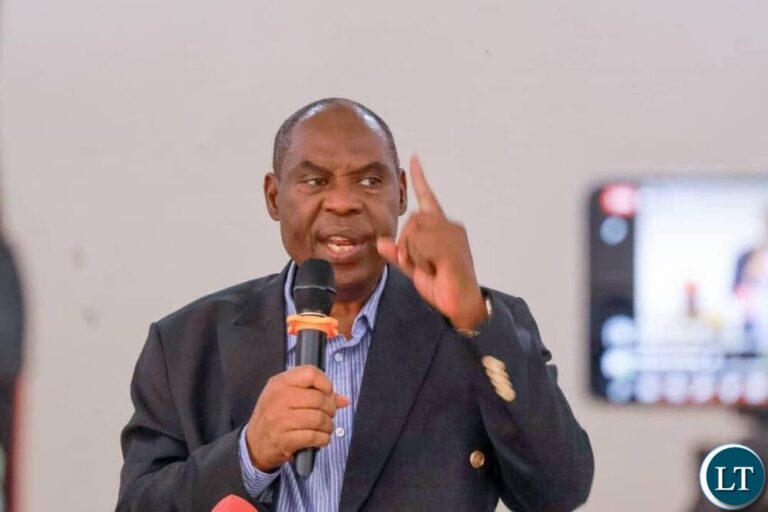
Minister of Technology and Science Felix Mutati says Zambia must significantly increase digital consumption to achieve its target of growing the economy to $60 billion.

According to the International Monetary Fund (IMF), Zambia’s nominal Gross Domestic Product (GDP) for 2025 is estimated at $29.37 billion.

Speaking at the Information and Communication Technology Association of Zambia (ICTAZ) conference in Livingstone, Mutati said while government has made progress in expanding digital infrastructure, more effort is needed to ensure citizens actively use available technology.

He noted that connectivity alone is not sufficient without increased usage, describing digital consumption as the missing link in unlocking the full potential of the ICT sector.

“We are at 40 percent in terms of consumption of internet. We need to move beyond that. If we need to get to US$60 billion economy, we must lift that to 80 percent,” Mutati said.

He explained that government has laid a strong foundation through reforms and infrastructure investments, including the expansion of fibre connectivity across the country.

Mutati said fibre network coverage has grown from 15,000 kilometres to over 45,000 kilometres, attributing the increase to policy measures such as the removal of import duty on digital infrastructure.

“That doesn’t happen by accident, it is because of the reforms that were undertaken,” he said.

He added that while the ICT sector has become more resilient and accessible, the focus must now shift toward increasing usage.

The minister also highlighted initiatives aimed at boosting digital participation, including the rollout of free public internet under the HH ZAM free WiFi programme.

He said the initiative, being implemented in collaboration with ICTAZ, is expected to expand access and encourage more citizens to engage in digital activities.

“Free Wi-Fi will increase digital consumption by making technology accessible to ordinary people,” he said.

Meanwhile, Mutati revealed that the technology sector recorded a milestone in 2025 by raising capital on the Lusaka Stock Exchange’s alternative market, which had remained inactive for years.

“In 2025, the tech sector became the first to raise capital on the alternative market, and it was oversubscribed by 114 percent,” he said.

Catholic Priest Criticises Opposition Alliances as Lacking Vision

 A Copperbelt-based Catholic priest has criticised the growing formation of political alliances in Zambia, describing them as largely ineffective and lacking clear purpose.

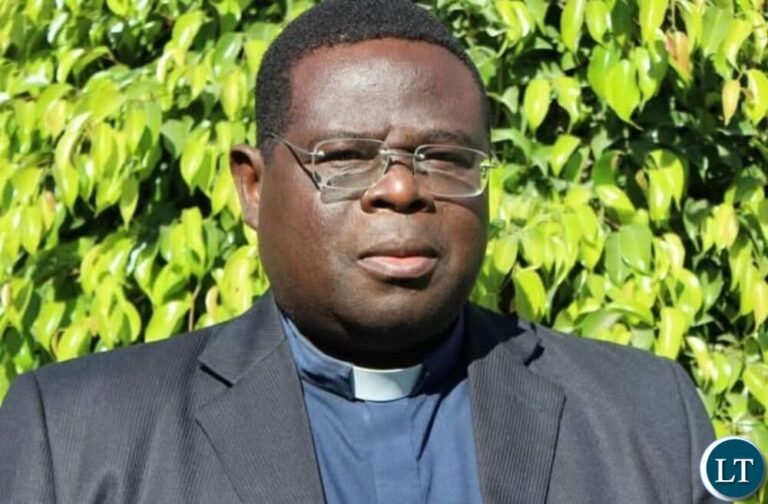
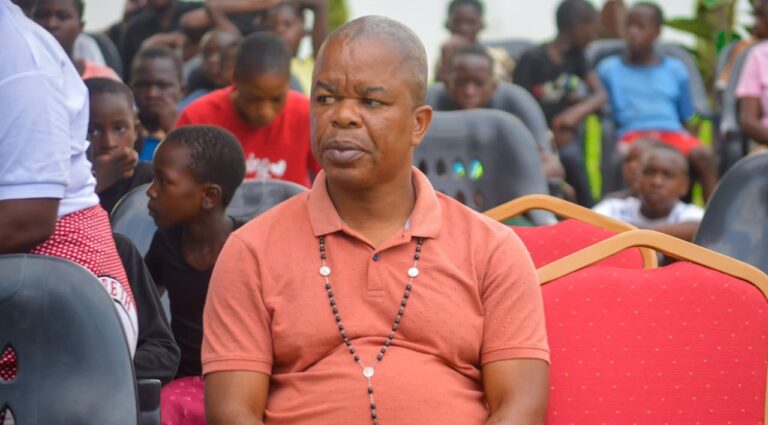
Speaking in an interview, Fr. Elias Muma, Parish Priest at Sacred Heart Parish in Luanshya, said the rise in alliances reflects a culture of individualistic interests, where political actors are more focused on personal gain than serving the broader socio-economic needs of citizens.

Fr. Muma said many of the alliances appear to be driven by ambition rather than a genuine commitment to national development and leadership.

He used a Bemba proverb, “Umwana eko atola fulwe, talabako,” to illustrate his point, suggesting that some political players remain focused on reclaiming power instead of prioritising public service.

He further noted that alliances formed on such a basis often struggle to last, as they are rooted in self-interest and competing presidential ambitions rather than collective leadership.

“The challenge with these alliances is that their focus appears to be on dethroning President Hakainde Hichilema rather than presenting an alternative leadership model grounded in stewardship and the genuine aspirations of the Zambian people,” Fr. Muma said.

He added that political alliances, which should ideally unite leaders around shared principles and national interests, have increasingly become tools of political convenience.

Fr. Muma emphasised the need for political actors to prioritise service, integrity, and the socio-economic well-being of citizens over short-term political interests.

Lusaka Fire ​Brigade Contain Bus Blaze in Swift Response

6

The Lusaka Fire Brigade successfully responded to a fire incident involving a bus, preventing it from being completely destroyed.

Firefighters arrived promptly at the scene and acted quickly to contain and extinguish the flames before the situation could escalate.

Through coordinated efforts and rapid intervention, the crew managed to save the bus from total destruction.

Eyewitnesses and members of the public commended the firefighters for their quick response and professionalism during the operation.

The incident highlighted the importance of preparedness and timely emergency response in safeguarding life and property.

Kasama council halts Safwa pontoon over rising Chambeshi river levels

2

The Kasama Municipal Council has announced the suspension of operations of the Safwa Pontoon due to rising water levels on the Chambeshi River.

Kasama Town Clerk, Innocent Mutambo, announced that the suspension will take effect on Saturday, March 21, 2026.

Mr Mutambo explained that the increased water levels have affected the pontoon’s ability to operate efficiently.

He noted that the docking bays on both sides of the river have been submerged, making it difficult for motorists to board and disembark from the ferry.

The town clerk warned that continued operations under the current conditions could endanger the lives of people.

He further stated that the council was incurring high operational costs due to increased fuel consumption and wear on the equipment caused by the strong river currents.

Mr Mutambo who was speaking shortly after inspecting the pontoon said the decision to suspend operations was made to safeguard the lives of people crossing the river to travel between Northern and Muchinga Provinces.

He added that the council plans to procure boats which would be assisting residents to cross during the period the pontoon will remain closed.

Meanwhile, Kasama Municipal Council Acting Director of Engineering, Mwila Chitundu, said the high-water levels have made it difficult for the pontoon to operate effectively.

Mr Chitundu explained that the guiding rope had been submerged, making maintenance difficult when faults occurred.

He added that the pontoon was currently unable to reach the opposite side of the river as the embankment had been flooded.

And a Safwa resident, Nkole Kalala, commended the council for suspending operations before any lives were lost.

Mr Kalala said the move demonstrates government’s concern for the safety of the people.

He appealed to the council to provide an engine-powered boat to help the community cross the river more effectively.

Kasama council halts Safwa pontoon over rising Chambeshi river levels


Lawyers Challenge DEC over Lungu Family Property.

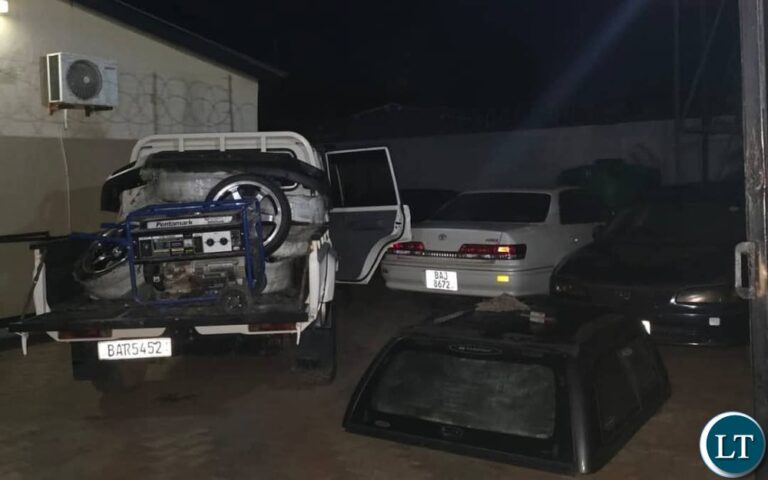
Lawyers representing members of former president Edgar Lungu’s family have challenged the Drug Enforcement Commission’s account of its operation at a Lusaka property, disputing claims that the residence was abandoned and raising questions over the legality of the entry.

The dispute centres on a property in Libala, where the Commission conducted an operation that has since drawn legal scrutiny. The Commission had indicated that the property was abandoned, a position used to justify its actions at the premises. However, the legal team representing the family has rejected that claim, maintaining that the property remains under active ownership.

According to the lawyers, the residence was not abandoned and continued to meet municipal obligations, including the payment of rates. They argue that the description of the property as abandoned does not reflect its actual status and should not have been used as a basis for enforcement action.

The legal challenge goes beyond the condition of the property. Lawyers have also questioned the process followed by the Commission in accessing the premises, stating that entry into private property must comply with established legal requirements. They argue that such actions require proper authorisation and adherence to procedures governing searches and entry.

The Commission’s operation forms part of its broader mandate to investigate matters related to financial crimes and property. Such operations often involve the identification and verification of assets, as well as enforcement actions where necessary. However, the current dispute highlights the need for strict compliance with legal standards when exercising those powers.

At the centre of the case is a question of procedure. The lawyers contend that even where an enforcement agency has grounds to act, it must do so within the confines of the law. This includes obtaining the appropriate legal instruments before accessing private property and ensuring that actions taken are proportionate and justified.

The disagreement over the property’s status has therefore become closely linked to the issue of due process. If the property was not abandoned, as claimed by the lawyers, the basis for the Commission’s action may be subject to further scrutiny within the legal system.

The matter also carries wider attention due to the individuals involved. The property is linked to members of the family of a former head of state, placing the dispute within a broader public and political context. However, the legal arguments presented focus on general principles that apply to all property rights, regardless of ownership.

The case highlights the balance between enforcement authority and legal safeguards. While institutions such as the Drug Enforcement Commission are mandated to act on suspected wrongdoing, their actions are subject to oversight through legal processes designed to protect rights and ensure accountability.

The lawyers’ challenge places the matter firmly within that legal framework. Their arguments call for a detailed examination of both the facts surrounding the property and the procedures followed during the operation. This includes verification of ownership, assessment of the property’s status and evaluation of whether the Commission complied with required legal standards.

The outcome of the case will depend on how these elements are assessed within the judicial system. The process is expected to address both the factual dispute over whether the property was abandoned and the procedural questions raised regarding entry and authorisation.

The case also underscores the importance of clarity in enforcement operations. Descriptions used to justify actions, such as whether a property is considered abandoned, carry legal implications and must be supported by verifiable evidence.

As proceedings continue, attention is likely to remain on the interaction between enforcement powers and legal procedure. The resolution will provide guidance on how similar cases are approached and the standards that must be met when agencies exercise their authority.

For now, the dispute remains active, with both sides maintaining their positions. The Commission stands by its account of the operation, while the legal team continues to challenge both the factual basis and the process followed.

Government outlines phased 24-hour economy implementation

Government has outlined plans to implement a 24-hour economy in phases, positioning the strategy as part of broader efforts to expand productivity and extend economic activity beyond traditional working hours.

The phased approach is intended to allow gradual adjustment across sectors, with implementation guided by infrastructure readiness and operational capacity. Authorities have indicated that the model will not be introduced at once but will be rolled out progressively as supporting systems are strengthened.

The 24-hour economy concept centres on enabling continuous activity across industries such as manufacturing, retail, transport and services. By extending working hours, the policy aims to increase output, improve utilisation of infrastructure and create employment opportunities through shift-based operations.

President Hakainde Hichilema has reinforced the importance of execution in economic programmes, expressing frustration with delays in implementation across sectors. He has indicated that slow action in getting things done undermines progress, placing emphasis on the need for timely delivery of policy initiatives.

His remarks position the 24-hour economy within a broader expectation that government programmes must translate into measurable outcomes. The focus on execution reflects a push to ensure that economic strategies move beyond planning into actual implementation.

While the proposal has received support, stakeholders have pointed to key challenges that could affect its effectiveness. Among the most significant is the issue of electricity supply. Experts have indicated that sustained operations across extended hours depend on stable and reliable power, noting that load-shedding remains a constraint.

The concern highlights a direct link between energy infrastructure and economic policy. Continuous production and service delivery require uninterrupted electricity, making power supply a critical factor in determining whether businesses can operate effectively under a 24-hour model.

Security has also emerged as an important consideration. Extending economic activity into night hours increases exposure to risks, prompting calls for strengthened security measures to protect businesses, workers and infrastructure. Stakeholders have indicated that safety frameworks will need to be reinforced to support operations beyond conventional hours.

These concerns have influenced the decision to adopt a phased rollout. By introducing the policy gradually, authorities are creating space to address infrastructure and operational gaps while allowing sectors to adapt to extended working hours.

The approach reflects an attempt to balance ambition with practical realities. Expanding economic activity requires coordination across multiple systems, including energy supply, security services and private sector readiness. Each of these elements plays a role in determining the success of the policy.

The 24-hour economy is also linked to broader objectives around job creation and economic growth. Extended working hours create opportunities for additional shifts, which can increase employment and expand participation in economic activity. This aligns with efforts to strengthen productivity and support industrial output.

At the same time, implementation will require alignment between public and private sector actors. Businesses must be willing and able to operate beyond traditional hours, while government systems must provide the necessary support in terms of infrastructure and regulation.

The evolving discussion reflects both opportunity and constraint. The policy presents a pathway for expanding economic output, but its effectiveness will depend on how well underlying challenges are addressed.

President Hichilema’s emphasis on execution underscores the importance of moving from policy design to delivery. The phased rollout provides a framework for this transition, allowing adjustments to be made as the programme develops.

As the process moves forward, attention is expected to remain on key enablers such as power supply and security, alongside broader measures to support business participation. The interaction between these elements will shape how the 24-hour economy functions in practice.

The success of the strategy will ultimately depend on whether these supporting systems can sustain continuous operations while delivering the intended gains in productivity, employment and economic activity.

Kabesha outlines constitution amendment process

Attorney General Mulilo Kabesha has outlined the framework guiding Zambia’s constitution amendment process, stating that the kabesha exercise is being driven through submissions and consultations as proposals begin to surface ahead of the 2026 general election.

Kabesha indicated that the kabesha process is anchored on input received from various stakeholders, positioning the amendment exercise within a consultative framework rather than a unilateral government initiative. His remarks come at a time when discussions around constitutional changes have gained visibility, with multiple developments feeding into the broader reform conversation.

Among the developments shaping the discussion are proposals to create additional constituencies. Northern Province has submitted proposals for 13 new constituencies, a move that directly links the kabesha amendment process to delimitation and electoral representation. The proposal reflects ongoing efforts to adjust constituency boundaries in response to population distribution and representation needs.

The emergence of delimitation proposals has added a structural dimension to the reform process. Changes to constituency boundaries affect representation, electoral competition and resource allocation, making delimitation a central component of any constitutional adjustment tied to elections.

At the same time, a legal challenge has introduced a separate but related dimension to the broader constitutional environment. Court action has been initiated over failure to hold an elective general assembly within a political party, raising questions about adherence to internal governance processes and democratic standards.

While the legal matter is distinct from the amendment process itself, it contributes to the wider discussion on constitutionalism and the functioning of political institutions. Internal party governance is often viewed as an extension of broader democratic practice, linking organisational processes to national constitutional principles.

Kabesha’s explanation of the amendment process places emphasis on procedure and consultation. By framing the exercise as one based on submissions, the approach highlights participation as a central element of the reform framework. This positioning is intended to establish the process as structured and inclusive.

The timing of these developments has drawn attention, as they are unfolding in proximity to the 2026 general election. The overlap between reform discussions, delimitation proposals and legal proceedings has created a complex policy environment in which multiple elements are evolving simultaneously.

The amendment process itself is expected to follow established procedures, including review of submissions, legal drafting and eventual presentation through formal legislative channels. These steps are designed to ensure that any changes to the Constitution are subjected to structured consideration before adoption.

Delimitation proposals remain one of the most visible aspects of the current developments. The submission of additional constituencies reflects ongoing assessments of representation, particularly in regions experiencing demographic changes. Such proposals typically require constitutional backing where they alter the structure of electoral boundaries.

The legal challenge concerning the elective general assembly adds another layer to the overall picture. Questions raised in the case relate to compliance with established rules governing political organisations, reinforcing the broader theme of adherence to legal and constitutional frameworks.

Taken together, the amendment process, delimitation proposals and legal proceedings form part of a wider constitutional environment in which both structural and procedural issues are being examined.

Kabesha’s remarks provide the official framework through which the amendment process is being understood, while the surrounding developments illustrate the range of factors currently influencing the constitutional landscape.

The progression of the amendment process will depend on how submissions are assessed, how proposals are integrated into the legal framework and how related developments continue to evolve within the broader political and institutional context.

ZAMMSA under scrutiny as Nyasulu arrest fuels pressure

The Zambia Medicines and Medical Supplies Agency, ZAMMSA, has come under intensified scrutiny following the arrest of former director Victor Nyasulu and two others, placing the institution at the centre of a widening accountability discussion within the health sector.

The arrests form part of ongoing investigations into ZAMMSA’s operations, bringing renewed focus to procurement systems, internal controls and overall governance. The development has triggered calls for a broader review, with stakeholders arguing that the concerns raised go beyond individual conduct and point to deeper institutional challenges.

A church body has called for the establishment of a commission of inquiry into ZAMMSA, maintaining that a comprehensive assessment is necessary to restore confidence and ensure transparency. The call reflects a growing view that the situation requires a wider institutional examination rather than a narrow focus on specific individuals.

At the same time, a separate narrative has emerged around claims that the agency is being sold. Health Minister Alex Katakwe has rejected those reports, describing them as false and maintaining that there is no policy decision to dispose of the institution. The clarification comes amid rising public concern over the future of the agency and its role in the country’s health system.

The overlap between the arrest and the denial has created a layered situation. On one side, investigative processes are raising questions about conduct within the agency. On the other, government is seeking to stabilise public confidence by addressing speculation surrounding the agency’s structure and ownership.

ZAMMSA occupies a central role in the country’s health system, with responsibility for the procurement and distribution of medicines and medical supplies. Its operations directly influence service delivery across hospitals and clinics, making any concerns about its management a matter of national importance.

This centrality has amplified the current reaction. Issues linked to procurement and oversight carry immediate implications for access to essential medicines and the functioning of health facilities. As a result, developments surrounding the agency are being closely watched across both public and private sectors.

The call for a commission of inquiry reflects growing pressure for deeper accountability. Those advocating for such a process argue that a broader investigation would help identify systemic weaknesses, strengthen governance structures and improve transparency. The objective, according to this view, is to ensure that the institution operates effectively and in the public interest.

At the same time, government’s response has focused on maintaining stability within the health sector. By rejecting claims that the agency is being sold, authorities are attempting to prevent confusion and reassure the public that there are no immediate changes to its structure.

The situation is unfolding alongside ongoing health-sector activities, including disease response programmes and the management of medical supplies. These parallel responsibilities underscore the importance of ensuring that operations continue without disruption while governance concerns are addressed.

Two clear tracks have emerged. The first involves the investigative process linked to the arrests, which is expected to determine whether any wrongdoing occurred and what actions may follow. The second involves broader institutional pressure, including calls for transparency, reform and strengthened oversight mechanisms.

How these tracks evolve will shape the direction of the ZAMMSA story in the coming weeks. If attention remains focused on individual cases, the issue may stay within a legal framework. If calls for a wider inquiry gain momentum, it could expand into a broader examination of governance within the health sector.

The outcome carries direct implications for public confidence. Given the agency’s role in ensuring access to medicines and medical supplies, any concerns about its credibility or operations are likely to resonate widely.

For now, the situation remains fluid. Investigations are underway, calls for accountability are increasing and authorities are working to maintain stability within a system that plays a critical role in the country’s healthcare delivery.

PF MP Mushanga shifts ground, aligns with UPND for 2026

President Hakainde Hichilema has confirmed that Bwacha Member of Parliament Sydney Mushanga will contest the 2026 general election on a United Party for National Development (PF) ticket, marking a significant political shift in the lead-up to the polls.

The declaration places Mushanga among a growing list of opposition figures aligning themselves with the ruling party, reinforcing a pattern that has emerged across several provinces as the election cycle gathers pace. The announcement, carried in multiple newspapers, frames the move as both a personal political decision by Mushanga and part of a broader consolidation strategy by the UPND (PF).

Mushanga’s position was further reinforced in separate coverage where he personally affirmed his support for President Hichilema, stating his commitment to work with the ruling party (PF). The assurance, reported alongside the President’s remarks, signals a transition from opposition alignment into active participation within the governing party’s electoral structure.

The development comes at a time when defections and endorsements have begun to shape early narratives around the 2026 election. Reports indicate that additional political figures, including local government representatives, have also shifted allegiance, particularly in regions where party structures remain fluid. In the Copperbelt, councillors have been reported to have left the Patriotic Front to align with the UPND, adding weight to the ruling party’s expansion strategy.

Across coverage, the Mushanga endorsement is not presented in isolation. It sits within a broader political movement where individual endorsements are being linked to a wider effort to strengthen the ruling party’s presence in constituencies previously held by the opposition. The messaging from UPND-aligned reports presents the trend as evidence of growing confidence in the party’s leadership and policy direction.

At the same time, the move reflects internal pressures within opposition ranks, where shifts in allegiance have become more visible ahead of candidate selection and campaign mobilisation. The reconfiguration of political loyalties at parliamentary and local levels suggests that party structures are still adjusting in response to evolving electoral dynamics.

Mushanga’s anticipated candidacy under the UPND banner also carries constituency-level implications. As an incumbent Member of Parliament, his transition into the ruling party introduces a new competitive dimension within Bwacha, where party alignment often influences development narratives, campaign messaging and voter perception.

The consolidation of endorsements has been accompanied by broader messaging from President Hichilema, who has continued to highlight the need for efficiency in governance and delivery of results. In related coverage, the President has expressed frustration over slow implementation of projects, reinforcing a theme that links political support with expectations of performance.

This alignment between political endorsement and governance messaging positions the ruling party’s strategy around both expansion and delivery. The integration of figures such as Mushanga into the UPND framework provides the party with both numerical strength and local political experience, while also reshaping opposition positioning in affected constituencies.

The endorsement trend is expected to influence candidate selection processes across parties, particularly as alliances, defections and independent bids begin to take clearer form closer to the election period. Movements at parliamentary level often cascade into local structures, affecting campaign organisation and voter mobilisation.

Mushanga’s declaration therefore stands as more than an individual political decision. It reflects a wider shift in Zambia’s pre-election landscape, where endorsements, defections and strategic alignments are increasingly defining the balance of political strength ahead of the 2026 general election.

Zambia Government accused of using laws to silence Opposition

The Human Rights Watch World Report 2026 places Zambia under fresh international scrutiny, documenting what it describes as a tightening environment for civil liberties, political participation, and public expression ahead of the August 2026 general elections.

The report, released in New York and covering developments across 100 countries, states that Zambia’s human rights climate in 2025 “became increasingly hostile to perceived dissent, criticism, and political opposition.” It attributes this shift to a combination of legal changes, enforcement patterns, and state responses to critics and opposition figures.

Central to the findings are two pieces of legislation enacted in April 2025 — the Cyber Security Act and the Cyber Crimes Act — which civil society organisations in Zambia say fall short of international human rights standards. The report states that these laws raise concerns about privacy, accountability, and the protection of democratic freedoms.

According to the report, the Cyber Security Act allows law enforcement officers to request service providers to intercept communications without a warrant under certain conditions. It further grants authorities powers to conduct real-time data collection, communication interception, and broad search-and-seizure operations. Civil society organisations cited in the report warn that such provisions could expose citizens to surveillance without sufficient safeguards.

Government responded to these concerns through a statement from the Ministry of Foreign Affairs, maintaining that the Cyber Security Act “was not intended to invade any person’s privacy” and does not authorise mass or random surveillance. Authorities stated that the law contains safeguards aligned with international digital rights frameworks.

The report also tracks legal action taken by the Law Association of Zambia, which petitioned the High Court in July 2025 to declare aspects of the Cyber Crimes Act unconstitutional. The association argues that the legislation infringes on freedoms of expression, speech, conscience, association, and media activity. By October, the court had not yet heard the case.

Restrictions on public assembly and political activity also feature prominently. The report states that provisions of the Public Order Act of 1955 have been used to regulate and, in some cases, restrict opposition gatherings and protests. Under the Act, authorities can halt public processions that do not have permits.

Findings from Zambia’s Electoral Reform Technical Committee are cited, indicating that enforcement of the Public Order Act has at times occurred “without regard to the basic human rights of freedom to associate and free speech.” The committee raised concerns over police impartiality, political interference, and limitations on assembly during election periods. It recommended reforms to both the Public Order Act and the Police Act, warning that the Zambia Police Service risks being used for political purposes rather than maintaining neutrality.

The report documents several criminal cases involving individuals charged with insulting the president. In January, two brothers, Ernest Kaumba, 22, and Elijah Kaumba, 26, appeared before the Lusaka Magistrate Court on such charges after being held in custody for over two months. They were later granted bail.

In July, two women were sentenced to prison terms of two and three years respectively for similar offences. The presiding magistrate imposed custodial sentences, stating they were intended to deter future offenders and uphold the dignity of the presidency. The offences under the law also carry the option of a fine.

Another case cited occurred in September, when two men were sentenced to two years in prison with hard labour for attempting to use witchcraft to harm President Hakainde Hichilema. Authorities relied on provisions under the Witchcraft Act, a colonial-era statute that criminalises such acts.

The report notes that critics have raised concerns about the application of such laws, stating that certain prosecutions could be used in politically sensitive contexts.

Beyond civil and political rights, the report examines environmental and public health concerns. It details a February 18, 2025 incident in Chambishi on the Copperbelt, where a tailings dam operated by Sino-Metals Leach Zambia burst, releasing acidic effluent into the Kafue River watershed. The spill reportedly killed fish and livestock and damaged crops.

An investigation by Drizit, a South African environmental firm contracted by Sino-Metals, found that approximately 900,000 cubic metres of toxic tailings remained, exceeding World Health Organization thresholds. The company warned that communities could face long-term risks if the material is not properly contained.

Government has stated that the spill does not pose a serious ongoing health risk. The report notes that a comprehensive independent investigation involving international and domestic experts had not yet been completed, and testing for possible heavy metal exposure in affected communities had not been fully undertaken.

The report also revisits longstanding contamination in Kabwe, where an estimated 200,000 residents remain exposed to lead decades after the closure of a mine. Children in the area continue to face developmental risks linked to lead exposure. The African Committee of Experts on the Rights and the Welfare of the Child called in January 2025 for expanded remediation, testing, and treatment programmes.

Between May and July, a government-appointed interministerial committee met on the issue, though the report states that progress appeared limited. Mining and processing activities involving contaminated waste continued in parts of Kabwe, with companies reportedly relocating hazardous materials into open piles, raising further health concerns.

The report also notes that Zambia’s penal code continues to criminalise same-sex relations, with penalties of up to 14 years in prison. A petition seeking decriminalisation was dismissed by the Constitutional Court in July 2025. The report states that members of the LGBT community face threats, discrimination, and detention.

The findings place Zambia within a broader global assessment of governance, rights protections, and institutional accountability, with the report drawing attention to how legal frameworks and enforcement practices intersect with electoral processes and civic participation ahead of the 2026 elections.

Source: Human Rights Watch World Report 2026

Makebi Zulu Criticises 24-Hour Economy Initiative

Patriotic Front (PF) presidential aspirant Makebi Zulu has criticised the proposed introduction of a 24-hour economy, stating that the initiative is unlikely to succeed under current conditions.

The debate was sparked following an announcement by Information and Media Minister Cornelius Mweetwa that Cabinet had approved the extension of business operating hours to 24 hours for premises such as markets, shops, and bus stations.

Reacting to the development, Zulu said the policy cannot be effectively implemented without first strengthening the economy, increasing citizens’ spending power, and ensuring that businesses are capable of sustaining extended operating hours.

He argued that without these foundational elements, the transition to a 24-hour economy would face significant challenges.

UPND Member Sues Party Secretary General Over Expired Mandate

 A member of the United Party for National Development (UPND), Charles Longwe, has filed a lawsuit against Secretary General Batuke Imenda, arguing that he should vacate office as his mandate has expired.

In documents filed before the Lusaka High Court, Longwe is seeking a declaration that the National Management Committee, which assumed office on February 14, 2021, had its tenure lapse on February 14, 2026, in line with the party constitution.

In an affidavit supporting an ex-parte summons for an interim injunction and the appointment of an interim committee, Longwe further argued that members of provincial leadership and lower party structures, who assumed office in 2020, had their mandates expire on December 31, 2024.

He stated that the party’s failure to conduct elections at both lower and national levels constitutes a violation of its constitution.

Longwe also submitted that there are currently no qualified individuals to serve as delegates for the formation of an electoral college during a general assembly.

He argued that the failure to hold elections at constituency, district, provincial, and national levels is a breach of the party’s governing framework.

Among the reliefs sought, Longwe is asking the court to determine whether the party president, Hakainde Hichilema, remains in office following the alleged expiration of his mandate in February 2026.

He is also seeking the appointment of an interim committee to manage the party in place of the current leadership.

Additionally, Longwe wants the court to declare the UPND an unlawful society at risk of deregistration, arguing that the mandates of both Hichilema and the National Management Committee expired in February 2026.

He further contends that the absence of valid delegates makes it impossible to constitute an electoral college for electing a new National Management Committee in accordance with the party constitution.

Longwe also argues that failure to comply with constitutional timelines could result in the party operating unlawfully and facing cancellation of its registration.

He added that the failure to hold regular intra-party elections across party structures constitutes a breach of Article 60 of the national Constitution and may amount to a punishable offence under applicable law.