Tuesday, June 9, 2026
13.4 C
Lusaka
Home Blog Page 109

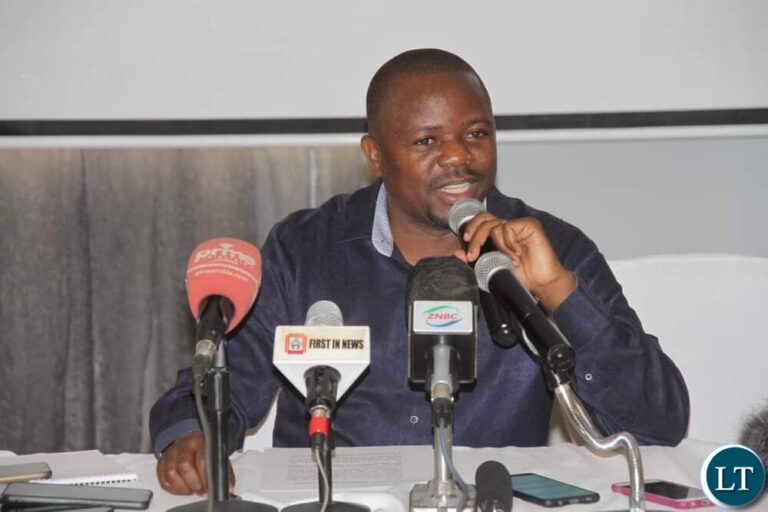
Zulu Holds PF Pamodzi Alliance Line, Keeps Door Open to Mundubile

Patriotic Front presidential aspirant Makebi Zulu has placed himself firmly within the PF Pamodzi Alliance, while signalling that the bigger political objective ahead of the August elections remains broader opposition cooperation, including the possibility of working with Brian Mundubile and other rival formations once internal PF processes are concluded.

In an interview on Radio Christian Voice, Zulu set out a position that was at once combative on principle and flexible on political strategy. He rejected suggestions that he was preparing to abandon the Patriotic Front for a quicker route to the ballot, but also made it clear that he does not see the opposition fight against the ruling UPND as a contest any single party or alliance can win alone.

That balancing act sits at the heart of the current opposition moment. The PF remains locked in disputes over leadership, legitimacy and the route to its long-awaited general conference. At the same time, rival opposition centres have continued to emerge, with Brian Mundubile taking the lead in the Tonse Alliance, while senior PF figures aligned to Given Lubinda and other contenders have moved into the PF Pamodzi Alliance.

Zulu’s intervention matters because it attempts to define where he belongs in that fluid landscape and how he believes the opposition should approach the election.

He confirmed that he is not in Tonse, and that his current political home is the PF Pamodzi Alliance, which he described as a product of a Patriotic Front Central Committee resolution aimed at creating a vehicle capable of drawing in like-minded parties while the PF settles its own internal leadership question.

For Zulu, the move into PF Pamodzi is not a rejection of unity. He framed it instead as a temporary political arrangement born out of what he sees as the mishandling of the Tonse project after the death of former president Edgar Lungu. He argued that the original understanding around Tonse recognised the PF as the anchor party and envisaged the alliance leadership emerging from within PF structures. In his telling, that arrangement was later altered, leaving the PF outside the very framework it had been expected to anchor.

That is where Brian Mundubile enters the equation. Zulu was careful not to turn the interview into a direct personal attack on Mundubile, even when pushed to do so. He declined to personalise the dispute, but plainly said the current shape of Tonse is not one he accepts as having followed the original script. He said the problem was less the personality involved than the process that led to the present outcome.

Still, his position was not one of total rupture. On the contrary, one of the clearest messages from the interview was that he remains willing to work with Mundubile and others, provided that engagement happens at the right stage, on agreed terms, and in a way that does not further fracture the PF.

Zulu said that, as things stand now, he cannot simply walk into Tonse as an individual. In his view, that would amount to abandoning a movement he says still has to choose its own leader and stabilise its own structures. But he also said that once the PF settles its internal process, there is every chance of cooperation with Tonse and other opposition formations. At that point, he argued, the engagement would not be one politician crossing the floor to join another politician, but an organised political structure negotiating from a position of legitimacy.

That distinction was central to his case. He said the issue is not whether the opposition should work together. It must. The issue is how they work together, and from what political footing.

Zulu also used the interview to rule out another route that has hovered around his candidacy: the National Congress Party endorsement. He acknowledged that the NCP had offered him a presidential ticket, but he made it clear he has not taken it up. His reasoning was blunt. A “free ticket,” he said, is not the point if it comes at the cost of worsening opposition fragmentation. In his view, stepping out alone under another party banner would contradict the very unity message opposition leaders have been preaching to the public.

That line sharpened his broader appeal. He said Zambians are not asking for more breakaways, more logos or more parallel ambitions. They are asking for a credible alternative to the UPND. He argued that voters want opposition parties to prove that they can subordinate personal calculations to a national objective.

In that context, Zulu cast himself less as a man chasing any available ballot slot and more as a contender willing to submit to a wider process. He maintained that he wants to be Republican President and believes he is qualified to lead, but he also said that if another opposition candidate is shown to command stronger numbers and broader support, it would be wrong to ignore that reality. The same logic, he suggested, would apply to cooperation with forces now outside PF Pamodzi, including Mundubile’s camp.

That does not mean the divisions are resolved. Far from it. The opposition remains split among multiple alliances, multiple egos and multiple theories of how to defeat the UPND. But Zulu’s interview offered a political signal worth noting: he is planting his flag in PF Pamodzi for now, while keeping the door open to a later convergence with Mundubile and the rest of the opposition.

With presidential filing drawing closer, that question may soon become unavoidable. The opposition can continue operating as competing centres of mobilisation, or it can try to turn those centres into a single electoral force. Zulu’s answer, at least for now, is that the PF must first choose its leader, hold its line through PF Pamodzi, and then negotiate unity from there. The argument is not that Mundubile and the others must be shut out. It is that they must eventually be brought in through a process the broader opposition can defend before voters.

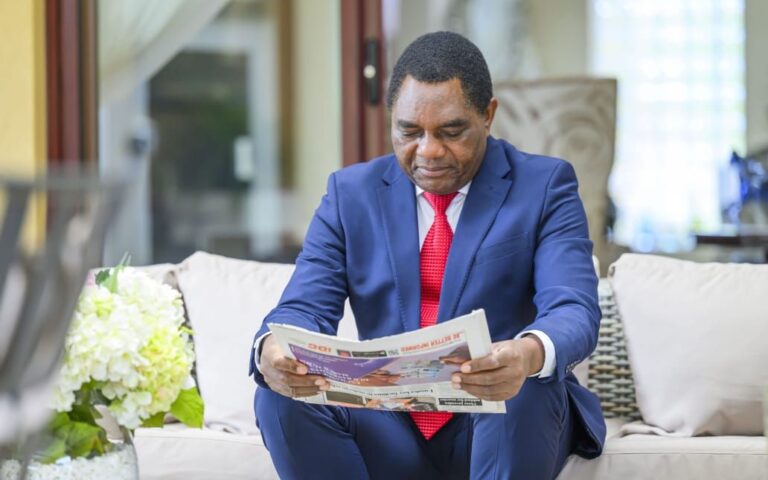
HH urges young citizens to back continuity

President Hakainde Hichilema has urged young Zambians to support continuity in the upcoming August elections, emphasising the role of youth participation in shaping the country’s political and economic direction.

Speaking to young people during a public engagement, President Hichilema encouraged youths to take an active role in the electoral process and to consider the direction they want the country to take in the years ahead.

The President said young voters represent a significant portion of Zambia’s population and therefore hold considerable influence over the outcome of elections. According to him, the participation of young citizens in democratic processes remains essential to national governance.

President Hichilema urged young people to reflect carefully on policies and leadership choices when participating in elections. He said the decisions made by voters will determine how the country continues to develop in the coming years.

Youth participation in elections has often been viewed as a critical factor in shaping political outcomes. Across many democracies, younger voters increasingly play a decisive role in determining electoral results.

During his remarks, President Hichilema emphasised the importance of responsible participation in democratic processes. He encouraged young citizens to register as voters and to ensure that they take part in elections.

The President also highlighted the role of leadership in guiding national development. He said political choices made during elections influence the policies and programmes that shape economic and social progress.

Young voters have increasingly become a focus of political engagement across Zambia as parties and leaders seek to connect with a generation that will influence future leadership decisions.

President Hichilema told youths that their involvement in elections goes beyond casting votes. Participation in civic activities, policy discussions and community engagement also contributes to strengthening democratic systems.

The President emphasised that leadership choices should be based on evaluating programmes that support national development and economic growth.

Political discussions surrounding youth participation have intensified as the country moves closer to future electoral contests. Political leaders frequently engage young citizens to encourage involvement in governance and national decision-making.

President Hichilema said Zambia’s progress depends on the choices made by citizens during elections. He encouraged young voters to consider how their participation can contribute to building a stable and prosperous country.

The remarks reflect ongoing efforts by political leaders to mobilise youth participation in democratic processes. Young citizens continue to represent an important constituency within the country’s political environment.

President Hichilema told the gathering that young people have the ability to shape Zambia’s future through the decisions they make during elections.

He urged them to approach the electoral process with responsibility and awareness of the long-term implications of their choices.

Mweetwa says opposition cannot easily remove HH from office

Minister of Information and Media Cornelius Mweetwa says political divisions within the opposition make it difficult for rival parties to mount a serious challenge against President Hakainde Hichilema, arguing that unity among opponents would be necessary before any meaningful political contest could emerge.

Mweetwa made the remarks while responding to political criticism directed at the government, saying that fragmented opposition structures limit the ability of rival groups to present a coordinated political alternative.

The minister said Zambia’s political environment requires organised and disciplined political movements capable of articulating clear policies and leadership direction. According to Mweetwa, opposition groups remain divided over leadership questions and strategic approaches.

He argued that political competition functions most effectively when parties are able to organise themselves into cohesive structures capable of engaging voters with defined policy positions.

The Patriotic Front and other opposition parties have faced internal disagreements in recent years as different leaders attempt to establish authority within their organisations. These disputes have sometimes produced rival factions within the same political parties.

Mweetwa said such divisions can weaken political mobilisation efforts because supporters may become uncertain about which leaders represent the official direction of a party.

He also emphasised the importance of political stability in maintaining national progress. According to the minister, political organisations seeking to challenge governing parties must demonstrate organisational discipline and policy clarity.

The minister said effective political competition depends on the ability of parties to engage citizens with ideas and programmes that address national challenges. Political organisations that remain divided, he said, may struggle to build consistent support among voters.

Opposition alliances have periodically been discussed within Zambia’s political environment as parties explore ways to strengthen their electoral competitiveness. However, forming unified political platforms often requires resolving internal disagreements among participating groups.

Mweetwa said political parties must first establish internal unity before attempting to build broader alliances capable of challenging governing parties.

The minister also emphasised the role of democratic processes in determining leadership outcomes. Elections provide the mechanism through which citizens express their preferences regarding governance and political leadership.

Political discussions about leadership and governance have intensified as different parties interact with communities across the country. Political actors often use such engagements to present their policy proposals and mobilise supporters.

Mweetwa said political organisations should focus on presenting clear programmes that respond to citizens’ needs. According to him, policy ideas and organisational discipline remain important elements of effective political participation.

The minister’s remarks also reflected broader discussions about the structure and organisation of political parties in Zambia. Leadership disputes and internal factionalism have occasionally affected several political organisations across different electoral cycles.

Political analysts often note that party unity can play an important role in determining electoral competitiveness. Parties that maintain coherent leadership structures are generally better positioned to mobilise supporters.

Mweetwa maintained that opposition groups seeking to challenge the government must first address internal disagreements and develop unified strategies before attempting to mobilise national support.

He said political competition should ultimately revolve around ideas, leadership and the ability of parties to present credible programmes to the electorate.

Mweetwa said divisions within opposition parties continue to weaken their ability to mount a coordinated political challenge against President Hakainde Hichilema.

HH advises girls to avoid exploitation by older men

President Hakainde Hichilema has urged young women to avoid relationships with significantly older men, warning that such arrangements often place girls at risk and can disrupt their education and personal development.

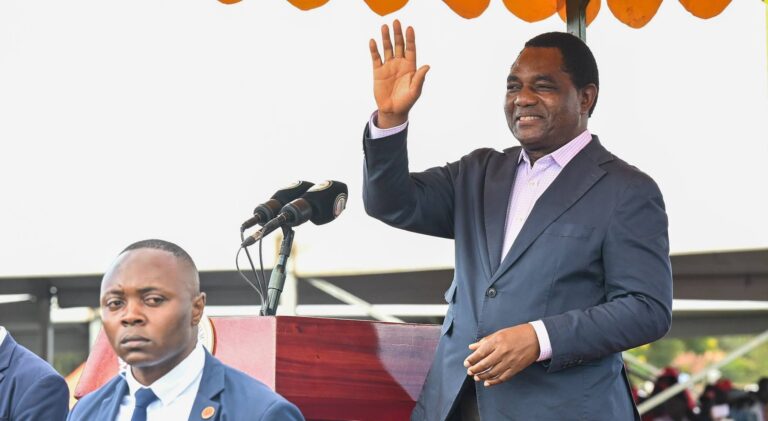
Speaking during Youth Day celebrations in Solwezi, President Hichilema delivered a direct message to young women, cautioning them against situations in which older men pursue relationships with school-going girls or young women who are still building their future.

The President said such relationships frequently lead to exploitation, with young women sometimes left to face the consequences alone. He told the gathering that older men who become involved with young girls often do not take responsibility for the long-term impact of those relationships.

President Hichilema urged young women to remain focused on their education and personal ambitions. He said education and skills development offer the strongest pathway for young people to build stable and productive lives.

The Youth Day commemorations in Solwezi brought together young people, community leaders and government representatives to discuss issues affecting Zambia’s youth population. President Hichilema used the occasion to address a range of social concerns affecting young citizens.

During his address, the President emphasised that young people must make choices that protect their future opportunities. He said education should remain a priority for girls and boys alike as they prepare to contribute to national development.

President Hichilema told the gathering that young women should not allow themselves to be drawn into relationships that may compromise their goals. He encouraged girls to pursue education and personal development rather than becoming dependent on relationships with older partners.

Youth Day celebrations often serve as a platform for leaders to address issues affecting young people, including education, employment and social wellbeing. The President’s remarks formed part of broader discussions about the challenges facing Zambia’s youth.

The President also emphasised the importance of parental and community support in protecting young people. Families and community leaders, he said, have a responsibility to guide young citizens and help them make decisions that support their wellbeing.

President Hichilema said young people should remain confident in their ability to shape their own future. He encouraged them to develop skills, pursue education and participate actively in the country’s development.

The address reflected broader concerns about social pressures that can affect young people, particularly girls who may face challenges balancing education, relationships and economic pressures.

Youth Day events across the country provided opportunities for young people to engage with national leaders and discuss issues that influence their lives. The Solwezi celebrations highlighted themes of empowerment, responsibility and opportunity.

President Hichilema said Zambia’s future depends on a generation of young people who are prepared to make responsible decisions and contribute positively to society.

He urged young women to remain focused on their ambitions and to avoid situations that could undermine their education and long-term prospects.

The President said young citizens should recognise their potential and work toward building a future based on education, discipline and determination.

Voters are Scared – Luo

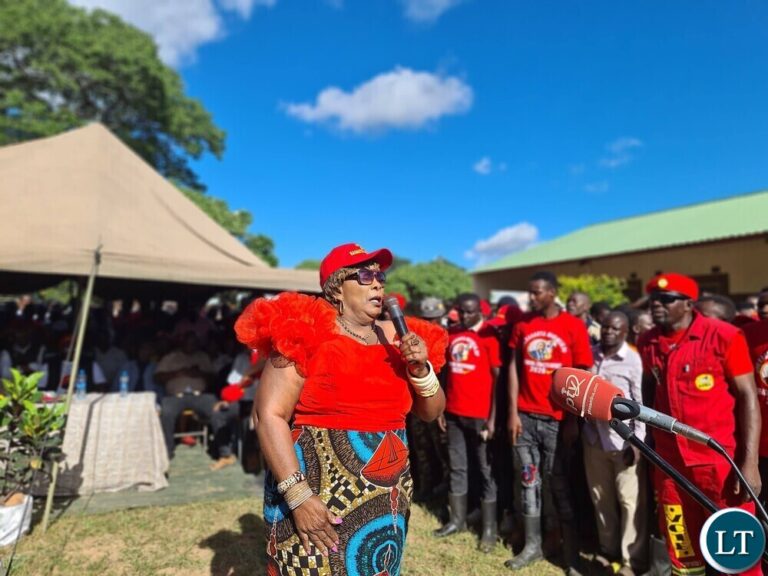
Former higher education minister Professor Nkandu Luo says many Zambians are reluctant to express their political preferences openly, claiming that some citizens are instead quietly signalling their voting intentions by showing voters’ cards during interactions with opposition figures.

Luo made the remarks while addressing supporters, where she reflected on what she described as growing fear among citizens when discussing political choices in public. According to Luo, the reluctance to speak openly about politics has created a situation in which many people prefer to communicate their views privately.

She said that during engagements with citizens, some individuals have been showing their voters’ cards rather than openly declaring their political positions. Luo described the gesture as a sign that certain voters prefer to express support quietly rather than through public statements.

The former minister said such behaviour reflects a wider atmosphere in which some citizens feel uncomfortable discussing politics openly. She told supporters that political expression should allow individuals to state their views freely without hesitation.

Luo argued that fear or hesitation in public political discussions can distort perceptions about voter sentiment. When people remain silent in public spaces, she said, it may create the impression that certain political views are not widely shared.

According to Luo, private interactions with citizens often reveal opinions that differ from what is expressed publicly. She said individuals sometimes feel more comfortable sharing political preferences in informal settings rather than at public gatherings.

The remarks form part of a broader political conversation about how citizens express their views during periods of active political competition. Political figures across Zambia frequently engage with communities to gauge public sentiment and mobilise supporters.

Luo said interactions with citizens in different areas have revealed what she described as quiet expressions of political support. She told supporters that the act of showing voters’ cards during such encounters demonstrates that some individuals prefer symbolic gestures over verbal declarations.

Political communication often takes different forms depending on social and political circumstances. In many settings, individuals may choose indirect ways of expressing their opinions, particularly when they are uncertain about how their views will be received.

Luo said the phenomenon highlights the importance of engaging voters directly within communities. She encouraged supporters to continue interacting with citizens and listening to their concerns during political activities.

The former minister also reflected on the role of political participation in shaping national leadership. She said the voting process allows citizens to express their preferences and influence the direction of the country.

Discussions about voter behaviour frequently arise during periods of political mobilisation. Political actors often attempt to interpret signals from communities as they prepare for electoral contests.

Luo said that despite reluctance among some citizens to speak openly about politics, the voting process ultimately provides a platform through which individuals can express their choices.

She urged supporters to remain engaged with communities and to encourage citizens to participate actively in political processes.

The remarks come at a time when political activity across the country continues to intensify as parties and leaders interact with communities to build support.

Luo told supporters that the gesture of voters showing their cards during interactions should be interpreted as a sign of quiet political expression among citizens.

Chabinga Insists He Remains Legitimate PF Leader

5

Robert Chabinga, who serves as Acting President of the Patriotic Front (PF), has insisted that he remains the legitimate leader of the former ruling party.

Chabinga said party members and the general public should not be misled by claims from Miles Sampa and Given Lubinda that they have taken over the leadership of the PF.

He stated that the latest court outcome does not change the current situation, noting that there is still an active matter before the Kabwe High Court which bars the party from proceeding with a general conference.

Chabinga added that claims by the faction led by Lubinda should be dismissed.

Speaking during Youth Day celebrations in Chirundu District, Chabinga also advised civil servants in the area to remain loyal to the government of the day.

He further called on Zambians to rally behind Hakainde Hichilema and vote for him in the August 13, 2026 general elections, saying the President has delivered beyond expectations and deserves a second term.

Meanwhile, addressing young people during the celebrations held under the theme “Arise and Soar,” Chabinga—who is also the Member of Parliament for Mafinga—said he is a product of resilience.

He shared that during his school days he used to walk about seven kilometres daily to attend classes, adding that determination helped him overcome difficult circumstances.

Chabinga encouraged youths across the country to remain focused, work hard and pursue their ambitions despite challenges.

HH launches Imisepela platform linking youths to jobs

President Hakainde Hichilema has launched Imisepela, a digital platform intended to connect young Zambians to employment opportunities, training programmes and business partnerships, placing youth participation at the centre of the country’s economic agenda.

The platform was unveiled during Youth Day commemorations in Solwezi, North-Western Province, where the President addressed thousands of young people who gathered to mark the national celebration. The launch formed one of the major announcements during the event, which focused on the role of young citizens in shaping Zambia’s economic and social future.

President Hichilema said the Imisepela platform is designed to help young people access opportunities that can support employment, entrepreneurship and skills development. He explained that the system will allow youths to connect with organisations offering jobs, internships, mentorship programmes and training initiatives.

The President said many young people possess talent and education but struggle to identify pathways that allow them to translate those abilities into economic activity. According to President Hichilema, the platform is intended to create a digital gateway where opportunities and youth potential can meet.

He urged young people to take advantage of available opportunities by registering on the platform and using it to connect with institutions and businesses operating across different sectors of the economy. President Hichilema said young citizens should remain proactive in pursuing education, skills development and entrepreneurship.

The Youth Day celebrations in Solwezi brought together students, youth groups, community leaders and government representatives from different parts of the country. Discussions during the event centred on youth empowerment, innovation and leadership as Zambia continues addressing challenges related to employment and economic participation.

President Hichilema told the gathering that young people remain central to Zambia’s development. He said the country’s economic progress will depend significantly on the creativity, productivity and determination of its youth population.

During his address, the President encouraged young Zambians to pursue ideas and initiatives that can support sustainable livelihoods. He said innovation and entrepreneurship provide important pathways through which young people can contribute to national development.

The launch of the Imisepela platform comes amid ongoing conversations about youth employment and the need to expand opportunities for young people entering the labour market. Young citizens represent a significant portion of Zambia’s population, making youth empowerment a critical factor in long-term economic growth.

President Hichilema emphasised that national development requires the active participation of young people in economic activities. He urged youths to remain focused on building skills that can help them compete in a changing economic environment.

The President also stressed the importance of discipline and responsibility among young citizens as they pursue opportunities available through education and entrepreneurship. He said Zambia’s future leadership will depend on the commitment of the younger generation to productive engagement.

Participants at the Youth Day commemorations described the platform launch as a step towards strengthening youth participation in economic activities. The event also highlighted the importance of education, innovation and leadership in shaping the country’s development path.

President Hichilema said Zambia must continue creating pathways that allow young people to transform their ideas into productive activities that benefit both individuals and communities.

He told the gathering that empowering young people will help strengthen the country’s economic base and expand opportunities for national progress.

Missing Mulungushi University Student Found Dead

8

24-Year-Old Mulungushi University Student Found Dead in Ndola

A 24-year-old third-year student at Mulungushi University, Mitch Mulenga, who was reported missing on January 27, has been found dead.

According to family members, Mulenga left home on Tuesday to deposit his school fees but never returned. Following his disappearance, relatives, friends and members of the public launched a search and appealed for information about his whereabouts.

His body was discovered yesterday dumped near his home in the Stadium Area of Ndola, with his head cut off.

The discovery has brought a tragic end to the search and has left family members, fellow students and the wider community in shock and mourning.

Authorities are expected to institute investigations to determine the circumstances surrounding his death.

Illegal Checkpoints Dismantled at Danger Hill Mines

1
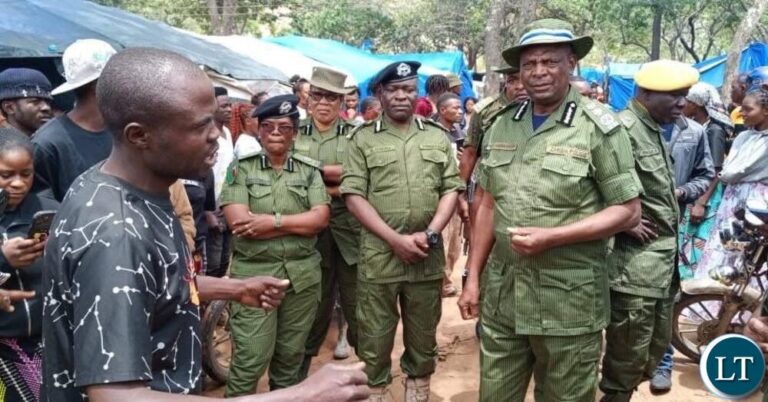
Deputy Inspector General of Police in charge of Operations Fred Hamaamba has ordered the immediate dismantling of illegal checkpoints mounted by some community members along the route to Danger Hill Mines.

Mr. Hamaamba, who was representing Inspector General of Police Graphel Musamba, is currently on a fact-finding mission in Shiwang’andu District to address illegal mining activities in the area.

He was accompanied by Muchinga Province Commanding Officer, Commissioner of Police Dennis Moola, and Deputy Commanding Officer of TAZARA, Deputy Commissioner of Police Winfred Chimuka.

The operation followed reports that some individuals had set up unauthorized checkpoints where they were collecting money from motorists, miners and members of the public.

Police officers immediately dismantled the checkpoints and warned those involved to stop the activities.

“Government has banned checkpoints on main roads, leaving only critical and authorized ones. We cannot allow individuals to defy government directives and mount illegal checkpoints to extort money from innocent citizens,” Mr. Hamaamba said.

He warned that anyone attempting to re-establish the checkpoints would face immediate arrest.

Mr. Hamaamba also addressed illegal miners operating at Danger Hill Mines, urging them to vacate the site peacefully before enforcement action is taken. He further banned illegal committees that had been collecting money within the mining area, stating that the collections were unlawful.

The Deputy Police Chief explained that his visit was prompted by reports of unreported fatalities at the mining site.

He assured the public that police will continue monitoring the area to ensure that illegal checkpoints are not re-established and that law and order is maintained.

Woman Nursing Burns After Sister Poured Boiling Water

0

A 28-year-old woman of Nottie Broadie Area is nursing severe burn injuries after her younger sister allegedly poured boiling water on her during a dispute.

The victim has been identified as Memory Sipopa, while the suspect is her 25-year-old sister, Edna Kafweta.

According to reports, the incident occurred  around 19:55 hours following an argument over a cob of maize. Sipopa said their mother had given her the maize, which later led to a confrontation when Kafweta questioned her about eating it.

The disagreement reportedly escalated into a verbal altercation, after which Kafweta allegedly poured boiling water—meant for cooking nshima—onto her sister.

Sipopa was rushed to Livingstone University Teaching Hospital where she is receiving treatment. Medical personnel have described her condition as stable and out of danger.

Southern Province Commissioner of Police Moono Namalongo confirmed the incident and said no arrest has been made yet, as the suspect is currently on the run.

Teen Dies in Chikankata Motorbike Crash

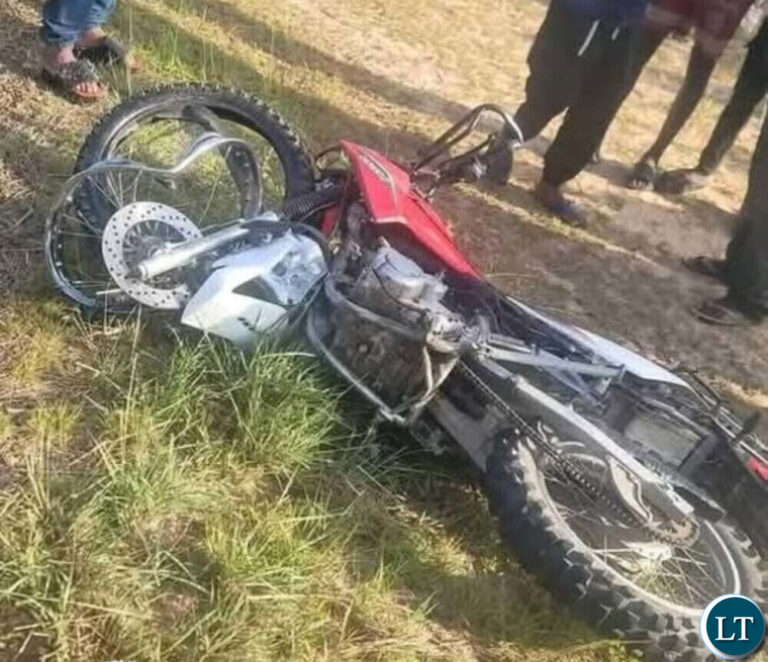
A 14-year-old boy has died after a motorbike accident in Chikankata District.

The victim, who was a pillion passenger, was riding with his 15-year-old friend when the accident happened  around 17:00 hours at Mabwetuba Area along the Chikankata Mission Road.

According to Southern Province Commissioner of Police Moono Namalongo, the two juveniles were travelling on an unregistered Gatoma motorbike when the rider lost control due to inexperience, causing the motorbike to overturn.

The 14-year-old, who was from Mwiinga Village, sustained a deep cut to the throat and was pronounced dead upon arrival at Chikankata Mission Hospital.

Meanwhile, the juvenile rider sustained general body injuries and is currently admitted at the same hospital.

Police said the motorbike was extensively damaged in the accident, with damage reported to the front wheel, forks and dashboard.

Four Arrested for Stock Theft in Chikankata

Four people have been arrested in Chikankata District in connection with a case of stock theft involving suspected stolen cattle carcasses.

The suspects were apprehended by officers from the Department of National Parks and Wildlife while transporting the carcasses in a motor vehicle.

Those arrested have been identified as Osward Mweene, 32, of Mtendere Compound; Wheezy Katowa, 37, of Chirundu; Chipo Nga’ndu, 27, of Munali Hills; and Luckson Hampande, 18, also from Chirundu.

According to Southern Province Commissioner of Police Moono Namalongo, the suspects were first intercepted on March 7, 2026, around 07:00 hours at Kafue Gorge Turnoff while travelling in a grey Toyota Noah, registration number BLC 3582.

The vehicle, driven by Mweene, was found carrying carcasses of two cattle. When questioned, the occupants claimed the animals came from their farm in Chilileka in Chikankata District.

Later that day, a vice headman in the area reported that a member of the public had discovered blood stains and animal intestines suspected to be remains of stolen livestock, although the owner of the animals had not yet been identified.

On March 10, 2026, officers again intercepted the same vehicle in the Nansenga Area. During questioning, the driver led officers to the other suspects.

Namalongo said the four individuals admitted to stealing the cattle and allegedly attempted to offer an inducement to the wildlife officers in an effort to secure their release, which was declined.

The suspects have since been handed over to Chikankata Police Station where they remain in custody as investigations continue to establish the rightful owners of the cattle.

ZAM Raises Concerns Over Tobacco Control Bill

0

The Zambia Association of Manufacturers (ZAM) says while it supports legislation aimed at regulating tobacco consumption, it is concerned that the proposed Tobacco Control Bill interferes with commercial operations.

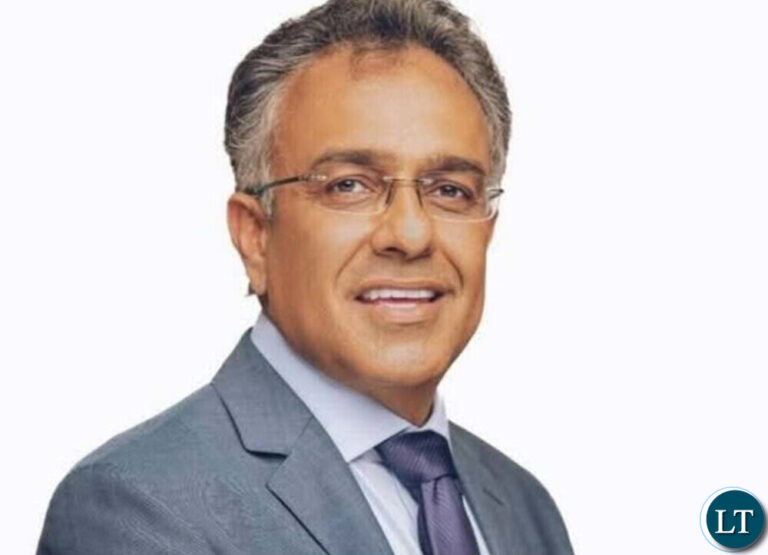
ZAM Immediate Past President Ashu Sagar said the proposed law has several shortcomings, including the absence of a regulatory impact assessment.

Sagar also noted that the bill restricts engagement between industry players and government, particularly through limitations placed on the proposed tobacco control committee.

He stressed that tobacco remains a legal product and should not be treated as though it were prohibited.

According to Sagar, the structure of the bill risks imposing heavy costs on small retailers and small and medium-sized enterprises (SMEs), which could undermine business stability.

He further warned that the legislation could send negative signals to farmers, noting that earlier drafts suggested farmers should abandon tobacco cultivation.

Sagar added that the tobacco industry contributes significant tax revenue and supports exports, making it an important part of the economy.

He also pointed out that requirements such as frequent packaging changes and restrictions on product display could increase operational costs and potentially encourage illicit trade.

Sagar emphasised that while health regulations should focus on consumption and public safety, commercial matters should remain under government ministries responsible for finance, commerce and agriculture.

He warned that excessive regulation of legitimate businesses could strengthen smuggling networks and urged government to clearly separate health and commercial responsibilities in the proposed legislation.

UPND to Retain Current Parliamentary Candidates

The United Party for National Development (UPND) says it will only adopt new parliamentary candidates in constituencies that will be created after the upcoming delimitation exercise and not in already existing constituencies.

UPND National Trustee Member Grace Chivube explained that the party intends to retain its current Members of Parliament in existing constituencies because they already understand their responsibilities and the party’s development agenda.

Speaking during Youth Day celebrations in Bweengwa Constituency, Chivube said the party does not have time to begin orienting new MPs when experienced leaders are already managing constituency affairs.

She said the ruling party will only consider adopting new candidates in constituencies that will be created once the delimitation process is completed by the Electoral Commission of Zambia (ECZ).

Chivube further urged party members to remain united and continue supporting the current leadership as the country moves closer to the next general elections.

Meanwhile, Jack Mwiimbu, the Member of Parliament for Monze Central Constituency, has advised aspiring candidates to campaign across the entire constituency as the party awaits confirmation on which constituencies will be affected by the delimitation exercise.

Mwiimbu explained that no one currently knows which constituencies will be divided, making it important for aspiring candidates to engage all communities within their constituencies.

He added that campaigning widely will help aspiring candidates remain visible and popular among voters even if their constituencies are not affected by the delimitation process.

Project C.U.R.E Sends Medical Supplies Worth $10 Million to Zambia

0
Zambia is set to receive 27 containers of medical supplies and equipment valued at about US$10 million under an initiative funded by Islamic Relief USA.

The medical shipments have been donated by Project C.U.R.E, a United States non-profit organisation headquartered in Centennial, Colorado.

Project C.U.R.E collects donated medical supplies and equipment and distributes them to hospitals and clinics, mainly outside the United States.

Project C.U.R.E President and Chief Executive Officer Douglas Jackson said some of the containers have already arrived in Zambia, with equipment already distributed to several rural health centres.

Jackson noted that as Zambia continues expanding its health infrastructure, the need for modern medical supplies and equipment has also increased.

He made the remarks when Zambia’s Ambassador to the United States Chibamba Kanyama visited the organisation’s headquarters in Denver.

Kanyama highlighted the partnership between Zambia and Project C.U.R.E, which is aimed at strengthening the country’s health system and supporting more than 20 rural health facilities.

He said the donated supplies will help improve the quality of healthcare services while boosting morale among health workers.

Kanyama further noted that President Hakainde Hichilema has been working to strengthen Zambia’s healthcare system through the expansion of medical facilities and improved service delivery using the Constituency Development Fund (CDF).

The information was contained in a statement issued to the media by First Secretary for Press and Public Relations at the Embassy of Zambia in Washington, DC, Charles Tembo.