Sunday, June 7, 2026
27 C
Lusaka
Home Blog Page 116

Taxi Driver Shot Dead in Chingola Bar Shooting

1
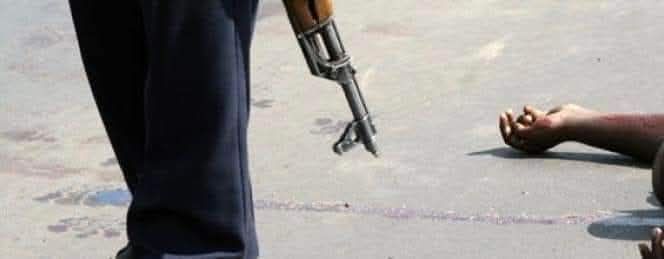
A 30-year-old taxi driver of Chingola has been shot dead following a shooting incident that occurred around 22:30 hours yesterday at Natmos Trading Area along Kabundi Road in Riverside Extension, Chingola.

During the same incident, another man was critically injured.

According to Mwala Yuyi, the shooting happened after a quarrel broke out between Francis Mbale and three unknown men at a local bar.

Yuyi explained that while outside the bar, Mbale picked up a bottle of beer, broke it and started insulting the three men. In the process, one of the men reportedly retrieved a pistol from his waist bag and shot at Gift Chilambe, 30, of Kapisha Compound, who ran about 70 metres across Kabundi Road before collapsing.

He said while Mbale was still fighting with one of the three men, the armed suspect returned and shot him as well, after which the three suspects fled the scene.

People who had been drinking inside the bar came outside after hearing the gunshots and found the victims lying on the ground.

Police officers later responded to the scene and have since launched investigations into the incident. Two projectiles were recovered from the scene.

The body of the deceased has been taken to the mortuary for a post-mortem examination.

Mbale, who sustained a gunshot wound to the head, is currently admitted to the intensive care unit battling for his life.

No arrests have been made so far.

HH Condemns Sexual Violence, Calls for Respect for Women

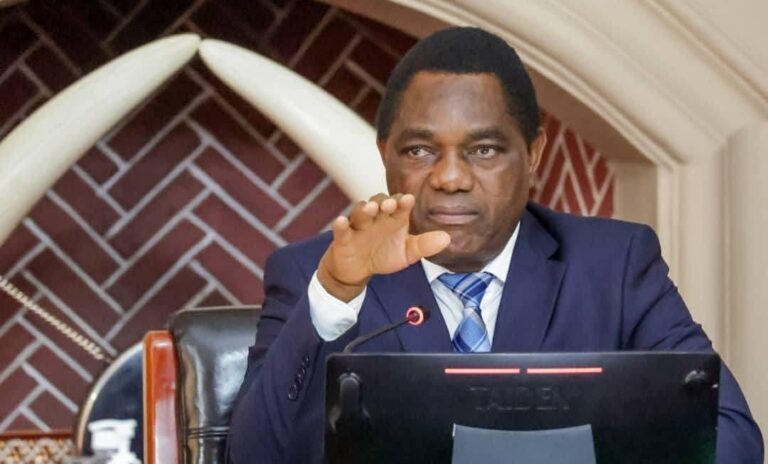
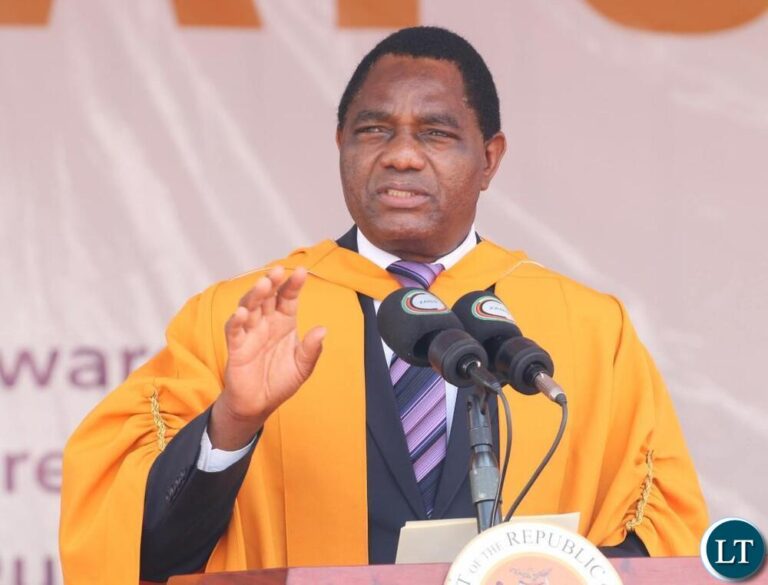
President Hakainde Hichilema has issued a direct warning against sexual violence, urging men across the country to respect women and uphold their dignity as Zambia continues efforts to confront gender-based violence.

The President made the remarks during a public address where he spoke about the responsibility of citizens and institutions to protect women and girls from abuse and exploitation.

Hichilema said acts of sexual violence represent a serious violation of human dignity and undermine the values that underpin a stable and just society.

He said the abuse of women cannot be tolerated in any community and called on men to reject behaviour that harms women.

“Don’t rape women,” Hichilema said as he addressed the issue directly.

The President said sexual violence continues to destroy lives and leave long-lasting trauma for victims and their families.

According to Hichilema, protecting women from abuse must remain a national priority requiring cooperation between families, communities, law enforcement agencies and government institutions.

He said violence against women weakens social stability and damages the moral foundations of society.

Hichilema said communities must actively discourage behaviour that places women at risk and promote respect for women and girls in homes, schools and workplaces.

The President said building a society founded on dignity and equality requires strong cultural and social commitment to protecting women.

He urged men to take responsibility for promoting safe and respectful relationships within communities.

According to Hichilema, many cases of gender-based violence occur within familiar environments where victims often struggle to report abuse.

He said silence surrounding abuse allows perpetrators to continue harming victims and prevents justice from being served.

Hichilema said communities must encourage victims to report incidents of abuse and ensure that survivors receive support.

He also stressed the importance of strengthening institutions responsible for investigating and prosecuting sexual violence cases.

The President said law enforcement agencies must continue enforcing laws designed to protect women and girls from abuse.

Hichilema noted that gender-based violence has serious social and economic consequences because it disrupts families and undermines national development.

He said protecting women is essential for building safe communities where citizens can contribute fully to national progress.

The President also urged parents and guardians to guide young people toward responsible behaviour and respect for others.

He said teaching respect and responsibility within families can help prevent violence before it occurs.

According to Hichilema, communities that protect women create environments where children can grow and thrive without fear.

He said institutions such as schools, churches and civic organisations also have an important role in promoting values that discourage violence and discrimination.

Hichilema said the country must continue strengthening public awareness about the dangers of gender-based violence.

He urged citizens to work together to eliminate practices that expose women and girls to abuse.

The President said addressing sexual violence requires sustained national commitment rather than isolated interventions.

He emphasised that protecting women is central to building a society grounded in respect, justice and equality.

Editors Note:
“Hichilema said Zambia cannot achieve meaningful social progress while violence against women persists, warning that communities must work collectively to end abuse and protect the dignity of every woman and girl”.

Lusaka Set to Gain Nine New Constituencies Under Delimitation Plan

Lusaka is set to gain nine additional constituencies under the Electoral Commission of Zambia’s delimitation proposals, a development expected to significantly expand parliamentary representation in the capital as the country prepares for future elections.

The proposed expansion forms part of the broader constituency delimitation exercise being undertaken by the Electoral Commission of Zambia (ECZ), which seeks to realign electoral boundaries to reflect population growth and changing settlement patterns.

Under the proposals, Lusaka Province — and particularly the capital city — stands out as one of the regions expected to record the largest increase in constituencies.

The delimitation exercise follows constitutional provisions that allow the ECZ to periodically review constituency boundaries in order to ensure equitable representation.

Rapid population growth in Lusaka over the past two decades has placed increasing pressure on existing constituencies, many of which now contain significantly larger populations than originally anticipated when the current boundaries were drawn.

Electoral officials say the creation of additional constituencies is intended to improve representation by reducing the number of voters served by individual Members of Parliament.

The move is also expected to bring parliamentary representation closer to communities experiencing rapid urban expansion.

Urban growth in Lusaka has accelerated in recent years as migration from rural areas continues to increase the city’s population.

New residential areas have emerged on the outskirts of the city while previously sparsely populated areas have transformed into densely populated communities.

These demographic changes have created imbalances in the size of constituencies, with some MPs representing far larger populations than others.

The delimitation process aims to correct those disparities by adjusting electoral boundaries and creating additional constituencies where population growth has been most pronounced.

The Electoral Commission has been conducting consultations and technical reviews as part of the exercise.

Electoral boundary reviews often generate significant political interest because they influence the structure of parliamentary representation and can reshape political competition in affected areas.

In Lusaka, the addition of nine constituencies would increase the number of parliamentary seats allocated to the province and alter the electoral map of the capital.

The changes are expected to affect several existing constituencies whose boundaries may be adjusted to accommodate new electoral divisions.

Delimitation exercises are typically guided by several factors including population distribution, geographical considerations and administrative boundaries.

The ECZ has previously stated that the goal of the exercise is to strengthen representation and ensure fairness in the electoral system.

Electoral boundary adjustments are considered a normal part of democratic governance, particularly in countries experiencing rapid urban growth.

For Lusaka, the proposed increase reflects the city’s continued expansion and its growing political importance within Zambia’s electoral landscape.

The capital remains the country’s largest urban centre and one of the most influential regions during national elections.

Changes to its constituency structure therefore carry significant implications for parliamentary representation and future electoral contests.

The delimitation process is expected to continue with consultations and technical assessments before final boundaries are formally adopted.

The addition of nine constituencies would mark one of the most significant expansions of Lusaka’s parliamentary representation since the introduction of the current electoral boundary framework.

Chiefs, Power and Politics: Mpezeni’s Endorsement

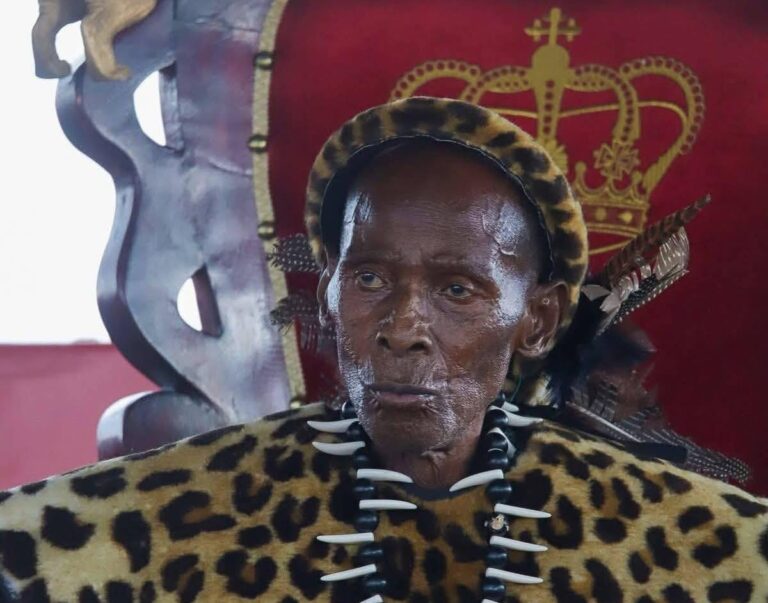
Paramount Chief Mpezeni’s call for Zambians to allow President Hakainde Hichilema to complete his mandate has reopened a sensitive question that has long sat beneath Zambia’s democratic surface: where traditional authority should stand once political competition begins to intensify.

By The Columnst

The chief’s remarks urging citizens not to remove the President before the end of his term were framed as a call for stability. Yet the statement has quickly expanded into a wider national conversation about whether traditional leaders should speak openly on partisan political matters.

In Zambia’s constitutional order, chiefs occupy a unique position. They are custodians of culture, guardians of land and leaders whose authority stretches across communities that include supporters of different political parties. Their influence is cultural and social, even when they choose not to exercise it directly in politics.

Chief Mpezeni’s remarks therefore touched a delicate boundary. To some observers, the chief simply restated what the Constitution already provides. Leaders elected through the ballot must serve their mandate and be judged by voters once the next election arrives.

To others, the statement sounded like something more. It felt like a traditional authority stepping into the arena of political endorsement.

That distinction matters. Once a chief appears to stand with one political position, the neutrality that allows traditional leaders to unite diverse communities begins to blur.

The debate unfolding now shows how sharply opinion can divide once tradition and politics intersect.

Among those warning about the risks of endorsement politics is All People’s Congress president Nason Msoni, who has cautioned that endorsements, whether from politicians, civic actors or influential community figures, can distort public expectations before elections.

Msoni argues that endorsements often create the perception that political outcomes are already decided before voters approach the ballot.

When those expectations collapse, frustration can quickly turn into suspicion.

“It is prudent to counsel citizens making endorsements for personal gain or benefit to desist from doing so as this potentially gives aspiring candidates false hope and could devastate the candidates after miserably losing the elections,” Msoni said.

His warning reflects concern about how endorsement politics shapes political narratives.

When influential figures signal support for particular leaders, momentum may grow but divisions can deepen.

Msoni goes further. He warns that once supporters believe victory has already been secured through endorsements, the final result of an election can trigger accusations of manipulation.

“But in an instance where their candidate loses the election the supporters will automatically take it that the votes have been stolen, which could lead to unrest and anarchy,” he said.

This is where the intersection between traditional authority and modern politics becomes especially delicate.

A chief is not simply another political voice.

Traditional leaders speak from positions rooted in history, culture and community authority. Their words carry weight among entire populations living under their jurisdiction.

That reality explains why the reaction to Chief Mpezeni’s remarks has been intense.

Across public discussion platforms, Zambians have expressed sharply different views.

Some see the chief’s statement as honest recognition of the democratic mandate given to President Hichilema.

Fred Simuyaba wrote that the chief may simply be acknowledging what he believes to be a leader working in the national interest.

“The chief is being honest, he has seen a true and hard working president who means well for the nation,” Simuyaba said.

Others have argued that chiefs naturally cooperate with whichever government is in office.

Chola Tembo suggested that traditional leaders historically work alongside the government of the day as part of maintaining governance structures.

“Traditional leaders are like civil servants they work with the government of the day,” Tembo wrote.

Critics remain uneasy.

Francis Miyoba pointed out that Chief Mpezeni had previously declared support for former president Edgar Chagwa Lungu during the 2021 elections, suggesting that public endorsements by chiefs have existed within Zambia’s political culture for years.

That history complicates the present debate.

If chiefs have spoken politically before, some ask why it should suddenly become controversial now.

Yet criticism has not disappeared.

Brian Sichilongo argued that traditional leaders must be cautious about stepping deeply into partisan politics.

Others expressed frustration with the broader relationship between chiefs and the state.

Isaac Lungu dismissed the issue as a reflection of the long standing relationship between political authority and traditional leadership.

“Don’t bite the finger that feeds you syndrome,” he wrote.

The range of reactions reveals something deeper about Zambia’s political environment.

The country has long balanced two powerful systems of leadership. One is the constitutional state. The other is the institution of traditional authority.

For decades those systems have coexisted with limited confrontation.

But once political competition intensifies and public debate becomes louder, the lines separating those spheres begin to face pressure.

Chief Mpezeni’s remarks did not create that tension. They simply exposed it. Once that conversation begins it rarely ends with a single statement.

The deeper question confronting Zambia now is whether traditional leaders can remain politically neutral within a competitive democratic environment or whether their voices will inevitably become part of the political contest.

For Msoni and others who worry about endorsement politics, the answer matters not only for elections but for the stability of communities themselves.

Once traditional authority becomes associated with political camps, the unifying role chiefs have historically played becomes harder to sustain.

Zambia’s democracy relies on institutions that command respect across political differences.

Traditional leadership has long been one of those institutions. How it navigates the pressures of modern politics will influence the country’s political culture for years.

Kabimba Says HH Missed Chance to Fix Local Government Crisis

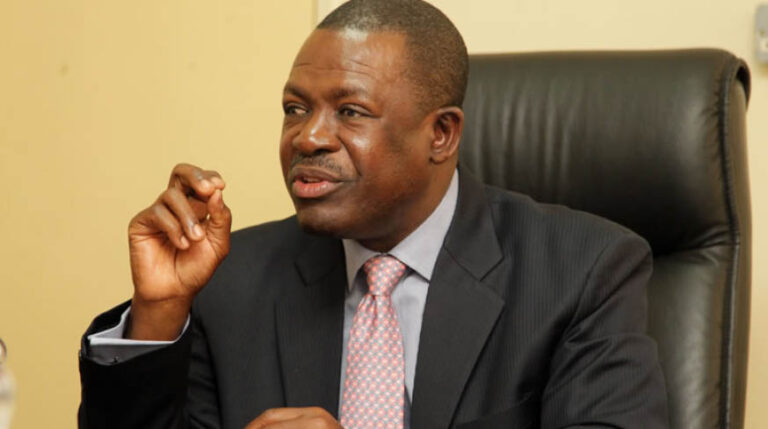
Economic Front president Wynter Kabimba says President Hakainde Hichilema missed a critical opportunity to confront Zambia’s deteriorating local government system during his meeting with more than 1,800 councillors in Lusaka, a gathering Kabimba says should have produced direction on restoring service delivery in towns and cities.

The meeting brought councillors from across the country to Lusaka for an engagement with the President on governance and development matters. Kabimba says the moment carried national importance because it placed the country’s entire local government leadership before the Head of State.

In a statement, Kabimba said the engagement passed without addressing the deeper institutional weaknesses affecting councils.

“The local government has been reduced to a forum of land grabs and party politics, largely driven by whichever political party is in power at any given time,” Kabimba said.

Kabimba said many observers expected the gathering to produce a clear policy direction capable of reversing the decline in local governance structures.

Instead, he said, the engagement avoided confronting the challenges that continue to affect municipalities across the country.

Kabimba pointed to deteriorating sanitation systems, poor infrastructure and weak administrative capacity as visible signs of structural problems within local authorities.

“Anyone interested in the state of our towns and cities will grieve about their degeneration in service delivery and the appalling conditions in which the majority of our people live,” Kabimba said.

Kabimba traced the roots of the crisis to policy shifts that followed Zambia’s return to multi-party politics in the early 1990s. He said changes introduced during that period gradually weakened the operational authority of councils.

He said the situation calls for structural reforms capable of restoring institutional strength within local government.

Kabimba also questioned the growing reliance on the Constituency Development Fund (CDF) as the central mechanism for addressing local development challenges.

The CDF has expanded in recent years and now finances a range of projects across constituencies. Kabimba said the programme remains important but cannot repair the institutional weaknesses affecting councils.

He said restoring effective local governance requires strengthening administrative systems and reinforcing accountability in the management of public resources.

Kabimba also expressed concern over the tone of discussions during the meeting between councillors and the President.

According to him, several contributions focused on personal benefits sought by councillors instead of governance reforms affecting citizens.

Kabimba said councillors raised demands that included monthly salaries, gratuity payments at the end of their terms and motor vehicles to support their work.

He said the strong applause that followed those demands illustrated unity among councillors around personal concerns.

Kabimba said the moment reflected a growing gap between political leadership and the communities they represent.

He recalled a similar situation in 2021 when traditional leaders met then president Edgar Lungu at State House and raised requests related to financial benefits and allowances.

Kabimba said the pattern shows governance challenges that require serious national reflection.

According to him, leadership must remain focused on improving the lives of citizens rather than expanding privileges attached to public office.

Kabimba said failure to address the structural weaknesses affecting councils risks weakening public confidence in local government.

He said Zambia requires reforms capable of restoring councils as engines of development within communities.

Without such reforms, Kabimba said councils will remain unable to deliver reliable services or respond effectively to the needs of citizens across the country.

Kabimba said restoring the strength of local government remains central to improving sanitation systems, infrastructure and basic services in many towns.

He warned that without structural reform the pressures affecting councils will continue to deepen as urban populations expand.

Endorsements Can Ignite Chaos, Warns Msoni

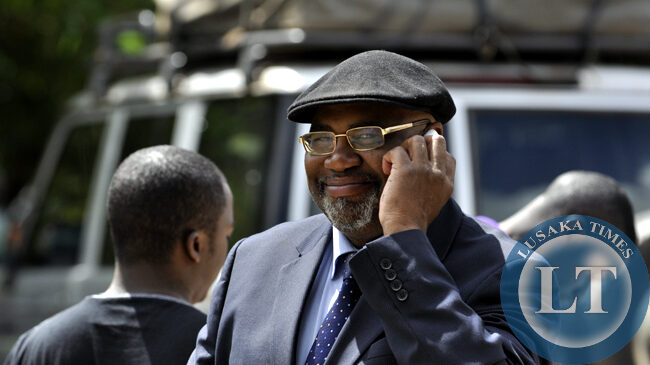
All People’s Congress (APC) president Nason Msoni has cautioned that the growing wave of political endorsements ahead of elections carries the potential to heighten tensions and destabilise the political environment if left unchecked.

Msoni said the increasing practice of individuals and organisations publicly declaring support for political candidates may appear harmless on the surface but can create unrealistic expectations among candidates and their supporters in a competitive electoral climate.

Speaking in an interview, Msoni warned that endorsements can sometimes create the impression that certain candidates already enjoy overwhelming support before voters have had the opportunity to make their decision at the ballot box.

He explained that when endorsements are framed as proof of inevitable victory, supporters may begin to believe that electoral outcomes are already predetermined.

That perception, he said, becomes dangerous when election results fail to match those expectations.

According to Msoni, disappointed supporters may quickly shift from confidence to suspicion, raising allegations of manipulation or electoral malpractice where none exists.

Such reactions, he warned, can generate unnecessary tensions within communities and undermine confidence in democratic processes.

“It is prudent to counsel citizens making endorsements for personal gain or benefit to desist from doing so as this potentially gives aspiring candidates false hope and could devastate the candidates after miserably losing the elections,” Msoni said.

Msoni also warned political actors against pressuring influential figures, including traditional leaders and respected community members, to publicly endorse candidates.

He said involving such figures in partisan endorsements risks creating misunderstandings within communities and may strain relationships between traditional authorities and the people they represent.

According to Msoni, political endorsements can sometimes be deployed strategically as tools to influence public perception rather than allowing voters to independently evaluate candidates based on policies, leadership and performance.

“You can’t anchor your political ambitions on wrong-doing,” he said, stressing that the credibility of elections depends on maintaining fairness and integrity in political competition.

Msoni said Zambia’s electoral environment works best when candidates compete on ideas, policy direction and leadership capacity rather than relying on symbolic endorsements to build momentum.

He warned that when endorsements become widespread and highly publicised, supporters may interpret them as signals that an election outcome has already been decided.

“But in an instance where their candidate loses the election the supporters will automatically take it that the votes have been stolen, which could lead to unrest and anarchy,” Msoni said.

He emphasised that such perceptions can weaken trust in electoral institutions and create unnecessary suspicion around legitimate election results.

Msoni also urged opposition political parties to avoid infighting and unnecessary confrontations among themselves, warning that internal divisions could weaken their ability to compete effectively.

He said opposition leaders who focus on attacking one another rather than presenting coherent strategies risk giving their political opponents an advantage.

“Infighting or attacking each other just plays into the ruling party’s hands,” he said.

Msoni urged opposition leaders to concentrate on building unity and presenting clear alternatives to voters if they hope to offer a credible political challenge in future elections.

He said political competition should remain centred on national development priorities, governance and economic policy rather than personal rivalries and symbolic endorsements.

According to Msoni, Zambia’s democratic system has historically been sustained by peaceful political participation and respect for electoral outcomes.

Protecting that tradition, he said, requires responsibility from political leaders, supporters and citizens alike.

Msoni stressed that public statements and political actions should be carefully measured to avoid creating conditions that could inflame tensions or undermine public confidence in democratic institutions.

While acknowledging that endorsements form part of political expression, he said they must not be allowed to distort democratic competition or mislead voters about the true dynamics of electoral contests.

For Zambia’s democracy to remain stable, he said, political actors must prioritise integrity, responsible leadership and respect for the will of voters expressed through the ballot.

Veterinary officers sensitised on beef export

0

Officers from the Ministry of Livestock and Fisheries in Northwestern Province have undergone sensitisation on beef export.

Speaking during the meeting in Solwezi, Beef Export Specialist Linous Munsimbwe said the aim is to encourage farmers in the province to participate in exporting beef to international markets.

Dr. Munsimbwe explained that to meet the one billion beef export target, animal disease-free compartments must be established by applying principles that ensure beef meets high standards.

“As per direction of the President Hakainde Hichilema we need to achieve the target of exporting one billion US dollars’ worth of beef,” he said.

Meanwhile, Livestock Production Specialist Ann Kantanga clarified that exports will not include female or young animals.

“We are not exporting female animals, we are not exporting young animals, we are only exporting steers, these are three years and below. This is so in order to promote the meat quality because each country has specific required standards,” she said.

And Provincial Veterinary Officer Peter Banda encouraged continued sensitisation, noting that the compartments bring benefits even to local veterinary services.

Research Scientist Iless Phiri from the Veterinary Services Department added that officers are aware of operational standards required under the project.

She said the meeting has raised awareness of laboratory requirements to ensure animals destined for export are disease-free.

“This meeting also has brought up awareness what the lab is supposed to do and how it is supposed to be up the standard so that we can be able to test these animals which will be for beef export and ensure that they are disease free,” Ms. Phiri said.

ZAF Launches Mealie-Meal Brand Under Presidential Price Stabilisation Initiative

1
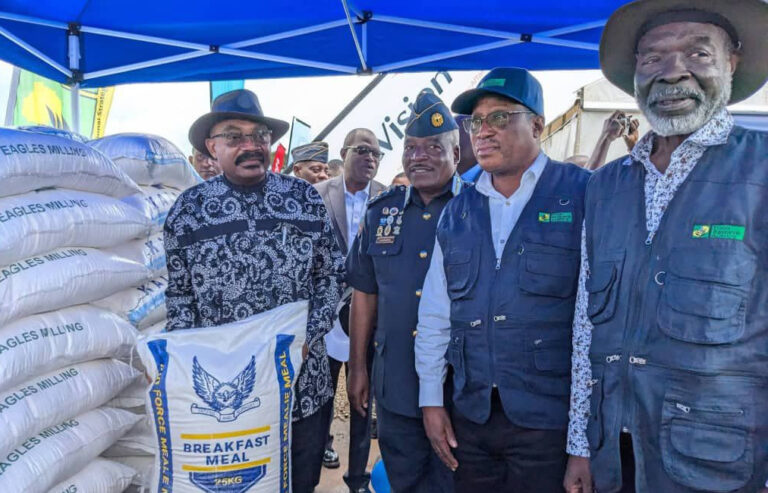
The Zambia Air Force (ZAF) has officially launched its own mealie-meal brand, Zambia Air Force Mealie-Meal, under the Presidential Price Stabilisation Initiative.

The launch marks a new initiative aimed at contributing to national food supply and economic activity.

Ambrose Lufuma unveiled the brand during the opening of the ZAF Expo held at Peter Zuze Air Force Base in Ndola.

Speaking at the event, Lufuma said the initiative demonstrates the Air Force’s commitment to supporting national development beyond its core defence mandate.

“The newly introduced ZAF Mealie-Meal is currently selling at K230 per 25 kilogramme bag and is expected to provide an affordable option for households while also strengthening the Air Force’s participation in productive ventures,” he said.

He added that the initiative is aimed at improving access to affordable mealie-meal for members of the public while supporting national food security efforts.

Meanwhile, Oscar Nyoni said the project will help make the staple food more affordable for ordinary citizens.

Nyoni explained that the 2026 ZAF Expo and Marathon aims to raise K6 million to rehabilitate the Mitanda building for the elderly and the School of Special Needs Children in Ndola District.

Speaking at the same event, Suresh Desai said the Food Reserve Agency will continue supporting ZAF with access to maize from national reserves.

Earlier, diamond sponsors Mopani Copper Mines and Access Bank pledged continued support to future Air Force initiatives aimed at promoting socio-economic development.

Government calls for transparent procurement systems

3

 Ministry of Infrastructure and Urban Development Permanent Secretary Albert Malama has called for strong and transparent procurement systems to support national development and ensure value for public investments.

Mr Malama notes that the government remains committed to strengthening procurement processes to ensure infrastructure projects are delivered on time, within budget and of quality.

He noted that the government continues to prioritise infrastructure development as a key driver of economic growth and national transformation.

 The PS was speaking during a meeting of procurement professionals organised by the Zambia Institute of Purchasing and Supply (ZIPS) held in Lusaka.

Mr Malama welcomed the platform created by Zambia Institute of Purchasing and Supply, which brings together Heads of Procurement, Heads of Stores and other practitioners to deliberate on key issues shaping the profession in Zambia.

He explained that projects such as roads, railways, public buildings, water systems, and logistics infrastructure require robust procurement systems to guarantee accountability and efficiency in the use of public resources.

“Every procurement decision you make has implications for national development, fiscal discipline and service delivery to our people,” he said.

Mr Malama stated that procurement professionals carry a major responsibility in ensuring that public investments achieve value for money while safeguarding integrity and public trust in government systems.

He also called for stronger collaboration between the public and private sectors, noting that effective procurement systems help create a predictable and transparent environment that encourages private sector participation, investment, and development.

Mr Malama further emphasised the importance of integrity and accountability in procurement, stating that the government is committed to strengthening systems that promote transparency and reduce opportunities for malpractice.

Surge in Murder Cases worries police in North-western province

2

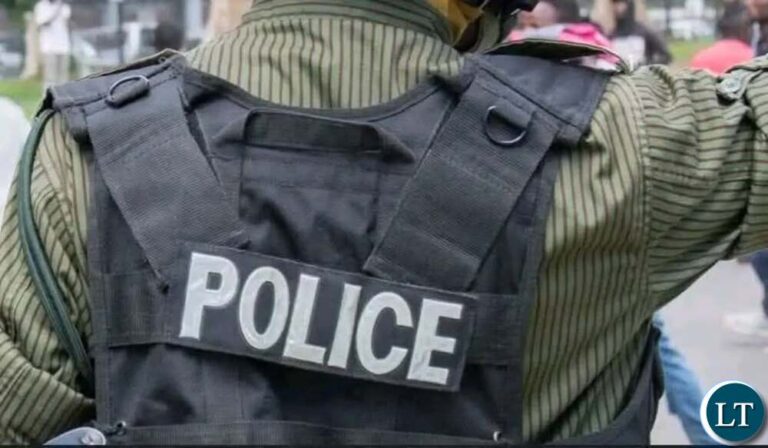
North-Western Province Commissioner of Police Brighton Siwale has disclosed that the province has recorded an increase in murder cases, many of which are linked to the practice of moving coffins locally known as Kikondo.

Mr Siwale said a total of 67 murder cases were recorded in 2025 compared to 48 cases reported in 2024.

Speaking in an interview with the Zambia News and Information Services in Solwezi, Mr. Siwale said murder cases have devastating consequences not only for offenders but also for families and communities.

He noted that some of the incidents have resulted in the loss of innocent lives.

Mr Siwale has since appealed to members of the public to report suspicious activities in their communities and refrain from taking the law into their own hands.

“As police, we will not fold our arms and watch people take the law into their hands. We shall deal with offenders according to the law,” he warned, while cautioning would-be offenders against engaging in mob justice.

The Commissioner further called on traditional leaders and other civic leaders to intensify community sensitisation on the role of the Zambia Police Service in handling criminal matters.

Meanwhile, Mr Siwale expressed concern over the rising number of road traffic accidents involving motorists and motorbike riders in the province.

He disclosed that 2,025 road traffic accidents involving motorists were recorded in 2025, resulting in 256 deaths, compared to 1,744 accidents and 207 deaths recorded in 2024.

For motorbike riders, the province recorded 58 accidents in 2025 compared to 37 cases in 2024.

Mr Siwale said police have since intensified patrols across stations in the province to engage motorists and motorbike riders on road safety and curb reckless road use.

ChingolaChingola Man Found Hanging After Allegedly Killing Ex-Wife and 8-Year-Old Son

0
A 42-year-old man of Chingola has been found hanging lifeless from a tree after allegedly taking the life of his ex-wife and their eight-year-old son.

The boy, identified as Salifya Sinkala, a Grade Two pupil, was reportedly stabbed multiple times in the throat.

According to police, Frank Sinkala, 42, of Nchanga North had been on the run after allegedly killing his former wife, Chomba Chanda, 40, of Chiwempala Township on March 4, 2026.

It is alleged that after committing the act, Sinkala went to Chiwempala Township where his son was staying with his mother, picked him up and took him to an unknown location. The bodies of both the father and son were later discovered on March 6, 2026.

Copperbelt Province Police Commanding Officer Mwala Yuyi confirmed the incident in a statement, saying it occurred between March 4, 2026 around 06:00 hours and March 6, 2026 around 05:30 hours.

“Brief facts of the matter are that on March 6, 2026 at around 05:00 hours, the reporter, a 22-year-old man, went jogging behind the Nchanga Rangers stadium and while jogging, he came across the dead body of a boy lying on the ground in a pool of blood,” Yuyi said.

He said the man immediately reported the matter to Derricky Chiludika Police Post.

Police officers who visited the scene found the boy’s body lying on the ground facing upwards. A physical inspection revealed cuts on the neck, swelling at the back of the head and bruises on the body.

Officers also recovered several items from the scene, including a brown cap, a bunch of keys, a blue bag, a knife, a brown face towel, black small plastic slippers and a small notebook containing the names of the deceased boy, his father and five different phone numbers.

During a further search of the area, officers discovered Sinkala hanging from a tree using a blue rope approximately three metres away from his son.

Yuyi said police also observed blood stains on the father’s hands, forehead and on the brown hood he was wearing.

The bodies of the father and son were later picked up and deposited at Ncha

National Heart Hospital records 136 successful open-heart surgeries

The National Heart Hospital (NHH) has successfully conducted 136 open-heart surgeries, marking a significant milestone in Zambia’s efforts to strengthen specialised cardiac care in the country.

Of the surgeries performed, 81 were conducted on adults while 55 were on children.

 The media reports that speaking during a media briefing in Lusaka, NHH Senior Medical Superintendent Chabwela Shumba says the achievement has been made possible through various initiatives, including the Bilateral Adult Open-Heart Surgery Mission Camp 2026.

Dr Shumba explained that the programme has particularly focused on treating patients suffering from Rheumatic Heart Disease (RHD), which remains one of the leading causes of death among young adults in Zambia.

He noted that in the past, most open heart surgeries were conducted outside the country, but the situation has now changed as the National Heart Hospital continues to build local capacity.

“Open-heart surgeries were mostly done outside the country, but today the narrative has changed,” he said.

Dr Shumba further revealed that the hospital is currently hosting a team of surgeons from the University of Michigan Health Frankel Cardiovascular Center, who have supported the local team in providing life saving surgeries to patients suffering from severe rheumatic heart disease.

He disclosed that the visiting team has attended to 10 patients, with nine already undergoing successful surgeries and currently recovering in the Intensive Care Unit (ICU).

Dr Shumba added that the hospital is targeting to conduct at least 150 adult open-heart surgeries in 2026 as part of efforts to reduce the backlog of patients awaiting life-saving surgical treatment.

Meanwhile, University of Michigan Cardiac Surgeon Nicholas Teman expressed gratitude for the opportunity to support cardiac care services in Zambia, describing the collaboration as important in saving lives.

And two patients who recently underwent surgery have expressed gratitude to the medical team for the successful procedures.

Jerry Phiri said he had been experiencing severe pain prior to the operation but is now recovering well.

Another patient, Imasiku Mangala from Western Province, said she is relieved after the surgery as she is no longer experiencing pain and is now able to sleep peacefully.

Meanwhile, partners from the University of Michigan have donated critical medical supplies to the National Heart Hospital to support cardiac surgeries.

The donated equipment includes heart valves, oxygenators, surgical consumables and one heart-lung machine essential for performing open-heart surgeries and the medical supplies are valued at over K2 million.

Kafue set for polio awareness campaign

0

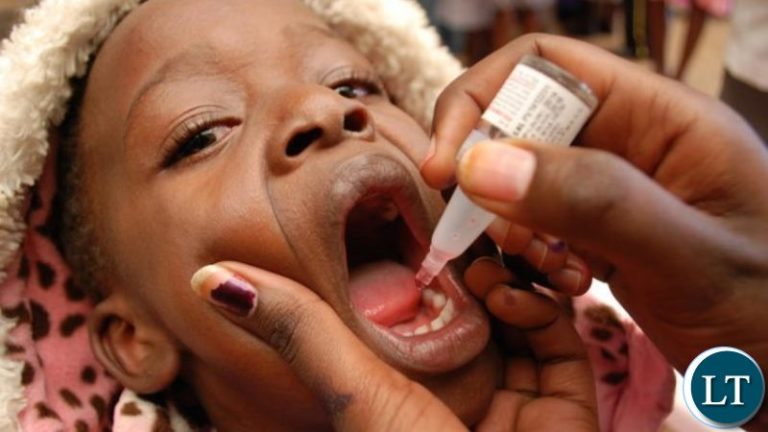
Kafue District is set to embark on a polio awareness campaign ahead of the planned polio vaccination exercise schedule for 24 to 27 March, 2026.

Kafue District Health Director, Sydney Hamusonde noted that the planned vaccination targets children under the age of five.

Dr Hamusonde stated that the vaccination campaign will particularly focus on high-risk areas to ensure optimal population immunity and prevent further transmission of the virus.

“This month, as the Ministry of Health, we are embarking on the oral polio campaign awareness ahead of the planned vaccination campaign, targeting children under five years of age,” said Dr Hamusonde.

Dr Hamusonde said the awareness campaign will involve community sensitisation through health workers, community volunteers and local leaders, in order to encourage parents and guardians to take their children for vaccination.

“We want to ensure that all parents and guardians understand the importance of the polio vaccine and make their children available during the vaccination exercise,” he said.

He added that the vaccination response will include the use of the Novel Oral Polio Vaccine type 2.

He explained that the oral polio vaccine is safe and effective in protecting children from the disease, which can cause lifelong paralysis.

“Polio is a preventable disease and vaccination remains the most effective way of protecting children from the virus,” Dr Hamusonde said.

Dr Hamusonde further urged parents and guardians in the district to cooperate with health officials during the campaign.

“We are calling on all parents and guardians to ensure that every child under the age of five is vaccinated so that we can protect our communities and keep our children safe,” he said.

President Hichilema extols young people

0

President Hakainde Hichilema says young people remain a key driver of the country’s economic transformation agenda, adding that government is determined to support their ambitions so that they can realise their full potential.

President Hichilema noted that youths should be regarded as leaders of today rather than tomorrow, stressing the importance of continued government interventions aimed at improving their livelihoods.

Speaking during the 2026 National Youth Indaba in Lusaka today, the Head of State encouraged young people to take an active role in contributing to the country’s development.

He stated that government has created an enabling environment for young people to innovate and start business ventures at a young age.

“Indeed we have taken the interest of the youths as central to the development and leadership of the country,” he said.

The President further explained that the time has come for young people to demonstrate patriotism by promoting the country through entrepreneurship and contributing to Zambia’s prosperity.

“This 2026 national youth Indaba is the time to reflect as the country to empower youths with entrepreneurship, to this end, your government has made a decision to ensure 20 percent of loans in institutions such as CEEC goes to youths,” he said.

Mr Hichilema urged youths to utilise their youthful years responsibly by investing within the country rather than seeking opportunities abroad.

He said there was no logic for young people to spend time working in countries such as America when they can build and invest in Zambia and across Africa.

The President added that government continues to invest in the youth through the provision of quality education, describing education as the best equaliser and a critical investment.

He disclosed that government has proposed to turn the free education policy into law in order to guarantee its sustainability.

Mr Hichilema further said government has resolved to expand internship programmes across ministries and quasi-government institutions so that more youths can gain work experience and eventually secure employment.

And the President announced that government will appoint focal persons at constituency level to help young people access Constituency Development Fund (CDF) resources and other social safety nets.

He explained that the initiative is meant to ensure that more youths benefit from CDF and establish businesses that contribute to the country’s economic transformation.

The Head of State also clarified that most of the jobs created in sectors such as education, health and defence have largely benefited young people.

He further urged youths to exercise their democratic rights responsibly by voting wisely in the forthcoming general elections scheduled for August.

The President has also urged youths to respect elders and uphold high moral principles.

On the issue of Bill Seven and the recent constitutional amendment, the President said the reforms will lead to an increased representation of youths, women and persons with disabilities in Parliament.

“So be assured that because of the constitutional amendments we undertook, I can assure you that more seats will be created in Parliament,” he said.

Meanwhile, Minister of Youth, Sport and Arts Elvis Nkandu commended President Hichilema for consistently engaging young people on matters affecting them.

Mr Nkandu said government, through his ministry, remains committed to rolling out empowerment and entrepreneurship programmes for youths.

He added that since the UPND administration came into power, government has been providing skills development opportunities and scholarships to young people.

The minister further revealed that his ministry has secured hectares of land in several parts of the country to enable young people to venture into agricultural activities.

And Minister of Technology and Science Felix Mutati said his ministry is working closely with the Ministry of Youth, Sport and Arts to promote digital innovation among young people.

Earlier, United Nations Resident Coordinator in Zambia Beatrice Mutali reaffirmed the UN’s continued collaboration with the Zambian government in implementing youth mentorship programmes.

In a vote of thanks,  United Nations youth Ambassador, James Muleya commended government for engaging youths on matters of national development.

Day old baby girl dumped, rescued in Chililabombwe

0

A day-old baby girl has been rescued after being dumped in the Kasumbalesa area of Chililabombwe District.

The infant was discovered on March 1, 2026, wrapped in a plastic bag with the placenta still attached.

The   baby was found around 07:00 hours by a woman who was passing by the area.

Acting Officer-in-Charge at Kakoso Level One Hospital, Mercy Kambo, confirmed that the hospital received the baby girl, who weighed 2.4 kilograms upon admission.

Ms Kambo said the baby was found with the placenta still attached and that medical staff quickly attended to her and managed to stabilise her condition.

She added that the baby experienced a high temperature during the night and was placed on antibiotics.

“The baby girl is currently under hospital care,” she said.

Ms. Kambo added that the child was feeding well and remained in stable condition.

Chililabombwe District Social Welfare Officer, Pauline Mulenga, confirmed that the office was  aware of the baby and that she was  is under their care.