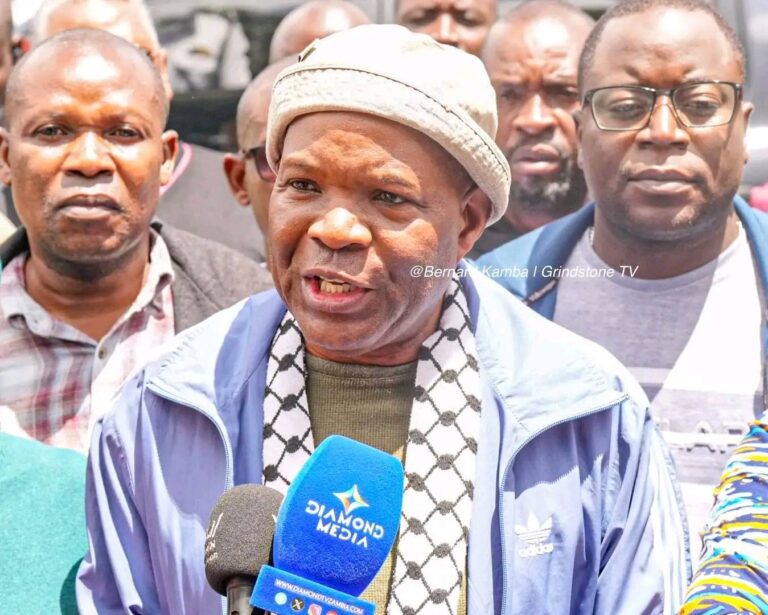
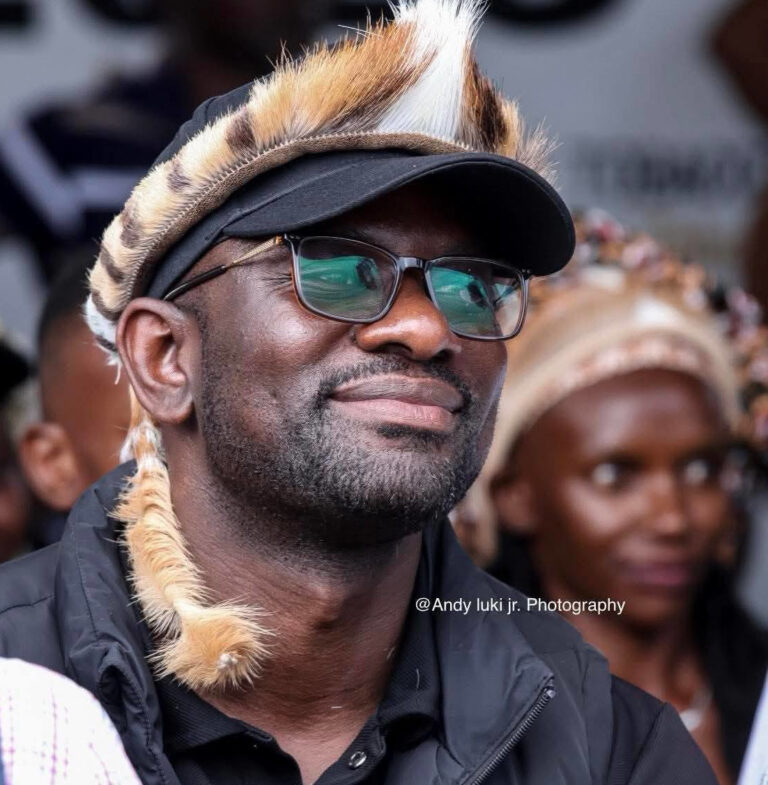
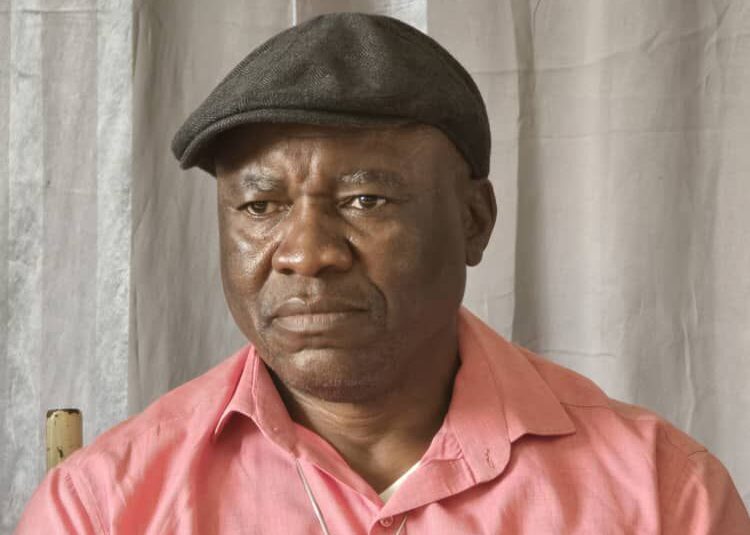
In politics, the most persuasive signals sometimes emerge from the least expected places. That moment has unfolded this week on the Facebook page of Emmanuel Mwamba, a prominent critic of President Hakainde Hichilema and a figure widely associated with opposition political circles.
Mwamba posed a straightforward question to his followers: “If elections were held today, who would you vote for?” Four names appeared in the poll: President Hakainde Hichilema, Tonse Alliance faction leader and Mporokoso Member of Parliament Brian Mundubile, presidential aspirant Makebi Zulu, and Citizens First president Harry Kalaba.
What followed quickly drew attention across Zambia’s political online space.
Within roughly twenty-four hours, thousands of users had participated. As the poll remains open and is scheduled to close today at 20:00 hours, the figures visible on the page show President Hichilema holding a commanding lead with about 21,000 votes.
His closest competitor, Brian Mundubile, has recorded around 11,000 votes, while Makebi Zulu has approximately 7,200 votes and Harry Kalaba trails with about 1,600 votes.
In percentage terms, the numbers place Hichilema slightly above the 50 percent mark, at roughly 52 percent of the total votes cast so far. Mundubile stands near 27 percent, Zulu around 18 percent, and Kalaba roughly 4 percent.
The figures alone tell a striking story. Yet the setting of the poll makes the outcome even more notable.
This is not a poll organised on a platform sympathetic to the ruling administration. It is hosted on the page of one of the president’s most outspoken critics. Many observers would have expected such an environment to favour opposition figures.
Instead, the opposite has unfolded.
Among those who have chosen to participate, President Hichilema has emerged as the clear favourite with more than half of the votes cast, maintaining a lead of about 10,000 votes over his closest rival. That gap translates into a margin of more than twenty percentage points.
Several users quickly pointed to the political significance of that outcome. They noted that the audience participating in the poll largely consists of followers of Emmanuel Mwamba, a page widely perceived to attract audiences sympathetic to the Patriotic Front and other opposition figures.
Yet even within that environment, the president remains firmly ahead.
One user captured that sentiment in a comment that circulated widely across the thread:
“Note that people voting here are just people who follow Emmanuel Mwamba so they are mostly PF inclined, but HH is still winning. Imagine if it was a neutral page.”
That observation has become a central point in the discussion surrounding the poll.
Some commentators argue that if the same poll were conducted on an independent platform without any perceived political leaning, the president’s margin could appear even stronger given the broader mix of participants that would likely be involved.
As the vote moves toward its scheduled 20:00 hours close today, the numbers visible so far point strongly in one direction.
With more than half of the votes already in his column and a margin that places him nearly double ahead of his nearest competitor, the trajectory of the poll suggests that President Hakainde Hichilema is heading toward an outright victory once voting concludes.
Online polls do not replace elections or scientific surveys. Participation depends on who follows a particular page and who chooses to vote.
Yet they often reveal the intensity of political sentiment within active digital communities.
On this occasion, the signal has come from a platform widely associated with criticism of the government. And as the poll enters its final hours, the numbers still place President Hakainde Hichilema firmly at the top of the field with a clear majority of votes cast so far.