Monday, June 8, 2026
16.8 C
Lusaka
Home Blog Page 135

President Hichilema wins kudos over school feeding programme

0

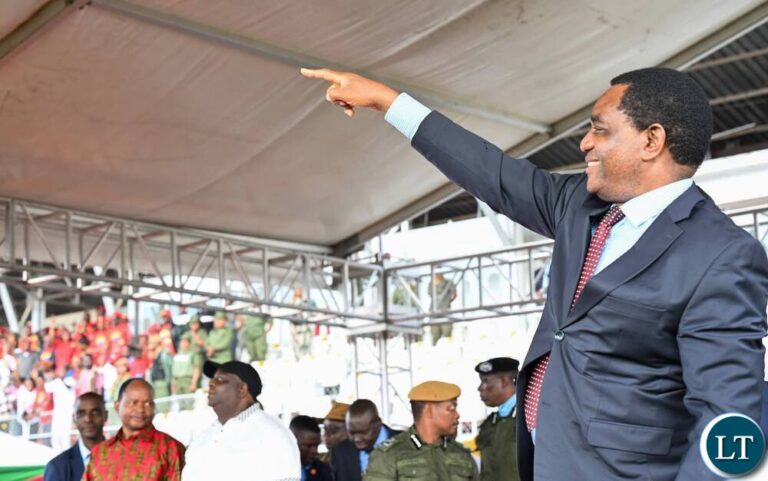
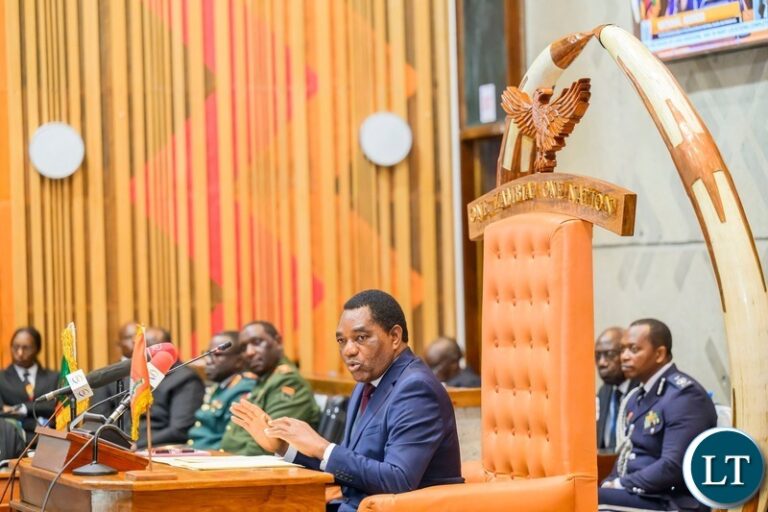
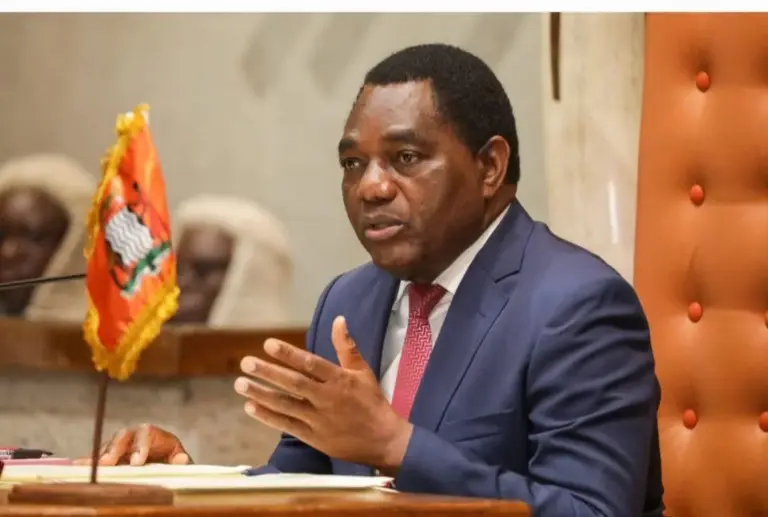
President Hakainde Hichilema says the government is shifting education from a social to an economic sector in order to grow and sustain the country’s treasury income.

President Hichilema explained that this is being achieved through the promotion of inclusive education through strategies such as free education, construction of classrooms, and the school feeding programme, which is now benefitting about four million learners countrywide.

He noted that the programme is also providing a market for small scale farmers’ farm produce.

The President was speaking during the implementation of the School Feeding Programme at Kabulonga Boys Secondary school in Lusaka today.

“We have to grow the economy, so we can then extract resources to support these programmes. And no one should be left behind. Inequity is not acceptable,” the President stressed.

President Hichilema has since directed the Ministry of Education to coordinate with the Ministry of Agriculture in providing structured information on food consumed under the school feeding programme, in order to link farmer production with demand.

Earlier, President Hichilema, who also participated in serving lunch to learners at Kabulonga Boys Secondary school, observed that some pupils do not have proper plates.

He has, in his individual capacity, pledged to provide feeding utensils for learners at Kabulonga Boys Secondary school, to ensure equality among them.

The Head of State also reiterated his administration’s resolve to prioritise education, further revealing that the number of teachers recruited in the last four and half-years will be nearing 48,000 by the end of this year.

And speaking on behalf of cooperating partners, World Food Programme (WFP) Country Director, Cissy Kabasuuga commended President Hichilema for his visionary leadership and commitment to investing in the welfare of children.

Ms Kabasuuga also praised the Zambian government, describing the country as a shining example in Africa for placing school feeding and free education at the heart of its national development agenda.

She noted the remarkable achievement of 2.6 million children returning to school following the introduction of the free education policy, stressing that education and nutrition are inseparable pillars of national progress.

She further extolled the government’s growing budget allocation towards the programme, saying it is a sign of strong national ownership and sustainability.

Ms Kabasuuga has since reaffirmed WFP’s commitment to supporting the government as it scales up the School Feeding Programme, to ensure the initiative remains sustainable in the drive toward achieving zero hunger among learners.

“I end by reiterating WFP’s commitment to supporting your government as it continues to scale up the Home-Grown School Meals Programme and working toward achieving Zero Hunger. We will continue to work with the Ministry of Education, all partners, and stakeholders to ensure this programme remains strong, resilient, and sustainable,” Ms Kabasuuga assured.

And in a vote of thanks, Elijah Jere, a grade 12 learner at Kabulonga Boys Secondary school, thanked the government for the school feeding programme and other initiatives aimed at promoting inclusive education.

“Because of the School Feeding Programme, we no longer have to worry about missing classes in an event where there’s no food at home,” he stated.

Hakainde Hichilema Endorsed by Copperbelt Students for 2026 Polls

10

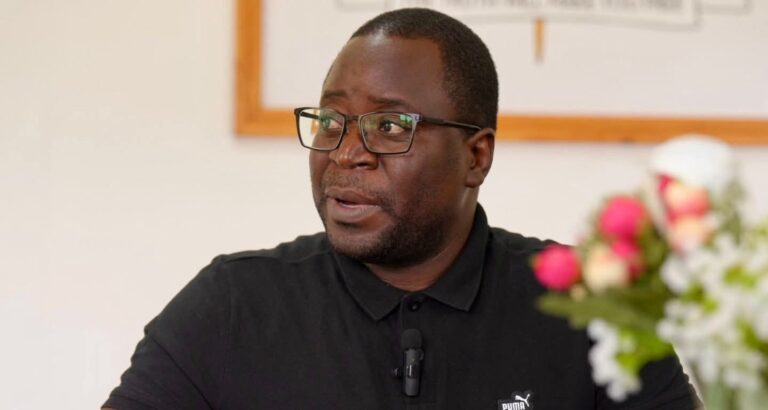
Students from various higher learning institutions on the Copperbelt have endorsed President Hakainde Hichilema as their preferred candidate in the August 13, 2026 general election.

The endorsement was made during the Copperbelt Students Meet and Greet the President event held at Arthur Davies Stadium in Kitwe.

National Council of Students Union (NACOSU) vice president Lloyd Nsonge told the Head of State that students across the province had resolved to back him due to the progress recorded in the education sector.

Nsonge emphasised the need for students to rally behind President Hichilema in the forthcoming elections, citing reforms and increased support to learners.

Students who spoke during the event thanked government for achievements in the education sector and questioned why the President should not be given another mandate to continue ongoing programmes.

“We are grateful to the UPND government for initiatives such as meal allowances, scholarships, and the provision of free education,” said Given Chipewo, president of the Copperbelt University Students Union.

Meanwhile, Regina Mwaanga, vice president of the Mukuba University Students Union, thanked the President for ensuring that the girl child is fully considered in education policies.

Accepting the endorsement, President Hichilema said he was overwhelmed by the show of support from the students.

He reiterated that government places high priority on improving the education sector, describing it as the backbone of the economy.

“We will continue prioritising the plight of students in all our higher learning institutions across the country for a better future and results,” he said.

Several Cabinet ministers, Members of Parliament from the province and other senior government officials also attended the interaction meeting.

 Makebi Zulu Campaign Visit Sparks Rift in Patriotic Front Luapula Leadership

2
A campaign visit by lawyer Makebi Zulu has triggered tensions within the Patriotic Front (PF) in Luapula Province, with provincial leaders accusing him of disregarding party structures.

PF Luapula provincial chairperson Francis Musunga said district chairpersons in the province have refused to meet Zulu and his team, opting instead to back his rival, Brian Mundubile.

According to Musunga, Zulu and his team initially informed the provincial leadership that they intended to campaign in all 12 districts of Luapula Province. However, they later opted to visit only selected districts, citing logistical challenges in covering the entire province.

The move reportedly did not sit well with district leaders, who argued that selectively engaging districts risked creating divisions in a province that traditionally operates in unity.

“When I reported to my District Chairmen in the province, they did not accept the plan of meeting some districts and leaving others out, especially since Luapula Province always moves as one. In addition, all districts in the province have already decided to support Hon. Brian Mutayalwa Mundubile,” Musunga said.

“As a result, the chairmen decided not to meet Hon. Makebi Zulu and his team. When I reported back to MZ and his team that the district chairmen had refused to meet them, they didn’t take it well and started to intimidate me, saying I needed to be replaced as Provincial Chairman,” he added.

Musunga described the alleged threats as evidence that Zulu’s team lacks a unifying spirit within the party.

“I am not happy and cannot tolerate the intimidation from members of the team who accompanied PF presidential aspirant Hon. Makebi Zulu when they visited Luapula to campaign ahead of the forthcoming party convention to elect the Party President,” he said.

He maintained that decisions at provincial level are made in consultation with district chairpersons.

“As someone overseeing the provincial structures, I make decisions in consultation with the district chairmen; this is not a one-man show. The districts gave me the mandate to be PF Provincial Chairman in February 2021, and I work hand in hand with them in unity,” Musunga said.

He further advised Zulu to embrace unity with other presidential contenders to strengthen the party ahead of future elections against the United Party for National Development (UPND).

Musunga also noted that following the tenure of late former president Edgar Lungu, who hailed from Eastern Province, some party members believe it may be time to consider a candidate from another region.

Citing the alleged intimidation, Musunga announced that he has stepped down as PF Luapula provincial chairperson and will now focus fully on supporting Mundubile.

Speeding Motorbike Kills 4-Year-Old Girl in Eastern Province

2

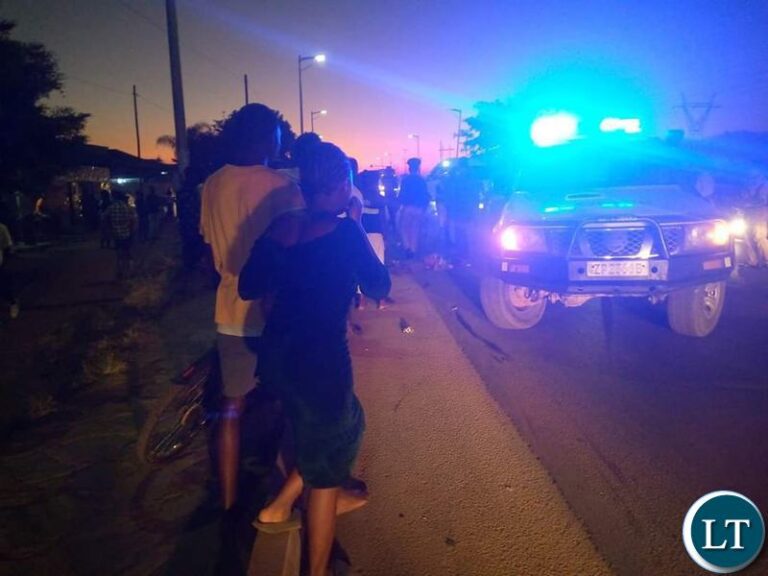
A 30-year-old motorbike rider has been arrested after allegedly causing the death of a four-year-old girl in a road accident in Eastern Province.

The incident occurred yesterday around 17:30 hours in Msuzi area, about eight kilometres south of Lundazi along the Chipata–Lundazi Road.

Confirming the accident, Eastern Province Police Commissioner Robertson Mweemba identified the deceased as Martha Mbewe of Katambalala Village in Chief Kapichila’s area.

Mr Mweemba said the child sustained fractured legs and a deep cut on the forehead after being struck by the speeding motorbike and later succumbed to her injuries.

“The accident involved an unregistered Savaja motorbike which was being ridden by 30-year-old Stacio Tembo of Eluhangeni Village in Chief Pikamalaza’s area,” he said.

Police explained that the rider, who was travelling from Lundazi towards Lumezi, allegedly lost control of the motorbike due to excessive speed and hit the child, who was walking with her 17-year-old aunt, Elizabeth Nyirenda. The aunt escaped unhurt.

“The rider also escaped without injuries but has since been detained and charged with causing death by dangerous riding,” Mr Mweemba added.

The suspect is currently being held at Lundazi Police Station.

Meanwhile, police have appealed to motorists and motorbike riders to observe road safety regulations and avoid overspeeding, warning that reckless riding continues to cost innocent lives.

ECZ deploys 54 Voter Education Facilitators in Mongu, Nalikwanda

0

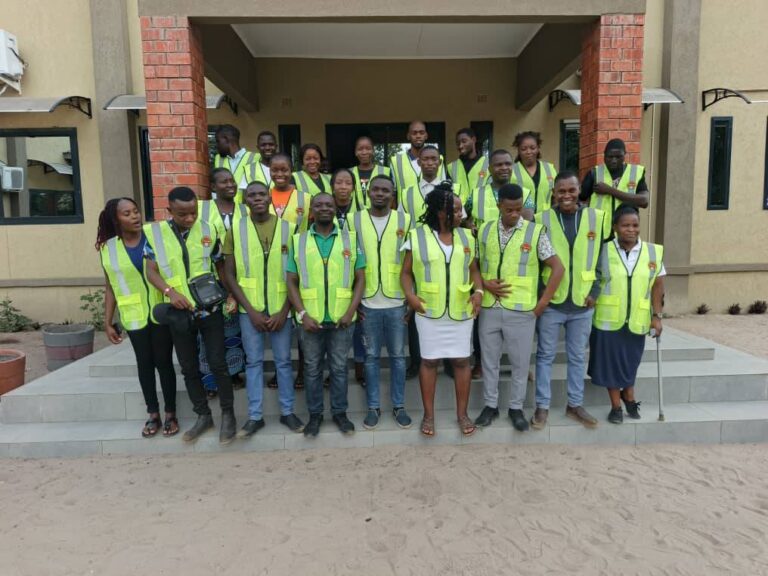
The Electoral Commission of Zambia (ECZ) has deployed a total of 54 Voter Education Facilitators (VEFs) in Mongu Central and Nalikwanda constituencies ahead of the inspection of the Provisional Register of Voters.

The media reports that this was after undergoing a two – day training on the Inspection of the Provisional Register of Voters held in the Mongu Municipal Council Chamber in Mongu District of Western province.

The Electoral Commission of Zambia (ECZ) Acting Manager Elections, Mata Sikota said the activities are aimed at sensitising members of the public on the importance of verifying their details during the inspection period.

“This two-day training of both District Voter Educations Committee Members (DVEC) and Voter Education Facilitators (VEFs) is to equip them with necessary skills in order to effectively deliver and encourage eligible voters out there to verify their details in the Provisional Register of Voters ahead of the August 13, 2026 General Elections. The exercise is being conducted in line with the Commission’s mandate to ensure that the voters’ register is accurate and up to date,” he said.

Mr Sikota said the voter education programmes will be conducted through various platforms, including community meetings, public address systems, distribution of informational materials and engagement with local leaders.

He also added that other platforms where eligible voters can verify their details are online services by dialing *214#, which will commence on February 22 to March 08 2026, while the physical inspection will start on March 02 to 08 2026 in all the polling stations in the country.

Mr Sikota has however, implored both DVEC members and the VEFs to exhibit professionalism during the sensitisation activities of requesting the registered voters to verify their details in the Provisional Register of Voters in all the 27 wards in Mongu District.

“The Commission is urging all registered voters in the two constituencies to take part in the inspection exercise and verify their details within the stipulated period’’, he said.

The activities have also included VEFs drawn from the Zambia Agency for Persons with Disabilities (ZAPD), in an effort to ensure inclusivity and equal participation of persons with disabilities in the electoral process.

 And Pumulo Nalikena, a VEF from ZAPD has commended the Commission for including persons with disabilities in the sensitisation of eligible voters to verify their details in the district.

She said the involvement of ZAPD facilitators will help address accessibility concerns and promote awareness among persons with disabilities on the verification process in the district.

Meanwhile, Mongu District Voter Education Coordinator, Abigail Sitenge has urged all the deployed 54 VEFs to work hard so that a target of 100 percent is achieved for all the registered voters in the two constituencies in the district.

Ms Sitenge has called on all registered voters in the two constituencies to take advantage of the inspection period and confirm their details and report any anomalies to electoral officials adding that the Commission reaffirms its commitment to conducting a credible and transparent electoral process through active citizen participation.

In Mongu Central Constituency, voter education teams have been dispatched across different wards to provide guidance on the inspection process, including how voters can confirm their personal details and report any anomalies.

Similarly, in Nalikwanda Constituency, the Commission has rolled out sensitisation programmes targeting eligible voters to ensure maximum participation during the inspection of the provisional register.

The inspection of the Provisional Register of Voters is a critical step in the electoral process as it enhances transparency, credibility and public confidence in the electoral system.

Mongu’s Level One Hospital complete, courtesy of President Hichilema

9

The people of Kalangu Community of Mongu District in Western Province, are set to receive a landmark healthcare upgrade with a Level One Hospital which has been completed courtesy of President Hakainde Hichilema.

The newly completed hospital along the Mongu-Limulunga Road was constructed using the President’s charitable initiatives.

The media reports that speaking during the inspection of the works, Minister of Infrastructure, Housing and Urban Development, Charles Milupi said the site holds historical significance, as the location was where President Hakainde Hichilema was arrested and charged for treason.

“This place holds great significance for the people of Kalangu and nearby communities. It’s the very spot where a traffic offense led to a treason case, and President Hakainde Hichilema, then in opposition, was imprisoned. The traditional leadership of Kalangu responded by offering President Hichilema land and appointing him headman. Instead of using it for personal gain, President Hichilema chose to build this wonderful medical facility to benefit the community,’ ’he said.

Mr Milupi indicated that the hospital will improve healthcare access and reduce travel time to distant facilities.

“ The nearest hospital here is Lewanika General Hospital, so this means a lot for the people of Malengwa, Katoya, Mabumbu, and to some extent, even the people of Limulunga, and then to the eastern direction, the people of Ngonga, Mawawa, Sopu, and maybe even Kande; they will then have an excellent facility,” he said.

And, Provincial Health Director Samutumwa Njekwa said the province is very happy to receive such a modern facility which will be operating as a Level One Hospital.

Dr Njekwa explained that once operational, the hospital will help decongest Lewanika Hospital which is usually congested due to the population that has increased.

“We are very happy to receive this facility that has been gifted to us by the Republican President Hakainde Hichilema. This facility will operate as a Level One Hospital; it will help decongest Lewanika, as you may be aware Lewanika is over a century old and the population has grown over the years. It’s quite congested, so this is a very important addition to us. We are ready to start operating; this facility will be handed over to us this coming Monday,” said Dr Njekwa.

Meanwhile, Site Manager Bob Hachongo, said the hospital is 99% complete with minor works remaining such as landscaping and a few paintings outside.

“The works that are remaining are landscaping and some minor painting outside; otherwise, the hospital is complete. I can say it’s 99% done,” he said.

Parents, guardians urged to lead youths Church- PPDF Director

0

Acting Director for the Public Private Dialogue Forum (PPDF), Jacqueline Chishimba has urged parents and guardians in the country to embrace youths and lead them to the word of God, in order to keep them from bad vices.

Ms Chishimba notes that the Church plays an important role in shaping youths into responsible citizens, through its teachings that promote good values and morals.

The media reports that she was speaking during the Girls’ Brigade Enrollment Worship Service, at the Redeemed Methodist Church, Trinity Congregation, in Lusaka.

Ms Chishimba has since commended the Girls’ Brigade for playing a role in promoting good character and values in young people and producing responsible members in society.

“If we had more programmes like the Girls’ and Boys’ Brigade countrywide, I don’t think we would have the problem of Junkies”, Ms Chishimba said.

Speaking earlier, a leader of the Girls’ Brigade, Lieutenant Matilda Mumbai explained that through its four – fold approach which focuses on Spiritual, Service, Education and Physical development, the Programme plays a critical role in keeping girls from bad vices.

She has since called on parents to support not just girls, but also boys engaged in the Programme.

“A lot is going on in the world. We need to keep children in church where they’ll learn good values”, she stressed.

Haimbe in Nakonde ahead of bilateral meeting on Tunduma/Nakonde Border Post

1

Minister of Foreign Affairs and International Cooperation Mulambo Haimbe has arrived in Nakonde District of Muchinga Province ahead of a bilateral meeting with his counterpart from the Republic of Tanzania, Minister of Foreign Affairs and East African Cooperation Ambassador Mahmoud Thabit Kombo on the Tunduma/Nakonde One Stop Border Post set for today February 23rd, 2026.

The media reports that Mr Haimbe who was welcomed by officials at Nakonde District Administration this afternoon, called for more collaboration between the Republic of Tanzania and Zambia.

Mr Haimbe stated that the trade between Zambia and Tanzania through the Tunduma/Nakonde One Stop Border Post cannot be over emphasised as it also calls for improvement at all levels.

He said there is need for improvements in the operations of the border as technology keeps improving at any time.

Mr Haimbe noted that the goal of the government is to have no One Stop Border Post as it is currently prevailing with technology allowing in future.

He further stated that tomorrow’s bilateral meeting with his counterpart from the Republic of Tanzania will highlight a number of issues among them to smoothen the operations at the border.

Mr Haimbe stated that President Hakainde Hichilema always emphasises the importance of trade as it is at the centre of his heart.

“We need to ensure that we fulfill the President’s call on trade in ensuring that we collaborate at District, Provincial and National level so that trade can be improved and achieved in this country,” He said.

And speaking earlier in his welcoming remarks Muchinga Province Permanent Secretary Reverend Mathews Chilekwa informed the Minister that all is set for the joint bilateral meeting.

Rev Chilekwa added that preparatory meetings have been taking place both at the Tanzanian and Zambian side to ensure a meeting is a success.

And Rev Chilekwa explained that currently Nakonde District is calm as no major incidents have been recorded.

Mr Haimbe and Ambassador Kombo, are tomorrow Monday, February 23, 2026 expected to have a joint bilateral meeting on the Tunduma/Nakonde One Stop Border Post.

According to the programme available to the Zambia News and Information Services (ZANIS) the two (2) Ministers will also inspect the operationalisation and infrastructure at the Tunduma/Nakonde One Stop Border Post before holding a bilateral meeting.

President Hichilema meets Copperbelt students

0

President Hakainde Hichilema has assured students across the country that the government will continue working closely with the youths for enhanced national development in the education sector.

President Hichilema says the Free Education Policy, increased bursaries, and the reinstatement of meal and accommodation allowances, demonstrates the government’s commitment towards ensuring that youths have access to quality education.

The media reports that the Head of State was speaking in Kitwe , during an interaction with students from more than 20 institutions on the Copperbelt Province.

President Hichilema noted that the government will continue improving infrastructure in schools, colleges and universities, as well as addressing accommodation challenges.

He further expressed gratitude to the students for the confidence they have shown in the government’s efforts to resolve challenges in the education sector.

And Students’ Union representatives from various universities have thanked the President for what they described as positive strides in the education sector, particularly the reinstatement of meal and accommodation allowances.

Copperbelt University Students’ Union President Given Chipewo said most colleges and universities have recorded an increase in the number of students benefiting from bursaries under the Constituency Development Funds (CDF).

Mr Chipewo noted that the government increased meal allowances from K1,000 to K4,000 to support students from vulnerable households.

He added that the Copperbelt University, which has been facing accommodation challenges, has witnessed significant infrastructure development, including the construction of a 1,000-capacity lecture theatre.

Mr Chipewo further stated that the province has experienced notable economic growth and commended President Hichilema for introducing initiatives such as Cash for Work aimed at supporting students and vulnerable citizens.

Meanwhile, Mukuba University Vice President Regina Mwanga also thanked President Hichilema for ensuring that meal allowance is reinstated.

Ms Mwanga said the meal allowances have helped students to uphold moral values and focus on school activities.

And Copperbelt Minister Elisha Matambo thanked the students for recognising the milestones the government has recorded in the education sector, and other areas of national developmen

The Diaspora calls for Continuity as Hichilema’s policies reshape Confidence Abroad

23

By Dr. Andrew Mwape, PhD — Secretary General, UPND USA/Canada Chapter
22 February 2026

Zambians living across North America and beyond often judge leadership through a different lens. Distance sharpens attention on policy outcomes rather than political theatre — the ease of investing back home, the security felt by relatives, and the respect attached to the Zambian identity in international spaces. From this vantage point, many within diaspora communities view President Hakainde Hichilema’s tenure as a turning point that has restored stability and renewed engagement with the country.

Dr. Andrew Mwape, Secretary General of the UPND USA/Canada Chapter, frames the current moment as one shaped by economic recovery, expanded social programmes and renewed investor confidence. Writing from within diaspora leadership structures, he describes a shift from hesitation to renewed pride among Zambians abroad.

Economic standing and global credibility

Diaspora professionals have long measured Zambia’s progress through its reputation in global financial circles. According to Mwape, years marked by debt distress and declining investor trust once made many Zambians reluctant to attach their professional identities to their homeland. He argues that the current administration has repositioned Zambia internationally, stabilising key economic indicators and rebuilding confidence among investors and development partners.

Within diaspora networks, he says, conversations about Zambia increasingly reflect optimism rather than concern, with some Africans from neighbouring countries expressing admiration for the country’s perceived recovery. That renewed confidence, he notes, has encouraged greater participation in investment and business initiatives linked to Zambia.

Social policies easing diaspora burdens

For many families abroad, remittances have served as an essential safety net. Mwape credits policies such as free education, expanded Constituency Development Fund (CDF) bursaries and skills training programmes with reducing financial strain on diaspora households that previously covered school fees and healthcare costs.

He describes these initiatives as a shift from dependence toward empowerment, allowing diaspora members to redirect resources into long-term investments, property development and entrepreneurship. Government recruitment drives for teachers, nurses and other civil servants are also presented as evidence of broader economic circulation, placing stable incomes into communities and strengthening domestic resilience.

Peace and political openness

Beyond economics, Mwape places strong emphasis on political climate. He recalls periods when diaspora voices felt cautious about returning home or speaking openly during election cycles. In his assessment, the current environment is calmer and more tolerant, creating a sense of reassurance for Zambians travelling back from abroad.

He links this atmosphere to renewed engagement between diaspora communities and local institutions, describing it as a restoration of personal connection to the country rather than a distant relationship shaped by uncertainty.

Investment pathways tailored to citizens abroad

Another area highlighted by diaspora advocates is the emergence of dollar-based investment opportunities. Mwape points to initiatives such as the NAPSA Zambia Kuchalo wealth creation fund, which allows Zambians overseas to co-invest in national development projects while earning returns denominated in foreign currency.

For diaspora investors, this represents a significant departure from earlier options limited largely to kwacha-denominated instruments. Supporters argue that such facilities reduce exposure to currency volatility while encouraging participation in domestic economic growth.

Market confidence and oversubscribed bonds

Mwape cites strong demand for Zambian government bonds as a signal of renewed international trust. Oversubscription, where investors offer more capital than requested, is presented as evidence that global markets view Zambia’s fiscal management more favourably. For diaspora communities watching from abroad, these developments serve as a barometer of stability and a measure of whether the country is perceived as a reliable partner in international finance.

A narrative shaped by diaspora experience

The perspective outlined by Mwape reflects a wider sentiment among supporters who credit President Hichilema with restoring national pride and credibility. He frames the administration’s policies as catalysts that have strengthened economic prospects, eased social pressures on families abroad and encouraged greater engagement between Zambia and its global citizens.

From this viewpoint, the diaspora’s call for continuity stems from lived experience — measured through remittance patterns, investment confidence and the emotional connection to home. For many of those watching Zambia’s trajectory from overseas, the question of leadership is tied directly to whether recent gains in stability and opportunity can be sustained.

President Hichilema’s extradition threat: Will it silence criticism?

19

By Venus N Msyani

Zambians in the diaspora, especially those who openly criticize the government of President Hakainde Hichilema, now find themselves in a difficult position. Should they continue speaking out, or should they slow down as the president has advised?

The dilemma follows a recent warning from President Hichilema that his administration is considering the extradition of government critics living abroad.

Addressing Parliament on February 20, 2026, during a presentation on the progress made in applying National Values and Principles, President Hichilema revealed that his government is exploring ways to bring back Zambians in the diaspora who, in his view, are spreading harmful content about the country.

Hichilema argued that some individuals are hiding in foreign nations while using social media to push what he described as hate speech, lies, and narratives that create an impression of instability in Zambia, an impression he believes undermines investor confidence.

“We are working on it, slowly, we are working on it. Slowly but sure. Slowly but sure. Slowly but surely, because our country’s interest comes first,” he said, emphasizing the point by repeating the phrase several times. His message was clear: the government is prepared to act.

“You cannot have personal interest perched somewhere outside of our jurisdiction, and you are sending falsehoods and allowing our children to consume hate messages. It is not right. We must all work together on this issue,” he added. Turning to Speaker Nelly Mutti, he clarified, “Madam Speaker, all I am saying is slow down.”

The intention behind this warning is not difficult to interpret. It appears aimed at instilling fear among critics abroad. Yet historically, such threats have rarely succeeded in silencing dissent in Zambia. If anything, they have often produced the opposite effect; motivating even more criticism.

A similar situation unfolded in 2017. At the height of criticism directed at the Patriotic Front (PF) government, largely triggered by the prolonged detention of then-opposition leader Hakainde Hichilema, the PF administration issued a comparable threat.

In July of that year, Vice President Inonge Mutukwa Wina announced in Parliament that the government had engaged Interpol and other international security agencies to explore the extradition of Zambians in the diaspora who were allegedly harming the country through social media.

The intention was unmistakable: to intimidate critics. But instead of reducing criticism, the announcement intensified it. The pressure grew so strong that the government eventually released Hichilema the following month. This historical precedent raises an important question: could President Hichilema’s own threat now trigger a similar backlash?

The likelihood is high. When a government begins recycling old tactics in an attempt to maintain control, criticism tends to increase rather than diminish. Moreover, Zambia is in an election year; a period when every administration traditionally attempts to improve conditions to win public favor.

Trying to use short-term improvements to overshadow the public’s experience over the past four years is unlikely to succeed, especially among Zambians in the diaspora who are generally well-informed and not easily swayed.

Indeed, several positive developments have emerged recently: prices have begun to fall, the kwacha is appreciating, and power supply has returned to near-normal levels after years of severe load shedding. But such improvements are not unusual during election seasons.

In 1991, for example, the ruling UNIP government went as far as distributing free mealie meal for several weeks in an attempt to regain public support.

Zambians abroad understand the difference between criticism and insult. They are exposed to diverse political environments and are not easily intimidated. Many are likely to view the president’s warning as an attempt to suppress legitimate concerns rather than a genuine effort to protect national interests.

If voters are allowed to judge the administration based on their full experience over the past four years, rather than on last-minute improvements, the president faces a difficult challenge. This may explain why he has resorted to issuing threats.

So, will the extradition warning stop criticism? Based on Zambia’s political history, the answer leans strongly toward no. Instead of silencing dissent, the threat may energize critics in the diaspora and amplify the very voices the government hopes to quiet.

Rodney Sikumba bags international conservation award

12

Zambia’s Minister of Tourism, Rodney Sikumba, has been recognised by Safari Club International (SCI) as the 2026 International Legislator of the Year, a distinction highlighting his role in promoting sustainable-use conservation and wildlife policy on the global stage.

The award was presented during an SCI gathering where organisers cited Sikumba’s advocacy for science-based wildlife management, habitat protection, and policies linking conservation to community livelihoods. In the citation, SCI described Zambia’s approach as one anchored in governance, local participation, and responsible use of natural resources.

During his acceptance remarks, Sikumba framed the honour as both personal and national, speaking as a life member of the organisation and as a representative of Zambia’s conservation agenda. He told delegates that conservation in Zambia is not symbolic but tied to survival, stewardship, and responsibility, pointing to the country’s diverse ecosystems and wildlife populations as assets that require balanced management.

He said Zambia’s conservation strategy seeks to protect wildlife while ensuring benefits reach communities living near national parks and game management areas, stressing that policies succeed when people see value in preserving natural heritage. The minister also referenced the government’s commitment to sustainable tourism and wildlife protection under President Hakainde Hichilema.

Sikumba acknowledged the Department of National Parks and Wildlife, outfitters, rural communities, and international partners, describing the award as recognition of collective effort rather than individual achievement. He added that Zambia would continue promoting conservation models that combine ecological protection with economic opportunity through regulated hunting, tourism, and community-based initiatives.

Safari Club International’s legislator award is given to policymakers whose work influences conservation frameworks beyond their own countries. Sikumba’s role as Chair of the UN Tourism Regional Commission for Africa was also cited as a factor in advancing Southern Africa’s sustainable-use model within international tourism and wildlife discussions.

Closing his remarks, the minister said the recognition would serve as motivation for continued collaboration and partnership, positioning Zambia as a contributor to global conservation debates while maintaining a focus on local development and wildlife protection.

The Vision That Is Rebuilding Zambia’s Future

16

By Magret Mwanza

President Hakainde Hichilema’s recent address to Parliament was a defining moment of leadership clarity. It was not a ceremonial speech. It was a progress report from a President determined to rebuild a nation that had been pushed to the brink by years of economic recklessness and institutional decay. His message was clear and uncompromising. Zambia is no longer drifting. Zambia is recovering. Zambia is advancing.

In his address, President Hichilema reaffirmed that economic transformation remains the central pillar of his administration. He highlighted that economic growth has rebounded significantly since 2021, while Zambia has successfully restructured the overwhelming majority of its external debt.

This achievement alone has restored confidence among investors and cooperating partners who had lost trust in Zambia’s financial credibility. This is not theoretical progress. It is measurable recovery. The President further emphasized reforms in key sectors such as mining, agriculture, manufacturing and tourism. These sectors are not accidental priorities.

They are the engines of job creation and national prosperity. Zambia’s economic future lies in production, value addition and industrialization. President Hichilema understands that a country cannot consume its way to prosperity. It must produce its way there.

One of the most powerful pillars of his vision remains human development. Free education has returned millions of children to school, restoring hope and opportunity to families that had been excluded by poverty.

This single policy will shape Zambia’s future workforce and strengthen the country’s long-term economic foundation. At the same time, the recruitment of thousands of teachers and continued investment in skills development demonstrates a government investing not only in today’s stability but in tomorrow’s prosperity. Equally significant was his firm commitment to governance, accountability and the rule of law. President Hichilema made it clear that Zambia’s future cannot be built on corruption and political impunity.

It must be built on discipline, transparency and institutional integrity. This is the foundation upon which serious nations rise. What distinguishes President Hichilema’s leadership is not rhetoric but direction. He is not governing for applause. He is governing for results. He has restored credibility to government, confidence to investors and hope to citizens. He has replaced chaos with order and uncertainty with purpose.

Zambia today stands at a decisive turning point. The damage of the past cannot be erased overnight, but the path forward is now clear. Under President Hakainde Hichilema’s leadership, Zambia is stabilizing, rebuilding and positioning itself for long-term prosperity. This is what vision looks like. And this is what responsible leadership delivers.

Polio virus type 2 detected in Lusaka -Government announces

1

Acting Minister of Health, Cornelius Mweetwa, has announced that a polio virus has been detected in the environment in Lusaka.

Mr Mweetwa, who is also Minister of Information and Media, says the laboratory analysis confirmed the presence of poliovirus type 2 from an environmental sample collected in Lusaka through routine surveillance systems.

He, however, states that currently there are no confirmed cases of paralysis linked to the detection.

The Minister has further highlighted that the isolate detected case in Lusaka closely matches strains previously identified in Namibia and linked to Angola, stating that the Southern Africa sub-region remains on high alert following recent isolations.

Mr Mweetwa has since cautioned that the presence of the virus in the environment indicates active circulation within the community and requires immediate action to prevent possible infections, particularly among children.

The media reports that speaking at a press briefing in Lusaka today, Mr Mweetwa, indicated that the virus thrives in areas with poor sanitation, open defecation and inadequate access to clean drinking water.

He has assured that the Government, through the Ministry of Health, in collaboration with the Global Polio Eradication Initiative partners has activated its emergency response.

Mr Mweetwa stated that measures being implemented include intensified surveillance to identify any cases of Acute Flaccid Paralysis (AFP), enhanced environmental sampling, and strengthened risk communication to raise awareness about the importance of polio vaccination.

He reiterated the Ministry’s commitment to safeguarding the health of all Zambians and called for collective action to prevent the spread of polio and protect the future of the children.

Meanwhile, World Health Organisation Country Representative, Dr Clement Lamusa, stated that his organisation and other partners in the Global Polio Eradication Initiative, working alongside UNICEF and other stakeholders, stand ready to support the government in mounting an immediate and effective response to the circulating vaccine-derived poliovirus.

Chinese business firm fined K15,000 as 90 households warned

3

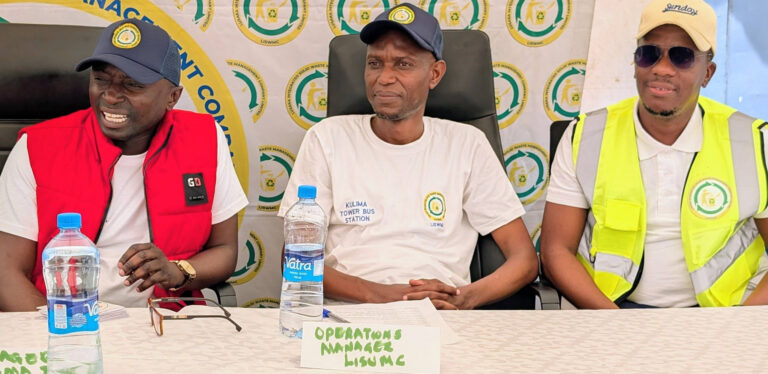
The Lusaka Integrated Solid Waste Management Company (LISWMC) Enforcement Officers have intensified countrywide compliance checks where it is handing out 90 warning notices in Zone 63.

The media reports that company Public Relations Officer, Sirre Muntanga in a statement availed today, disclosed that the operations team spotted the site as a ‘mini dump site’ on a Chinese shop – Love of Home premises, a commercial premise where they slapped a K15,000 for illegal dumping solid waste.

Ms Muntanga said this in pursuant in breach of sanitation bylaws, and imposed a K15,000 fine for illegal accumulation of solid waste and creation of an unauthorised dump site.

She explained that during a large-scale exercise in Chainda’s Zone 63 carried out in partnership with CBE, a local Business Partner, officers inspected 90 residential premises and found widespread non‑participation in formal waste collection services.

Ms Muntanga said in a separate routine inspection along Great East Road in PHI, the teams visited a Chinese shop – Love of Home premises where they discovered an accumulation of allegedly solid waste deposited directly on the ground.

She described the operation as smooth and successful in line with the enforcement’s mandate.

Ms Muntanga said the measures reflect a zero‑tolerance approach to illegal dumping as the city moves to strengthen public health and cleanliness.

“LISWMC’s action underscores ongoing efforts to enforce sanitation regulations and to compel both households and businesses to use licensed waste service providers’’, she said.

Ms Muntanga noted that failure to comply with the warnings and fines may result in further penalties or legal proceedings,” she warned.

She further said 90 households were issued warning notices and given a three‑day ultimatum in which to subscribe to an official service provider or face legal action.

The PRO vowed that these actions signal a zero-tolerance approach to illegal dumping in strengthening public health and cleanliness that is required in the City.