Monday, June 8, 2026
14.8 C
Lusaka
Home Blog Page 139

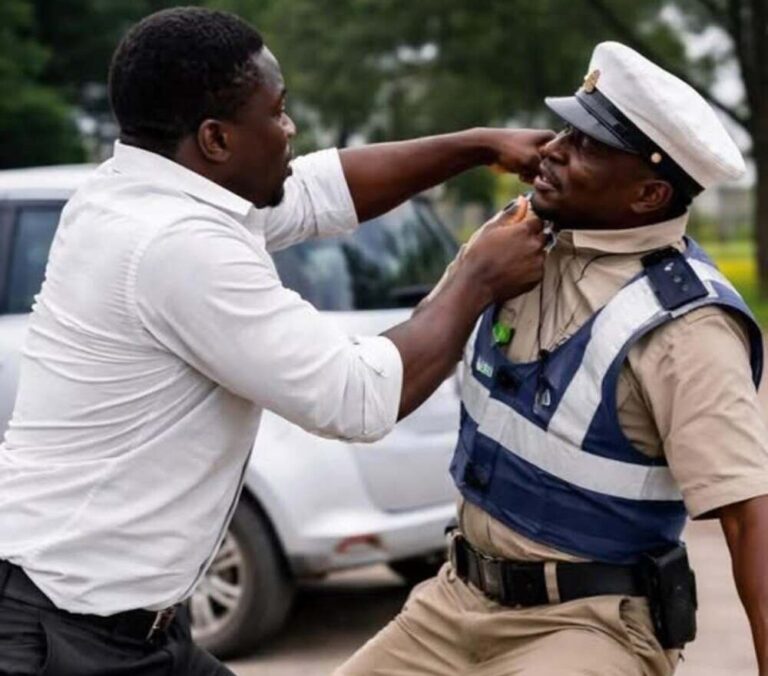
Ndola Traffic Police Officer assaulted-Yuyi

2

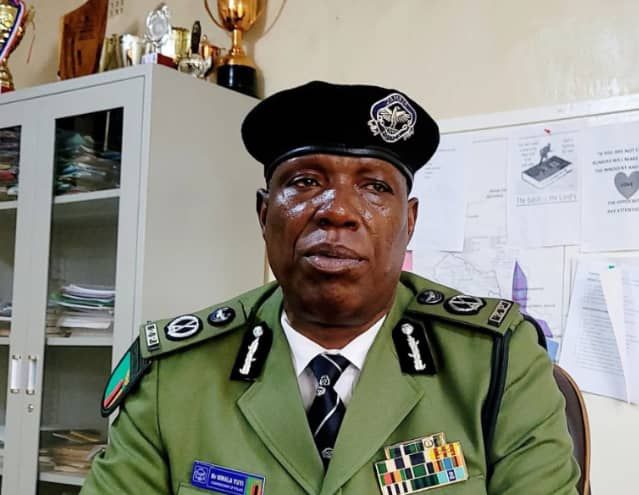
Copperbelt Province Police Commissioner Mwala Yuyi has confirmed the assault of a Traffic Police Officer by a Clinical Officer from Ndola Teaching Hospital.

‎The media reports that Mr Yuyi noted that the incident occurred in the early hours of today around 10:15 hours along the Ndola–Kitwe dual carriageway.

‎He identified the assaulted victim as Constable George Ilyamupu, aged 31 of Peter Singongo Police Camp and the suspect as Emmanuel Njovu, aged 32.

‎Mr Yuyi explained that the officer had stopped a Toyota Ractis registration number BCG 4472 for allegedly failing to obey traffic signs.

‎He indicated that however, when the officer attempted to enforce the traffic regulations, the driver reportedly became violent and allegedly assaulted the officer with fists and kicks.

‎Mr Yuyi further explained that the officer sustained general body pains and was later rescued by members of the public.

‎The Police Commissioner stated that the suspect has been arrested, and the vehicle has been impounded.

‎Mr Yuyi has since urged members of the public to respect law enforcement officers as they will continue conducting traffic management duties with or without roadblocks.

‎He warned that any form of assault on police officers will not be condoned and advised the public to avoid taking the law into their own hands.

The decline in Zambia’s CPI reveals that arrests alone can’t win the fight against corruption

1

By Venus N Msyani

The latest Corruption Perceptions Index (CPI) report by Transparency International Zambia (TIZ) for 2025 has sparked important national debate, and rightly so. Corruption remains one of the most serious threats to democracy, and identifying weaknesses in governance is not only necessary but healthy for Zambia’s democratic development.

Any report touching on corruption deserves careful, critical analysis, and it is encouraging to see the 2025 CPI being examined with that level of seriousness.

One key takeaway, which has not been emphasized enough, is that the TIZ report indirectly highlights the urgent need for elected public leaders to annually declare their assets and liabilities. Without this level of transparency, the fight against corruption risks losing credibility, regardless of how many arrests or convictions are recorded.

A deeper reading of the report suggests that had President Hakainde Hichilema embraced annual asset declaration, the narrative surrounding his anti‑corruption agenda might look very different today.

Corruption and economic hardship were among the major issues that propelled voters to support Hichilema in 2021. Throughout his campaign, he consistently linked the two, arguing that corruption was draining national resources and undermining economic growth. He promised that fighting corruption would be central to Zambia’s economic transformation, and that recovering stolen assets was essential to reviving the country’s struggling economy.

This message resonated strongly with the public, especially amid widespread reports of sudden wealth and large sums of money allegedly involved in corruption scandals among senior government officials at the time. Failing to act on these promises would have amounted to political self‑sabotage.

Upon assuming office, President Hichilema moved quickly. He prioritized asset recovery and oversaw the establishment of the Financial and Economic Crimes Court in January 2022. This ushered in a surge of arrests and convictions related to corruption, signaling a government eager to demonstrate action.

The CPI reflected this momentum. Sources show Zambia’s score improved steadily during the first three years of his presidency: In 2022, it scored 33/100. In 2023, the score rose to 37/100, and in 2024 to 39/100.

These gains occurred despite growing public calls for the President to demonstrate transparency by publicly declaring his assets and liabilities each year. For many citizens, the CPI improvements were confusing. Was progress in the fight against corruption simply a matter of increasing arrests and convictions?

The ruling United Party for National Development (UPND) often appeared to believe so. In 2022, the Anti‑Corruption Commission (ACC) recorded 71 arrests. In 2023, that number dropped to 38, nearly half. During the first quarter of 2024, only 12 arrests were recorded, projecting roughly 48 for the year. The decline seemed to unsettle the administration, culminating in the dismissal of the entire ACC board in July 2024.

Ironically, 2024 recorded the lowest number of arrests and convictions, yet the CPI score still rose to 39/100. This raised an important question: Are arrests and convictions truly the primary indicators of progress in combating corruption?

The 2025 CPI report complicates the picture even further. Zambia’s score dropped to 37/100, a two‑point decline from the previous year. The ACC recorded 38 arrests and 17 convictions in 2025; figures that neither fully support nor contradict the CPI trend. These mixed results make it even harder to determine whether the government’s approach is producing meaningful, sustainable progress.

What is clear, however, is that arrests and convictions alone do not define success in the fight against corruption. Other factors; public trust, political will, transparency, institutional independence, and accountability, are equally important. When these elements are weak or inconsistent, even strong enforcement efforts can lose legitimacy.

This is where the issue of asset declaration becomes critical. Had President Hichilema agreed to declare his assets annually, the narrative surrounding his anti‑corruption agenda might have been significantly different. Transparency and public trust remain missing elements in the government’s approach, and the TIZ report indirectly underscores this gap.

Arrests alone can’t win the fight against corruption. If Zambia is to make lasting progress against vice, asset declaration by elected leaders must become a non‑negotiable standard. It is not merely a bureaucratic exercise; it is a cornerstone of accountability, a safeguard against abuse of office, and a signal of genuine commitment to clean governance. Above all, it opens the door for public trust, an essential element in the fight against corruption.

President relieves Health and SME ministers of duties

19

President Hakainde Hichilema has removed Minister of Health Elijah Muchima and Minister of Small and Medium Enterprise Development Elias Mubanga from their positions with immediate effect.

The announcement came through an official State House press release issued in Lusaka on February 18, 2026. The communication stated that the decision was made in accordance with Article 116 (3) (a) of the Constitution of the Republic of Zambia, which allows the President to appoint and dismiss ministers.

No explanation or background was provided in the statement regarding the reasons for the removals. The notice only confirmed that both ministers had been relieved of their duties and that successors would be announced later.

State House conveyed appreciation to the two former ministers for their service to the government and wished them well in their future endeavours. The communication remained brief and procedural, focusing strictly on the constitutional action taken.

With the Health Ministry now without political leadership, administrative functions are expected to continue under senior civil service officials until a new minister is appointed. The same applies to the Small and Medium Enterprise Development Ministry, which oversees programmes supporting small businesses and entrepreneurship.

Cabinet changes fall under presidential authority and can be made at any time during a government’s tenure. The latest announcement confirms an immediate adjustment to the cabinet structure, leaving two key portfolios vacant for now.

Further details are expected once State House announces replacements.

Government Urges Charcoal Traders to Shift to Gas to Curb Deforestation

0

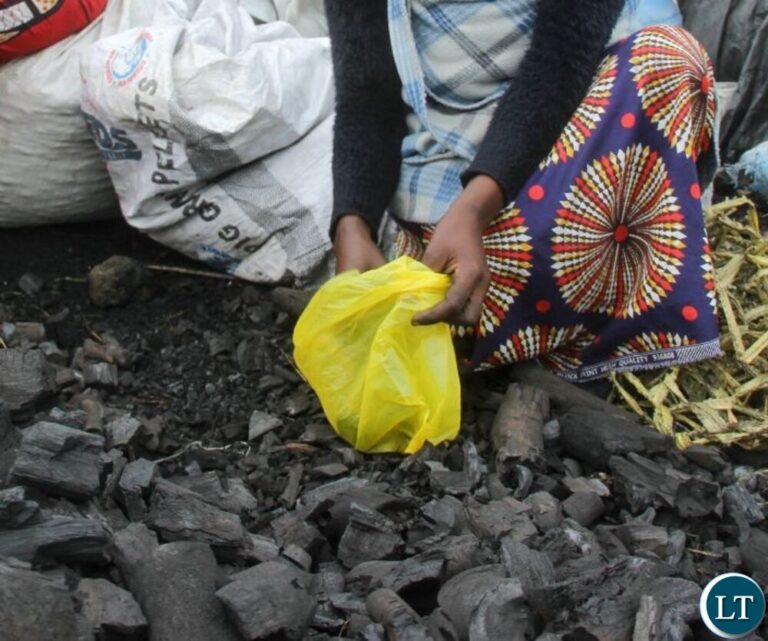
The Ministry of Green Economy and Environment has called on charcoal traders and producers to transition to the gas business, describing it as a cheaper, cleaner and safer alternative that can help reduce deforestation and lower household energy costs.

Charcoal trading remains a major economic activity in Zambia, reportedly contributing over three percent to the country’s GDP, according to the Center for International Forestry (CIFOR) Research. The sector provides employment to thousands of people and supplies more than 80 percent of household cooking energy demand.

In an interview with the media, Ministry Permanent Secretary John Chibamba said government is rolling out a community-based gas distribution model aimed at making liquefied petroleum gas (LPG) more accessible and affordable, particularly for low-income households.

Under the initiative, consumers will be able to purchase gas in small, flexible quantities — similar to how charcoal is sold.

“If you have a 10kg cylinder but only need gas worth K50, you’ll get exactly that. The idea is to make gas accessible to everyone, regardless of income,” Chibamba said.

The programme is being implemented in partnership with Linde Group and Afrox Zambia. It will establish community gas filling points within walking distance of residential areas, allowing households to refill cylinders conveniently, even outside standard business hours.

Chibamba said the decentralised approach is designed to reduce dependence on charcoal, which is a key driver of deforestation, particularly in rural areas supplying urban markets.

“If we kill the demand for charcoal in urban areas, rural producers will have no incentive to cut down trees,” he said.

On safety concerns, Chibamba assured the public that all users will undergo mandatory training on proper handling of gas cylinders and stoves before accessing the service.

“It’s safe, and measures are in place to make sure every user knows how to handle it,” he said.

The Permanent Secretary added that the ministry is also exploring solar energy solutions as alternative cooking and power options under the broader green economy strategy.

Responding to claims that gas is more expensive than charcoal, Chibamba dismissed the assertion.

“No, actually gas is cheaper than charcoal,” he said.

Mwala Yuyi Warns Crackdown on Unregistered Motorcycles in Copperbelt

1

Authorities on the Copperbelt have raised concern over the growing number of unregistered motorcycles operating across towns in the province, warning that the trend poses serious security and public safety risks.

Copperbelt Police Commanding Officer Mwala Yuyi told the media  that many of the motorcycles are being brought in from outside the country and are operating without proper documentation.

Yuyi said while motorcycles provide livelihood opportunities for many people, their unregulated growth has created compliance and safety challenges.

“Sneaking in or operating with an illegal vehicle or motorcycle is a serious offence,” Yuyi warned.

He explained that once law enforcement officers impound an unregistered motorcycle, the owner is taken to court and given up to 90 days to produce the required documents. Failure to do so results in the motorcycle being disposed of in accordance with the law.

The police chief added that authorities have continued to encourage motorcycle operators to register their bikes to make it easier to handle matters such as accidents and ownership disputes.

Yuyi noted that it becomes difficult to investigate accidents when motorcycles are not registered in anyone’s name, making it challenging to establish responsibility.

He further pointed out that compensating accident victims also becomes complicated under such circumstances, describing the situation as unfortunate.

The commanding officer urged individuals engaged in the motorcycle transport business to comply with the law to avoid facing legal consequences.

World Bank disburses K3.5 million grants to Kalabo CBEs

0

The World Bank, through the Ministry of Tourism, has disbursed K3.5 million to six Community-Based Entities (CBEs) in the Liuwa Tourism Development Area, supporting the Green, Resilient, and Transformational Tourism Development Project (TDP) in Kalabo District in Western Province.

Western Province Permanent Secretary, Simomo Akapelwa, handed over the cheques to members of the Liuwa tourism community and described the initiative as a strategic move to empower communities living in tourism destinations and protected areas.

Mr Akapelwa said the Nature-Based Partnership Matching Grant is specifically designed to enhance community participation in tourism development while promoting environmental sustainability.

He reaffirmed Government’s commitment to promoting tourism growth and strengthening wildlife conservation in Liuwa Plain National Park.

“The initiative aligns with the national tourism policy, which recognises tourism as a key driver of economic diversification, job creation and rural development,” Mr. Akapelwa said.

He added that community-led tourism ensures local people derive tangible economic, social and environmental benefits while also strengthening cultural heritage preservation.

Meanwhile, Kalabo District Commissioner Musangu Njamba emphasised that Government support is extended to all Zambians without discrimination based on tribe, education or political affiliation.

Mr Njamba urged residents of Liuwa Constituency to uphold wildlife conservation efforts in order to continue benefiting from government support.

And a representative of the Barotse Royal Establishment (BRE), Induna Mundandwe, expressed concern over the drastic decline in certain animal species in the national park due to increased poaching in recent years.

Induna Mundandwe attributed the situation to the proliferation of firearms that entered the area during the civil war in neighboring Angola, which he said made guns easily accessible and contributed to illegal hunting activities.

He called on communities surrounding the park to strengthen collaboration with African Parks to ensure enhanced protection of wildlife in the area.

The K3.5 million disbursed to the six community groups is expected to improve livelihoods and support sustainable tourism development, with additional beneficiaries anticipated in the second phase of the project.

Unidentified gunmen kill 49-year-old man of Manyinga

0

The Zambia Police in Manyinga District, Northwestern Province, have launched an investigation and a manhunt following the alleged shooting and murder of 49-year-old Njongo Muwema by unidentified individuals.

Provincial Police Commissioner Brighton Siwale confirmed the incident to the media today saying the incident occurred on February 15, 2026 around 01:00 hours in Chongo area of Manyinga District.

Mr Siwale said the deceased was reportedly shot by an unknown person using an unidentified firearm after he went outside to check on his grass thatched kitchen which had been discovered on fire.

“Manyinga Police Station received a report of the murder from Hilda Machayi, aged 47 who stated that her husband was outside the main house when the incident occurred,” he said.

The brief facts of the matter are that on February 14, 2026, around 22:00 hours the deceased, his wife and their family went to sleep leaving the thatched kitchen intact. In the early hours of February 15, 2026, the family reportedly heard voices from unknown individuals outside and later discovered that the kitchen was on fire.

Mr Siwale said upon noticing the fire, the deceased and his wife rushed outside to assess the situation and possibly extinguish the flames adding that while outside the wife reportedly heard a gunshot and saw her husband fall to the ground bleeding heavily from the left side of his body who immediately raised an alarm to alert the children.

Mr Siwale said police rushed to the scene where the body of the deceased was found lying face-up in a pool of blood with projectiles lodged in it and that the type of firearm used has not yet been established.

The police Chief said the motive for the killing remains unknown and no suspects have been apprehended so far while the body was deposited at Loloma Mission Hospital Mortuary, awaiting postmortem examination and burial arrangements.

Mr Siwale further said investigations were ongoing and members of the public with any information were urged to come forward to assist the police in bringing the perpetrators to justice.

Mpika DC urges stakeholders to finance women’s day events

1

Mpika District Commissioner David Siame has called on stakeholders to render financial support to the hosting of the National Women’s Day and other activities that promote the well-being of women.

The District Commissioner said this in an interview with the media in Mpika.

He said the International Women’s Day was a vital platform that must be supported as it promoted gender equality, women inclusiveness in key governance positions and raised awareness about the challenges woman faced in the country and across the global.

Mr Siame said there was need to pump in more resources to promote activities that support and enable more women become more economically independent and stable.

“Women are key in helping the country attain its development agenda,” he said.

The District Commissioner explained that Government will continue creating opportunities for women empowerment through the Department of Community Development and through Constituency Development Fund (CDF).

Mr Siame added that as government continued to support women, women must critically reflect on their obligations, responsibilities and contributions towards national development.

He stressed that there was need for all stakeholders to work extra hard and double their support for women empowerment programmes.

Meanwhile, Mpika District Young Woman Christian Association (YWCA) Coordinator Rosaria Kapota has urged the woman to invest their time and energy doing constructive things that will have a positive bearing in future.

Mrs Kapota said despite women being surrounded by a lot of challenges in the society, they must exercise self-discipline and refrain from all bad vices that may disadvantage and corrupt their morals.

“Discipline is very important for any person to succeed in life,” she said.

He pointed out that the country needed more women who think outside the box and find better solutions to the challenges they are currently facing.

Meanwhile Mary Bwalya a marketer at Musakanya market in Mpika District said, if adequately supported, women were a great agent of positive change.

This year’s International Women’s Day will take place on 8th March, 2026 under the theme: Rights, Justice, Action for All Women and Girls,”

North-western traditional leaders trained in sanitation management

1

Government has intensified its efforts to improve hygiene standards in North-western Province with over 50 village headmen and women in Senior Chief Ishindi’s chiefdom undergoing intensive training in sanitation management.

The training is a strategic measure to the official declaration of the chiefdom as an Open Defecation Free (ODF) zone aimed at eliminating waterborne diseases and enhancing the dignity of rural households.

Speaking during training held at Mukandakunda Palace North-western Province Water and Sanitation Coordinator, Chilala Samayuwa who was represented by senior water and Sanitation officer Abona Kakingwe stated that traditional leaders were cardinal in achieving the government’s vision of universal access to clean sanitation.

Mr Samayuwa noted that as custodians of tradition and local law, headmen were best positioned to influence behavioral change within their communities.

“Traditional leaders are the heartbeat of rural development. Without their active involvement, the transition from age-old practices to modern sanitary standards would remain a pipe dream,” Mr Samayuwa said.

Zambezi Town Council Water and Sanitation Coordinator Isabel Kalaluka said the local authority was ready to work with all stakeholders to ensure that the infrastructure being put in place met the required National standards.

She emphasised that the council will provide the necessary technical expertise to ensure that latrines and hand-washing facilities were both sustainable and climate-resilient.

Ms Kalaluka further observed that the council has integrated sanitation monitoring into its routine field inspections to prevent a slide back into old habits once the ODF status was granted.

She noted that the partnership with the Ishindi chiefdom served as a blueprint for other areas in Zambezi District to follow in the quest for a cleaner environment.

Meanwhile, Lunda Royal Establishment Prime Minister Jonas Katumoya welcomed the gesture by the government saying that it was the wish of the traditional leadership to collaborate with the state in solving the perennial challenges of poor sanitation and lack of clean water.

Mr Katumoya pointed out that the health of the subjects was a priority for Senior Chief Ishindi as a healthy workforce was essential for the economic productivity of the chiefdom.

He thanked the government for recognising the influential role of the traditional leaders in driving developmental agendas at the grassroots level.

“The Chiefdom is fully committed to this cause. We have already issued directives to all village headmen to ensure that every household has a functional pit latrine and a tippy-tap for handwashing. We believe that by working together we can banish cholera and other hygiene related ailments from our land forever,” Mr Katumoya added.

The chiefdom is set to be declared Open Defecation Free in April after meeting all the necessary parameters, which authorities say are currently at 65 percent completion.

Lusaka records seven new cholera cases

3

Lusaka District has recorded seven new cholera cases, with all patients currently admitted to various health facilities and no deaths reported.

The latest figure is as of February 16, 2026,

Lusaka Provincial Health Director Simulyamana Choonga disclosed that three of the new cases were recorded in Munali Township, three in Mandevu and one in Chawama.

Dr Choonga provided the update at his office when Water Aid Zambia donated chlorine and other logistics towards the cholera response aimed at combating the outbreak in Lusaka Province.

He said government was doing everything possible to curb the spread of the disease and reduce the number of cases.

Dr Choonga further called on more stakeholders to partner with government in the fight against cholera, noting that collective efforts were key to effectively managing the outbreak.

He thanked WaterAid Zambia for its continued support, describing the organisation as a long-standing cooperating partner in the water, sanitation and hygiene sector.

Meanwhile, WaterAid Zambia Head of Programmes Benard Moseti pledged continued support and strengthened partnership with government in responding to the cholera outbreak.

The donated items include 625 bottles of chlorine, 600 bottles of hand sanitiser, 500 bottles of liquid soap and 134 units of disinfectant.

JCI Zambia, NACOSU signs MoU

0

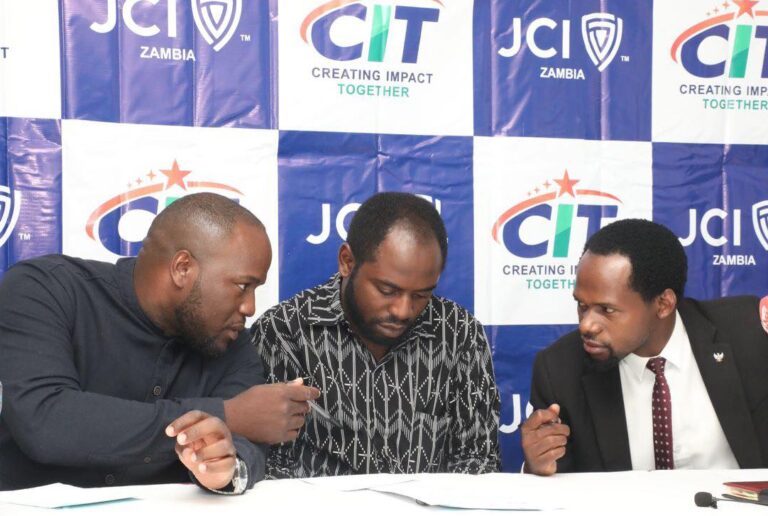
 Junior Chamber International (JCI) Zambia has signed a Memorandum of Understanding (MOU) with the National Council of Students Unions (NACOSU), aimed at equipping students with entrepreneurial and leadership skills to enable them contribute meaningfully to national development.

JCI Zambia National President, Sydney Ng’andu, says the partnership will focus on supporting students with viable business ideas and strengthening leadership development.

The media reports that speaking at the signing ceremony in Lusaka, Mr Ng’andu said the collaboration offers a valuable opportunity to nurture entrepreneurship and leadership among students.

He added that JCI prioritises individual development and business skills to help young people, especially students to make a positive impact in their communities after school.

Mr Ng’andu noted that while Zambia has immense potential among youths, progress can only be achieved through deliberate collaboration and investment in them.

He further stated that the MoU will also support innovation emerging from universities, guided by transparency, accountability and measurable outcomes.

HMr Ng’andu also emphasised that Zambia’s greatest asset is its human capital, particularly the energy, creativity and resilience of young people which, if well nurtured, can drive national transformation.

Meanwhile, NACOSU Chairman, Michelo Chizombe, described the partnership as a blueprint for meaningful youth inclusion in national affairs.

Mr Chizombe said students nationwide will benefit from the agreement, including participation in JCI’s international programmes such as cultural exchanges.

He added that the collaboration will support entrepreneurship initiatives that have a direct impact on students’ lives.

Mr Chizombe further noted that the partnership marks the beginning of a journey where young people actively participate in national matters and drive positive change, rather than remaining mere spectators.

JCI is a leading global youth organisation with a presence in many countries worldwide.

JICA, UNDP inject K10.8m for Meheba road construction

0

Kalumbila District Commissioner, Brenda Sankisa, has praised the Japan International Cooperation Agency (JICA), in partnership with the United Nations Development Programme (UNDP), for funding the construction of a 10.8-kilometre feeder road in Meheba Refugee Settlement.

Speaking during a monitoring visit to the site, Ms Sankisa said the new road, connecting Blocks G, H, and D, including the refugee settlement, will significantly improve access to markets and essential services for residents.

She praised the Zambia National Service (ZNS) for the quality of work and noted that the road has been completed and is awaiting commissioning.

“We are very happy with the quality of works that have been done on this feeder road. This project will greatly improve accessibility for our people here in Meheba. We are appealing for more support towards rehabilitating other roads that are still in a deplorable state so that development can reach all parts of the district,” she said.

Principal Resettlement Officer Paul Chisanga highlighted that the road will ease transportation challenges and enhance service delivery within the settlement.

He said the original plan covered a 30-kilometre stretch, while financial constraints limited construction to the 10.8-kilometre section.

“This stretch was particularly difficult for people trying to move from one block to another. The ZNS was contracted to complete this 10.8-kilometre section, meaning four settlement blocks, including the refugee area, are now connected,” he said.

Mr Chisanga emphasised that the improved road will facilitate easier movement for farmers, children attending school and patients accessing clinics.

He noted that the work began in October last year and was completed in December taking approximately three months.

North-western Region Road Development Agency (RDA) Engineer Contracts Chikosa Musonda said efforts were underway to source funds to complete the remaining sections of the road.

Meanwhile, The United Nations High Commissioner for Refugees (UNHCR), Meheba Refugee Settlement Field Officer Mofya Kaputa noted that the road will boost economic activity by allowing farmers to transport produce to markets more easily and at a lower cost, enhance food security and economic resilience among families in Meheba.

Ms Kaputa said the newly constructed feeder road marked a significant step in improving infrastructure and promoting development for both host communities and refugees in the settlement.

State House Defends Justice System Over Claims of Political Prisoners

6

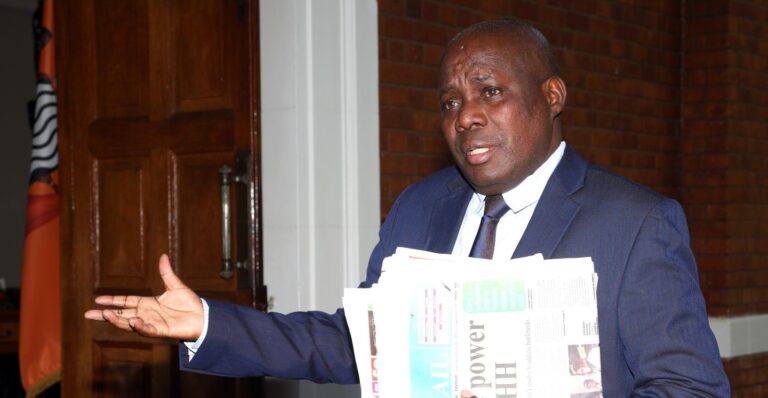
State House Chief Communications Specialist Clayson Hamasaka has defended Zambia’s justice system, stating that individuals currently serving prison sentences were convicted through lawful court processes rather than political targeting. His remarks come amid continued debate within the country’s political space over claims that some detainees are victims of political persecution.

Hamasaka emphasised that Zambia’s democratic framework is built on the independence of institutions responsible for investigations, prosecutions and judicial rulings. He said the government does not interfere with court decisions, arguing that legal outcomes are determined by evidence presented before the judiciary. The statement reflects a broader effort by the administration to counter narratives suggesting that detentions are politically motivated.

The issue of alleged political prisoners has become a recurring theme in opposition messaging. Some political figures claim that arrests linked to high-profile cases reflect selective enforcement of laws. Government allies, however, maintain that legal processes must be respected and that court rulings should not be reframed through partisan lenses. The exchange highlights how debates around justice often mirror wider political rivalry.

Public reaction has been divided. Supporters of the administration say the emphasis on rule of law demonstrates institutional strength, arguing that accountability must be pursued regardless of political affiliation. Critics, meanwhile, call for greater transparency in how investigations are conducted, insisting that public confidence depends on consistent application of legal standards.

The conversation has also drawn attention to the broader role of communication in governance. Statements from State House are intended to reassure citizens that legal institutions operate independently, particularly at a time when political discourse remains highly charged. By framing the issue around constitutional principles, officials aim to reinforce trust in established procedures.

Political analysts note that debates around detention and justice are common during election cycles, when rival groups seek to shape narratives about governance. Allegations and counter-allegations often reflect competing interpretations of legal outcomes rather than disputes over specific court judgments. In this context, Hamasaka’s remarks can be seen as part of a wider effort to stabilise public perception of institutional credibility.

Meanwhile, civil society organisations continue to advocate for balanced dialogue. Some groups emphasise the importance of protecting human rights while respecting judicial independence, urging leaders across the political spectrum to avoid language that could undermine confidence in the courts. Calls for responsible political communication highlight the delicate balance between freedom of expression and respect for legal processes.

The debate underscores how governance, law enforcement and political messaging intersect in Zambia’s evolving democratic landscape. While disagreements over interpretation persist, both government supporters and critics acknowledge that public trust in the justice system remains central to political stability.

Hamasaka’s statement therefore represents more than a single response to criticism; it reflects an ongoing contest over how legal outcomes are framed within national discourse. As political competition intensifies, discussions around justice and accountability are likely to remain prominent, shaping the narrative of governance in the lead-up to future elections.

When will Nora Häuptle join Zambia at COSAFA?

5

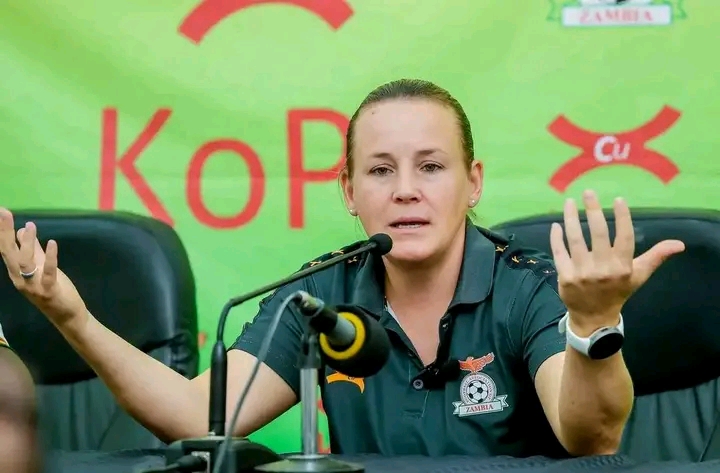
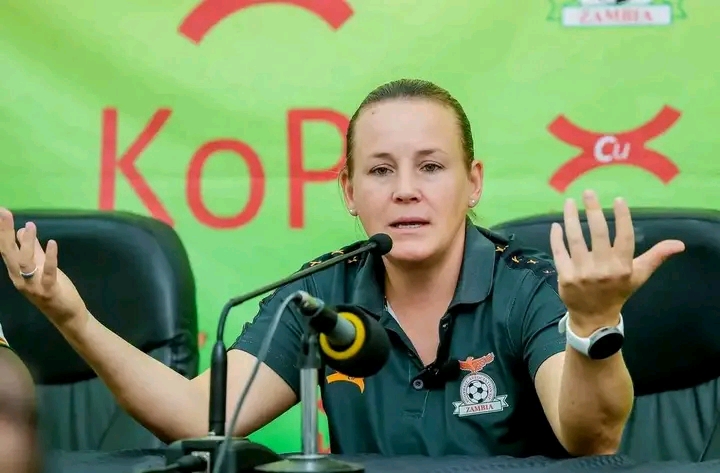
Uncertainty has surrounded the availability of Copper Queens coach Nora Häuptle as Zambia competes at the 2026 COSAFA Senior Women’s Championship in South Africa.

Zambia on Tuesday travelled to South Africa minus Häuptle with FAZ confirming that the coach is in her home country.

First Assistant Coach Charles Haalubono has taken charge of the team in an interim capacity.

“Nora is the head coach and she selected the team for this year’s regional tournament. She travelled back to her home base to attend an assignment and will join the team once she completes it,” FAZ General Secretary Machacha Shepande said.

Shepande said Haalubono will lead the technical bench during the opening phase of the tournament until Häuptle links up with the team in South Africa.

This is not the first time Häuptle is missing Copper Queens assignment.

Häuptle was absent two months ago when Zambia competed at the three nation tournament in Malawi after failing ill, according to FAZ.

Again Haalubono stepped in for her in Malawi.

Meanwhile, the team held its first training session in South Africa at the Old Peter Mokaba Stadium training pitch shortly after arriving in Polokwane.

Zambia is preparing for their Group B opener against Botswana to be played at Seshego Stadium on Thursday, 19th February 2026 at 15h00.

“This is very important for us because it is the tournament which is leading us to WAFCON; so it’s a big preparation stage for us,” said Haalubono.

“All we are doing is telling our players to play our game so that we keep our philosophy, continue with it and improve on it so that we go and use it at WAFCON and produce the desired results.”

“The junior players are coping well, the senior players have received them so well and they are feeling comfortable and I’m sure they have brought in positive energy,” he said.

Zambia head into the tournament as defending champions.

ECZ Chairperson Zaloumis Defends Delimitation Process

3

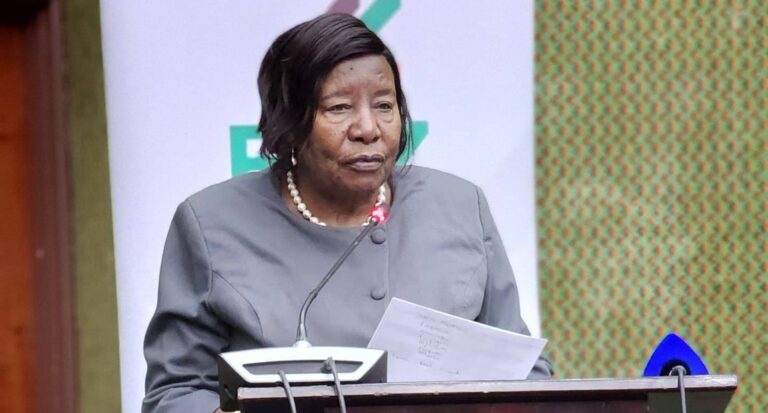
Electoral Commission of Zambia chairperson Mwangala Zaloumis has defended the ongoing delimitation exercise, assuring stakeholders that the process will be conducted fairly and in accordance with established legal frameworks. Her remarks come amid growing political attention surrounding electoral boundary adjustments, which have become a focal point of debate across Zambia’s political landscape.

Zaloumis emphasised that delimitation is a technical and consultative process designed to improve representation by reflecting demographic changes. She said the commission remains committed to transparency and inclusivity, noting that consultations with stakeholders form a central part of the exercise. The assurance follows concerns raised by various political actors who fear that boundary adjustments could influence electoral outcomes.

The delimitation exercise has generated discussion within both government and opposition circles, highlighting how electoral reforms often become politically sensitive. Supporters of the commission argue that periodic boundary reviews are necessary to maintain fairness as populations grow and shift. Critics, however, say public confidence depends on visible neutrality and consistent communication throughout the process.

Political leaders across the spectrum have expressed differing views on the exercise. Some opposition voices have called for stronger oversight mechanisms to ensure that constituency boundaries are adjusted without bias. Others have urged the commission to expand public engagement efforts, arguing that citizens need clearer explanations of how decisions are made and how changes may affect representation.

Zaloumis reiterated that the commission operates independently and that all decisions are guided by the Constitution and electoral laws. She said the process involves data analysis, consultations and adherence to legal standards, rather than political considerations. Her statement reflects an attempt to maintain institutional credibility during a period when electoral issues attract intense scrutiny.

The delimitation debate also intersects with broader discussions about governance and electoral integrity. Boundary reviews can shape campaign strategies, resource allocation and voter mobilisation, making them a critical component of election preparation. Political actors therefore closely monitor the process, often interpreting changes through the lens of competition rather than technical necessity.

Meanwhile, civil society organisations have encouraged continued dialogue between the commission and political stakeholders. They stress that open communication helps reduce misunderstandings and builds confidence in electoral institutions. Calls for transparency have been accompanied by appeals for responsible political messaging, urging leaders to avoid statements that could erode public trust.

Public reaction to the delimitation exercise has been mixed. Some citizens view the process as a positive step toward ensuring equitable representation, particularly in areas experiencing rapid population growth. Others remain cautious, citing historical debates over electoral boundaries as reasons for heightened vigilance.

Zaloumis’s remarks highlight the delicate balance electoral authorities must maintain. On one hand, they must implement technical reforms required by law. On the other, they must navigate political sensitivities and reassure stakeholders that the process remains impartial. As consultations continue, the commission faces the task of sustaining confidence while advancing reforms that will shape Zambia’s electoral framework in the years ahead.

The evolving discussion around delimitation underscores the importance of institutional communication and stakeholder engagement in maintaining trust during periods of political transition. With elections on the horizon, how the process unfolds will likely remain a central topic in national political discourse.