Sunday, June 7, 2026
17.3 C
Lusaka
Home Blog Page 145

UTH urges early antenatal care for safe motherhood

0

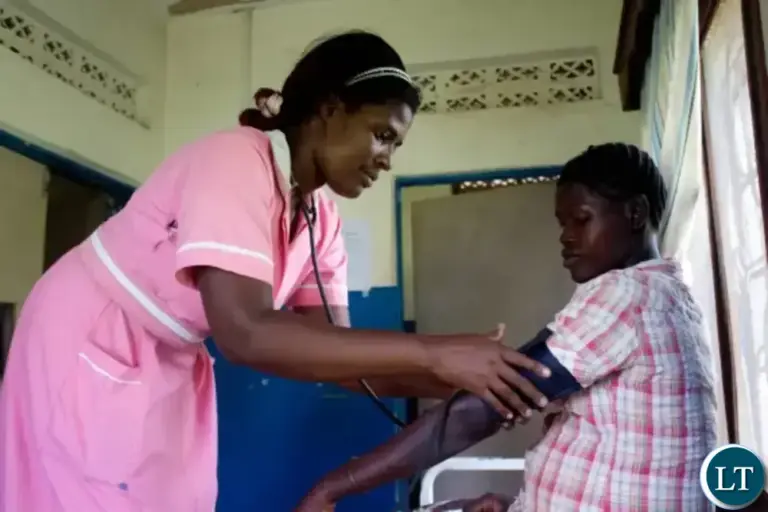
Health experts at the University Teaching Hospital (UTH) have urged expectant mothers to book antenatal care immediately after discovering pregnancy, stressing that early attendance is critical to achieving safe motherhood.

UTH Health Promotions Officer Saahan Lungu made the call during Pregnancy Awareness Week commemorations held from February 9 to 13 under the theme “Safe Motherhood.”

Mr Lungu noted that late booking remains a major concern and emphasized the benefits of early antenatal visits, which allow health workers to conduct investigations, monitor progress and guide mothers throughout their pregnancy journey.

UTH midwife Zili Zulu also highlighted that early antenatal care reduces maternal and infant mortality by enabling timely detection and management of complications such as pre-eclampsia and gestational diabetes.

“Our goal is simple: we want the mother alive and the baby alive,” she said.

Another midwife, Faustina Moonga, explained that antenatal visits also help prevent premature births and low birth weight through nutrition guidance and routine monitoring.

She cited cultural beliefs, long distances to health facilities, and lack of transport money as factors contributing to delayed antenatal booking, and called on communities to support pregnant women in seeking care early.
North west Electoral officer calls for unity for electoral integrity

0

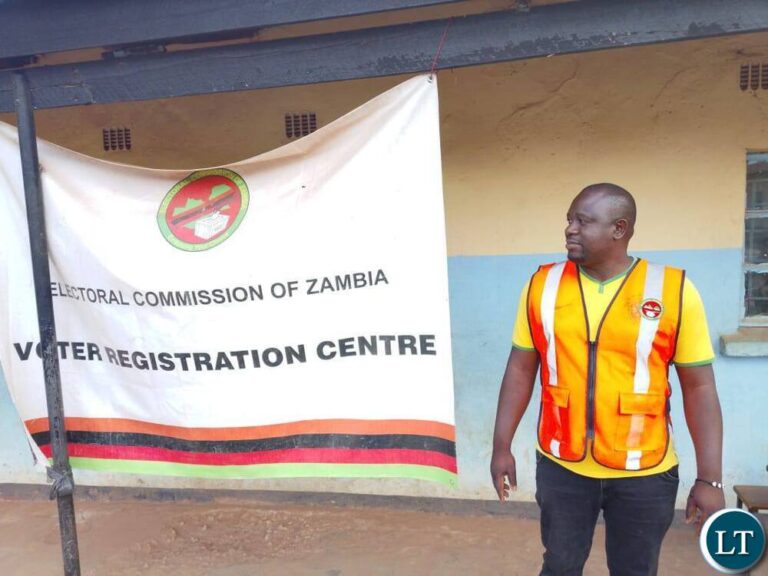
North-Western Provincial Electoral Officer Adrian Zulu has called for collaboration in upholding integrity of the electoral system in order to strengthen the country’s Democracy.

Addressing electoral officers from the eleven districts in the province during the ongoing Provincial orientation workshop on the 2026 inspection of the provisional register of voters and constituency delimitation held in Solwezi District, Mr Zulu said the success of the 2026 general elections roadmap depended on collective responsibility and constructive engagements.

Mr Zulu noted that the inspection of the provisional register of voters and delimitation were not merely administrative activities but foundations upon which the credibility of the August 13, general elections will anchor on.

” The commission is constitutionally mandated to create 70 additional constituencies across the country. This process must be completed and new constituencies and published in the gazette taking effect on the 15th of May when Parliament stands dissolved,” he said

The Provincial Electoral Officer added that when delimitating constituencies the commission would adhere to constitutional provisions and urged officers to engage stakeholders transparently and inclusively and ensure that all views were heard and recorded.

“Constituencies must be created in a manner that is fair, logical and reflective of Zambian’s geographic, Social and demographic realities,” he empasised.

He added that once the districts reports were compiled, the Commission will hold Provincial engagements to review all district’s submissions before the final report is consolidated.

And Solwezi District Electoral Officer Stanley Mbewe who is also Solwezi Town clerk said there were higher expectations from the community regarding the issue of delimitation.

Mr Mbewe noted that with development already being experienced in the vast constituencies in the province, delimitation will see the province develop meaningfully.

“We are eager to learn and be guided and share the information from here with our community members and let me mention that expectations amongst the people is high regarding delimitation. We have seen development in the province and delimitation means double the development,” he said

The two days Orientation workshop focuses on procedures and inspection services, voter education, legal mandate of delimitation, Boundary descriptions among other elements.

President Hichilema arrives in Addis Ababa for AU Summit

0

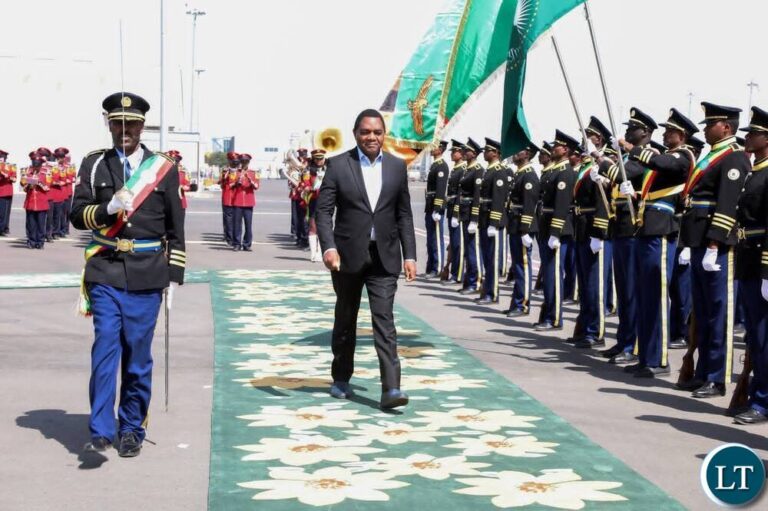
President Hakainde Hichilema has arrived in Addis Ababa, Ethiopia, to attend the 39th ordinary session of the assembly of Heads of State and Government of the African Union scheduled for February 14th and 15th, 2026.

A busy schedule awaits President Hichilema as he will also attend several other events and bilateral meetings during his three days stay in Addis Ababa.

The aircraft carrying Mr Hichilema touched down at Bole International Airport in Addis Ababa this afternoon.

The President, who is accompanied by Minister of Foreign Affairs and International Cooperation, Mulambo Haimbe and Minister of Water Development and Sanitation, Collins Nzovu, will attend the second edition of the Italy-Africa summit, which will be hosted by Giorgia Meloni, President of the Council of Ministers of Italy today.

On Saturday February 14, the Head of State is expected to attend the 35th high-level side event on Accelerating Action to End Child Marriage in Africa and a high-level launch of the Presidential Champion’s Report, which will be hosted by Zambia, in partnership with the African Union Commission (AUC) and the United Nations (UN).

The Head of State will further attend the opening ceremony of the 39th ordinary session of the assembly of Heads of State and Government of the African Union where the 2026 AU theme of the year, will be launched.

The media reports that this year’s AU theme is “Assuring Sustainable Water Availability and Safe Sanitation Systems to Achieve the Goals of the Agenda 2063”.

There will also be a bilateral meeting between President Hichilema and the Prime Minister of the Kingdom of Eswatini, Russell Dlamini and another one with the Vice President of the Federal Republic of Nigeria, Kashim Shettima Mustapha.

In the afternoon tomorrow, President Hichilema will attend a meeting of the African Union Committee of Ten (C-10) Heads of State and Government on the reform of the United Nations Security Council.

He is later expected to attend a bilateral meeting with the Assistant Secretary-General and Director of the United Nations Development Programme (UNDP) Regional Bureau for Africa, Ahunna Eziakonwa.

The President will also have a bilateral meeting with United Nations Economic Commission for Africa (UNECA) Executive Secretary, Claver Gatete before having another bilateral engagement with the Executive Secretary for AUDA-NEPAD, Nardos Bekele-Thomas.

On February 15th, President Hichilema will begin his day by attending the high-level breakfast and leadership dialogue under the theme “Achieve Africa 2.0: launching Africa’s Research and Development Engine for Vaccine and Therapeutic Sovereignty, co-hosted by Zambia, the International Vaccine Institute (IVI) and the Africa Centre for Disease Control and Prevention (AFRICA CDC).

On the same day, the President will attend the high level breakfast consultations on the future of the United Nations and the election of the next Secretary General, before having another high-level breakfast side event of the African Union and the Africa Water Investment Programme (AU-AIP) hosted by the President of South Africa, in his capacity as co-Chairs of the African Union.

The President is also expected to meet representatives of Zambians in the diaspora resident in Ethiopia on Sunday.

Mr Hichilema is expected to conclude his schedule on Sunday evening.

Former Cabinet Minister Matiya Ngalande has died

1

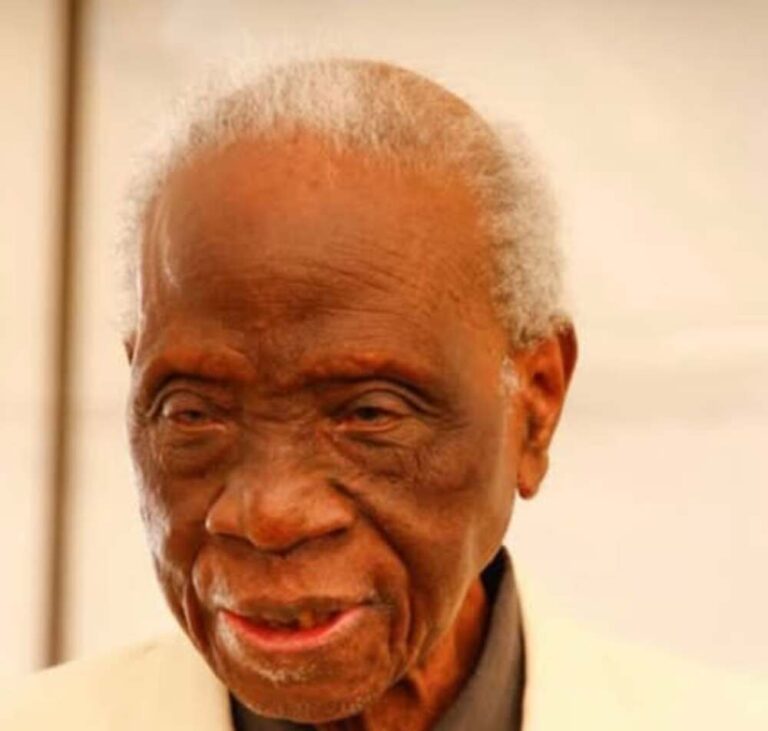
Veteran Politician and former Cabinet Minister in the United National Independence Party (UNIP) Matiya Ngalande has died at the age 93 years.

The media reports that the death of Mr Ngalande, a former freedom fighter, was announced in a press statement issued by Secretary to the cabinet Patrick Kangwa.

Mr Kangwa disclosed that the late Mr Ngalande died on Wednesday 11th February, 2026 in Lusaka district after an illness.

“The Government of the Republic of Zambia regrets to inform Members of the public of the death of Hon Matiya Ngalande, Veteran Politician, Freedom Fighter and Former Cabinet Minister in the United National Independence Party (UNIP) Government.

“Hon Ngalande, 93, passed away in Lusaka yesterday on Wednesday, 11th February, 2026, after an illness,” said Mr Kangwa.

Meanwhile, President Hakainde Hichilema has accorded the late Matiya Ngalande who died on Wednesday in Lusaka district an official funeral.

This is in recognition of his numerous and selfless contributions to the Nation.

“Government further wishes to inform Members of the Public that the President of the Republic of Zambia, Mr.Hakainde Hichilema, has accorded the Late Hon Matiya Ngalande an official funeral,” Mr Kangwa added.

“This is in recognition of his numerous and selfless contributions to the nation,” Mr Kangwa said.

The late Mr Ngalande served as Minister of State for Luapula Province in 1968 and was later appointed as Cabinet Minister for Northern Province in 1975.

He also served as Deputy Minister in the Movement for Multi-party Democracy (MMD) government between 1991 and 1996 in the Office of the Vice President.

Other Ministries he served under include the Ministry of Community Development and Social Services and the Ministry of Communications and Transport.

Mr Kangwa said the funeral gathering for the late Mr Ngalande is being held at his Residence, House No. 7, Pendela Road, off Kasangula road, Roma Township, Lusaka district.

The late former Cabinet Minister will be put to rest on Monday, 16th February, 2026 at the Leopards Hill Memorial Park in Lusaka district.

The burial ceremony will be preceded by the official funeral Church service at the Anglican Cathedral of the Holy Cross at 10:00 Hours.

President Hichilema has since declared Monday, 16th February, 2026, a day of national mourning to be observed from 06:00 Hours to 18:00 hours, in honor of the late former Cabinet Minister.

Members of the Public have been advised to postpone all programmes of entertainment nature during the national mourning period while flags will fly at half-mast.

Police officer jailed for desertion

2

A 45 year-old police officer, Andy Tilimboyi of Chalala, has been sentenced to six months imprisonment with hard labour for deserting the Zambia Police Service.

Mr Tilimboyi pleaded guilty to the charge of desertion contrary to Section 26(1)(d) of the Laws of Zambia.

The particulars of the offence state that on unknown dates between 4th March 2023 and 3rd June 2024, Mr Tilimboyi being a police officer, deserted the service for over 20 days.

In mitigation, Mr Tilimboyi’s defence lawyer highlighted that he is a first time offender who regretted his actions, which had affected his family.

As the breadwinner, he asked for forgiveness from the court and his employers, stating that the conviction had resulted in the loss of his pensionable job.

 He pleaded for a second chance to start his life afresh and continue supporting his family.

Mr Tilimboyi told the court that his time in prison had made him reflect on his actions, and he promised never to repeat the mistake and asked for maximum leniency.

Magistrate Webster Milumbe considered the mitigation, noting that Mr Tilimboyi did not waste the court’s time and had learnt from his actions.

The Magistrate sentenced him to six months imprisonment with hard labour, effective from 20th January 2026, the day of his arrest.

10-year-old Isoka Girl crushed by collapsed fence

0

A 10-year-old child Jane Nawale has died after a wall fence at Luangwa Guest House in Isoka district collapsed on her following a heavy downpour.

According to a press statement released to the Zambia News and Information Services (ZANIS) by Isoka Town Council Public Relations Officer Peter Sichali who confirmed that the incident said the accident occurred on Wednesday afternoon around 15:00 hours when the perimeter wall gave way, fatally injuring the child.

Mr Sichali said emergency services were immediately alerted and responded to the scene, but despite efforts made, the child succumbed to the injuries sustained at Isoka district hospital.

He disclosed that the affected area has since been secured to eliminate any further risk to members of the public.

“The Council has instituted an urgent technical assessment to determine the circumstances that led to the collapse of the wall fence, and a formal investigation has commenced with relevant authorities engaged to ensure a comprehensive review of the incident is established,” he stated.

Mr Sichali further said the Council has directed inspections of similar infrastructure within the district as a precautionary measure to reinforce public safety.

He added that the Council will meet all funeral expenses for the bereaved family as a gesture of support.

Meanwhile, the Council has appealed to members of the public and the media to accord the family privacy and dignity during the period of mourning.

He added that Further updates will be communicated as more verified Information is made available.

Eastern province targets 120 million kilograms of tobacco

1

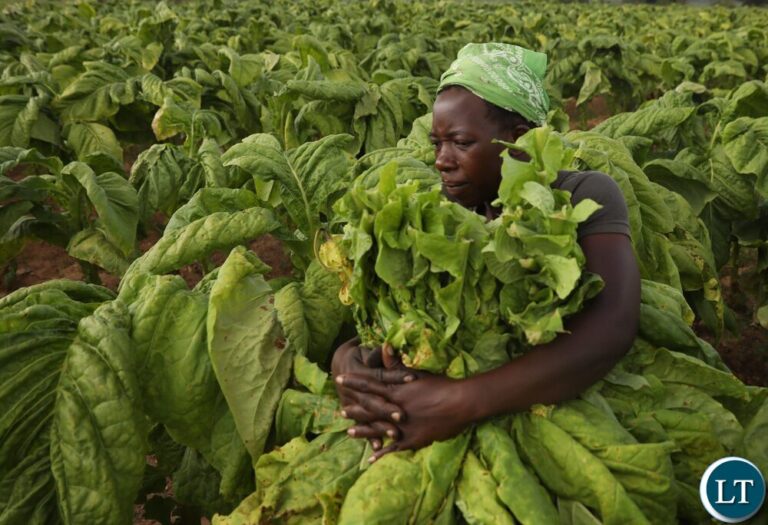
Eastern province is on track to contribute to the estimated production of 120 million kilograms of tobacco this year, from the 72 million produced in 2025.

A spot check on some tobacco fields in Chipangali District was met by a good performing crop, whose harvesting and curing process is also in effect.

Meanwhile, Emmanuel Sakala a tobacco farmer of 6 years, projects to raise up to K1 million from the crop sales, compared to the K637, 000 he realised last year.

He said the crop has performed well, and he is sure the production for the year will be more than it was last year.

“Most of my colleagues are happy with the crop, and it is visible even as you move around in villages,” he said.

Mr Banda cultivated three (3) hectares of tobacco last year, and has increased to five (5) this year.

The crop’s good performance has further been confirmed by Steven Phiri, an Agronomist from Buy Leaf Tobacco Company (BLTC), a private tobacco company.

He said this year’s crop performance is better than last year.

“This has been a good year. Most of our famers have managed to produce the crop and it looks good. The cures have been favourable; the humidity has been fine. We are expecting a good harvest,” he said.

BLTC is sponsoring over 500 farmers in the province.

The Country’s tobacco production has been rising over the years, with a total of 44. 2 million kilograms produced in 2023, and 44.4 million kilograms in 2024.

A major upward shift was recorded last year, at 72 million kilograms.

And Eastern province is the country’s top producer of tobacco, contributing up to 50 percent of the crop.

ZAMBIA U20 GIRLS SEEK FINAL WORLD CUP QUALIFYING ROUND

0

Zambia and Uganda face-off at the Levy Mwanawasa Stadium on Saturday afternoon with qualification to the last round of the 2026 FIFA Under-

0-4160×3120-0-0-{}-0-12#

0-4160×3120-0-0-{}-0-12#
20 Women’s World Cup qualifying battle on top of the agenda.

‎Kickoff is at 15:00 hours.

The two teams will battle in the final leg of the fourth round in Ndola – a week after the first leg finished 1-1 in Kampala, Uganda.

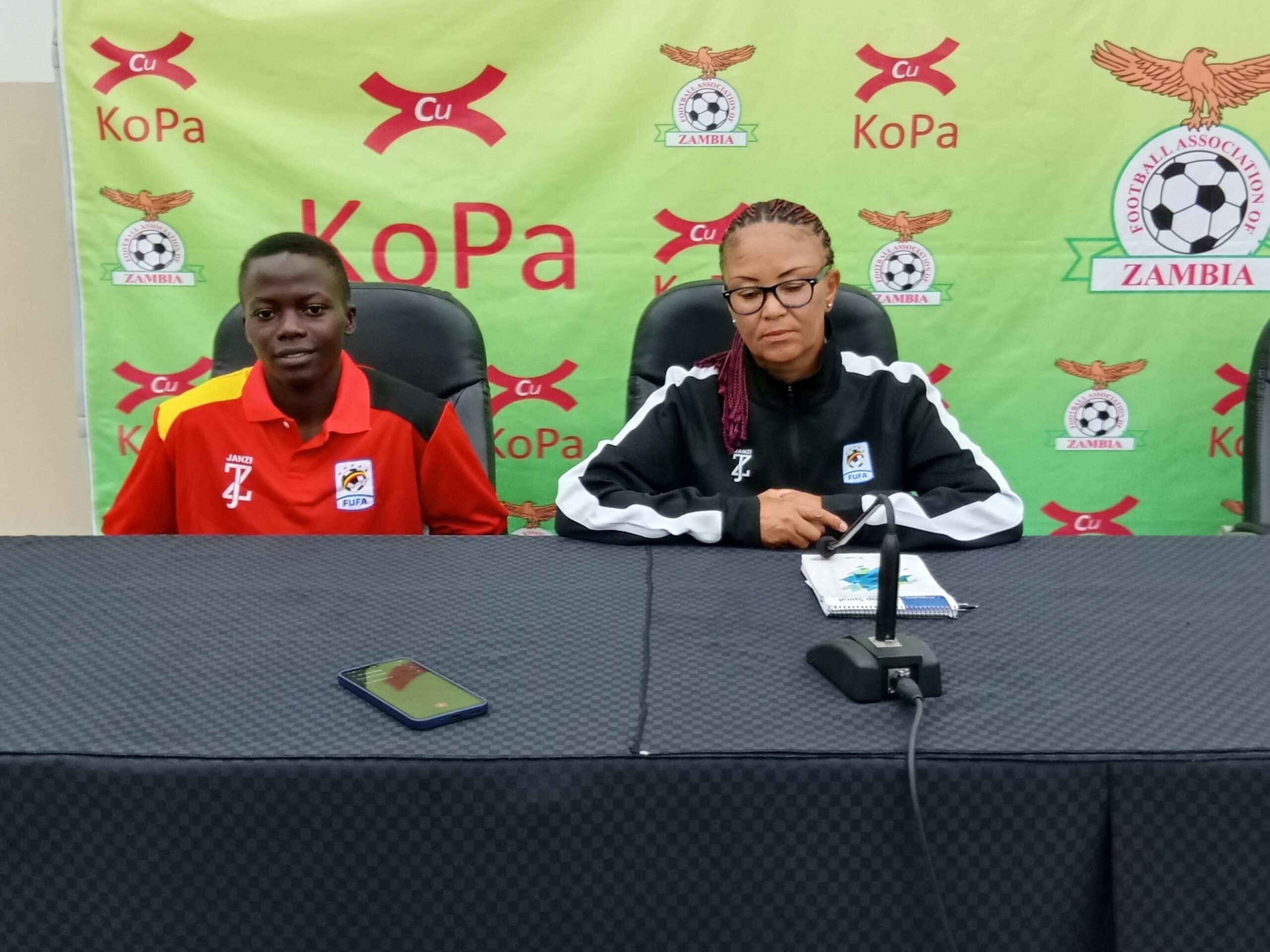
During the pre-match media briefing at Levy Mwanawasa Stadium on Friday morning, the two sets of coaches expressed their readiness for the match.

Zambia coach Florence Mwila urged fans to give her girls the needed moral boost.

“We are better and ready for Saturday’s game,” Mwila told journalists in Ndola.

She added: “We are inviting fans to support us. Having many fans in the stadium gives the team more confidence.”

Sheryl Botes, the Uganda coach, affirmed that her team was in Zambia to win.

”In training we have been focusing on scoring. We are coming to Zambia to score more goals. We are not coming to Zambia to lose,” Botes said.

Late on Friday afternoon, Zambian and Ugandan players have been having a feel of the playing turf at Levy Mwanawasa Stadium in readiness for battle.

Kasanda backs governance reforms under Hichilema

5

President Hakainde Hichilema’s governance agenda has drawn renewed praise from civic voices who say the administration’s emphasis on accountability is reshaping Zambia’s political environment.

Civic activist Wyatt Kasanda said during a public engagement that the fight against corruption remains one of the defining features of the current administration’s policy direction. He stated that leadership signals from the presidency have strengthened institutional confidence, encouraging oversight bodies to pursue investigations within established legal frameworks.

Kasanda said the country’s governance trajectory depends on maintaining transparency across public institutions. He added that corruption had long undermined economic progress and public trust, arguing that consistent enforcement efforts are necessary to rebuild confidence among citizens and investors.

President Hichilema has repeatedly framed anti-corruption enforcement as central to economic recovery, stating that public resources must be protected through lawful processes and institutional integrity. Government officials have maintained that investigations are carried out by independent agencies operating under statutory authority, emphasising adherence to due process.

Kasanda indicated that civic participation remains essential to sustaining reform momentum. He said citizens should remain engaged in demanding accountability from leaders while supporting institutions tasked with enforcing the law. According to him, strong public oversight helps reinforce democratic norms and ensures governance reforms are not driven by rhetoric alone.

The remarks come amid heightened political activity as parties begin positioning themselves ahead of the 2026 elections. Accountability messaging has increasingly shaped public discourse, with supporters of the administration pointing to policy changes and enforcement actions as indicators of institutional renewal.

Government officials have linked anti-corruption initiatives to broader economic measures, including fiscal reforms and monetary policy adjustments aimed at stabilising markets. They argue that transparent governance helps create a predictable environment for investment and development, contributing to long-term economic resilience.

Kasanda further noted that the credibility of anti-corruption efforts depends on measurable outcomes rather than political slogans. He said institutions must demonstrate consistency in enforcement while maintaining fairness and respect for legal procedures.

Political messaging surrounding governance integrity is expected to remain prominent as Zambia moves closer to the election cycle. Leaders across the political spectrum have begun outlining policy priorities and engaging supporters through public meetings, signalling a more competitive political environment.

Kasanda said accountability narratives should remain grounded in factual governance outcomes, adding that sustained reform requires collaboration between institutions, civic groups, and citizens. He emphasised that strengthening the rule of law remains essential for maintaining stability and public confidence.

PF urged to acknowledge past governance failures ahead of elections

7

Political messaging ahead of the 2026 general election has intensified following remarks urging the Patriotic Front to confront its governance record as part of rebuilding public trust.

Brian Mundubile told supporters during a public engagement that parties seeking renewed mandates must acknowledge past decisions and communicate clearly with citizens about their leadership history. He said political credibility depends on transparent dialogue rather than avoiding difficult questions about governance outcomes.

Mundubile emphasised that voters expect clarity from leaders about the direction of their policies and the lessons drawn from previous administrations. He added that electoral competition should focus on accountability and future plans, arguing that parties cannot expect support without demonstrating openness to scrutiny.

His remarks come amid growing political activity across the country, with parties strengthening grassroots mobilisation and refining campaign narratives ahead of the polls. Discussions surrounding governance legacy have resurfaced in recent weeks, reflecting the shifting tone of public debate as election positioning accelerates.

Mundubile indicated that engagement with citizens remains essential to rebuilding confidence, saying political actors must listen to concerns raised at community level. He maintained that honest conversations about past governance decisions create space for policy renewal and organisational growth within political movements.

The broader political environment has seen increased focus on leadership credibility and institutional performance. Political figures across the spectrum have begun outlining policy priorities and positioning themselves through public appearances, signalling the early stages of a competitive campaign period.

While reflecting on the party’s trajectory, Mundubile said internal dialogue within political organisations should remain constructive, adding that unity and clarity of purpose are necessary for presenting a coherent message to voters. He stressed that election campaigns are ultimately shaped by public perception, which depends on consistency between political promises and past conduct.

The remarks also come as debates over alliances and leadership structures continue within opposition circles. Political actors have been engaging supporters through meetings and media platforms, outlining visions for governance and economic direction while responding to criticism from rivals.

Mundubile said parties must demonstrate readiness to engage with national issues beyond partisan messaging, noting that voters are increasingly focused on tangible policy outcomes. He argued that leadership credibility is built through accountability and responsiveness rather than rhetoric.

Political engagement is expected to intensify further as parties prepare organisational structures for the upcoming election cycle, with public discourse continuing to revolve around governance performance, institutional reforms, and leadership narratives.

ACC challenges narrative drawn from TI-Z corruption index

2

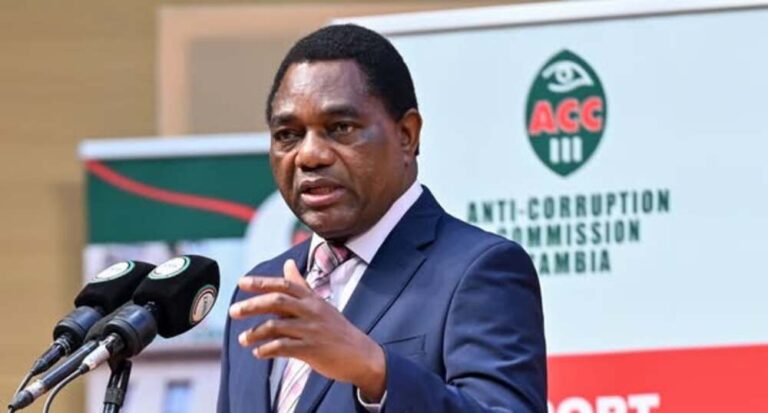
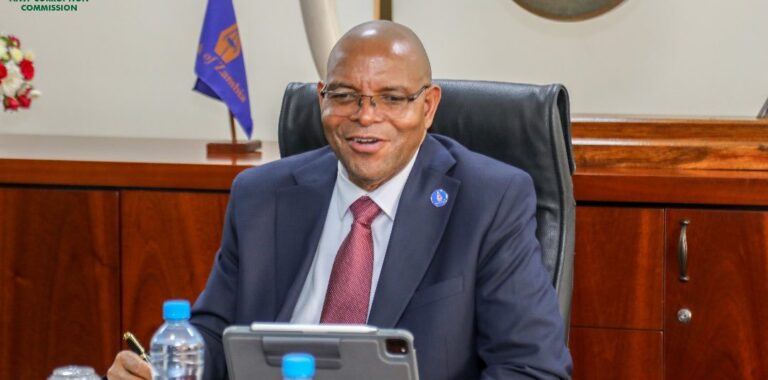
The Anti-Corruption Commission has challenged interpretations of Zambia’s latest Corruption Perceptions Index ranking, stating that the measure reflects perception rather than confirmed corruption levels or prosecution outcomes.

Commission officials indicated that the CPI should be understood within its methodological framework, emphasising that enforcement agencies rely on evidence-based investigations rather than survey-based scoring. The clarification follows public discussion surrounding Zambia’s position in the Transparency International Zambia index, which assesses perceived levels of corruption across institutions.

According to remarks attributed to the Commission, perception indicators do not quantify the number of cases investigated or prosecuted. Officials stated that the agency’s work centres on gathering admissible evidence, conducting financial analysis and pursuing legal action where sufficient grounds exist.

The ACC said its operational mandate includes prevention, investigation and prosecution support, with ongoing reforms aimed at strengthening institutional capacity. Officials referenced investigative procedures and collaboration with other oversight bodies as part of efforts to reinforce accountability mechanisms.

The Commission further noted that international indices often shape public debate but should not be treated as definitive measures of institutional performance. It said corruption enforcement involves complex legal standards that differ from public opinion surveys.

During the response, officials highlighted several initiatives introduced to enhance transparency and monitoring, including strengthened reporting frameworks and coordination with law-enforcement agencies. They indicated that anti-corruption efforts depend on sustained institutional work rather than annual perception rankings.

The statement addressed concerns that CPI figures could influence investor confidence or public trust if interpreted without context. Commission representatives maintained that Zambia’s anti-corruption progress must be evaluated through operational outcomes such as investigations, asset tracing and court processes.

Officials said the Commission continues to investigate allegations of corruption across sectors, stressing that each case must meet evidentiary thresholds before legal action proceeds. They added that the agency’s role requires balancing public expectations with adherence to legal standards.

The clarification also outlined how perception indices can reflect broader governance sentiment rather than specific incidents. By separating perception from enforcement results, the Commission sought to frame the CPI discussion as one component of a wider governance conversation rather than a direct indicator of corruption levels.

The ACC reiterated that its strategy focuses on strengthening prevention mechanisms alongside investigative work. Officials stated that collaboration with civil society and international partners remains part of ongoing institutional development, while enforcement priorities continue to align with statutory mandates.

Throughout the response, the Commission emphasised that accurate interpretation of governance data is necessary to avoid misunderstanding the role of investigative bodies. Officials maintained that institutional performance should be assessed through measurable actions rather than perception alone.

Kwacha gains 4.1 percent as BoZ cites improved forex supply

12

Bank of Zambia Governor Dr Denny Kalyalya said the kwacha appreciated by 4.1 percent in the final quarter of 2025, attributing the movement to improved foreign exchange supply and stabilising market sentiment during a monetary policy briefing in Lusaka.

Kalyalya stated that exchange rate performance reflected developments in foreign exchange inflows and tighter policy conditions aimed at supporting price stability. He indicated that the central bank continued to monitor inflation trends alongside currency movements to ensure that gains in the exchange rate align with broader macroeconomic targets.

The governor explained that the appreciation occurred within a context of measured monetary policy decisions designed to anchor expectations and maintain confidence in the financial system. He said the central bank’s framework prioritises inflation control while balancing liquidity conditions across the banking sector.

According to figures presented during the briefing, exchange rate improvements coincided with gradual adjustments in borrowing conditions and continued policy coordination with fiscal authorities. Kalyalya noted that external market conditions and domestic supply dynamics both contributed to the quarter’s performance.

He said the central bank remained cautious about interpreting short-term currency movements, emphasising that sustained stability depends on consistent economic fundamentals. Policy decisions, he added, would continue to reflect data on inflation, liquidity levels and global market developments.

The governor outlined that monetary policy settings had been calibrated to contain inflationary pressures while supporting confidence among investors and financial institutions. He indicated that currency stability forms part of a wider effort to reinforce economic predictability and maintain orderly market functioning.

Kalyalya also referenced foreign exchange supply improvements, saying these developments helped reduce volatility during the quarter. He added that the central bank continued to engage with market participants to ensure transparent communication around policy direction and exchange rate expectations.

During the briefing, he described exchange rate performance as one indicator among several used to assess economic conditions. He said the Bank would continue to rely on forward-looking data to determine policy adjustments, particularly in relation to inflation projections and global financial trends.

The governor emphasised that currency appreciation should be understood alongside broader economic variables rather than as a standalone measure of recovery. He stated that monetary policy decisions remain guided by the need to maintain price stability and financial system resilience.

He further explained that external sector developments, including commodity price movements and foreign exchange inflows, contributed to the environment in which the kwacha strengthened. The Bank, he added, continues to assess how these factors interact with domestic demand and credit conditions.

Kalyalya reiterated that the central bank’s role includes managing expectations through clear communication of policy objectives. He said maintaining credibility in monetary policy remains essential to sustaining investor confidence and ensuring orderly currency markets.

The briefing concluded with the governor outlining the Bank’s readiness to adjust policy instruments if economic conditions change, noting that stability requires continuous monitoring of both domestic and international developments.

Tonse clarifies Tasila–Mundubile meeting

4

Questions over a reported meeting between presidential aspirant Brian Mundubile and Tasila Lungu Mwansa have prompted clarification from the Tonse Alliance, with spokesperson Dr Lawrence Mwelwa stating that no discussions about a presidential running mate took place.

Mwelwa confirmed that Mundubile met Tasila Lungu Mwansa, daughter of the late former president Edgar Chagwa Lungu, during a visit abroad. He said the meeting occurred but insisted that claims linking it to succession planning or ticket negotiations do not reflect what was discussed.

According to Mwelwa, the encounter formed part of ordinary political interaction and should not be interpreted as a coordinated move within opposition structures. He said he could neither confirm nor deny broader speculation about political arrangements because the subject of a running mate was not raised during the engagement.

The clarification follows heightened attention around internal positioning within PF-aligned formations, where recent legal disputes and organisational changes have reshaped relationships among senior figures. Mwelwa described the political environment as fluid, with individuals maintaining dialogue even when formal alliances are not defined.

He said Mundubile’s political path continues to be shaped by internal party processes and court developments that have influenced leadership dynamics. The spokesperson added that personal meetings between political actors remain common and do not automatically signal agreement on future leadership arrangements.

Tasila Lungu Mwansa’s name has continued to surface in political discussion largely because of her association with her father’s legacy. Mwelwa emphasised that her presence in public discourse should not be interpreted as confiramation of political negotiations, noting that individuals retain autonomy over their engagements.

He also addressed narratives suggesting that the meeting reflected broader strategic alignment, stating that decisions about leadership direction must come through established party structures. The spokesperson maintained that speculation risks distorting the meaning of routine political contact.

The remarks arrive during a period when opposition figures are navigating shifting alliances and organisational debates. Mwelwa said the focus should remain on verified developments rather than assumptions drawn from individual encounters.

He added that Mundubile continues to participate in political activities within the broader movement, describing engagement among senior figures as part of ongoing dialogue rather than evidence of a settled leadership arrangement.

The Tonse Alliance spokesperson said any decisions regarding future political positioning would be communicated through official channels and formal processes. He reiterated that the meeting with Tasila Lungu Mwansa did not involve discussions about a running mate or a presidential ticket.

Japan Pledges Over US$7.1 Million to Support Zambia’s Refugee Hosting Efforts

0
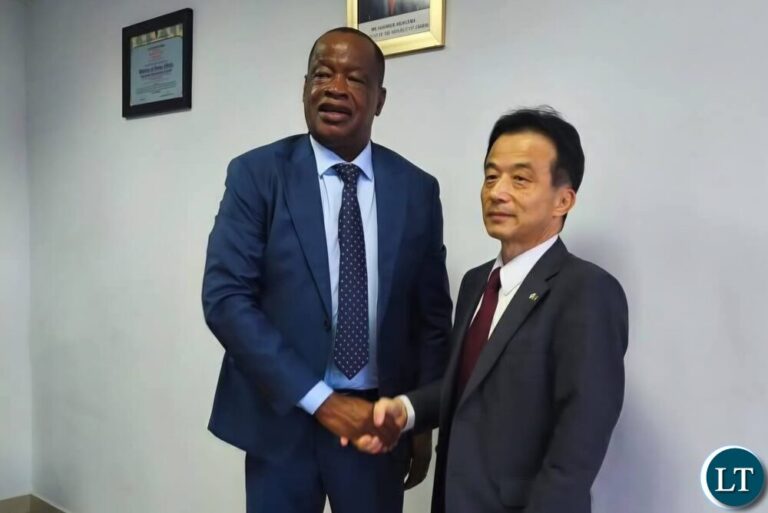
The Japan has pledged more than US$7.1 million in support of Zambia’s refugee-hosting programmes, according to Minister of Home Affairs and Internal Security Jack Mwiimbu.

Mr. Mwiimbu announced the assistance when Akiteru Mikami, Ambassador of Japan to Zambia, paid a courtesy call at the ministry. He said the engagement reaffirmed the long-standing bilateral relations between the two countries, which span more than six decades.

The minister stated that the financial support includes US$5.9 million provided through the United Nations Development Programme (UNDP) for infrastructure development at Meheba Refugee Settlement and Mayukwayukwa Refugee Settlement. An additional US$1.2 million has been channelled through the United Nations High Commissioner for Refugees (UNHCR) to strengthen protection services for newly arriving refugees.

Mr. Mwiimbu said Zambia has hosted refugees for many years and continues to meet its humanitarian obligations. He noted that increased refugee inflows, particularly due to conflict in the Democratic Republic of the Congo, have heightened the need for continued support from cooperating partners.

He added that government remains committed to strengthening cooperation aimed at promoting peace, security and the protection of human dignity for both refugees and host communities.

State Seeks Forfeiture of Over K280,000 Linked to Late John Liversage Senior in Alleged Financial Crimes Case

0
The State has commenced court proceedings seeking the forfeiture of more than K280,000 held in company accounts belonging to the late John Liversage Senior, alleging that the funds are tainted.

In submissions before the Economic and Financial Crimes Court, Director of Public Prosecutions Gilbert Phiri stated that the alleged owner of the funds is deceased and that the money is subject to non-conviction-based forfeiture proceedings.

According to court documents filed by the Drug Enforcement Commission (DEC), senior investigations officer Yona Siame was assigned on September 17, 2024, to investigate suspected financial irregularities involving accounts held at Stanbic Bank Zambia. The accounts reportedly held balances of K271,629.22, K5,800.47, and K4,513.72.

The investigation followed a report by Cornelius Chileshe concerning alleged misuse of company funds involving SATC Africa Limited. Mr. Chileshe informed investigators that he became a shareholder and director in 2022 but was only a director “on paper” and was not involved in financial management or operations.

Mr. Chileshe further disclosed that despite the company’s reported financial instability, SATC Africa Limited secured a contract from LS Telcom for the installation of network and communication towers for the Zambia Information and Communications Technology Authority. LS Telcom allegedly paid US$100,197.84 to SATC Africa Limited for procurement of project equipment and materials, with transactions reportedly handled by John Liversage Senior and John Liversage Junior.

Investigators stated that funds received from LS Telcom were transferred from the company’s dollar account into both a company kwacha account and a personal kwacha account belonging to John Liversage Senior. On September 13, 2024, the day of his death, he allegedly transferred K185,000 to John Liversage Junior’s account.

The DEC reported that several accounts were later seized with balances of K271,629.92, K4,513.72, and K5,805.47. When John Liversage Junior travelled to Zambia on September 17, 2024, to identify his father’s body, he was arrested for further investigations and later charged with obtaining money by false pretences and money laundering.

Investigators have submitted that the cited funds constitute tainted property and are liable for forfeiture to the State under provisions of the Penal Code and the Forfeiture of Proceeds of Crime Act.