Saturday, June 13, 2026
14.1 C
Lusaka
Home Blog Page 165

Ghana’s gold sector experience important, Zambia to draw lessons — Hichilema

0

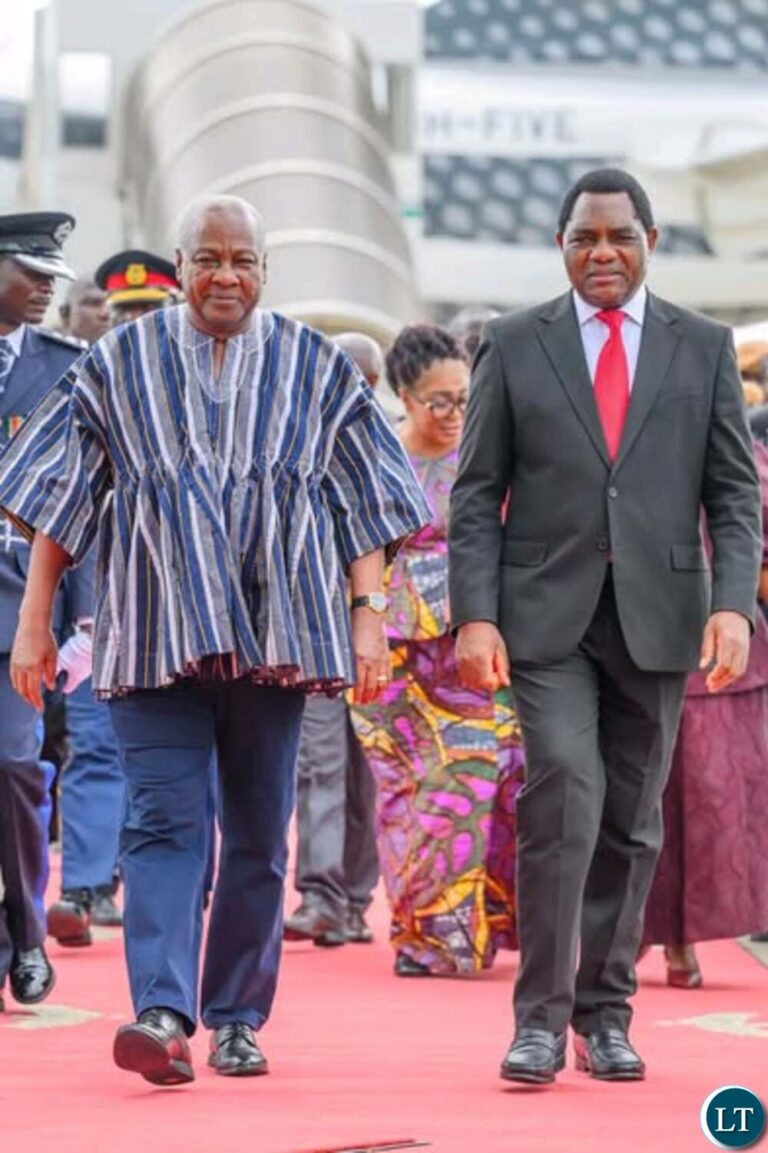
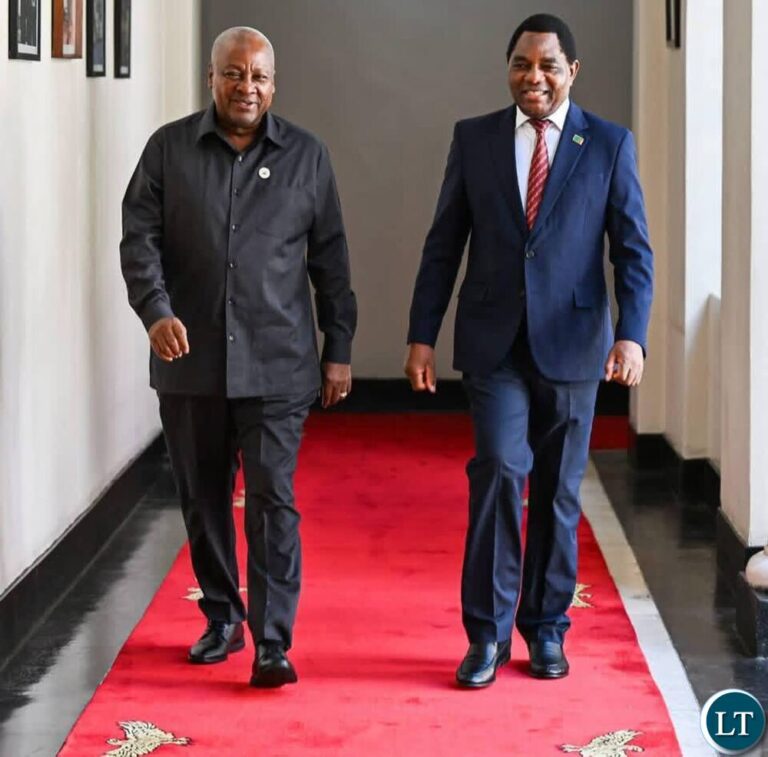
President Hakainde Hichilema says Zambia will learn from Ghana’s experience in managing its gold sector following private talks with Ghanaian President John Mahama.

President Hichilema made the remarks after the two leaders held closed-door discussions and later chaired a bilateral meeting at State House, followed by another private session with the Ghanaian delegation.

During the bilateral meeting, President Hichilema said the discussions focused on matters of strategic importance to both countries, particularly mining and gold.

He said Zambia intends to study Ghana’s management of large-scale, small-scale and artisanal mining to avoid repeating challenges faced in the West African country.

“We need to work together not just as presidents, but as businesses for our people. We want to build on the work that Ghana has already invested in, which is relevant to us, and learn how to deal with other important issues,” President Hichilema said.

He added that President Mahama shared insights into Ghana’s economic restructuring, including reforms related to fiscal discipline and the rule of law.

President Hichilema reiterated that Zambia’s mineral resources should benefit citizens rather than illegal mining activities.

President Mahama said both countries face similar challenges in the mining sector and agreed to share experiences.

“We discussed issues to do with the mining industry because both of us have mining sectors facing the same challenges. We talked about artisanal mining, small-scale mining and large multinational operations, and how we can share experiences,” President Mahama said.

He added that the leaders also discussed agriculture and agreed to strengthen bilateral relations and economic cooperation.

Reports from Ghanaian media indicate that Ghana reformed its gold sector between 2021 and 2025, increasing gold reserves from eight tonnes in 2023 to about 35 tonnes by 2025. The reforms reportedly strengthened foreign exchange reserves, stabilised the currency and generated about US$5 billion through increased state ownership and control in the subsector.

Meanwhile, President Mahama addressed Zambia’s Parliament, urging African countries to pursue economic independence and redefine development strategies.

“We must win the economic fight for economic transformation and prosperity for our people. Africa must redefine its development trajectory. Too many African countries remain trapped in what I described as triple dependency — dependency on external actors for security choices, dependency on donors for health and education systems and dependency on supplies of critical minerals,” he said.

He said such conditions weaken sovereignty and called on African countries to take greater control of their economic futures.

President Mahama’s three-day State Visit ends today, with Zambia and Ghana expected to sign eight memoranda of understanding covering mining, agriculture and other areas of cooperation.

Mwembezi Irrigation project contributes to enhanced maize production

1

Presidential Delivery Unit Monitoring and Evaluation Specialist Tobias Michelo has described the Mwembezi Irrigation Scheme in Mbala District as key in contributing to increased maize production.

Mr Michelo says the project is an important undertaking as it is expected to contribute towards the national target of 3,000 metric tonnes of winter maize.

Mr Michelo has praised the 346 farmers benefiting from the Mwembezi Irrigation Scheme, describing it as one of the most successful Presidential Delivery Unit interventions that has enabled farmers to produce maize throughout the year.

Speaking when he toured the project Mr Michelo said the irrigation system is clear evidence that farmers are now fully utilising land and are able to produce food consistently, thereby strengthening food security.

And Mwembezi Village Headperson, Kambole Sikazwe confirmed that the irrigation scheme has transformed agricultural production in the area.

Mr Sikazwe added that the irrigation system has significantly improved household incomes and enhanced food security for farmers in the community.

President Hichilema calls for banking sector support

1

President Hakainde Hichilema has called for more support from the banking sector towards Zambia’s energy sector in order for the country to achieve its target of producing over 10 000 megawatts by 2031.

He has thanked the banking sector for their contribution to the country’s development, further calling for an increase in support to energy projects, adding that this will require more support from financial institutions.

The media reports that President Hichilema has since implored the banking sector to consider reducing interest rates in order to lower the cost of capital and increase access to financing for investors.

The Head of State said this when the ABSA Group Chief Executive Officer, Kenny Fihla paid a courtesy call on him at State House, in Lusaka.

And the ABSA Group CEO has commended the Zambian government for its efforts in stabilising the economy.

He has noted that due to the government’s good policies, Zambia has recorded a reduction in inflation, positioning the country as an attractive investment destination.

Mr Fihla has assured of ABSA Group’s continued support to the country’s sectors such as energy and mining, which contributes largely to economic growth.

Speaking at the same meeting, ABSA Group Chairman, Austin Mwape assured that the bank is putting in place interventions to reduce the cost of capital, through a system known as concession financing.

HRC promotes human rights awareness in elections

0

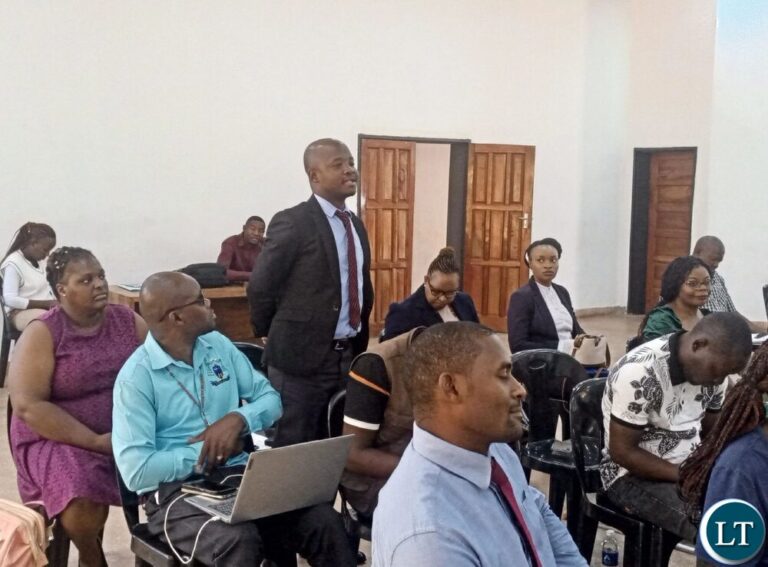
The Human Rights Commission (HRC) has taken a significant step towards promoting awareness and understanding of human rights in the context of elections in Mongu.

 In a meeting held in the Mongu Council Chamber with stakeholders, Human Rights Commission Director for Education Training and Advocacy Mwelwa Muleya emphasised the importance of upholding the principles of proportionality, lawfulness, and necessity in exercising human rights during electoral processes.

Human Rights Commission Senior Education and Training Officer Lucy Bwalya explained that the Human Rights Commission Act No. 4 of 2024 of Zambia, passed by the National Assembly, repealed and replaced the 1996 Act to strengthen the commission’s operations.

Ms Bwalya noted that the adopted Mandela Rule grants the commission legal personality authorization, strategic litigation for victims, and refines its functions in promoting and protecting human rights.

She reiterated the commission’s commitment in initiating strategic litigation on behalf of complainants and victims to provide legal redress.

” As we enter into the campaign period, we face a lot of legal complaints from both parties and supporters, hence the need for the commission to take up responsibility of a fair and quick trial,” Ms Bwalya explained.

“The legislation was enacted to address evolving human rights challenges and enhance the enforcement capabilities of the commission within Zambia, “she added.

The HRC Senior Education and Training Officer explained that ahead of the elections the commission will provide the vulnerable groups representation and investigation of cases before the courts of law.

And Community leader Situmbeko Mukelabai emphasized the need for the commission to intensify its operations ahead of the elections in order to provide fair judgement.

Meanwhile, Prince Mayamba, a representative from The Center for Democratic Governance and Research (CDGR) has called on the commission to enhance the training into the districts.

Public service workers get K700 salary increment

11

Government and the public service unions have agreed to increase monthly basic salaries for public service employees by K700 across the board with effect from January 1st, 2026.

This follows the conclusion of negotiations on improved salaries and conditions of service for public service workers after the conclusion of negotiations on Wednesday.

The two parties have also agreed to revise upwards the daily meal allowance from K150 to K175.

The media reports that Civil Servants and Allied Workers Union of Zambia (CSAWUZ) President, Joy Beene, who served as Union Bargaining Team Leader made the announcement in Lusaka today.

Mr Beene said the agreement was reached during negotiations between the Government Bargaining Team, represented by Public Service Management Division Permanent Secretary Lois Mulube, and the Union Bargaining Team.

“The two parties have agreed to review salaries and selected conditions of service in order to improve the welfare of workers,” Mr Beene said.

Mr Beene noted that the agreement was a product of constructive dialogue between the two sides and reaffirmed the union’s commitment to continued engagement with the government.

Permanent Secretary Public Service Management Division, Lois Mulube, commended all stakeholders for their commitment and dedication throughout the discussions.

She expressed optimism that the agreement would contribute to improved morale and productivity among public service workers across the country.

Zambia, Ghana ink 10 MoUs

1

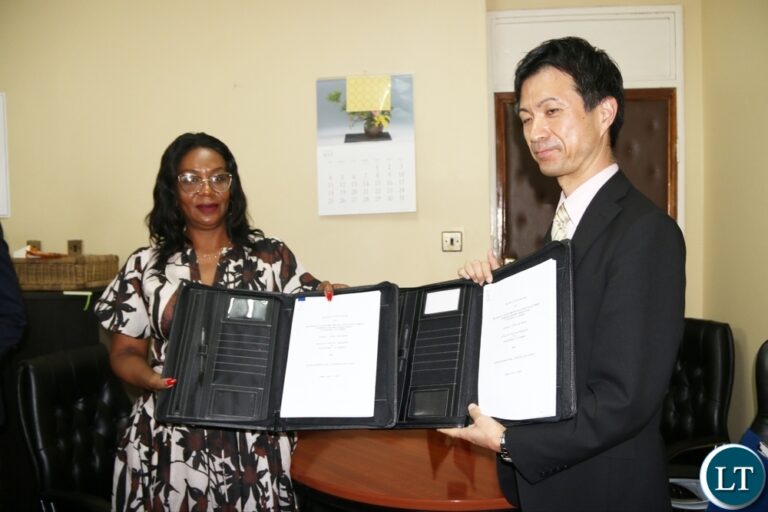
Zambia and Ghana have signed 10 Memoranda of Understanding (MOUs) across various sectors of the economy as part of efforts to further strengthen bilateral relations between the two countries.

The signing ceremony was witnessed by President Hakainde Hichilema and his Ghanaian counterpart, President John Mahama.

The media reports that Acting Minister of Foreign Affairs and International Cooperation, Rodney Sikumba, and Ghana’s Minister of Foreign Affairs, Samuel Ablakwa, signed the MOU on Diaspora cooperation, among other agreements.

Mr Sikumba, who is also Minister of Tourism, signed additional MOUs on cooperation in disaster risk management, an agreement between the Zambia Development Agency (ZDA) and the Ghana Export Promotion Authority.

He further signed an MOU between the Zambia Bureau of Standards and the Ghana Standards Authority, focusing on standardisation, conformity assessment and training.

Meanwhile, Acting Minister of Defence, Jack Mwiimbu, signed an agreement on the waiver of visa requirements for holders of diplomatic, official and ordinary passports between Zambia and Ghana.

Mr Mwiimbu also signed an addendum to the existing MOU on military and defence cooperation, including rules of procedure for the Joint Defence Implementation Committee between the two countries.

In the transport sector, Acting Minister of Transport and Logistics, Gift Sialubalo, signed a bilateral Air Services Agreement between Zambia and Ghana.

Minister of Health, Elijah Muchima, signed an MOU on cooperation in the field of health, as well as an agreement between the Zambia Medicines Regulatory Authority and Ghana’s Food and Drugs Authority.

The MoUs are expected to further deepen bilateral ties that exist between the two countries.

Earlier, Zambia and Ghana held high-level bilateral talks at State House aimed at strengthening cooperation and advancing shared development priorities.

President Hichilema hosted President John Mahama, with discussions centred on enhancing political, economic and diplomatic relations between the two nations.

The talks focused on priority sectors such as agriculture, mining and education among others.

Both leaders reaffirmed the need to promote best practices in the area of Artisanal mining in a quest to get maximum benefit from the sector.

President Mahama expressed appreciation to President Hichilema for the invitation to undertake a State Visit to Zambia, noting that the visit is aimed at further deepening bilateral cooperation across various sectors of the economy.

ERB approves 42 licenses and construction permits

0

The Energy Regulation Board (ERB) has approved 42 licenses and construction permits, recording a total investment of K3.7 billion towards energy infrastructure service development.

The approvals were granted following a meeting by the Board Licensing Committee held on 15th January, 2026.

The board also authorised the construction of three retail service stations and approved the commissioning of four additional retail service stations for operational use.

ERB Public Relations Manager, Namukolo Kasumpa, has disclosed the development to the media.

Ms Kasumpa further revealed that the board also approved the licensing of 205 petroleum transportation fuel tankers, thereby strengthening the petroleum supply chain, enhancing national distribution capacity, and supporting security of supply.

She also indicated that the board approved 12 licenses in the renewable sub-sector that relates to the importation, supply, maintenance and installation of renewable energy equipment and technologies critical to the expansion of energy access, particularly through decentralised and clean energy solutions.

“The ERB remains committed to the effective regulation of the energy sector in the public interest with continued emphasis on compliance, operational efficiency, consumer protection and long-term sector sustainability,” she said.

Fall Armyworms destroy 1,394 hectares Isoka crops

1

About 1,394 hectares of crop field have been attacked by fall armyworms in Isoka District in Muchinga Province affecting 2,836 farmers.

Speaking in a phone interview with the Zambia News and Information Services (ZANIS), Isoka District Crop Husbandry Officer Kelvin Sikanyika said the affected hectarage accounts for 26 percent of crops as of last week.

Mr Sikanyika said government has moved in swiftly to contain the outbreak, adding that the district was still projected to record a bumper harvest owing to favourable rainfall patterns.

“So far, 1,394 hectares of crops have been attacked, representing 26 percent as of last week, but government is working tirelessly to combat the outbreak,” he said.

He explained that the Ministry of Agriculture supplied the district with 130 boxes of chemicals to support affected farmers.

Mr Sikanyika said 83 boxes have already been distributed to camp extension officers, while 47 boxes remain available for farmers who are yet to report cases of infestation.

“Farmers whose fields have been affected are encouraged to report immediately to their camp extension officers so they can access the remaining chemicals,” he highlighted.

Meanwhile, farmers in the district have commended government for the timely intervention.

One of the farmers, Maureen Chisanga said the prompt distribution of chemicals has brought relief to many farmers whose crops were under threat.

“The fall armyworms had threatened my maize field and other crops, and we feared low yields, but the intervention from government has given us hope of saving our crops and ensuring food security for our families,” she noted.

Mambwe man killed by crocodile while fleeing elephants

0

A 52-year-old man of Mambwe District in the Eastern province has died after being attacked by a crocodile.

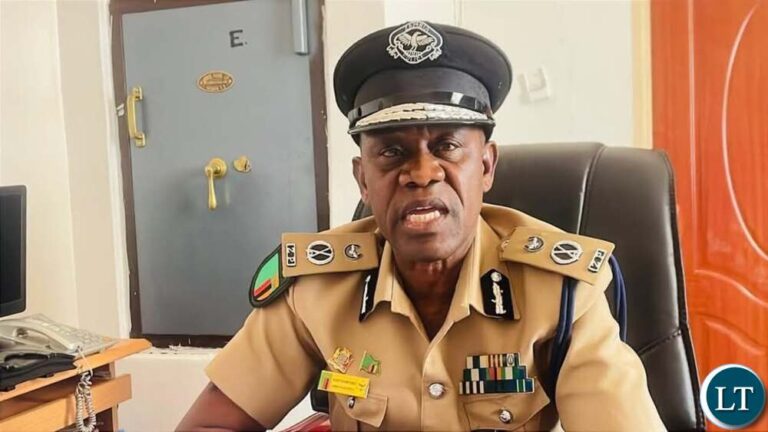
Eastern Province Police Commanding Officer Robertson Mweemba said the now deceased, Dean Nyirenda, was attacked by a crocodile as he was fleeing from elephants.

“Brief facts are that the now deceased, together with his young brother and another individual, were coming from fishing, and were on their way to the Campsite when they encountered a herd of elephants prompting them to run in different directions.

Mr Mweemba said the now deceased ran to a stream near the Luangwa River where he was attacked by a crocodile which bit him on his right thigh.

“The deceased managed to rescue himself from the jaws of the predator by hitting it with a stick that he had and managed to drag himself out of the stream,” he said.

Mr Mweemba said that the other two individuals who were at a distance managed to get the victim to safety.

The Police Chief however said the deceased was bled profusely, adding that he later died due to excessive loss of blood.

He said that officers from the Department of National Parks and Wildlife visited the scene and inspected the body of the deceased.

“When the officers from DNPW visited the scene and inspected the body, they discovered that the deceased had deep teeth marks on the right thigh which had led to excessive bleeding,” he said.

Mr Mweemba said the body of the deceased was deposited into the Mambwe District Hospital Mortuary awaiting burial as there was no suspected foul play.

Zambia, Japan launch Hope II Project

0

Government and Japan have launched the HOPE II Project, a five-year initiative aimed at promoting sustainable development and self-reliance for former refugees and host communities in Meheba in Kalumbila and Mayukwayukwa resettlement camp in Kaoma.

The project is expected to benefit over 100,000 people in the two districts.

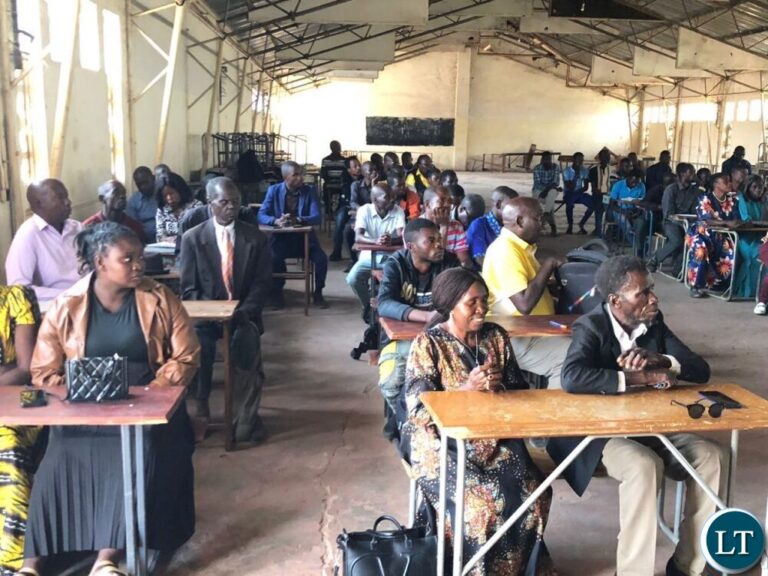
Speaking at a Joint Coordinating Committee Meeting, Permanent Secretary for Resettlement Division, Mavis Nkomeshya, said the project builds on the successes of HOPE I, which ended in 2025, and focuses on strengthening institutional capacity, improving livelihoods, and enhancing social cohesion.

The media reports that Ms Nkomesha said the key areas of focus include strengthening local government systems, promoting value chain agriculture, enhancing access to Constituency Development Fund financing and fostering private sector engagement

Ms Nkomeshya further emphasised the project’s alignment with President Hakainde Hichilema’s vision for inclusive growth and productive agriculture.

Japan International Cooperation Agency (JICA) Chief Representative, Tomoko Ono, emphasised the project’s focus on human security and sustainable self-reliance, highlighting key areas of collaboration which includes market oriented agriculture, practical skills development, stakeholder coordination, research on economic opportunities and support for Local Area Plans.

Dr Ono urged stakeholders to implement agreed activities and ensure Zambian ownership of the project for sustainable results.

“JICA looks forward to close collaboration with the Zambian government and partners to ensure no one is left behind,” she said.

Govt, Finland partner to integrate Al in health and mining sectors

0

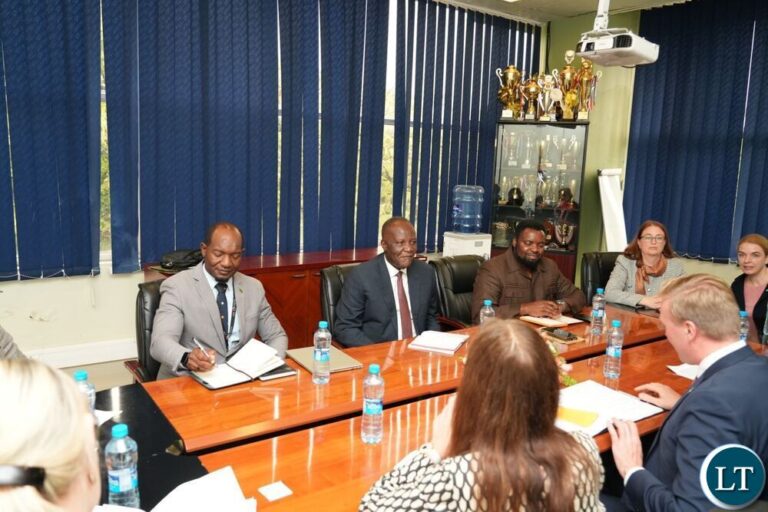
Government, through the Ministry of Technology and Science, in partnership with the Finnish Government, has embarked on a pilot programme to integrate Artificial Intelligence (AI) in key sectors such as health and mining.

Minister of Technology and Science, Felix Mutati, says the initiative is aimed at enhancing service delivery and improving data management across critical sectors of the economy.

The media reports that speaking during a dialogue meeting in Lusaka this morning, Mr Mutati said the adoption of AI in the health sector will improve record-keeping, data analysis and overall efficiency within the health system.

“The inclusion of Artificial Intelligence in our health systems will help us to keep accurate and reliable records, improve decision making and enhance the quality of healthcare delivery,” he said.

The Minister added that the application of AI in the mining sector will support the expansion and better management of Zambia’s mineral stock data, thereby strengthening the country’s mining value chain.

“Through technology, particularly Artificial Intelligence, Zambia can improve mineral exploration, expand mineral inventories and optimise the mining sector for sustainable economic growth,” he said.

Mr Mutati further highlighted that the Finnish Government, through Nokia, partnered with Zambia to sponsor 100 young entrepreneurs, equipping them with entrepreneurship skills and digital literacy to enable them to participate meaningfully in the digital economy.

Meanwhile, Finnish Minister of Economic Affairs, Sakari Puisto, said Finland has made significant investments in Zambia’s technology and mining sectors through public funding of strategic national programmes.

He emphasised that the integration of AI in health and mining is central to Finland’s efforts to help bridge the digital literacy gap in Zambia.

Dr Puisto has reaffirmed Finland’s commitment to strengthening its partnership with Zambia through the Ministry of Technology and Science, noting that the collaboration remains key to advancing digital transformation and economic growth.

Cash for Work benefits 6,000 people in Harry Mwanga Nkumbula Ward 12

0

A total of 6,000 people have benefited from the Cash for Work Programme in Harry Mwanga Nkumbula Ward 12 of Kanyama Constituency in Lusaka since its implementation in the area last year.

According to Aaron Mwanza the Area Councilor, the programme, which started in his ward in August 2025, had monthly allocations provided for each constituency and ward.

In an interview with the media, Mr Mwanza explained that in the first month of implementation, about 600 beneficiaries were enrolled under the programme in the ward.

He added that as the programme advanced and by the time it was concluding, the number of beneficiaries increased to 6,000.

Mr Mwanza, however, disclosed that about 20 percent of the beneficiaries have not yet been paid, particularly those who worked between October and November.

He quickly assured though, that the affected beneficiaries are expected to receive their payments before the end of February, once funds are released.

Mr Mwanza further indicated that the Cash for Work Programme will this year be more productive, as the Ministry of Local Government and Rural Development has distributed tractors to all constituencies to improve garbage collection.

He also appealed to residents to seek correct information from ward offices following alleged reports that the programme is a scam due to delayed payments.

PF will contest upcoming elections under a new name, Lubinda says

Given Lubinda has confirmed that the Patriotic Front will contest upcoming elections under a different name, citing ongoing legal constraints affecting the party’s registration and identity.

Speaking on the party’s preparedness for future polls, Lubinda said the decision to adopt an alternative name is a strategic measure intended to ensure continued participation in the electoral process. He said the move does not alter the party’s political identity, organisational structure, or membership base.

Lubinda said the Patriotic Front remains intact politically and organisationally, despite challenges surrounding its official name. He said party structures across the country continue to function and that preparations for electoral participation are underway, including internal consultations on the new name and associated arrangements.

He said the decision reflects the party’s determination to remain competitive and visible within Zambia’s political landscape. According to Lubinda, legal hurdles should not be allowed to exclude a significant political formation from the democratic process, and the party has therefore opted for a practical solution that keeps it on the ballot.

Lubinda said the alternative name under which the party will contest elections will be agreed through internal processes and announced within set timelines. He said the party is working to conclude these arrangements before key electoral milestones, including candidate selection and campaign planning.

The PF leader said the move should not be misunderstood as a dissolution or weakening of the party. He said members and supporters remain aligned under the same political values and objectives, and that the name change is limited to electoral participation requirements.

Lubinda said political parties have, in various jurisdictions, adopted similar approaches when confronted with legal or administrative barriers. He said such strategies are meant to safeguard political participation rather than undermine party identity.

The announcement comes amid a broader reconfiguration within the opposition, where parties are assessing legal standing, alliance options, and electoral strategies ahead of the next general election. Lubinda said PF’s focus remains on mobilising support and articulating policy positions that resonate with voters.

He said the party’s decision also reflects confidence in its support base, noting that political loyalty and organisational strength are not dependent on a single label. He said PF supporters understand the circumstances and remain committed to the party’s leadership and direction.

Lubinda said PF’s intention to contest elections under a different name should be viewed within the context of safeguarding democratic choice. He said excluding parties from electoral participation through procedural constraints risks narrowing political competition and undermining pluralism.

He said the party will continue to engage relevant electoral institutions to ensure compliance with legal requirements governing participation. He said PF remains committed to operating within the law while protecting its right to contest elections.

Lubinda said discussions are ongoing within party structures regarding branding, symbols, and campaign messaging associated with the alternative name. He said these decisions will be communicated clearly to members and the electorate once finalised.

The PF leader said the party’s immediate priority is organisational readiness, including candidate selection, mobilisation, and policy messaging. He said the party remains focused on presenting itself as a viable alternative capable of addressing national challenges.

He said PF’s continued participation in elections, regardless of name, demonstrates resilience and commitment to democratic engagement. He said the party intends to remain active within the political arena and to pursue its objectives through lawful and peaceful means.

Lubinda said further details regarding the alternative name and electoral arrangements will be announced in due course. He said the party will keep its members informed as preparations progress.

Livingstone mayor urged to reflect on moral duty amid controversy

7

Transparency International Zambia has called on the Livingstone mayor to consider resigning on moral grounds, stating that ethical leadership requires standards that extend beyond compliance with legal outcomes.

In a statement, the organisation said public office carries moral authority and that leaders are expected to uphold public confidence even when legal proceedings do not result in removal from office. TIZ said continued occupancy of office under sustained ethical scrutiny risks weakening trust in local governance institutions.

The organisation stressed that resignation on moral grounds should not be interpreted as an admission of guilt. It said such decisions are often taken to protect institutional integrity and to ensure that public confidence in governance structures is preserved. According to TIZ, ethical accountability is a cornerstone of democratic leadership.

TIZ said legality and morality serve different functions in public life. While the law establishes minimum thresholds for holding office, ethics require leaders to consider the broader implications of their conduct on public trust. The organisation said moral responsibility often demands higher standards than those enforced through courts.

The organisation noted that local government leaders play a direct role in service delivery and community administration. It said public confidence in municipal leadership is essential for effective governance and that prolonged controversy surrounding an office holder can disrupt institutional stability.

TIZ said leadership credibility is not measured solely by legal outcomes but by the confidence citizens place in those entrusted with authority. It said when ethical questions persist, leaders are expected to act in ways that prioritise public interest over personal position.

The organisation said democratic systems rely on leaders who recognise when personal decisions are required to safeguard institutions. It said stepping aside on moral grounds has precedent in democratic governance and is often used to allow institutions to function without distraction.

TIZ said the situation in Livingstone has attracted public attention and discussion, placing the office of mayor under sustained scrutiny. It said such circumstances require reflection on whether continued occupancy of office serves the broader interests of the community and local administration.

The organisation said ethical leadership strengthens democracy by reinforcing accountability and transparency. It said decisions guided by integrity contribute to restoring confidence in public institutions and demonstrate respect for the electorate.

TIZ reiterated that its position is consistent with its broader advocacy for good governance, integrity, and accountability across all levels of public service. It said the organisation remains committed to engaging leaders and institutions on governance standards that promote public trust.

The organisation said public officials should weigh the long-term impact of their decisions on institutional credibility. It said leadership choices made during periods of scrutiny often define how institutions are perceived and remembered.

TIZ said its statement was intended to contribute to public discourse on ethical leadership and to encourage public officials to place institutional integrity above individual office. It said moral accountability remains central to sustaining confidence in democratic governance.

HH will fund his campaign using local resources, says UPND

6

The United Party for National Development has confirmed that President Hakainde Hichilema will finance his 2026 re-election campaign using local resources, with the clarification issued by Cornelius Mweetwa, who serves as both UPND and Government spokesperson.

Mweetwa said the President’s political and economic interests are firmly rooted within Zambia and that there is no basis for claims suggesting that the campaign would rely on foreign funding. He said the President has invested extensively in the country over many years and continues to demonstrate confidence in Zambia’s economic capacity.

He stated that the decision to fund the campaign locally reflects the governing party’s long-standing emphasis on domestic investment and national ownership of economic activity. According to Mweetwa, the President’s approach to campaign financing mirrors the principles the administration has promoted in public policy since assuming office.

The clarification comes amid growing public discussion around campaign financing as political parties begin positioning themselves ahead of the 2026 general election. Campaign funding has historically been a contentious issue in Zambia, often attracting scrutiny from opposition parties and civil society organisations concerned about transparency, sources of funds, and the influence of money on electoral outcomes.

Mweetwa said speculation around foreign funding tends to surface during election cycles and described the current claims as part of a familiar pattern. He said the President’s record shows sustained commitment to local investment and economic participation, making external campaign financing unnecessary.

He said funding a political campaign through domestic resources strengthens accountability to voters and reinforces the principle that political leadership should be sustained by the confidence and support of citizens. Mweetwa said political legitimacy is enhanced when campaign resources are drawn from within the country rather than external interests.

The UPND spokesperson also addressed concerns that often arise around the use of state resources during election periods. He said party activities and government operations remain distinct and that the ruling party is mindful of the legal and ethical boundaries governing campaign conduct. He said the party would continue to comply with all electoral and financial regulations applicable to campaign financing.

Mweetwa said the ruling party’s position on campaign funding aligns with the administration’s broader economic narrative, which has prioritised local production, domestic investment, and fiscal responsibility. He said the government has consistently encouraged Zambians to invest in their own economy and that political actors should reflect the same confidence in local capacity.

The issue of campaign funding has featured prominently in Zambia’s political history, with past elections marked by disputes over spending levels, funding sources, and alleged misuse of resources. Against this backdrop, statements on campaign financing tend to attract heightened attention from both supporters and critics.

Mweetwa said the President’s decision to rely on local resources also reflects trust in the Zambian electorate. He said political support should extend beyond casting ballots to include voluntary participation in lawful political activities, including fundraising efforts conducted in accordance with the law.

He added that the ruling party views transparency as essential in maintaining public trust during the electoral process. He said clarity on funding sources helps reduce suspicion and speculation while allowing voters to focus on policy choices and leadership records.

As preparations for the 2026 elections gradually intensify, campaign financing is expected to remain a recurring theme in political discourse. Parties across the political spectrum are likely to face questions regarding how they intend to resource their campaigns and the safeguards they have in place to ensure compliance with the law.

For the UPND, Mweetwa said the position is straightforward. He said President Hichilema’s campaign will be financed from within Zambia, consistent with the party’s stated principles and the administration’s emphasis on national ownership and economic self-reliance.

He said the ruling party remains focused on governance and service delivery, while recognising that electoral processes require openness and accountability. Mweetwa said clarity on campaign financing is part of that responsibility as the country moves closer to the next general election.