By Venus N Msyani
I believe in a democracy strengthened by a strong opposition, and I have been deeply worried about its future. Our current government seems to believe in a democracy with a weak opposition.
For years, the United Party for National Development (UPND) has governed as though democracy can function without scrutiny. Instead of embracing competition, it has leaned on selective anti‑corruption drives and a suspicious pattern of by‑elections, none of which have affected a UPND‑held seat.
The only exception was the 2022 Kabwata by‑election, triggered by the death of the area’s UPND MP. Every other by‑election has targeted opposition or independent MPs. Kwacha, Kabushi, Kawambwa, Pambashe, and Mfuwe all hit the opposition. Petauke Central and Lumezi also saw by‑elections, though those seats were previously held by independents.
The message has been consistent: weaken the opposition, consolidate power, and shape public perception ahead of the 2026 general election.
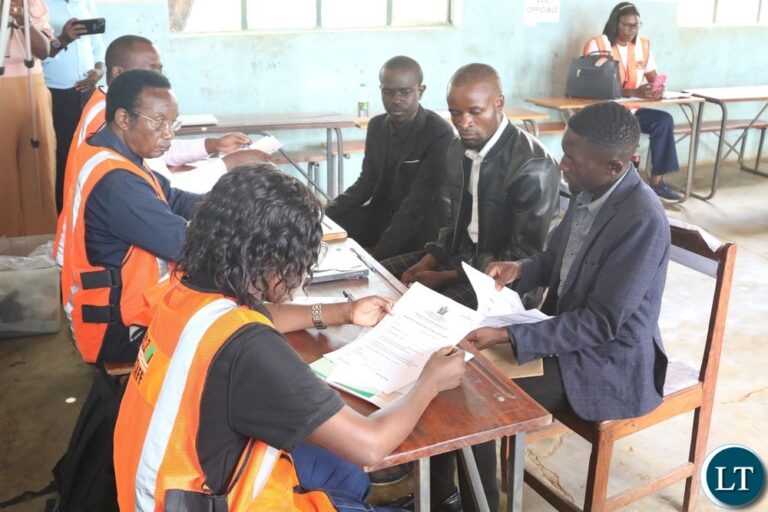
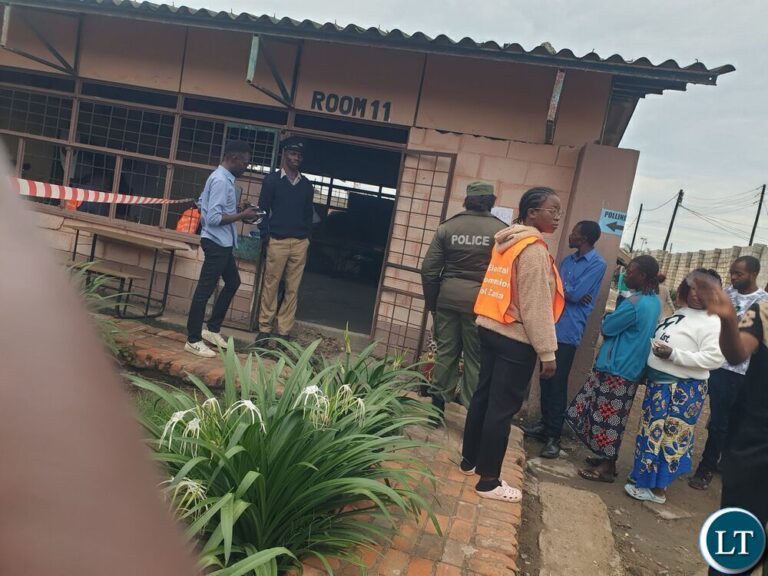
The recent Chawama by‑election, called after the seat held by Tasila Lungu was declared vacant, was widely viewed as another step in the UPND’s effort to erode opposition representation. The Speaker of the National Assembly, Nelly Mutti, has already faced criticism for decisions that appear to favor the ruling party. Declaring the seat vacant while the late former president’s burial remains unresolved only deepened public suspicion.
Many Zambians expected a predictable outcome: another ruling‑party victory and more “proof” that the opposition had collapsed.
But voters had other plans. Against the odds, and despite a crowded field of nine candidates that split the opposition vote, the Forum for Democracy and Development (FDD) under the TONSE alliance emerged victorious. Bright Nundwe’s 8,085 votes surpassed the UPND’s Morgan Muunda, who received 6,542.
This was more than a win. It was a political rebuke. It dismantled the ruling party’s narrative that Zambia lacks a viable opposition. It reminded the nation that democracy thrives only when those in power can be challenged and defeated.
Had the UPND captured Chawama, the “dead opposition” storyline would have hardened just months before the general election. Such a perception is dangerous. It can suppress voter turnout, create a false sense of inevitability, enable manipulation of public opinion, and weaken trust in the electoral process.
Instead, the Chawama result has injected hope into Zambia’s political bloodstream. It has shown that voters are not as easily swayed by propaganda as the ruling party might prefer.
The UPND has a history of struggling to accept electoral setbacks. That is why the “no opposition” narrative is so troubling. If left unchallenged, it could become the basis for rejecting unfavorable results in August 2026.
Zambia cannot afford that. Its democracy cannot survive on the terms of a single party. The Chawama by‑election should serve as a wake‑up call: opposition voices remain strong, and the electorate still values choice. Any attempt to silence or delegitimize those voices must be confronted directly.
For those of us who believe in a democracy with strong opposition and have chosen to defend it, the UPND’s repeated by‑election victories have been demoralizing. Combined with the persistent claim that “there is no opposition in the country,” hope for preserving a robust democracy had begun to fade.
Thank God that narrative has now been exposed for what it always was: a calculated piece of propaganda meant to demoralize voters and weaken democratic resistance. On January 16th, we woke up to a political reality that restored hope: the opposition is alive, active, and capable of winning.
I remain committed to defending a democracy built on strong opposition. If doing the same, I encourage you not to lose hope.