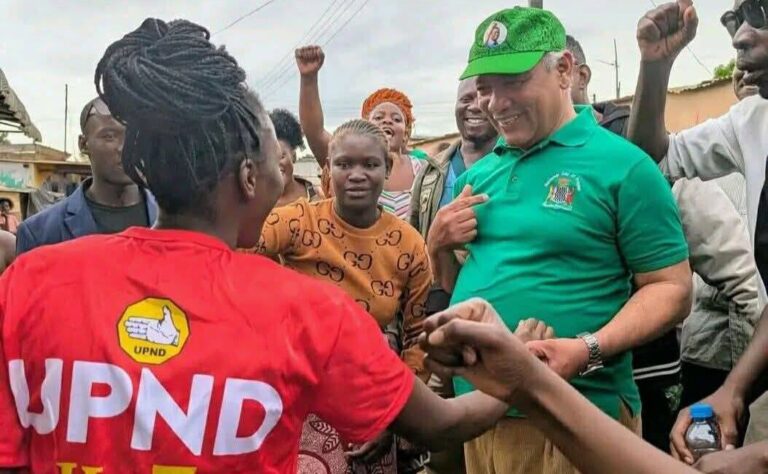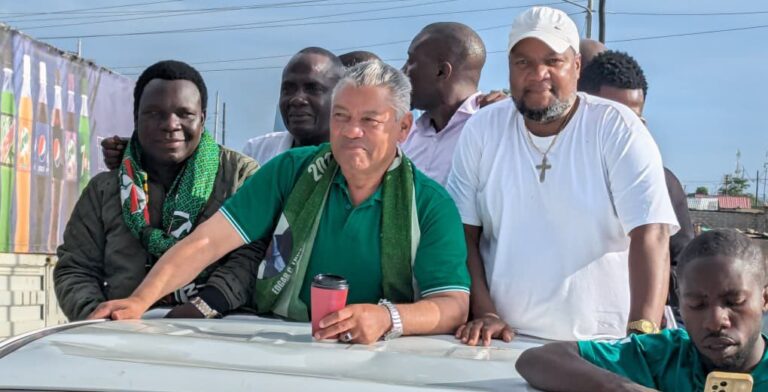
The road to the 2026 general elections is increasingly being defined by a clear contrast between governance delivery and opposition disarray. The peaceful conduct of the Chawama parliamentary by-election, coupled with measurable policy outcomes under the United Party for National Development (UPND), has reinforced the ruling party’s structural advantage, even in moments where it has not emerged victorious at the ballot.
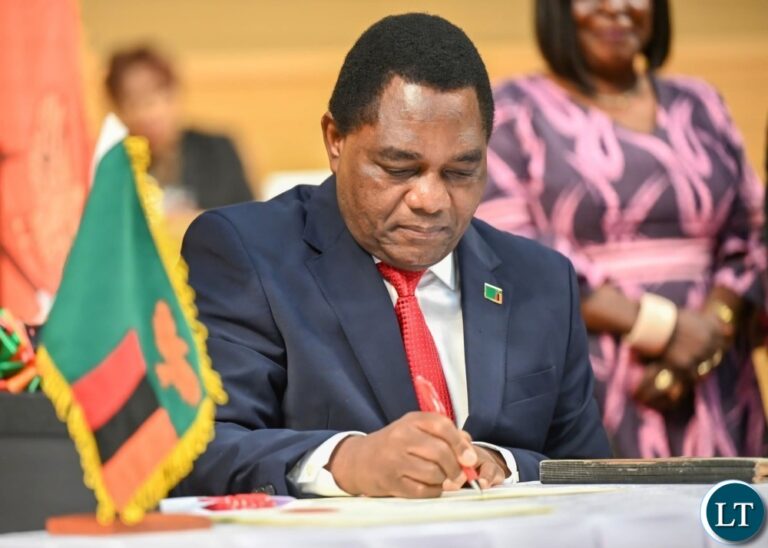
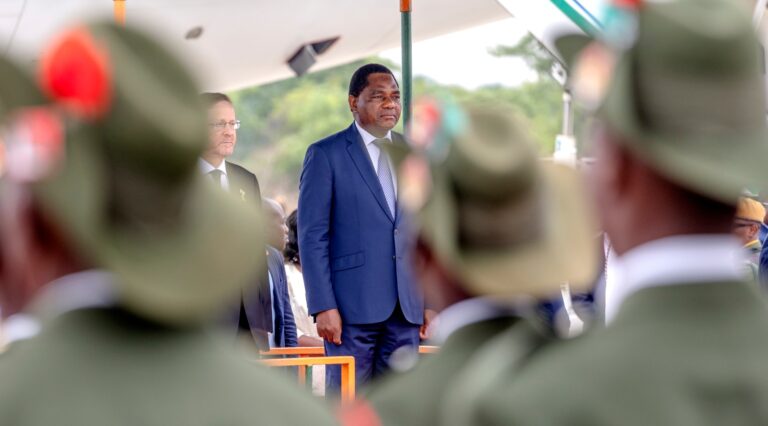
President Hakainde Hichilema openly commended political parties and independent candidates for maintaining calm and orderly campaigns in Chawama and other wards. He observed that the atmosphere stood in sharp contrast to past elections marked by violence, intimidation, and restricted political interaction. While on a working vacation attending to farming activities in Southern Province, the President continued to receive daily briefings and expressed satisfaction that political actors were able to engage freely and respectfully throughout the campaign period.
Following the by-election, State House challenged opposition figures who had alleged rigging and the existence of ghost polling stations to present evidence now that the process had concluded. At the same time, the President congratulated the winning candidate and praised the Electoral Commission of Zambia, law-enforcement agencies, and voters for conducting a peaceful and credible poll. The message was deliberate: democracy must be respected whether outcomes favour the ruling party or not.
Chawama is therefore instructive. UPND lost the seat, but gained something more consequential for 2026: proof that elections under its administration can be competitive, peaceful, and accepted without coercion or violence. The President’s response reflected institutional maturity, reinforcing confidence in democratic processes rather than undermining them. That posture matters to a growing segment of voters who value stability and order as much as political change.
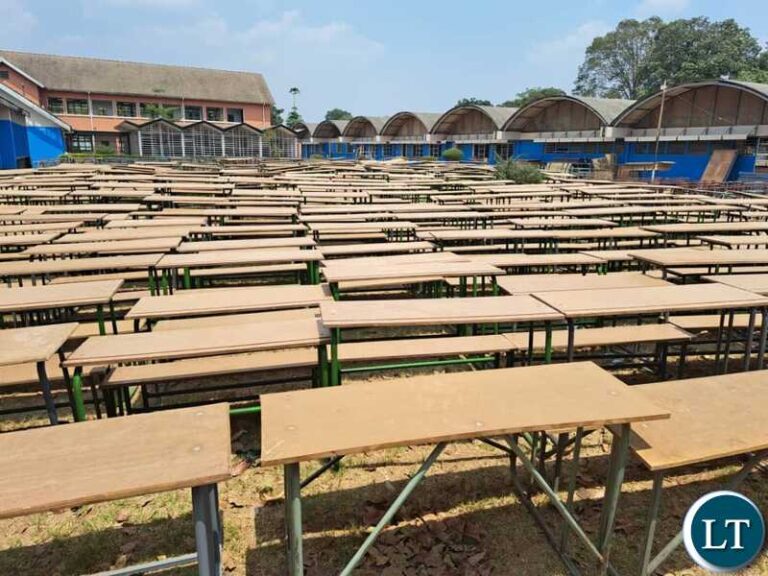
Beyond elections, UPND’s position going into 2026 is anchored in delivery across key sectors. In education, free primary and secondary schooling has been restored nationwide and entrenched in law, bringing nearly 2.3 million children back into classrooms. More than 45,000 teachers have been recruited, student meal allowances at public universities reinstated, and hundreds of thousands of desks distributed to address long-standing shortages. Skills bursaries and student loan support have widened access to higher education.
In health, over 14,000 health workers have been recruited to address staffing gaps, while increased allocations for medicines and supplies have improved availability. Using expanded Constituency Development Fund (CDF) resources, councils have constructed more than 1,000 health posts, bringing services closer to communities.
CDF itself has become one of the most visible governance shifts.K40 million per constituency, translating to over K6.2 billion nationally. This decentralisation has funded classrooms, health facilities, community roads, equipment, and empowerment loans, changing how development is experienced at local level.
On the economy, Zambia’s debt restructuring has restored macro-economic credibility and eased long-term pressure on public finances. Investor confidence has followed, with announced commitments including a US$1.25 billion expansion at Kansanshi Mine and a US$2 billion investment in the Mingomba copper deposit. These developments have been reinforced by sovereign credit rating upgrades in late 2025, signalling international confidence in Zambia’s reform trajectory.
Equally significant has been the stabilisation of the kwacha. Historically, the festive season brought predictable currency weakness as demand for foreign exchange surged. This pattern was broken in late 2025, when the kwacha held firm and strengthened. Strong copper performance played a role, but policy choices mattered more. The Bank of Zambia’s directive requiring domestic transactions to be conducted in kwacha curtailed dollarisation, triggering conversions that lifted the currency to its strongest levels in over two years.
Structural reforms have also reduced pressure on foreign exchange. Zambia has moved from spending about US$600 million annually importing fertiliser to becoming a net exporter to the region. Cabinet approval to export surplus maize, exceeding 500,000 tonnes, has further turned agriculture from a forex drain into a source of earnings. These shifts reflect a broader move toward export diversification and import substitution grounded in domestic production.
Governance reforms have reinforced institutional order. Political interference in markets and bus stations has been curtailed, the death penalty abolished, laws criminalising defamation of the president repealed, and the Access to Information Act enacted. Media space has widened, and the rule of law has been emphasised as a cornerstone of stability.
Cost-of-living pressures remain a challenge for many households, a reality the government has acknowledged. Yet, taken together, the record shows a governing party focused on stabilisation, reform, and delivery while maintaining democratic openness.
Set against this is an opposition landscape marked by fragmentation across parties, alliances, and factions. Disputes over authority and leadership have dominated headlines, diverting attention from coherent policy alternatives. In a first-past-the-post system, such fragmentation dilutes votes and weakens mobilisation.
The lesson from Chawama is not rejection, but affirmation. Peaceful competition, credible administration, and acceptance of outcomes strengthen democracy. Those gains, combined with delivery across education, health, decentralisation, and economic stabilisation, explain why UPND enters the 2026 horizon from a position of strength. Unless the opposition undertakes a holistic reset that goes beyond individual parties or alliances, the structural balance continues to favour the ruling party.