Saturday, June 13, 2026
11.8 C
Lusaka
Home Blog Page 183

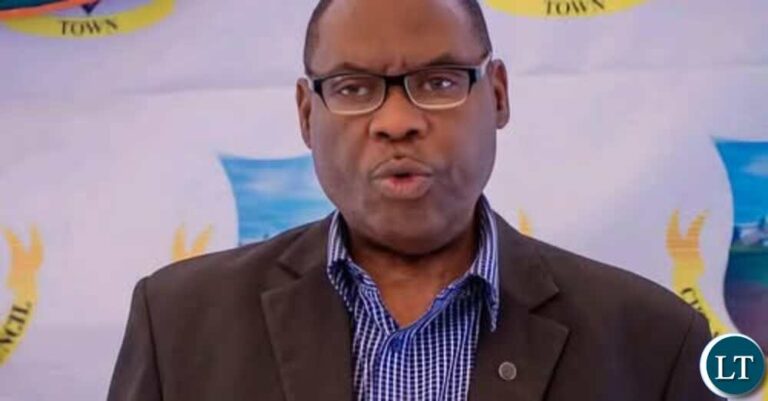
UPND Loses Chawama Seat but Gains Public Trust for Peace, Says Cheelo

2

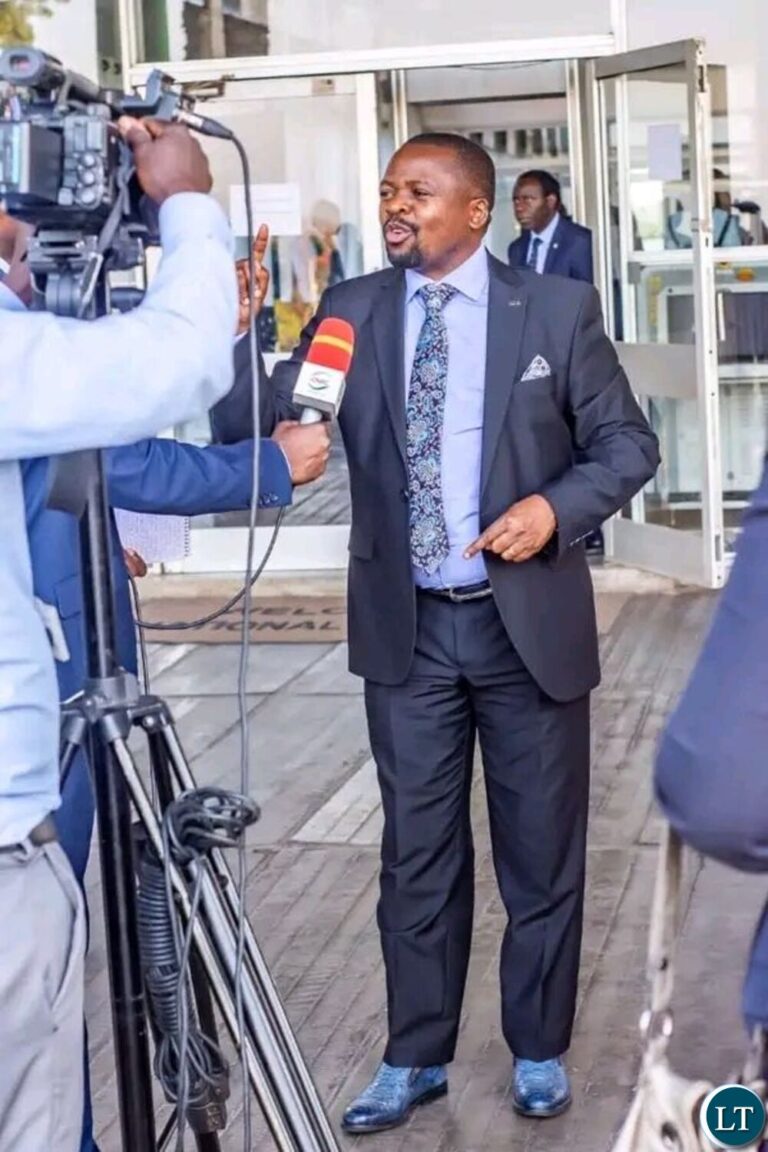
Monze Central United Party for National Development (UPND) aspiring candidate Victor Cheelo has acknowledged the party’s loss in the Chawama Parliamentary by-election, saying the ruling party nevertheless gained public trust by ensuring peace and order during the electoral process.

Chawama Constituency went to the polls on Thursday to elect a new Member of Parliament following the declaration of the seat vacant after prolonged absence by former lawmaker Tasila Lungu. Ms Lungu lost the seat after Parliament ruled that her continued absence from the National Assembly, following the death of her father, former President Edgar Lungu, rendered the seat vacant.

According to the official results, Forum for Democracy and Development (FDD) candidate Bright Nundwe won the election with 8,085 votes out of a total of 18,096 ballots cast. He defeated United Party for National Development (UPND) candidate Morgan Muunda, who polled 6,542 votes.

Reacting to the outcome, Mr Cheelo said although the UPND lost the seat, the party earned the trust of Zambians by maintaining peace and order throughout the by-election period.

He compared the conduct of the Chawama by-election to previous elections held under the former Patriotic Front (PF) administration, stating that past by-elections were often characterised by violence and alleged abuse by party cadres and law enforcement officers.

Mr Cheelo said the party would reflect on the outcome and address internal challenges to avoid similar losses in future elections.

He also expressed gratitude to President Hakainde Hichilema for promoting a peaceful political environment during the by-election period, describing the election as orderly and calm.

PF Members Campaigning With Opposition to Face Expulsion, Police Action – Chabinga

2

PATRIOTIC Front (PF) faction leader Robert Chabinga has warned that any PF members found campaigning with opposition political parties will be expelled and reported to the police.

Mr Chabinga said he was angered by what he described as continued disregard of his directives by some PF members, whom he had instructed not to associate with the opposition but to align themselves with the ruling United Party for National Development (UPND).

Commenting on the outcome of the recently concluded Chawama Parliamentary by-election, Mr Chabinga said some party officials had openly defied his instructions and would face disciplinary action, including expulsion from the party and possible police action.

He stated that he is in possession of all official PF documentation, commonly referred to as “Lugwalo,” and maintained that he is the authorised leader of the party who issues binding instructions.

Mr Chabinga further warned Miles Sampa, Given Lubinda and Chishimba Kambwili against presenting themselves as PF members, insisting that they do not belong to his faction of the party.

He said he would report to the police anyone found wearing PF regalia, describing such actions as impersonation.

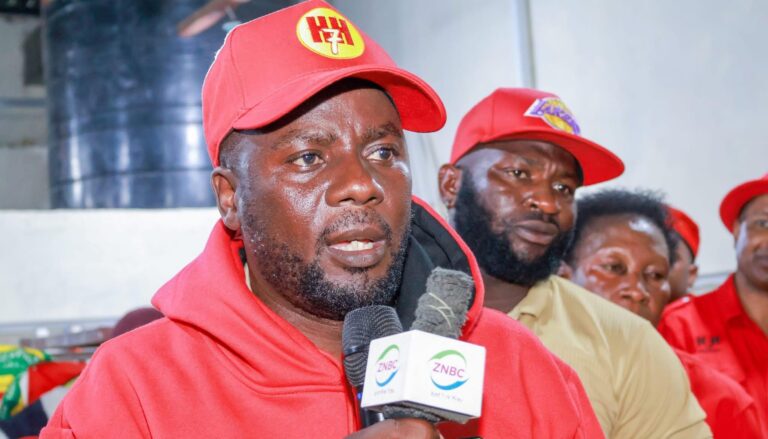
Meanwhile, Mr Chabinga said the Forum for Democracy and Development (FDD) won the Chawama by-election, attributing the outcome to what he termed sabotage by PF members who defied his directives. He added that police had been instructed to arrest anyone claiming PF membership after being expelled from the party.

Government Reviews Policy Direction After IMF Programme

Government Reviews Policy Direction After IMF Programme

The Government has begun outlining its next steps following the conclusion of Zambia’s IMF-supported programme, signalling a transition toward domestically anchored economic management while maintaining engagement with international financial institutions.

The IMF arrangement, which was implemented to stabilise the economy and support debt restructuring, played a central role in shaping fiscal policy, public financial management, and broader macroeconomic reforms. With the programme now concluded, authorities are assessing how to sustain the gains achieved under IMF supervision while charting an independent policy course.

Government officials have indicated that the end of the IMF-supported framework does not signal a withdrawal from cooperation with the Fund. Zambia is expected to continue engagement through surveillance processes, technical assistance, and policy consultations aimed at preserving fiscal discipline and macroeconomic stability.

The programme provided a structured framework for reforms, including measures to control public expenditure, enhance revenue mobilisation, and strengthen debt management systems. It also supported Zambia’s efforts to restructure external debt, a process that helped restore confidence among creditors and development partners.

As the country transitions beyond the programme, authorities face the challenge of maintaining reform momentum without the formal conditionality associated with IMF arrangements. Economic managers have acknowledged that policy consistency and institutional strength will be critical to preventing a return to fiscal imbalances.

Government has emphasised that post-IMF economic management will prioritise growth, job creation, and poverty reduction while safeguarding macroeconomic stability. Fiscal prudence remains a guiding principle, particularly in managing public debt and expenditure pressures.

Improved economic indicators, including currency performance and inflation trends, have been linked to reforms implemented during the IMF-supported period. Authorities are now focused on consolidating these gains by strengthening domestic institutions responsible for fiscal oversight and economic planning.

Continued engagement with the IMF is expected to provide technical support and policy guidance as Zambia refines its economic framework. This approach allows for alignment with international best practices while preserving national ownership of economic policy.

The transition period also presents opportunities for greater flexibility in policy design, enabling government to tailor interventions to local economic conditions. Officials have cautioned, however, that flexibility must be balanced with discipline to ensure long-term sustainability.

Economic planners have underscored the importance of protecting social spending during the post-IMF phase, ensuring that vulnerable populations benefit from economic recovery. Health, education, and social protection programmes remain central to government priorities.

Collaboration with other development partners is also expected to continue alongside IMF engagement. Multilateral and bilateral partners remain key sources of financing and technical expertise as Zambia pursues its development agenda.

Authorities have said transparency and accountability will remain essential to maintaining public and investor confidence. Clear communication of policy direction is viewed as critical to sustaining economic stability.

The Government maintains that the post-IMF period represents a new phase in Zambia’s economic management, one that builds on reforms already undertaken while reinforcing national ownership of policy decisions.

Kwacha Emerges as World’s Best-Performing Currency

2

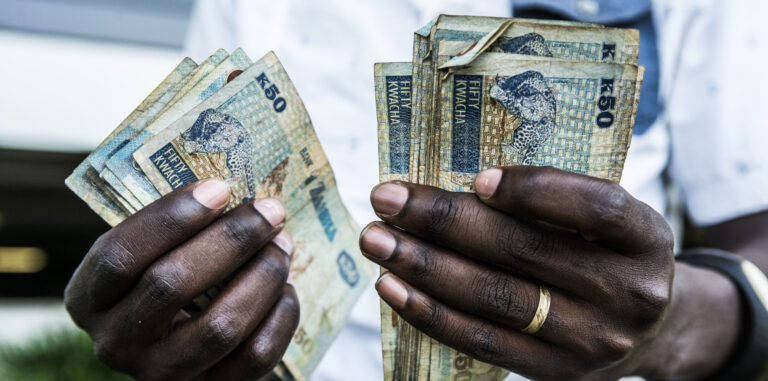
The Zambian kwacha has emerged as the world’s best-performing currency, reflecting a combination of strengthened macroeconomic management, improved fiscal discipline, and renewed confidence in the country’s economic direction.

The currency’s performance has been driven by a series of policy adjustments that have stabilised key economic indicators. Improved coordination between fiscal and monetary authorities has helped rein in inflationary pressures, stabilise liquidity conditions, and restore predictability in the foreign exchange market.

One of the major contributors to the kwacha’s appreciation has been improved balance-of-payments dynamics. Increased foreign exchange inflows, supported by export earnings and development financing, have strengthened reserves and reduced volatility in the currency market. These inflows have helped meet demand for foreign currency while easing pressure on the exchange rate.

Debt restructuring progress has also played a role in restoring confidence. By addressing external debt obligations and clarifying repayment frameworks, Zambia has reduced uncertainty among creditors and investors. This has improved perceptions of creditworthiness and lowered risk premiums, supporting currency stability.

Monetary policy actions have further supported the kwacha. Tight liquidity management and interest-rate measures have helped contain inflation and discourage speculative activity in the foreign exchange market. These steps have reinforced confidence in the currency and signalled commitment to macroeconomic stability.

The strengthening of the kwacha has had direct economic effects. A firmer currency has reduced the cost of imported goods, easing imported inflation and helping stabilise consumer prices. This has provided relief to households and businesses that rely on imported inputs, fuel, and consumer goods.

At the same time, authorities have emphasised the need to manage currency appreciation carefully to avoid undermining export competitiveness. Economic planners continue to monitor exchange-rate movements to ensure that gains in stability do not negatively affect export-oriented sectors.

Institutional reforms have also contributed to the kwacha’s performance. Improvements in public financial management, revenue administration, and fiscal transparency have strengthened confidence in economic governance. These reforms have enhanced predictability in policy implementation, a key factor in sustaining currency strength.

Investor sentiment has responded positively to clearer policy direction and improved macroeconomic indicators. Reduced uncertainty has encouraged inflows into government securities and other financial instruments, supporting demand for the kwacha.

Despite its strong performance, authorities acknowledge that sustaining currency stability will require continued discipline. External risks, including shifts in global commodity prices and tightening international financial conditions, remain potential challenges. Maintaining buffers and policy credibility is viewed as essential to preserving gains.

Economic managers have stressed that the kwacha’s current position reflects progress rather than permanence. Continued reforms, careful fiscal management, and institutional strength will determine whether the currency maintains its standing in global markets.

The kwacha’s performance has positioned Zambia favourably within international financial circles, drawing attention to the country’s reform trajectory. Authorities view this as an opportunity to consolidate stability while advancing inclusive economic growth.

Government Signals New Large-Scale Solar Power Project

1

Government Signals New Large-Scale Solar Power Project

The Government has announced plans to introduce another mega solar power project as part of ongoing efforts to strengthen electricity generation capacity and improve energy security across the country.

According to the Times of Zambia, the planned project forms part of a broader strategy to diversify Zambia’s energy mix and reduce reliance on hydropower, which has faced pressure during periods of reduced rainfall. Authorities say expanding solar generation is critical to ensuring consistent electricity supply for households, businesses, and key economic sectors.

Zambia’s power system has historically depended heavily on hydroelectric generation. While hydropower remains a major component of the national grid, variability in water levels has exposed vulnerabilities, prompting government to accelerate investment in alternative energy sources. Solar power has emerged as a central pillar in this diversification drive.

Officials indicated that the new mega solar project is expected to add significant capacity to the national grid, supporting stability and reducing the risk of load management. Large-scale solar facilities are designed to feed directly into transmission networks, allowing power to be distributed across regions.

The project is also aligned with national development goals that emphasise sustainable energy, climate resilience, and private sector participation. Government has previously stated that renewable energy projects offer opportunities for investment, job creation, and technology transfer.

The Times of Zambia reports that preparatory work for the project includes feasibility assessments, site identification, and engagement with potential developers. While specific capacity figures and timelines were not disclosed in the initial announcement, officials said the project would meet international standards and integrate with existing infrastructure.

Solar energy projects have gained momentum in recent years, with Zambia commissioning several utility-scale installations and encouraging independent power producers to enter the market. These initiatives have contributed to improved generation diversity and reduced pressure on hydro assets.

Authorities noted that solar power provides advantages in terms of scalability and speed of deployment. Compared with large hydro projects, solar facilities can be developed in shorter timeframes, allowing capacity to be added more rapidly to meet growing demand.

The new mega solar project is expected to support economic activity by providing more reliable power to industrial zones, commercial centres, and rural communities connected to the grid. Stable electricity supply is viewed as a prerequisite for manufacturing growth, mining operations, and service delivery.

Government officials also highlighted the role of renewable energy in meeting environmental commitments. Expanding solar generation contributes to lower greenhouse gas emissions and aligns with regional and global efforts to transition toward cleaner energy sources.

The project forms part of a wider pipeline of energy investments aimed at modernising Zambia’s power sector. In addition to solar, authorities continue to explore options for thermal, wind, and other renewable technologies to balance the grid.

As demand for electricity continues to grow alongside population increase and economic expansion, energy planners say diversified generation sources are essential. The planned mega solar project is expected to play a role in meeting future demand while enhancing resilience against climate-related risks.

The Government maintains that expanding solar capacity is not only a response to current challenges but also a long-term investment in sustainable development and energy security.

Democracy Demonstrated in Chawama – Hichilema

2

Democracy Demonstrated in Chawama – Hichilema

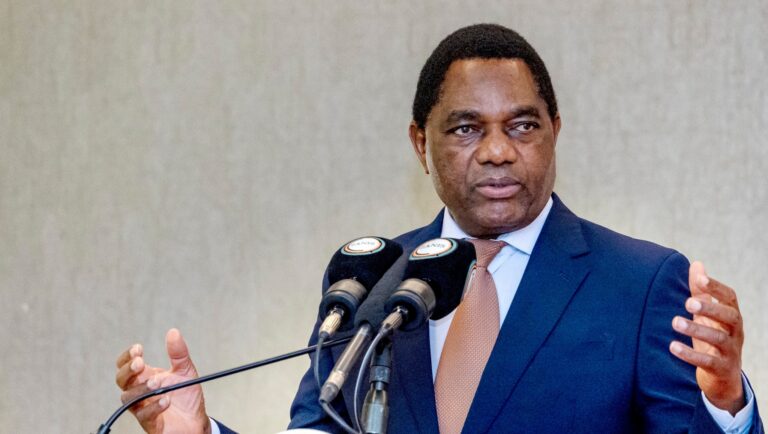
President Hakainde Hichilema has described Zambia’s democratic process as thriving after congratulating the Forum for Democracy and Development and its candidate, Bright Nundwe, for winning the Chawama parliamentary by-election.

Speaking following the announcement of the final results, President Hichilema said the outcome of the Chawama vote reflected the strength of Zambia’s democratic institutions and the maturity of the country’s electoral culture. He noted that elections are designed to allow citizens to choose their representatives freely, and that the peaceful conduct of the by-election demonstrated public commitment to democratic principles.

The President extended his congratulations to the winning candidate and the FDD leadership, acknowledging that electoral contests inevitably produce winners and losers. He said acceptance of results is essential for national unity and political stability, adding that democracy functions best when all participants respect the will of the electorate.

President Hichilema also commended the people of Chawama for their participation in the electoral process, stating that voter engagement is central to democratic governance. He praised residents for exercising their civic rights peacefully and responsibly throughout the campaign period and on polling day.

The Head of State further acknowledged the role played by the Electoral Commission of Zambia in administering the by-election, as well as the Zambia Police Service and other security agencies for maintaining law and order. He said their professionalism contributed to an environment in which voters were able to cast their ballots without intimidation or disruption.

The Chawama parliamentary seat became vacant following the prolonged absence of the former Member of Parliament, leading to the declaration of a by-election. The vacancy attracted national attention, with multiple political parties contesting the seat amid heightened political interest.

FDD candidate Bright Nundwe emerged victorious after a competitive race, securing enough votes to defeat candidates from the ruling United Party for National Development and other opposition parties. The result marked a significant win for the FDD, which has sought to reassert its relevance within Zambia’s opposition political landscape.

President Hichilema noted that democratic progress is measured not only by electoral victories, but also by how political actors respond to defeat. He said peaceful acceptance of results reinforces confidence in institutions and strengthens democratic accountability.

The President reiterated that elections provide an opportunity for reflection and improvement, both for winners and those who do not succeed. He encouraged political parties to continue engaging citizens constructively and to focus on addressing issues affecting communities.

The Chawama by-election has been viewed as an indicator of voter sentiment in urban constituencies, where competition among parties remains strong. Analysts have noted that such contests highlight the importance of grassroots mobilisation and responsiveness to local concerns.

President Hichilema said the Government remains committed to upholding democratic values and ensuring that future elections continue to be conducted transparently and peacefully. He emphasised that respect for democratic outcomes is fundamental to national cohesion.

As attention turns toward preparations for the 2026 general elections, the President said the Chawama experience serves as a reminder of the responsibility borne by leaders to protect democratic institutions and respect the choices made by citizens.

UPND Says Chawama Loss Part of Democratic Process

UPND Says Chawama Loss Part of Democratic Process

The United Party for National Development has said its loss in the Chawama parliamentary by-election should not be interpreted as a broader political setback, stating that democratic systems inherently produce both victories and defeats.

In a statement following the declaration of results, UPND officials said elections are competitive by design and that no political party can expect to win every contest. The party stressed that the Chawama outcome reflects voter choice within a single constituency rather than a rejection of its national agenda.

The ruling party noted that democratic maturity is demonstrated through acceptance of electoral outcomes and respect for institutional processes. It said the peaceful conduct of the Chawama by-election underscored the strength of Zambia’s democratic framework.

UPND leaders acknowledged that the loss requires internal reflection and renewed engagement with constituents, particularly in urban areas where voter expectations remain high. They said the party would review campaign strategies and feedback from the electorate.

The Chawama by-election attracted significant attention due to its political context and the number of parties involved. The ruling party had invested considerable resources in the campaign, making the result a focal point of national discussion.

Despite the loss, UPND officials maintained that the party’s governance record remains intact and that development programmes underway across the country continue unaffected. They emphasised that parliamentary by-elections do not override the mandate granted through general elections.

The party also reiterated its commitment to democratic norms, stating that peaceful acceptance of results is essential for political stability. Leaders commended election authorities and security agencies for managing the process without incident.

UPND said it remains focused on service delivery and policy implementation, while recognising the importance of electoral competition in strengthening accountability.

The party concluded that democratic governance requires resilience and adaptability, both of which involve learning from electoral outcomes and responding constructively.


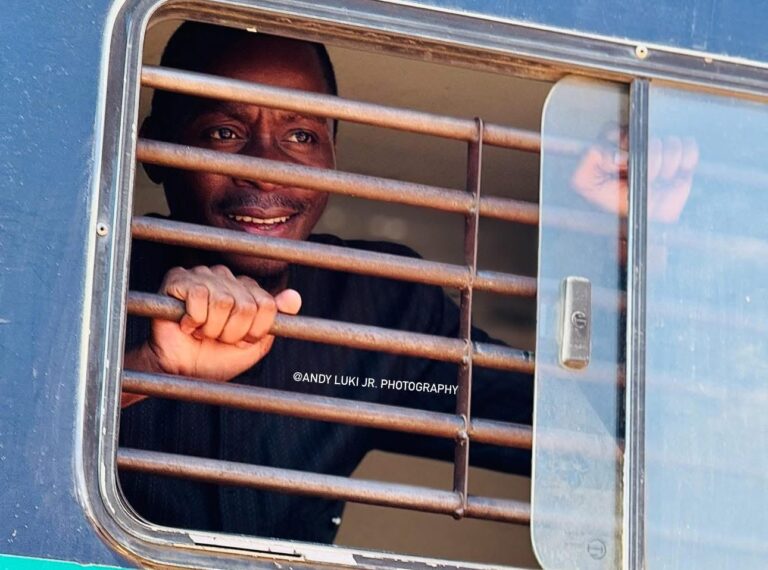
Munir Urges Opposition Unity From Prison Ahead of 2026 Elections

Incarcerated opposition figure Munir has issued a call for unity among opposition political leaders, warning that internal divisions and personal ambition could undermine prospects for regime change ahead of the 2026 General Elections.

Writing from prison, Munir reflected on Zambia’s 2001 general election, arguing that opposition disunity at the time played a decisive role in the victory of the Movement for Multi-Party Democracy (MMD). He said that had opposition leaders Ben Mwila and General Godfrey Miyanda set aside personal ambition and worked together, the election outcome would likely have been different.

Munir said the decision by the two opposition figures to contest the presidency separately split the opposition vote, allowing Levy Mwanawasa to win. He said voters were spread across competing opposition candidates, weakening their collective strength and handing victory to the ruling party.

He said the political environment today bears similarities to that period, with opposition politics again shaped by what he described as ego and self-centeredness. Munir said the opposition appeared fragmented, despite what he described as widespread public dissatisfaction with the current political order.

According to Munir, opposition leaders who believe they can defeat the ruling party individually were misreading the political reality. He said political change becomes easier when opposition groups unite, but said this required personal ambition to be subordinated to a collective objective.

Munir warned that unchecked ambition had consequences, stating that some opposition figures who believed they could challenge the ruling establishment alone were already finding themselves incarcerated. He said those currently free but driven by ego risked facing similar consequences in the future.

He said imprisonment had become a recurring experience for opposition figures in Zambia, arguing that divisions within opposition ranks made them vulnerable. Munir said political history showed that internal fragmentation often preceded electoral defeat and political repression.

Turning to the Patriotic Front (PF), Munir said it was no secret that the party had identifiable frontrunners with significant followings. He argued that the party’s chances of returning to government would be strengthened if its leading figures agreed to work together rather than pursuing individual presidential ambitions.

Munir cited Makebi Zulu and Brian Mundubile as examples of figures with substantial support bases within the PF. He questioned whether either could win a presidential election independently if both chose to contest separately.

He suggested that if the two leaders agreed to work as one, with one standing as presidential candidate and the other as running mate, the party would significantly improve its electoral prospects. Munir said such an arrangement would demonstrate maturity and commitment to winning power rather than personal advancement.

He said the discussion was necessary if the objective was to win elections and form government, but should be avoided if the aim was to undermine public aspirations. Munir said opposition leaders needed to reflect carefully on their decisions and consider the broader national interest.

He urged both Makebi Zulu and Brian Mundubile to independently assess their political choices without being influenced by emotionally charged supporters. Munir said political supporters were often driven by passion and loyalty, which could cloud judgment and obscure long-term consequences.

Munir quoted the Bible, citing Ecclesiastes 9:11, which states that success does not always go to the swift, the strong, or the wise, but is influenced by time and chance. He said current political circumstances appeared to favour two individuals and argued that others should consider yielding for the sake of unity.

He said a unified Patriotic Front would make it easier for other opposition parties to rally around a single front, creating a consolidated challenge to the ruling party in the 2026 elections.

Munir said failure to pursue unity would only benefit the ruling establishment and make electoral victory easier for them. He said opposition unity was not optional if meaningful political change was to be achieved.

He concluded by affirming his continued commitment to opposition politics and addressed the people of Chawama, stating that the spirit of resistance within the opposition remained alive despite imprisonment.

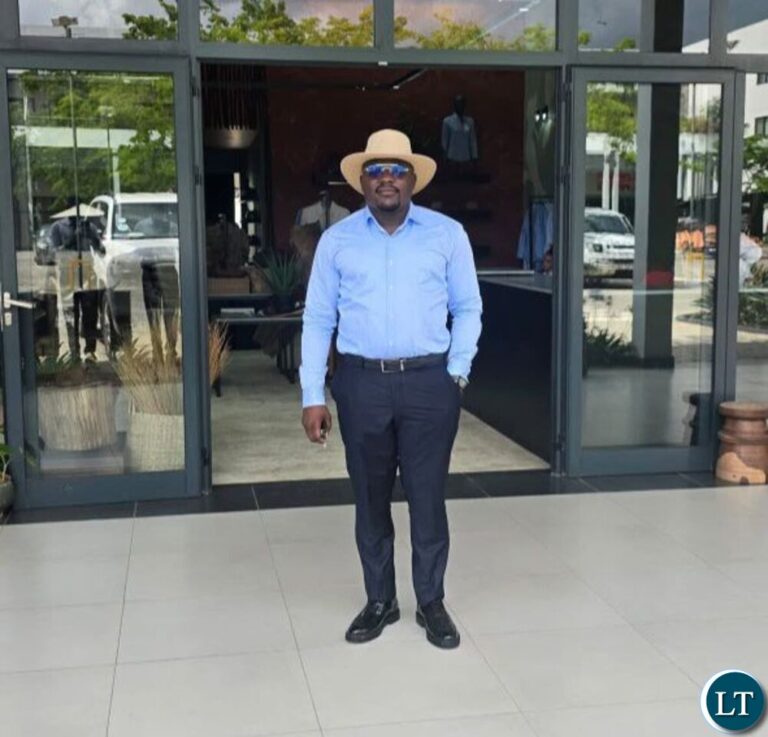
General “Mosquito” says the Chawama loss should be treated as a learning experience.

General “Mosquito” says the Chawama loss should be treated as a learning experience.

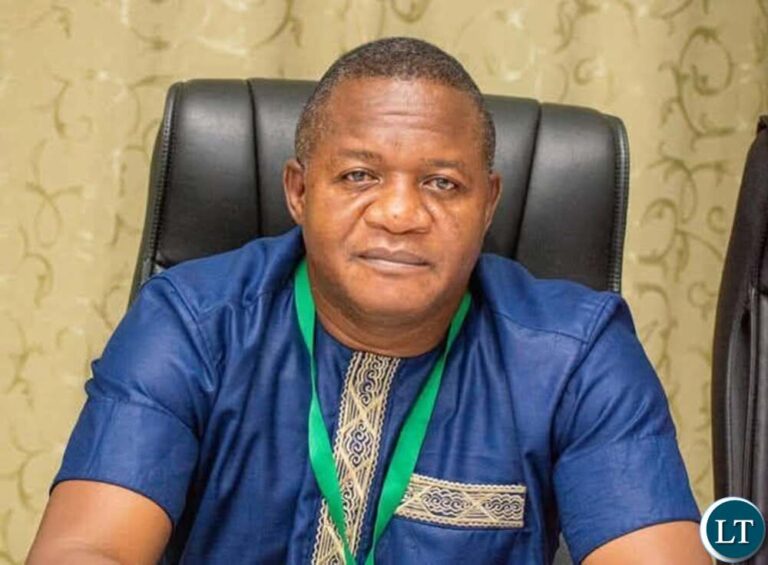
UPND National Youth Chairman Gilbert Liswaniso has described the party’s defeat in the Chawama parliamentary by-election as painful but instructive, saying the outcome has exposed areas that require correction ahead of the 2026 General Election.

Liswaniso said the party remained grateful to all stakeholders who participated in the campaign and stated that the experience had provided lessons that would shape future electoral engagements. He said the by-election offered an opportunity for internal review, particularly among party leaders in Lusaka and campaign teams that supported the process from other provinces.

He said the loss should not be treated lightly and noted that electoral outcomes often reflect both strengths and weaknesses in organisation, messaging, and ground mobilisation. Liswaniso stated that the party leadership was prepared to reflect on the outcome and identify areas that may have contributed to the defeat.

The UPND youth leader thanked President Hakainde Hichilema for the support rendered during the campaign period. He also expressed appreciation to UPND Chairperson Collins Maoma and Secretary General Batuke Imenda for their involvement in the campaign process.

Liswaniso further acknowledged the campaign team led by Isaac Zulu, the provincial leadership, and several party officials who took part in the by-election. He said their participation reflected collective effort and commitment within the party, despite the result not being in the party’s favour.

“We want to thank all those who did their best and played their part in this just-past by-election in Chawama,” Liswaniso said.

He admitted that the party leadership was not without fault and appealed for constructive criticism from party members and supporters. He said his leadership remained open to dialogue and accepted that mistakes may have been made during the campaign period.

Liswaniso said the party did not consider itself perfect and recognised that leadership required accountability, especially after an electoral loss. He stated that the party intended to learn from the experience and apply the lessons in future contests.

He identified the peaceful conduct of the campaign and the by-election as one of the key outcomes of the process. Liswaniso said voters were able to participate freely before, during, and after polling day, which he described as a positive reflection of democratic practice.

“Our success is the peace and freedom our people enjoyed during this campaign and after it,” he said.

Liswaniso congratulated Forum for Democracy and Development candidate Bright Nundwe on winning the Chawama parliamentary seat. He said the victory was achieved in a democratic environment and reflected the will of the voters who participated in the by-election.

He said the result should trigger serious internal reflection within the UPND, especially among leaders in Chawama, to assess factors that may have influenced voter decisions. Liswaniso said leadership at constituency level needed to review campaign strategies, engagement methods, and organisational structures used during the by-election.

He said political losses were often difficult to accept and acknowledged that many leaders preferred to distance themselves from defeat. Liswaniso stated that the UPND leadership was prepared to take responsibility for the outcome and accept blame where necessary.

“We know and understand that no one wants to associate themselves with a loss, but we take the blame,” he said.

Liswaniso said both winning and losing carried lessons within a democratic system and noted that electoral competition required humility, discipline, and continuous engagement with voters. He said the party would use the experience to improve its approach ahead of future elections.

Choppies–UNZA Management Programme launched

0

 Minister of Youth, Sport and Arts, Elvis Nkandu has launched the THINK Management Development Programme and witnessed the signing of a memorandum of understanding (MoU) between retail chain Choppies and the University of Zambia (UNZA).

Mr Nkandu has described the partnership as a key step in advancing youth empowerment and job creation.

Speaking at the event in Lusaka, Mr Nkandu said the programme aligns with the Government’s priorities of human capital development, skills training and stronger public–private partnerships under President Hakainde Hichilema.

The media reports that Mr Nkandu said the government had placed young people at the center of Zambia’s economic agenda, citing initiatives such as free education from Grade 1 to 12, expanded access to higher education and efforts to link education to employment and entrepreneurship.

“The partnership between Choppies and the University of Zambia demonstrates how collaboration between the private sector and learning institutions can deliver meaningful results by preparing young people for the workplace,” Mr Nkandu said.

He pointed out that the THINK Management Development Programme will target both fresh graduates and existing Choppies employees, equipping them with skills in leadership, operations, customer service and the use of technology.

Mr Nkandu said this approach will help young people transition from the classroom into productive employment and management roles.

He noted that the retail and fast-moving consumer goods sector plays a significant role in Zambia’s economy by supporting local farmers and suppliers and creating jobs, particularly for young people entering the labour market for the first time.

“For this sector to continue growing, it needs trained managers and strong leaders. This programme is designed to build exactly that capacity,” Mr Nkandu said.

The Minister commended Choppies for investing in human capital and UNZA for partnering with industry to prepare students for the realities of the workplace.

Mr Nkandu also urged participants in the programme to work hard, remain disciplined and uphold integrity, saying the future of Zambia’s workforce depended on their commitment.

He reaffirmed the government’s support for skills development initiatives and partnerships that create jobs and stimulate economic growth.

University of Zambia(UNZA)  Vice Chancellor, Mundia Muya  said  the university  believes  strategic partnerships with  industry  players  such as Choppies   were  critical  in responding to  current  challenges  and preparing graduates  for real world  leadership roles .

Choppies Representative for the Country Head   for Choppies,    Sitamulaho Monde said the program will expose graduates to all practicalities of running a business.

Meanwhile, a beneficiary graduate, James Machamanda said the opportunity will expose them to practical leadership experience adding that strong leadership emanates from practical experience.

RTSA Appoints Bus Drivers as Road Safety Ambassadors

2

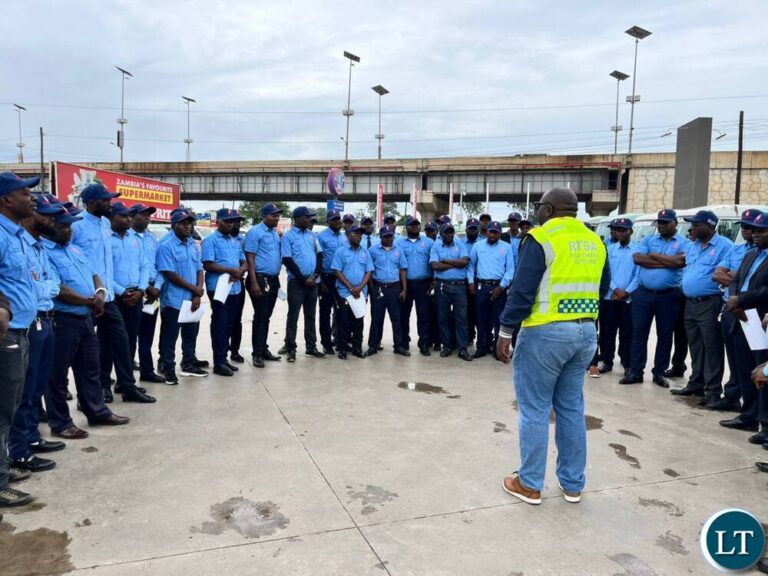
The Road Transport and Safety Agency (RTSA) has appointed selected bus drivers in Lusaka as road safety ambassadors in a move aimed at reducing road traffic crashes and saving lives.

The Road Safety Ambassador Programme forms part of RTSA’s broader strategy to promote responsible road use and improve safety on the country’s roads.

RTSA Head of Public Relations Chilufya Mwelwa said the initiative targets drivers operating from Kulima Tower, Millennium, Lumumba and City Market bus stations, describing them as some of the most visible and influential road users due to the amount of time they spend on the roads.

Mwelwa noted that road traffic crashes continue to claim lives mainly as a result of human error, including speeding, drink-driving, fatigue, distraction and disregard for traffic regulations.

She explained that by appointing bus drivers as ambassadors, RTSA is placing responsibility in the hands of drivers whose conduct is frequently emulated by other motorists.

“This role is not ceremonial. It demands discipline, integrity and strict adherence to traffic laws. There is no tolerance for reckless driving, speeding, drink-driving, overloading or competing on public roads,” Mwelwa said.

She added that bus drivers operating in Lusaka carry greater responsibility due to heavy traffic congestion and the high number of pedestrians, who are often the most vulnerable to careless driving.

Mwelwa urged the appointed ambassadors to lead by example, discourage unsafe driving practices among their peers and prioritise safety over profit. She said that when bus drivers practise defensive driving and respect traffic laws, overall road discipline improves as other road users follow their example.

ECZ Demands Apology from Miles Sampa Over Alleged False Claims

2

The Electoral Commission of Zambia (ECZ) has demanded an apology from Matero Member of Parliament Miles Sampa over what it has described as false allegations, warning that failure to do so will result in legal action.

This follows claims circulating on social media and attributed to Mr Sampa, alleging that the Commission had set up a fake polling station along Lilayi Road for the Chawama parliamentary by-election. Mr Sampa is also alleged to have reported the matter to Chilanga Police Station.

However, ECZ Chief Electoral Officer Brown Kasaro has dismissed the allegations as false, misleading, and unfounded.

In a statement, Mr Kasaro clarified that there are 111 gazetted polling stations in Chawama Constituency, two of which are located at Mutason Shopping Centre along Lilayi Road and are operating in tents.

“Members of the public may also wish to know that all the 111 gazetted polling stations opened at 06:00 hours and will close at the official time of 18:00 hours,” Mr Kasaro said.

He added that the Commission found it concerning that such serious allegations could be made by a serving Member of Parliament without verification.

“These allegations were disseminated publicly in a manner that may cause unnecessary alarm, confusion and mistrust among voters and stakeholders,” Mr Kasaro said.

Hauptle Says Copper Queens Face Tough Group at 2026 WAfCON

0
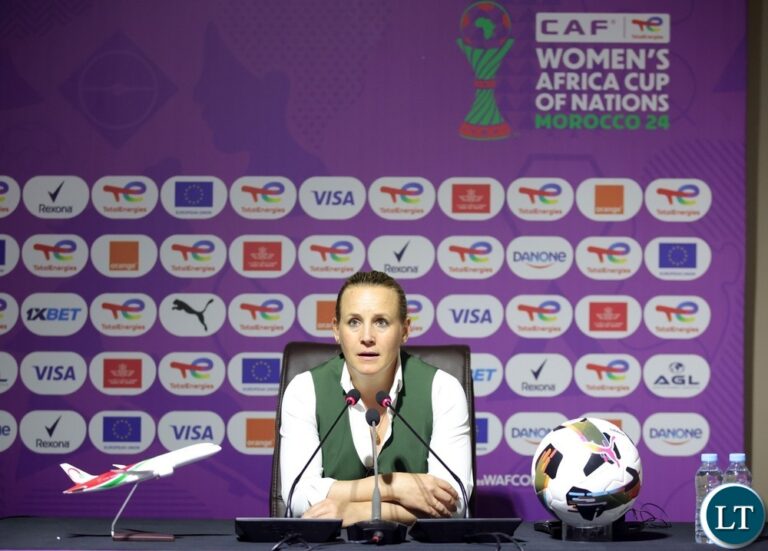
Copper Queens head coach Nora Hauptle has acknowledged that Zambia has been drawn into a difficult group for the 2026 Women’s Africa Cup of Nations (WAfCON), scheduled to kick off in March in Morocco.

Zambia were eliminated at the quarterfinal stage of the previous WAfCON after suffering a 5–0 defeat to Nigeria, a team they are set to face again in the group stage of the upcoming tournament.

Following the draw conducted in Morocco, Zambia were placed in Group C alongside defending champions Nigeria, Egypt, and COSAFA rivals Malawi.

Speaking after witnessing the draw, Hauptle cautioned against underestimating Malawi and described Nigeria as a major challenge due to their status as reigning champions.

“We have a very tough group with Nigeria, the current champion, and we have Malawi also. Don’t underestimate Malawi. I think when we succeed in this group, then we’re going to get very strong in the knockouts,” Hauptle said.

The Swiss coach, who missed Zambia’s last two international friendly matches in Malawi, is expected to return in time to oversee preparations for the continental tournament.

Reflecting on Zambia’s previous encounter with Nigeria, Hauptle said facing the champions earlier in the competition presents a different challenge.

“Last time we lost against Nigeria, the current champions; this time we face them in the group stage. I am happy that we face them a bit earlier. I think it’s to find a good tactical key, and I think when we really survive this strong group, we’re going to get very confident in the knockout stage,” she said.

In Group A, hosts Morocco will compete against Algeria, Senegal, and Kenya. Group B features former champions South Africa, Burkina Faso, Tanzania, and Uganda. Group D includes Ghana, Cameroon, Mali, and Cape Verde.

Public schools urged not to force parents to buy uniforms from schools

1

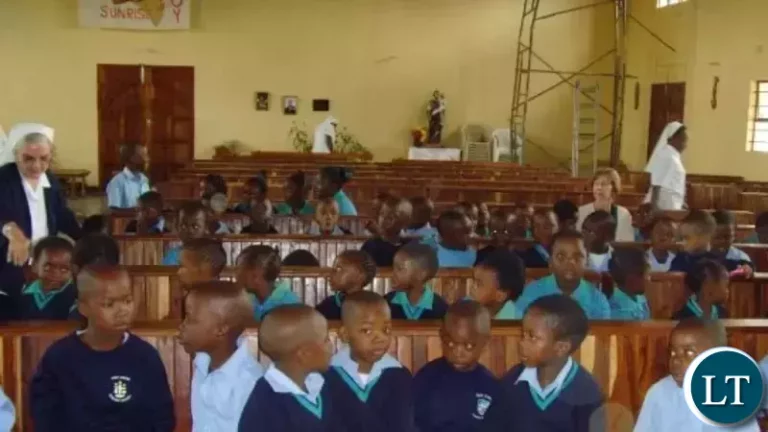
The Ministry of Education has called on all public schools across the country not to force parents to buy uniforms from schools for their children.

Ministry of Education Assistant Director and Head of Communications, Kunda Mando, says the free education policy aims to remove burdens like school fees and other requisites to ensure more access education.

In a statement to the media, Ms Mando stressed that the free education policy ensures that there are no fees, including, examination, feeding or user fees to be charged to parents or pupils, stating that frustrating the policy is detrimental to the government’s vision.

“Ministry of Education gives grants to schools every term to ensure that schools are running sustainably and therefore, government does not expect any teacher, Headteacher or school administration to charge for uniforms or any other school requirements,” she emphasised.

She says school authorities should allow parents to buy uniforms for the children from places where they can afford provided, they follow the correct color and design of the school uniform for that particular school.

Ms Mando has underscored that government’s vision is to see that every child in Zambia has access to free education without any hindrance from school authorities or anyone in society.

Government committed to restore peace in the SADC region

0

Government has reaffirmed its commitment to regional and International efforts in restoring peace and security in the Southern African Development Community-SADC as well as the Great Lakes Region, citing dialogue as a key tool in these efforts.

Minister of Defence Ambrose Lufuma and his Democratic Republic of Congo counterpart, Minister of the Interior, Security, Decentralisation, and Customary Affairs, Jacquemin Shabani Lukoo jointly officially opened the 14th Session of the DRC and Zambia Joint Permanent Commission (JPC) on Defence and Security Ministerial Meeting being held in Lubumbashi.

ZANIS reports that Mr Lufuma noted that it is important that resolutions made by Zambia and the Democratic Republic of Congo following the Joint Permanent Commission Meeting, should be responsive to the security needs of the two nations and the region.

He expressed the need for peace and stability noting that it cannot be over emphasised especially with the growing economic activities between the two countries.

The Minister added that it is important that the two Defence forces from the bilateral nations intensify Joint security operations to neutralise common threats.

Mr Lufuma however emphasised the critical role of the JPC in curbing threats that undermine security in the two countries and beyond.

He further added that both countries should effectively explore various strategies that will positively contribute to the security as well as economic welfare of the two people.

“Our meetings should not be taken as a mere routine but a platform to support meaningful dialogue. We owe this much to our heads of state who have entrusted us with a huge responsibility to safeguard our countries, “he said.

Democratic Republic of Congo, Minister of the Interior, Security, Decentralisation, and Customary Affairs, Jacquemin Shabani Lukoo also highlighted that the DRC and Zambia share a relationship beyond the shared borders, emphasising that the two nations share a common history that binds them together.

Mr Lukoo noted that the JPC meeting will allow for the two countries to put in place security strategic measures in order to address common challenges.

He further paid tribute to the two heads of state of the two countries, President Hakainde Hichilema and his Congolese counterpart, Felix Tshisekedi for their commitment in fostering peace and enhancing bilateral relations.