Sunday, June 14, 2026
11.5 C
Lusaka
Home Blog Page 2

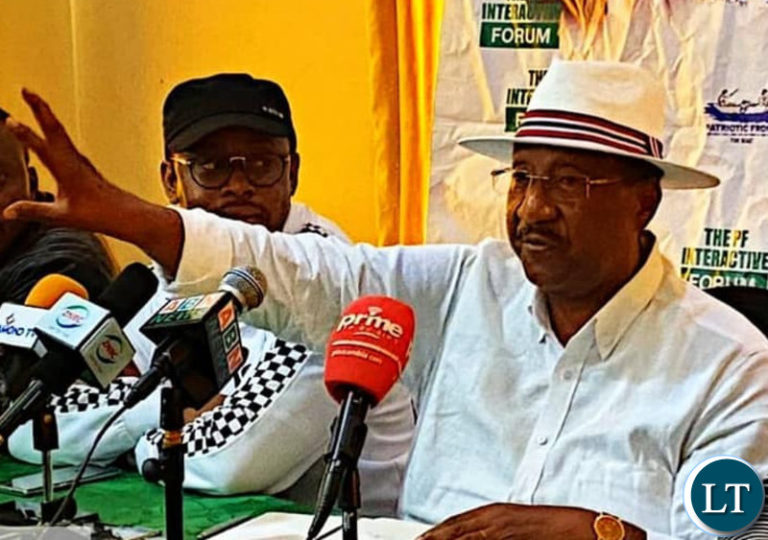
Tonse Alliance Raises Concerns Over Campaign Fairness

The Tonse Alliance says it wants a level playing field. What it says it is experiencing, however, is something different.

The opposition alliance has raised concerns about whether all parties are genuinely competing on equal footing ahead of the August 13 general election. Alliance leaders say the integrity of an election is shaped not only by what happens on voting day, but also by the conditions under which political parties campaign, mobilise supporters and engage with citizens.

The concerns are not abstract. Among the issues highlighted by the alliance are access to public venues, movement of political leaders, interactions with law enforcement agencies and the broader environment in which opposition candidates are campaigning. Alliance officials say these are not minor administrative matters. They affect whether political competition is conducted fairly and openly.

Tonse Alliance officials have framed their concerns in principled rather than partisan terms. Fairness, they say, is not intended to benefit one political party at the expense of another. It is a democratic requirement that protects all participants regardless of political affiliation. When applied consistently, they say, the principle benefits both political competitors and voters.

The alliance has also focused attention on the role of institutions. According to alliance leaders, public confidence in elections depends on citizens believing that institutions responsible for maintaining order and overseeing aspects of the electoral process perform their duties impartially. They say perceptions of uneven enforcement or political bias can weaken confidence in the electoral system.

There is also a practical dimension to the issue. Alliance officials say that when candidates encounter obstacles in reaching voters, attention can shift away from matters such as employment, economic growth, service delivery and development. They maintain that campaigns should primarily be centred on policy proposals and leadership choices.

Alliance leaders say they are not seeking special treatment. They maintain that they remain fully committed to participating in the electoral process and presenting their vision to voters across the country. Their appeals to institutions, they say, are intended to encourage adherence to democratic standards and strengthen public confidence.

The alliance notes that Zambia has built a reputation for peaceful political transitions and active civic participation. Tonse Alliance officials say that record should be protected through a shared commitment to fairness by political parties, public institutions and citizens.

The campaign period is entering a more intensive phase, and questions surrounding fairness and equal access are likely to remain prominent. For the Tonse Alliance, the central message is that electoral competition should take place on a level playing field where every candidate and every political party has an equal opportunity to engage voters and present its case to the nation.
Violence Has No Place in My Movement, Says Mundubile

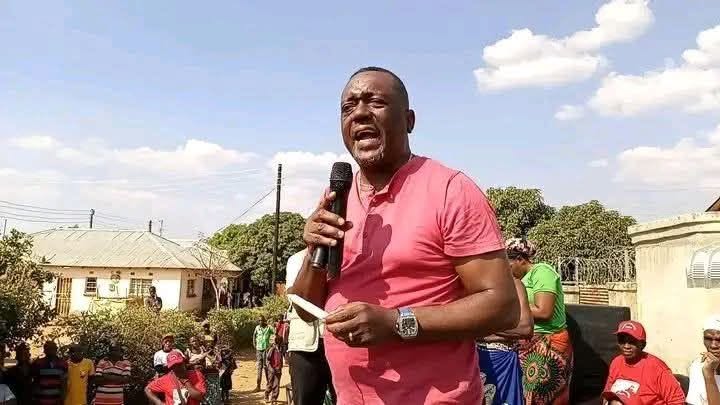
Tonse Alliance presidential candidate Brian Mundubile has come out strongly against political violence, declaring that intimidation, harassment and attacks on political opponents are incompatible with democratic competition and will play no part in his movement.

Speaking as concern mounts over reported incidents in various parts of the country during the campaign period, Mr Mundubile said Zambia’s democratic tradition can only be safeguarded if political actors commit themselves to peaceful engagement and genuine respect for differing views.

Elections, he said, should be decided by ideas, policies and the will of the people, not by fear or force.

Mr Mundubile was clear that every citizen must be free to attend rallies, support candidates of their choice and participate in campaigns without facing threats or interference. Political parties, he added, carry a direct responsibility to steer their supporters toward peaceful conduct and to avoid actions that could inflame tensions within communities.

His remarks come at a charged moment. With the August 13 general election now less than two months away, campaign activity is intensifying across the country. Parties are deepening their mobilisation efforts, launching programmes and pushing into communities as the race for State House gathers momentum. Questions of campaign conduct and election-related violence have become increasingly prominent during the campaign period.

The Tonse Alliance leader said violence ultimately undermines democratic participation. When citizens feel threatened, he said, they withdraw from political life and the entire process is weakened. Voters deserve the space to evaluate competing ideas and leadership qualities without fear or intimidation.

He was equally direct about the role of political leaders in setting the tone. Supporters, he noted, take their cues from those seeking office, which means leaders carry a heightened responsibility to model restraint, tolerance and respect for the rule of law. Disagreement, he said, is a normal and healthy feature of democracy. It should never become a licence for hostility or confrontation.

Mr Mundubile also turned his attention to law enforcement, calling on agencies to remain professional and impartial in carrying out their duties. Public confidence in the electoral process, he said, depends in part on citizens believing that institutions responsible for maintaining order apply the law consistently, regardless of political affiliation. He urged that all reports of violence be investigated thoroughly and without bias.

His comments add to calls from political leaders, civil society organisations, faith-based groups and governance bodies for peaceful campaigns. Many have pointed to Zambia’s history of conducting elections without widespread conflict as an achievement worth protecting.

Mr Mundubile acknowledged that election seasons naturally stir strong emotions. Political parties and citizens are competing over issues that matter deeply to the country’s future. But he insisted that those emotions must never be allowed to threaten peaceful coexistence or national unity.

Instead, he urged all players to keep the focus where it belongs, on the substantive issues facing Zambian citizens: employment, economic growth, service delivery and development. The quality of democratic participation, he said, improves when voters are exposed to competing policy visions rather than political confrontation.

His remarks also touched on the responsibilities that come with political leadership. Genuine public support, he said, cannot be won through coercion. Lasting political legitimacy comes from earning the trust and confidence of citizens through persuasion and demonstrated commitment to their interests.

Campaigns are expanding across constituencies throughout the country as political parties intensify their activities ahead of the August polls. For Brian Mundubile, the message was clear: Zambia’s elections should be a contest of ideas and leadership qualities, not a contest of fear and force.

Don’t say ‘tawina kudala’, HH warns supporters.

Don’t Count Victory Before It’s Earned, HH Tells UPND Supporters

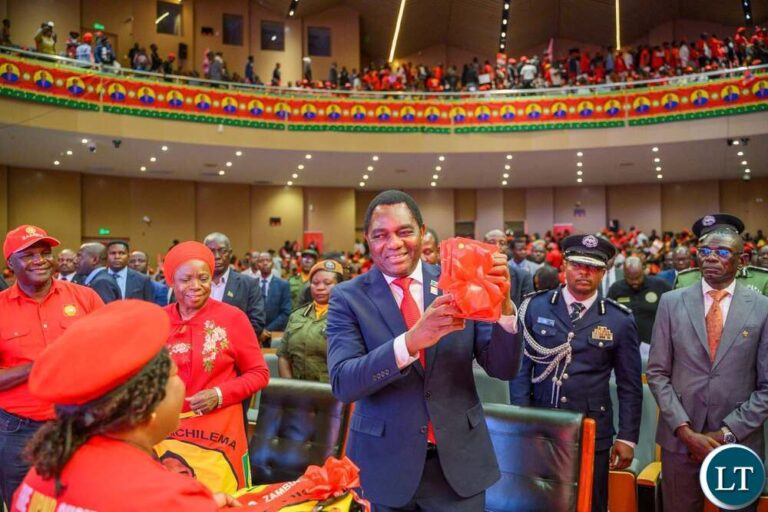
President Hakainde Hichilema had a clear message for UPND supporters at yesterday’s manifesto launch: put the champagne away.

With the August 13 vote still weeks away and political competition heating up across the country, Mr Hichilema urged party members to resist the temptation of assuming the race is already run. Confidence, he told them, is no substitute for hard work.

He was particularly pointed about one phrase he wants removed from the party’s vocabulary: “tawina kudala,” meaning “we have already won.”

“Let’s sell the ticket, protect your vote. Don’t say tawina kudala. Don’t use that language, it’s not required,” he said.

It was the kind of message a coach delivers at half-time when the score is in his team’s favour but the job is far from done. Elections, the President reminded supporters, are decided by turnout and organisation, not by how confident you feel in the weeks beforehand.

Rather than spending energy on premature celebration, he called on every party member to treat themselves as part of the campaign machinery, going door to door, explaining the manifesto, engaging communities and making sure supporters actually show up on polling day.

“Every vote matters. From today, Bally, HH, is appointing you as campaign managers. Campaign for Team Zambia,” he said.

He also made an appeal that spoke to a familiar pattern in Zambian elections: voters splitting their support by backing the presidential candidate while ignoring the parliamentary race. Mr Hichilema pushed back on that thinking directly.

“I hear people say, ‘I will vote for the President, not the Member of Parliament’. But the President can’t work alone. Don’t withdraw your vote. Look at the bigger picture,” he said.

His point was straightforward: government programmes do not implement themselves, and the work of national development requires elected leaders at every level pulling in the same direction.

The manifesto launch itself gave the ruling party a platform to look both backward and forward, defending what it has done while laying out what it hopes to do next. On the record side, Mr Hichilema pointed to three areas he believes tell the story of UPND’s first term.

The first was debt restructuring. Zambia defaulted on its external debt in 2020, and getting the country out of that position was widely described as one of the most complex diplomatic and financial exercises the administration faced. Mr Hichilema was blunt about what was achieved.

“We promised that we will deliver debt restructuring, we have delivered,” he said.

The second was agriculture. Government interventions, he said, have helped push maize production toward five million metric tonnes, which he described as one of the largest harvests in the country’s history and a sign that food security policies are working.

The third was jobs. Mr Hichilema said more than one million positions had been created across the public and private sectors over the past five years, and he presented that figure as evidence that economic reforms were starting to make a real difference in people’s lives.

“We have created over a million jobs in the public and private sectors. The numbers are there,” he said.

Beyond the economy, the President used the occasion to appeal for unity and decency in the campaign period ahead. With political tensions rising in some parts of the country, he called on citizens to reject violence, corruption, hatred and ethnic division.

“Never return to issues of hatred, violence and ethnic division,” he said.

Special Assistant to the President for Policy Compliance Joseph Lungu described the manifesto as a document that captures both where the party has been and where it intends to go, a record of achievement combined with a set of ambitions for the next term.

Caroline Katotobwe, executive director of the Centre for Sustainable Democracy and Governance, commended the President’s approach to leadership and the progress she said the country had recorded across several sectors. She encouraged continued citizen participation in national development.

But for all the achievements cited and targets announced, the tone Mr Hichilema set on the day was one of caution rather than celebration. His message to party members was not to sit back and enjoy a comfortable lead, but to go out and earn the result they want.

Don’t say “tawina kudala”, HH warned supporters as UPND launched its election campaign. Confidence is welcome. Complacency is not.

GBM Bows Out: The End of a Political Era

Former Defence Minister Geoffrey Bwalya Mwamba, the larger-than-life businessman popularly known as GBM, has called time on his political career, closing a chapter that kept him at the heart of Zambian national life for well over a decade.

In remarks widely reported in the media, Mr Mwamba said the demands of frontline politics had exacted a considerable personal toll and that the moment had come to redirect his energy toward his health, his family and his business interests. The announcement, understated in tone, carries considerable weight in a political environment where his name has long been a fixture.

“Politics had required enormous personal sacrifices,” he said, signalling that public service, though a defining part of his story, would now give way to more private pursuits.

GBM’s journey from boardroom to ballot box ranks among the more compelling stories in modern Zambian politics. He first established himself as a successful entrepreneur before entering the political arena, where he quickly became known for his grassroots appeal, direct communication style and ability to connect with ordinary citizens. He went on to serve as Member of Parliament and later rose to the position of Minister of Defence, placing him at the centre of national decision-making.

Over the years, his name became associated with some of Zambia’s most consequential election campaigns and political transitions. He demonstrated a remarkable ability to remain relevant across changing political circumstances and shifting alliances, a quality that distinguished him from many of his contemporaries.

The timing of his departure is noteworthy. With the August 13 general election drawing closer, political parties are intensifying campaign activities, launching manifestos and strengthening alliances. The exit of a figure with GBM’s national profile and political reach inevitably marks the end of a notable chapter in the country’s political story.

His decision to step back and prioritise his health is likely to resonate with many people. The physical and psychological demands of political life, including relentless campaigning, public scrutiny, internal party pressures and the responsibility of managing extensive networks of supporters, are often spoken about privately rather than publicly. By addressing those realities openly, Mr Mwamba has offered a rare glimpse into the personal costs associated with public life.

His return to business is equally notable. Long before he entered public office or addressed political rallies, Mr Mwamba had already built a reputation as one of Zambia’s prominent private sector figures. His return to that world represents a return to the sphere where his public profile was first established.

Across the political divide, reactions to his announcement are expected to reflect the breadth of his influence. Supporters and political opponents alike have seldom been able to ignore his presence, and regardless of differing views on policy or strategy, his role in shaping political discussion over the years remains evident.

For those who followed his career closely, GBM’s retirement carries a sense of finality. He was, in many respects, a figure who embodied the intensity, resilience and visibility that characterised much of Zambia’s political life during his era. His absence from frontline politics will be noticeable, particularly during an election season of such national importance.

The August 13 general election will unfold without one of Zambia’s most recognisable political figures on the frontline. Geoffrey Bwalya Mwamba’s departure marks the end of a political chapter that spanned multiple administrations, election cycles and political transitions.

Man found dead in suspected suicide

1

A 49 year old man of Ny’atu village under Chief Mphamba of Lundazi district has been found dead in an apparent suicide case.

Zambia Police Service Eastern Province Police Commanding Officer Robertson Mweemba has confirmed the matter, saying the incident was reported to Lundazi Police Station at around 14:30 hours by Boyd Mwalimo Zimba, 50, on behalf of the deceased’s family.

Mr Mweemba has told the media that the deceased has been identified as Balewa Zimba, aged 49.

He said Mr Zimba’s wife, Wazi Phiri, told police officers  that her husband appeared healthy and in good spirits when she left home around 05:00 hours to harvest maize at a field located about 200 metres from their village.

Mr Mweemba said before leaving, she spoke to her husband, who informed her that he would later leave for his usual work of cutting timber.

He explained that tragedy struck around 13:00 hours when the couple’s 18 year old son, James Zimba, discovered his father hanging from the roof inside the bedroom while collecting his shoes.

“The young man immediately informed his mother, who rushed back home and confirmed the incident before alerting neighbours and other family members,” he said.

Mr Mweemba said the matter was subsequently reported to the police, who visited the scene and conducted an inspection.

He said preliminary investigations have revealed that the deceased had used a piece of chitenge cloth to hang himself from the roof structure of the house.

“The neck was found stretched and the eyes protruding. No visible physical injuries were observed on the body and no foul play is suspected,” he said.

The Eastern Province Police Chief said the deceased’s father, Benson Zimba, 68, requested that the body be buried without a post-mortem examination, stating that his son appeared to have taken his own life for reasons that remain unknown.

“We have nevertheless advised family members to properly mark the grave to facilitate any future investigations, including possible exhumation and a post-mortem examination should the need arise,” he said.

Mr Mweemba said the body has since been released to the family for burial as investigations continue.

“I urged members of the public to seek support from family, community leaders, or health professionals whenever they experience emotional distress or mental health challenges,” he said.

No Ncwala Ceremony Next Year If New Mpezeni Is Not Installed – Ngoni Royal Establishment

2

The Ngoni Royal Establishment has announced that next year’s Ncwala Traditional Ceremony will not take place if a new Paramount Chief Mpezeni is not installed by the end of February.

Speaking on behalf of the establishment, Gogo Madzimawe said all royal ceremonies previously presided over by the late Paramount Chief Mpezeni IV have been suspended following his death.

He explained that the Ncwala Ceremony, a central cultural event for the Ngoni people, can only be conducted under the authority of the Inkosi ya Makhosi, a position that is currently vacant.

“There will be no Ncwala next year if by the end of February there is no new Ngwenyama. The ceremony stands down because the lion is no more,” Madzimawe said.

He added that if succession is not concluded within the stipulated period, the traditional gathering will remain suspended.

“All activities that were under his custodianship, including Ncwala, cannot proceed. The salutation ‘Bayethe’ has also been put on hold until a new king is unveiled,” he said.

The late Paramount Chief Mpezeni IV, born David Njengembazo Jere, ruled the Ngoni people for 44 years after ascending the throne in 1982. He died at the University Teaching Hospital (UTH) on May 30 and was buried on June 9.

His leadership is widely credited with strengthening the Ncwala Traditional Ceremony, which is held annually in February and attracts thousands of participants from across Zambia and beyond.

Mambwe district gears up for agriculture show

0

Preparations for the upcoming Mambwe District Agriculture Show have reached an advanced stage, with organisers intensifying activities to ensure a successful event.

Mambwe District Agricultural Coordinator Henry Mukulumoya says the district has already conducted two block shows as part of the build-up to the main district show.

This year’s Mambwe District Agriculture Show will be held under the theme, “Fostering Trade and Investment,” aimed at promoting agricultural development, market access, and economic growth.

The media reports that Mr Mukulumoya disclosed that the final block show is scheduled for June 13, 2026 and is expected to provide farmers and exhibitors with an opportunity to showcase their agricultural products and innovations ahead of the district event.

He said the district has also held several planning meetings to coordinate preparations for both the District and Provincial Agriculture Shows.

Mr Mukulumoya further revealed that works to fence the show arena are currently underway as part of efforts to improve the venue and ensure it is ready for exhibitors and visitors.

He noted that publicity campaigns have been intensified through local radio stations and outreach programmes in various agricultural blocks and camps to attract more participants and spectators.

Mr Mukulumoya expressed optimism that the show will draw significant participation from farmers, businesses and other stakeholders in the agriculture sector.

Civil Service Commission Verifies Reporting of Newly Recruited Health Workers on Copperbelt

0

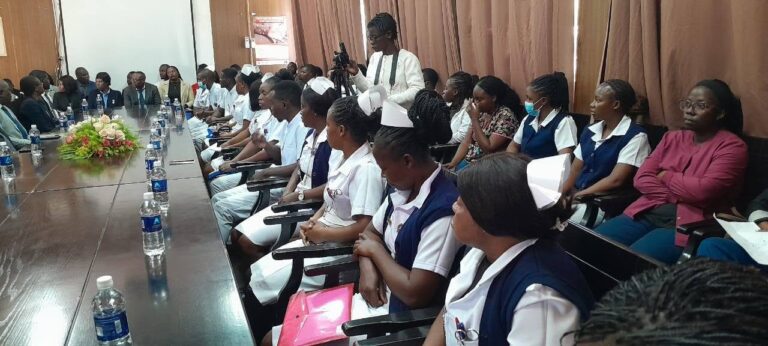
The Civil Service Commission has launched an impromptu inspection tour of the Copperbelt Province to verify whether newly recruited health workers under the 2025 national recruitment exercise have reported for duty.

According to Copperbelt Province Principal Public Relations Officer Marilyn Rose, the Commission is engaging district authorities and health sector stakeholders to assess compliance with deployment directives and identify any challenges affecting the reporting process.

Civil Service Commission Chairperson Choolwe Beyani said the exercise forms part of government’s monitoring efforts to ensure that all 2,000 health workers recruited nationwide are successfully integrated into the public health system.

The Copperbelt Province received 246 of the newly recruited health personnel.

During the tour, the Commission is meeting District Commissioners, Town Clerks, Town Secretaries and District Health Directors to confirm attendance records and address any administrative or logistical issues that may have affected deployment.

Dr. Beyani noted that the recruitment exercise highlights progress made under the government’s decentralisation programme, which has delegated greater authority and responsibility to provincial and district structures.

He said the recruitment process demonstrates that decision-making powers are increasingly being exercised closer to local communities, in line with the decentralisation agenda.

The Commission also commended local authorities and district structures for successfully implementing the recruitment process and pledged continued oversight and technical support to strengthen service delivery.

Meanwhile, Dr. Beyani urged Human Resource Management Committees (HRMCs) to take an active role in resolving concerns raised by newly appointed health workers and ensuring a smooth transition into their new positions.

The inspection exercise is expected to help government assess the effectiveness of the recruitment programme while ensuring that health facilities receive the personnel needed to improve healthcare delivery across the province.

Gary Nkombo Denies Ever Lobbying for Presidency

Independent Mazabuka Central parliamentary candidate Gary Nkombo has dismissed claims that he was sidelined by the ruling UPND because he harboured ambitions of contesting for the presidency.

Speaking on Diamond TV’s Diamond Live programme, Nkombo said he has never lobbied for the country’s highest office and has never complained to anyone about being denied an opportunity to pursue the presidency.

He stated that becoming President is not something that can be pursued casually, adding that he believes his future is ultimately determined by God.

“I have heard those assertions for a long time, but I believe in God and whatever He has planned for me is what I will accept,” Nkombo said.

The former Cabinet Minister said he was prepared to accept whatever outcome emerges from his political journey, including the possibility that the current election could mark the end of his political career.

Nkombo also defended his decision to contest as an independent candidate, saying he responded to calls from supporters who encouraged him to stand and even contributed towards his nomination fees.

He stressed that respecting the wishes of the people who supported his candidature should not be interpreted as an act of disrespect toward President Hakainde Hichilema or the UPND.

The former Mazabuka Central lawmaker said he remains respectful of the President and has always demonstrated loyalty to the party. However, he noted that loyalty should be mutual.

“Respect and loyalty should be a two-way street, and there is nothing arrogant about saying that,” he said.

Nkombo further dismissed suggestions that he is working with opposition groups, particularly politicians associated with factions that emerged from the former ruling PF.

He maintained that he is pursuing his political agenda independently and has no intention of aligning himself with political figures whose values and history differ from his own.

“I have never dreamt of joining the PF, and I would only collaborate with people who share similar principles and ideas,” he said.

Meanwhile, campaign activities in Mazabuka Central remain suspended after the Electoral Commission of Zambia halted campaigns for all candidates in the constituency due to security concerns. The Commission has yet to announce when campaigning can resume.

Charity Banda Declares Support for HH, Says She Owes No One an Apology

Former Patriotic Front (PF) official Charity Banda has defended her decision to support President Hakainde Hichilema, insisting that she owes no one an apology for her political position.

Speaking during a meeting between President Hichilema and UPND alliance members, Banda said she would campaign vigorously for the President because she believes in his leadership and vision for Zambia.

Banda stated that she had previously worked with Hichilema during his years in opposition and questioned why some people were challenging her decision to support him now.

“I love President HH and I’m not here for jokes. Let me work with the man who has a vision for Zambia,” she said.

She further argued that the PF was part of an alliance with the ruling UPND and warned against individuals she claimed were misrepresenting the position of the former ruling party.

Banda maintained that her political choices were personal and that she would not be pressured into explaining or defending them.

Describing herself as an experienced politician, she said she values peace and supports the environment of stability she believes has been created under the current administration.

The former PF official also reflected on her emotional reaction following the death of former President Edgar Lungu, saying her public display of grief was genuine and motivated by affection and respect for the late leader.

According to Banda, her tears were sincere and should not be interpreted as political theatre, adding that she has previously shown similar emotions during the deaths of other national leaders, including Levy Mwanawasa.

Her remarks come amid continued political realignments and shifting alliances ahead of Zambia’s August 2026 general elections.

HH Thanks Zambians, Unveils Ambitious 2026–2031 Development Agenda

0

President Hakainde Hichilema has expressed gratitude to Zambians for the trust they placed in him during the 2021 general elections, stating that he does not take their support for granted.

Speaking at the launch of the UPND 2026–2031 Manifesto at the Mulungushi International Conference Centre, President Hichilema reflected on the challenges his administration inherited and outlined an ambitious plan aimed at accelerating economic growth, creating jobs, and improving living standards.

The President said Zambia was facing severe economic difficulties when the UPND assumed office in 2021, including debt distress, before later confronting challenges such as cholera outbreaks, drought and power shortages.

He said the country had since made significant progress, including restructuring 94 percent of its debt, restoring investor confidence, expanding free education and creating more than one million jobs.

According to President Hichilema, the new manifesto represents a shared vision between the UPND, its alliance partners and the Zambian people, building on promises made in 2021 and achievements recorded over the past five years.

Among the key targets outlined in the manifesto are increasing annual copper production to three million tonnes, raising maize production to 10 million tonnes, producing three million tonnes of soybeans, one million tonnes of wheat, expanding electricity generation to 10,000 megawatts, attracting five million tourists annually and achieving US$1 billion in beef exports.

The President said the economic programme is expected to generate approximately US$65 billion in annual economic value and create more than two million jobs.

He added that increased agricultural production would help lower the cost of living, particularly the price of mealie meal, while continued investment in energy infrastructure would help permanently end load shedding.

President Hichilema also announced plans to establish a public university in every province, expand transport infrastructure, modernise rail networks and operationalise a 24-hour economy through greater public-private sector collaboration.

He further revealed that government intends to ensure every province has an international airport as part of broader efforts to improve connectivity and stimulate economic activity.

The President urged UPND members not to become complacent ahead of the August elections, calling on supporters to actively campaign and mobilise votes.

He concluded by encouraging citizens to embrace peace, unity, hard work and progress, saying Zambia’s future depends on collective effort and national cohesion.

The launch was attended by Vice President Mutale Nalumango and representatives of UPND alliance partners.

Govt. urges farmers to join post-harvest training programmes

0

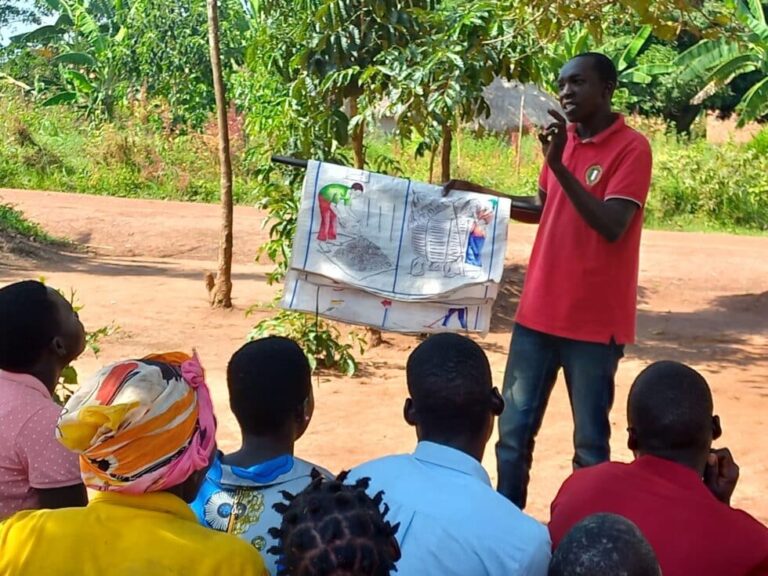
The Ministry of Agriculture in Nakonde District, Muchinga Province has urged farmers to take advantage of post-harvest training programmes being conducted in various agricultural camps across the district

Nakonde Agricultural Officer Purity Wasamumu said climate change affects all agricultural production and requires farmers to adapt.

Ms Wasamumu said officers are training farmers in modern technologies and producers should adopt the practices without delay as it will improve their yields going forward.

“With the modern technologies that the officers are training, farmers should adopt them and not leave them behind because this is what will help us have a better harvest from now on,” she said.

The agricultural officer was speaking in an interview with the Zambia News and Information Services (ZANIS) at her office today.

And Senior Agricultural Officer Jesse Chama explained that camp extension officers were currently conducting trainings in post-harvest technologies at camp level.

Mr Chama stated that the training covers harvesting techniques, winnowing, cleaning and storage.

He said proper storage facilities were critical to reducing post-harvest losses among small-scale farmers.

He noted that the polythene-lined bags were suitable for storing most grains and offer better protection compared to chemical pesticides.

Mr Chama added that chemical pesticides require a waiting period before produce can be utilized, whereas the recommended storage bags allow immediate use.

“Farmers are being advised to use bags with polythene inside for storage instead of ordinary bags, which are not expensive and can be managed by small-scale farmers,” Mr Chama said.

He further stated that adoption of the recommended practices will strengthen food security and increase household income.

Why Lwandamina could return to Zesco

1

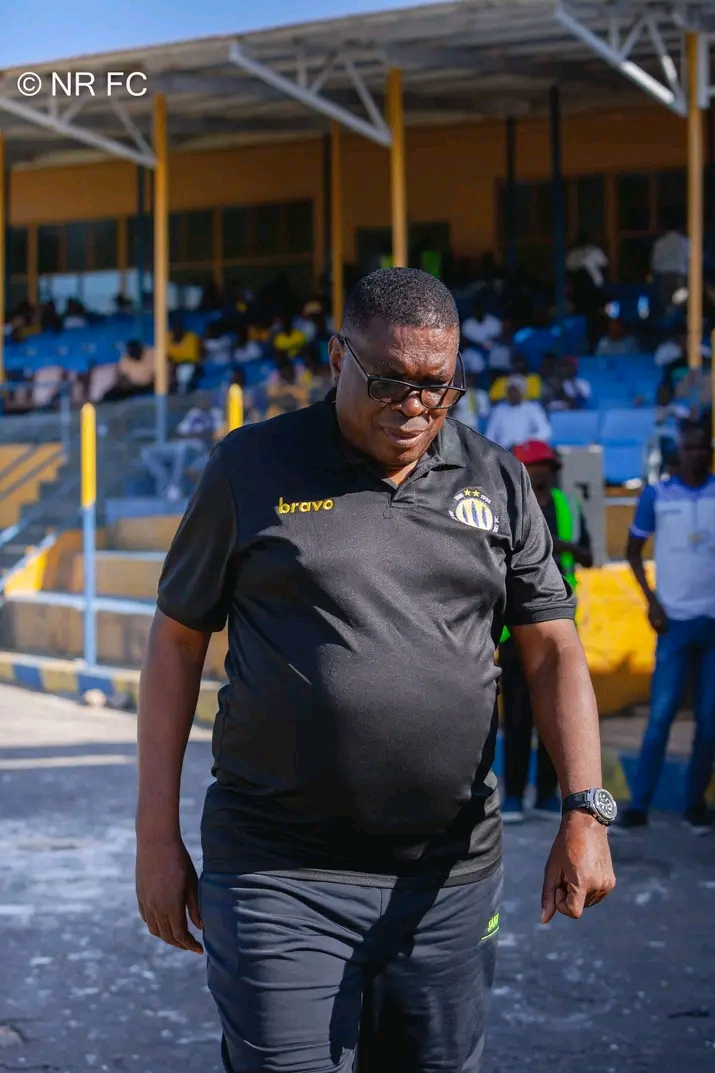
Veteran coach George “Chicken” Lwandamina is expected to return to Zesco United as head coach for a fifth spell.

‎Unconfirmed media reports this week claim the Ndola club has reached an agreement to re-appoint the 62-year-old, who led Nchanga Rangers to a fifth-place finish in the 2024/25 MTN Super League season.

‎Football analyst Wami Katanga says Lwandamina’s potential return has sparked debate, but his record at Zesco is undisputed.

‎Lwandamina won four MTN Super League titles with Zesco in 2014, 2015, 2017 and 2018.

‎He also lifted back-to-back ABSA Cup trophies in 2014 and 2019, and guided the club to the CAF Champions League semi-finals in 2016.

‎Outside Zambia, he won the Tanzanian Premier League with Yanga SC in 2016/17 and has coached Azam FC.

‎Katanga argues Lwandamina is the right short-term appointment to restore Zesco’s “tactical DNA” — attacking flair, defensive discipline and youth development. He also cites the need for dressing room stability after last season’s disciplinary issues.

‎“As a coaching instructor, Lwandamina’s other task will be to groom the next generation, with Winston Kalengo and others ready to learn,” Katanga said.

‎Zesco are yet to officially confirm the appointment.

‎Zesco endured a tough season, finishing number ten on the 18-team league table with 47 points in 34 matches played.

CTPD hails Zambia’s strong Eurobond buyback Performance

1

The Centre for Trade Policy and Development (CTPD) has commended the Zambian Government for securing an impressive 97.85 percent participation rate in its recent Eurobond buyback initiative, describing the outcome as a significant step towards improving the country’s debt management strategy.

The Ministry of Finance and National Planning launched a tender offer to repurchase a portion of Zambia’s US$1.36 billion Eurobond due in 2053.

The transaction is being financed through a US$600 million loan from the African Development Bank (AfDB), coupled with a US$65 million incentive aimed at encouraging bondholder participation.

In a statement issued today, CTPD Researcher for Public Finance Robinson Nakambo said the strong response from bondholders demonstrates confidence in the transaction structure and reflects growing trust in Zambia’s debt management efforts.

Mr Nakambo said the organisation welcomes the government’s move to replace expensive external commercial debt with lower-cost financing, especially where the financing is tied to investments that can strengthen the country’s electricity infrastructure.

“The high level of participation indicates strong acceptance of the offer by bondholders and reflects confidence in the transaction structure,” he said.

He noted that while the initiative appears promising, a comprehensive Net Present Value (NPV) analysis is necessary to establish whether the buyback will generate financial savings for the country in the long term.

Mr Nakambo said such an assessment would help determine whether the combined cost of the buyback and the new financing is lower than the future payments Zambia would have made under the existing Eurobond obligations

He further observed that although the AfDB financing appears to have been offered on favourable terms, important information regarding the loan remains undisclosed.

Mr Nakambo said details such as the interest rate, repayment schedule, grace period and maturity profile are crucial in assessing the full impact of the transaction on Zambia’s debt sustainability.

He said that the initiative has the potential to strengthen Zambia’s debt position if the total cost of the buyback and the AfDB loan, measured in present value terms, is lower than the cost of servicing the Eurobond over time.

Mr Nakambo also stressed that the success of the programme will depend on whether investments in electricity infrastructure generate sufficient economic benefits to justify the new financing.

“If these expected benefits materialise, the transaction could contribute to a stronger debt position and improved economic performance.

“However, if they do not, the buyback may alleviate one financial pressure while creating another, particularly as Zambia continues to face domestic debt-related pressures, “he said.

The Eurobond buyback forms part of the government’s broader efforts to reduce debt-servicing costs, improve fiscal sustainability and support critical investments in the energy sector.

Zambia records progress on UNESCO culture 2030 indicators

0

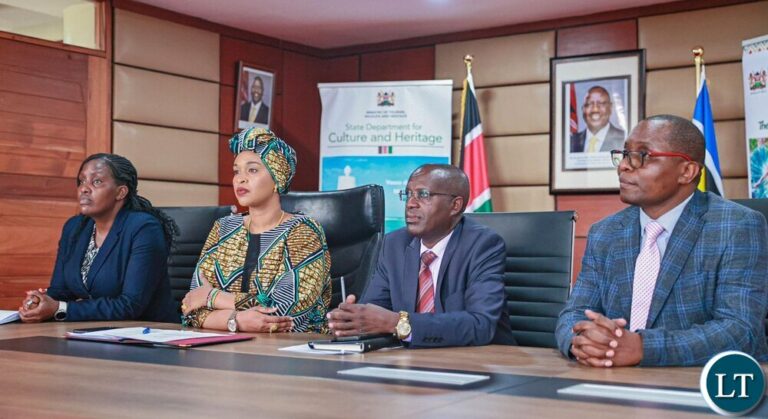
Ministry of Tourism Director of Culture and Traditional Affairs Bessie Chelemu says Zambia has made significant progress in implementing UNESCO’s Culture 2030 Indicators framework aimed at measuring culture’s contribution to sustainable development.

Mrs Chelemu says culture is globally recognised as both an enabler and driver of sustainable development prompting UNESCO to develop a framework of 22 indicators that measure the role of culture across key development areas.

Speaking during a workshop in Kabwe, Mrs Chelemu explained that the indicators are grouped under four dimensions namely Environment and Resilience, Prosperity and Livelihoods, Knowledge and Skills, and Inclusion and Participation.

“Zambia is among 16 countries worldwide implementing the framework with support from UNESCO and the European Union. The framework links culture directly to Sustainable Development Goals such as heritage preservation, education, employment creation and social inclusion,” Mrs Chelemu said.

Mrs Chelemu explained that the Ministry of Tourism through the Department of Culture and Traditional Affairs is spearheading the implementation process in collaboration with various government ministries and institutions including the Zambia Statistics Agency, National Arts Council and National Heritage Conservation Commission.

She stated that the initiative will help Zambia generate credible cultural data to inform policy formulation and strengthen evidence-based decision making.

She added that existing data on tourism, employment and cultural activities will contribute to measuring culture’s impact on national development.

She said Zambia has already laid a strong foundation through legal frameworks, cultural centres, intangible cultural heritage registers and existing Sustainable Development Goal data systems.

She emphasized that the success of the programme will depend on effective coordination among government institutions, local authorities and communities.

Meanwhile, UNESCO Culture 2030 Indicators Consultant Gankhanani Moyo explained that the project seeks to measure culture’s impact across various sectors.

And National Arts Council Director Maanka Chipindi said the workshop will help to collect data that will provide evidence on how cultural activities contribute to economic growth