PPP ROADS BEGIN TO SHOW VALUE AS NOEL NKHOMA DEFENDS UPND INFRASTRUCTURE STRATEGY
NRFA board chair says concession model is delivering roads, protecting public finances and creating new opportunities for Zambian firms
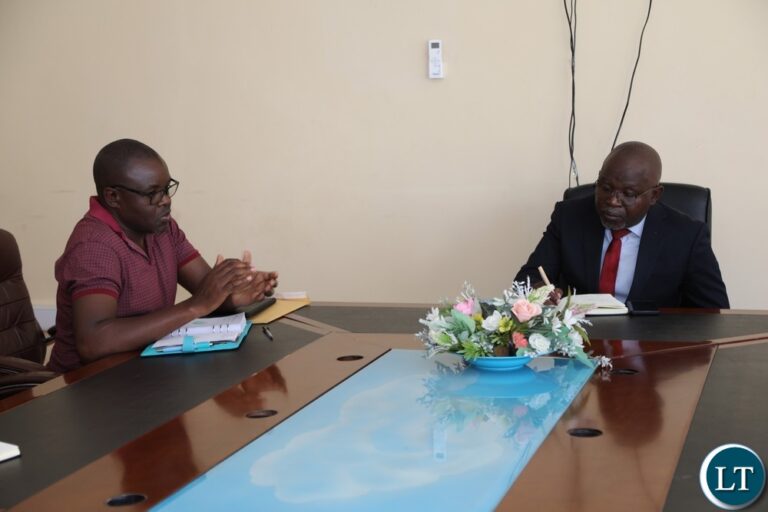
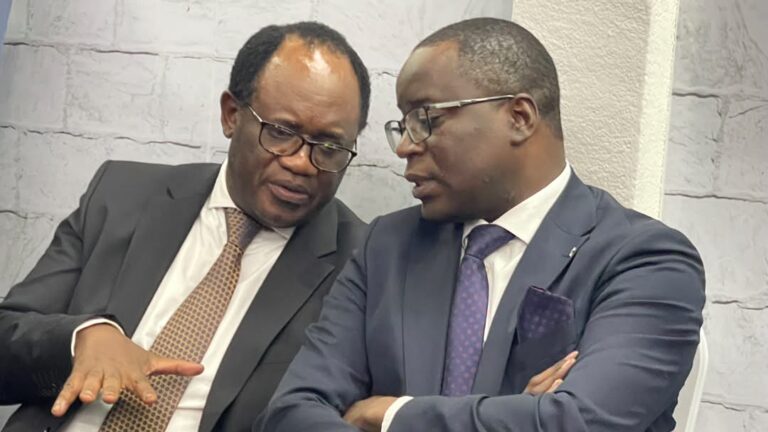
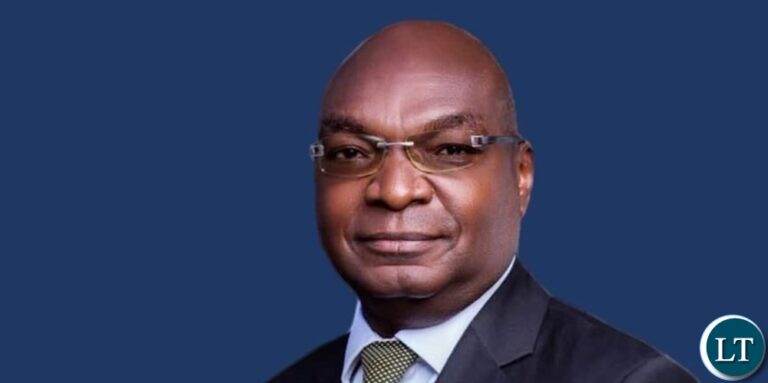
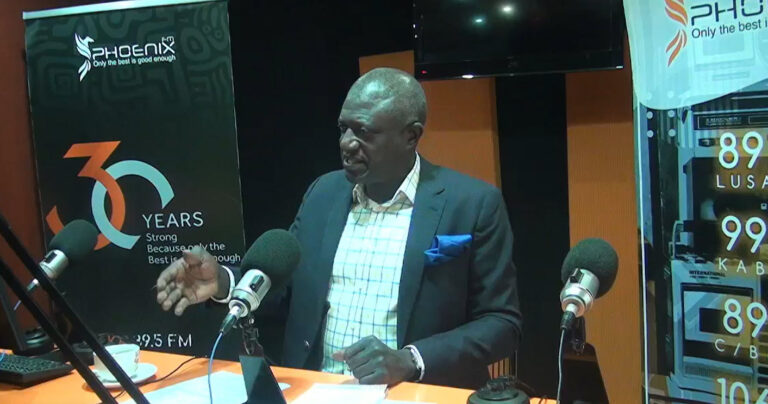
National Road Fund Agency board chairperson and UPND National Management Committee member Noel Nkoma has delivered one of the government’s strongest public explanations yet of Zambia’s Public-Private Partnership infrastructure programme, saying the model is beginning to produce visible results while shielding the country from the borrowing patterns that previously pushed Zambia into debt distress.
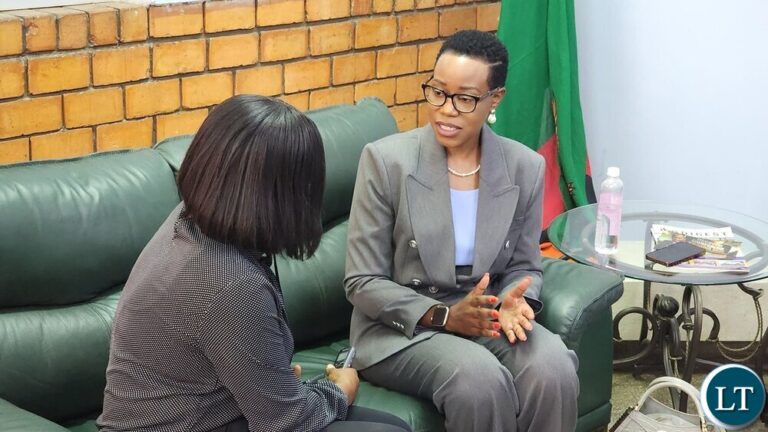
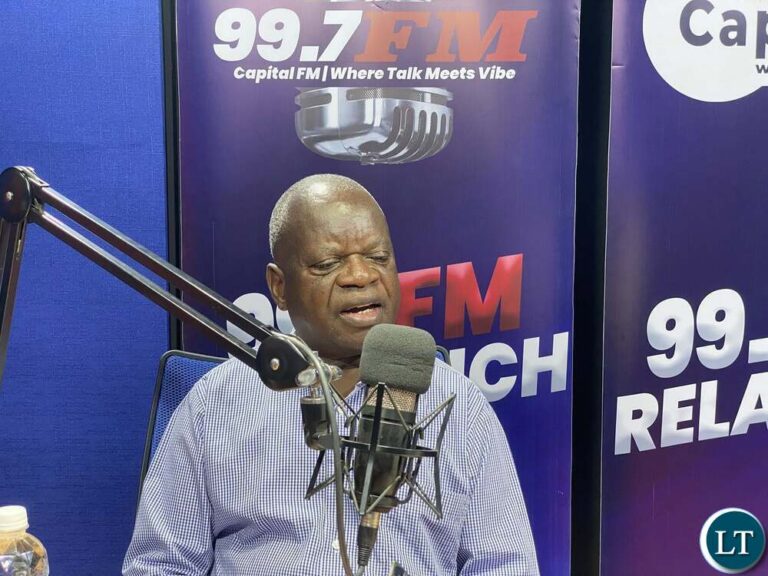
During a lengthy appearance on Let The People Talk, Nkoma defended the government’s toll-road and concession strategy, insisting that many of the attacks against PPP projects are being driven by incomplete information and political messaging rather than a full understanding of how the financing system operates.
The interview came amid continued public discussion surrounding the Lusaka-Ndola dual carriageway, border concessions and the growing involvement of pension-backed financing in major infrastructure projects.
Nkoma said the UPND administration inherited an economy constrained by unsustainable debt and shrinking fiscal space, forcing government to pursue alternative infrastructure financing models capable of delivering roads without placing additional pressure on Treasury resources.
He said one of the biggest misconceptions surrounding PPPs is the belief that government is simply handing national assets to foreign investors while ordinary citizens absorb all the risks.
According to Nkoma, the opposite is happening. Using the Lusaka-Ndola dual carriageway as an example, he explained that the project carries an estimated construction value of roughly US$650 million, with private investors allegedly contributing nearly US$300 million from their own financing before institutions such as NAPSA participate.
He said investors are required to demonstrate financial exposure, risk appetite and long-term confidence in the viability of the project before pension-backed institutions can commit funds.
Nkoma maintained that if the project underperforms commercially, the investor absorbs the loss rather than government.
“Should a PPP fail, there’s no risk to government,” Nkoma said, adding that concessionaires bear the commercial consequences if traffic forecasts and revenue projections collapse.
The explanation appeared carefully aimed at calming public fears that Zambia could eventually lose control over strategic infrastructure assets.
Nkoma stressed repeatedly that PPPs are partnerships rather than outright transfers of ownership, with government continuing to benefit through:
- revenue-sharing arrangements
- taxes paid by concessionaires
- infrastructure expansion
- maintenance obligations
- township road upgrades
- emergency response commitments
One of the most politically significant revelations from the interview was Nkoma’s claim that revenues generated under the Lusaka-Ndola concession had already created enough shared value for discussions around upgrading approximately 130 kilometres of township roads in corridor towns such as Kabwe, Kapiri Mposhi and Ndola.
According to Nkoma, the concessionaire itself reportedly approached government proposing to reinvest part of the shared revenue into local urban roads along the corridor.
If implemented fully, the development could become one of the first visible examples government uses to demonstrate how PPP arrangements can generate secondary public infrastructure benefits beyond the main highway itself.
Nkoma also disclosed that concessionaires are operating under strict performance obligations requiring rapid responses to road defects, potholes and emergency situations.
He said service-level agreements tied to the concessions allegedly include:
- pothole repairs within 24 hours
- structural emergency interventions within 48 hours
- continuous road maintenance obligations
- possible deployment of emergency medical response systems at toll stations
He pointed to the emergency response following a bridge collapse along the Chingola-Solwezi-Kasumbalesa route as evidence that concessionaires are already being forced to maintain operational standards without direct government funding.
The interview also highlighted the government’s broader effort to build Zambian participation inside the PPP ecosystem rather than limiting opportunities to multinational firms alone.
Nkoma cited several projects which he said had already been awarded to local consortiums, including:
- Kasumbalesa border concession
- Chirundu border concession
- Solwezi corridor projects
- Kalumbila-linked infrastructure works
He said local contractors are gradually building the technical and financial capacity needed to handle larger projects independently in future.
That message appears central to the government’s long-term infrastructure direction: use larger concessions to unlock investment while simultaneously nurturing local firms into major regional players.
The discussion later shifted into economic management, debt and mining policy, where Nkoma mounted a strong defence of the UPND administration’s broader economic direction.
Using figures he attributed to the Ministry of Finance and Bank of Zambia, Nkoma said the previous PF administration increased external debt from roughly US$2 billion in 2011 to more than US$13 billion by 2021, while UPND has added only about US$3 billion in external debt over nearly five years.
He further stated that portions of domestic debt had actually declined under the current administration.
Nkoma repeatedly returned to the position that government’s infrastructure programme is now increasingly relying on internally generated resources, toll systems and structured investment partnerships rather than uncontrolled sovereign borrowing.
The economist also defended mining-sector concessions that have come under criticism from opposition figures such as Tonse Alliance chairperson Brian Mundubile.
Nkoma said incentives offered to mining companies were tied directly to long-term production expansion goals and stated that the strategy was already yielding measurable results.
According to Nkoma:
- copper production has moved from roughly 500,000–600,000 metric tonnes toward nearly one million metric tonnes
- foreign reserves have allegedly climbed from about US$1.3 billion to US$6.5 billion
- increased mining activity is helping strengthen the Kwacha and support broader economic stability
While acknowledging ongoing public frustration over unemployment and living costs, Nkoma said Zambia first had to stabilise an economy emerging from debt default before broad-based growth could fully take hold.
He described unemployment as Zambia’s biggest economic challenge and said government’s next phase would focus heavily on industrialisation and mine-linked manufacturing industries capable of creating long-term jobs, particularly on the Copperbelt.
Nkoma also revealed that government is pushing to move beyond simple mining supplier contracts toward domesticated manufacturing capable of employing larger numbers of Zambians instead of relying heavily on imported industrial components.
Another notable disclosure involved the Mpongwe-Machiya-Ngabwe Road project, which Nkoma said would become Zambia’s first infrastructure project linked to carbon-credit financing mechanisms.
The proposal forms part of the administration’s broader push toward green-economy financing and alternative investment structures.
Despite continued public concern over toll fees and the pace of household economic recovery, the interview painted a government increasingly determined to show that its economic reforms are beginning to move from stabilisation into visible infrastructure expansion, mining growth and long-term industrial planning.
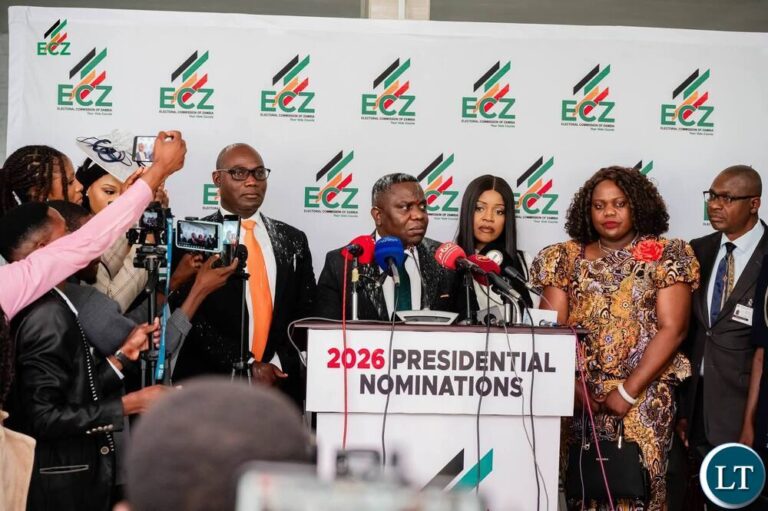
The political test for UPND heading toward the 2026 election season may now depend on how quickly ordinary citizens begin to feel those gains directly through jobs, lower production costs, improved roads and stronger local economic activity.
Editors Note:
The PPP programme has become one of the clearest tests of the UPND administration’s economic philosophy: reduce dependence on uncontrolled borrowing, attract long-term private capital, expand infrastructure and gradually build local industrial participation while attempting to preserve fiscal stability after Zambia’s debt crisis.