Renowned Historian and Political Analyst, Eustone Chiputa, has expressed optimism that Zambia’s 2026 general elections will remain peaceful.
Dr Chiputa observes that Zambia has not experienced major political violence since 2021 and noted that he expected the peaceful atmosphere of campaigns to continue before, during, and after the elections.
He has therefore urged political leaders and citizens in the country to safeguard democratic stability and focus on economic solutions.
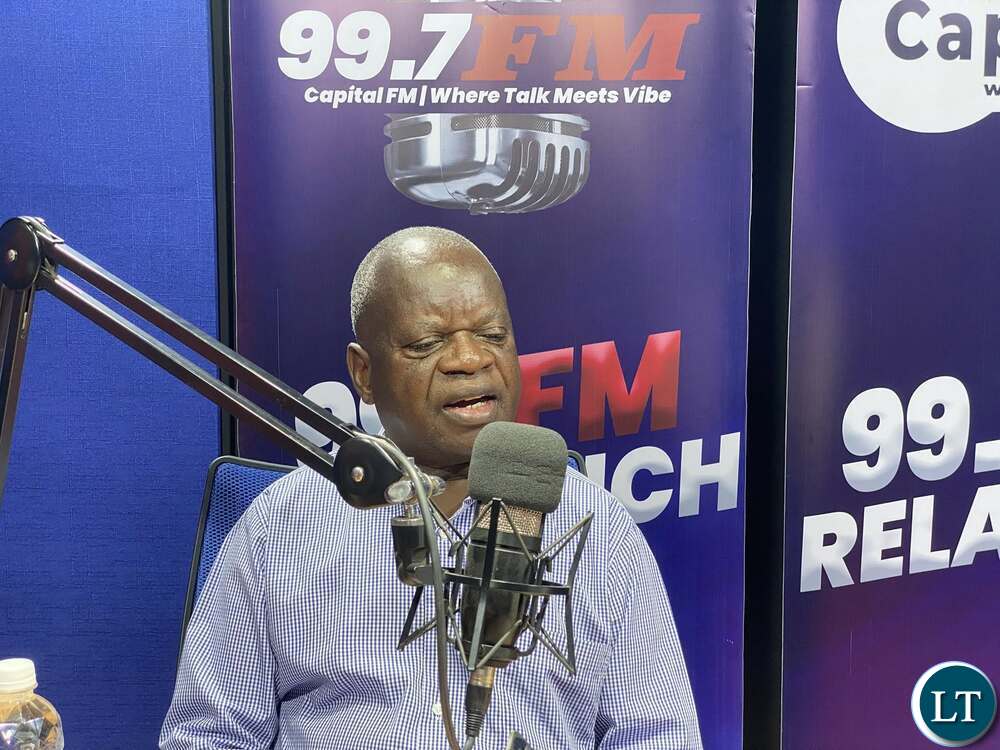
Dr Chiputa said this when he featured on Radio Phoenix “Let the people talk’ programme monitored by the media in Lusaka today.
“There is no violence. There has not been violence since 2021, and I believe we will continue into the elections and after the elections without violence,” he said.
He said the 2026 elections would largely be defined by economic conditions and governance performance, arguing that the two issues are inseparable.
According to the Historian, voters would judge both the ruling United Party for National Development (UPND) and opposition parties based on their ability to provide practical solutions to the country’s economic challenges.
“It’s easy to make promises, but you must convince the electorate that your promises can easily be translated into tangible results,” he said.
Dr Chiputa, who spoke a wide-range of topics on the country’s political climate, reflected that young people and women would once again play a decisive role in determining the outcome of the 2026 polls.
“The majority of the population are the youth and the women, and indeed, women and youth-friendly programmes are very important,” he explained.
He said political parties now needed to present realistic policies capable of empowering the people with both knowledge and material things.
On electoral requirements and concerns raised by some political parties over nomination requirements, Dr Chiputa defended the Electoral Commission of Zambia’s regulations, including the requirement for presidential candidates to secure at least 100 supporters from each province.
He argued that the rationale is necessary to demonstrate national support and prevent the ballot from being overcrowded with unserious candidates.
“If you want to lead Zambia, you certainly must have support in each and every province,” he said.
Dr Chiputa also defended nomination fees, including the K100, 000 presidential nomination fee, saying democratic systems require order and serious participation.
“If we remove the requirements, you could’ve a ballot paper with 1,000 names,” he stated.
The Historian also commented on concerns surrounding cybercrime laws that while governments have a responsibility to regulate harmful online behaviour, authorities must avoid excessively restricting citizens’ freedom of expression.
Dr Chiputa, however, stressed that citizens must use social media responsibly and avoid defamatory or abusive conduct online.
Meanwhile, one of the callers, John Banda from Lusaka’s Garden Compound praised the government, political players and civil society organisations in the country for maintaining what he described as, ‘peaceful atmosphere’ being experienced under the current administration.
The 2026 General Elections are set for August 13, and currently the Electoral Commission of Zambia is conducting a nomination exercise for presidential candidates at the Mulungushi International Conference Centre in Lusaka.