Friday, June 5, 2026
14.6 C
Lusaka
Home Blog Page 242

Procurement and stores management vital -Kangwa

0

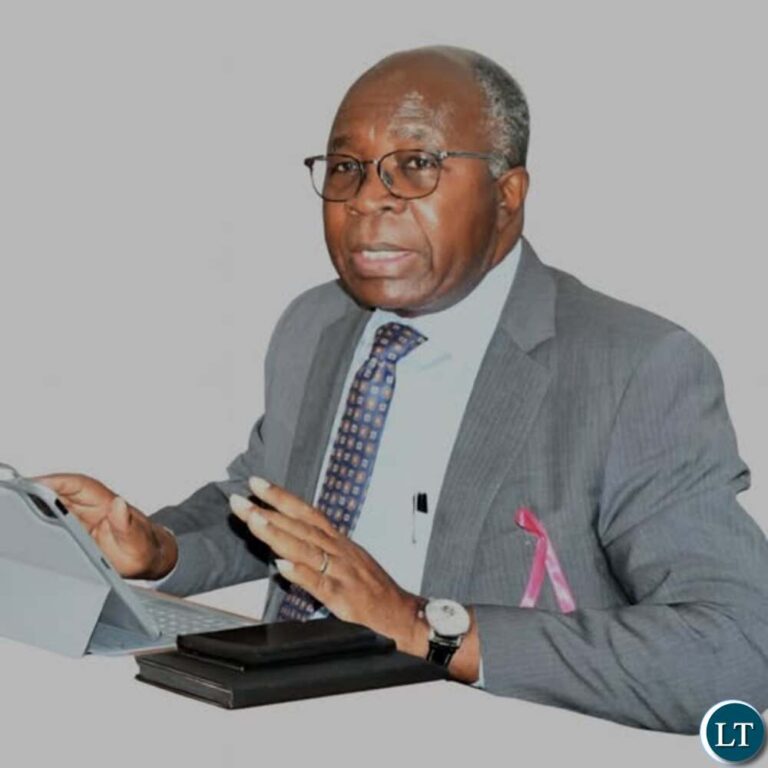
Secretary to the Cabinet, Patrick Kangwa, says procurement and stores management remain central to effective public service delivery.

Mr Kangwa, in a speech read on his behalf by Cabinet Office Permanent Secretary, Professor Lackson Kasonka, during a Zambia Institute of Purchasing and Supply (ZIPS) Workshop in Siavonga, said efficient procurement systems determine whether medicines reach clinics, desks reach classrooms, and whether infrastructure is completed on time and at the right cost.

He stressed the need for Zambia to build people-centered procurement systems that translate public resources into tangible improvements in citizens’ lives.

“Every kwacha must deliver improved service and better livelihoods,” he said.

Mr Kangwa noted that stalled projects, waste and inefficiencies can be reduced significantly when procurement and stores management are handled professionally and transparently.

He added that President Hakainde Hichilema has been clear on his desire to eliminate inefficiencies, waste and corruption within procurement processes, urging professionals to uphold ethical standards and act as responsible custodians of public resources.

“We must take this directive seriously. The public relies on procurement officers to ensure that systems are transparent, efficient and people-centered,” he said.

The Secretary to the Cabinet also commended ZIPS for its continued engagement with government, including proposals aimed at strengthening procurement and stores management to promote efficiency and transparency.

Earlier, ZIPS President, Daniel Kabamba, said persistent challenges such as delayed procurement, weak contract management and poor stock accountability continue to hinder effective service delivery.

He said transforming procurement from a procedural exercise into a strategic driver of efficiency, cost-saving and quality outcomes, is key to closing current performance gaps.

Zambia, Zimbabwe agree on import of electricity

7

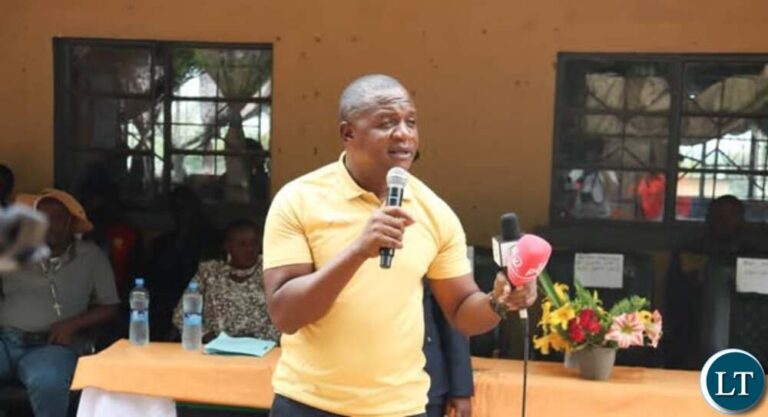
President Hakainde Hichilema and his Zimbabwean counterpart, Emmerson Mnangagwa, have welcomed an arrangement that will enable Zambia to import electricity from the region through Zimbabwe.

Under the agreement, Zimbabwe will progressively increase the limit on power transfer capacity.

In a related development, the Cabinet of Zimbabwe has approved the removal of transit duties on petroleum products, effective 27th November 2025.

The decision is part of broader measures aimed at eliminating barriers that hinder trade between the two countries.

This is according to a joint communiqué issued at the conclusion of President Hichilema’s working visit to Zimbabwe and the Inaugural Bi-National Commission between the two countries.

The communiqué states that Zambia and Zimbabwe will continue holding technical high-level discussions on the matter on a quarterly basis, with finalisation expected by 31st March 2026.

The two nations have also agreed to implement 24-hour operations at the Chirundu and Victoria Falls One-Stop Border Posts by 31st December 2025.

Zambia further reaffirmed its commitment to advocate for the removal of illegal and unilateral sanctions imposed on Zimbabwe, stating that the sanctions continue to hamper development efforts.

Both parties reiterated their dedication to promoting and maintaining peace and security between the two countries, as well as within the region and the continent.

Meanwhile, the two nations signed a series of Memoranda of Understanding covering Diplomatic Training, Immigration and Technical Cooperation, Labour and Employment, Agriculture, and Youth Development.

The Zambian delegation was led by President Hakainde Hichilema, accompanied by Minister of Foreign Affairs and International Cooperation Mulambo Haimbe, alongside other Ministers and senior government officials.

The Zimbabwean delegation was led by President Emmerson Mnangagwa, accompanied by Minister of Foreign Affairs and International Trade Amon Murwira, as well as other Ministers and senior officials.

Kanchibiya parents praise government for youth empowerment

0

Parents of youths who have benefited from the latest empowerment programme in Kanchibiya District of Muchinga Province have expressed gratitude for the government’s continued commitment to uplifting young people.

One of the parents, Ruth Kabanda, said the government has remained focused on creating an enabling environment for youths to thrive.

Ms  Kabanda noted that many young people in the district often fall into bad habits such as excessive beer drinking and drug abuse due to lack of opportunities.

“Our children engage in bad acts because they don’t have jobs or capital to start any business,” she said.

She added that the empowerment of over 200 youths in the district is a game changer that will transform their lives.

Ms  Kabanda explained that youths who received loaned motorbikes will venture into transport services to raise income, while those who received grants will be able to start businesses.

She further commended the government, noting that young people are the future leaders of the country and must be given opportunities to succeed.

And another parent, Catherine Chibesa, whose child with a disability also benefited from a grant, said the government continues to support persons with disabilities who face various challenges.

She said she will use the grant to start a business and help meet her child’s needs.

“My child, who is disabled, has benefited from these empowerment programs, and I will use the money to start a business to meet her needs,” she said.

The parents spoke during a handover ceremony of grants, motorbikes under the loan component, and sports kits held at the Kanchibiya District Administration.

Meanwhile, Minister of Youth, Sports and Arts Elvis Nkandu thanked the people of Kanchibiya for working with the government to foster development.

Mr. Nkandu said the development projects taking place in the district show strong collaboration between residents especially the youths and the government of the day.

He expressed confidence that the empowerment initiative will help reduce poverty among young people and reaffirmed the government’s commitment to improving their living standards through various programmes.

He also urged the youths to continue having faith in government as it delivers on its promises.

And Kanchibiya Member of Parliament Sunday Chanda appealed to the government to consider constructing a modern stadium in the district, saying it would help in identifying and nurturing sports talent among the youth.

Minister Nkandu is currently touring districts in Muchinga Province, empowering youths with grants, loaned motorbikes, and sports kits.

Government Committed to transforming Agriculture into a viable economic sector

0

Minister of Agriculture Reuben Mtolo has reiterated Government’s commitment to transforming Agriculture into an economically viable undertaking.

Mr. Mtolo emphasized that achieving this goal requires the country to integrate emerging issues within both the agricultural sector and the broader economy.

He made these remarks in a speech delivered on his behalf by Muchinga Province Permanent Secretary, Reverend Mathews Chilekwa, during the 43rd graduation ceremony at the Zambia College of Agriculture (ZCA) in Mpika.

Mr Mtolo further said that the Ministry of Agriculture will continue rendering support to the Zambia College in Agriculture so as to continue producing quality and development oriented human resources as part of the transformation agenda.

“I would like to urge the graduating students to make use of the skills and knowledge you have acquired from the College and explore entrepreneur opportunities,” Mr Mtolo said.

And ZCA Principal Alice Tembo says the students who have graduated in the three disciplines are efficiently equipped to transform traditional practices into modern, efficient and competitive systems.

Dr  Tembo said a total of 275 have graduated with 228 having graduated with certificates in General Agriculture while 47 students have graduated with Diplomas in  Sustainable Agriculture and Agricultural Education in conjunction with the Copperbelt University.

“The Zambia College of Agriculture in Mpika district is well positioned in delivering its core mandate and contributing to Zambia’s economic growth through training and production of quality human capital,” Dr Tembo said.

Meanwhile, Copperbelt University (CBU) Vice Chancellor Imasiku Nyambe, in a speech delivered by CBU Dean of the School of Natural Resources, Benjamin Mubemba, urged the government to fill key vacant positions, such as in quality assurance at ZCA, to improve the efficiency of the college’s operations and fulfill its mandate.

Dr Mubemba said that in order to uphold high quality training standards there is need to have in place qualified and motivated  staff equivalent to the student population.

Dr Mubemba has further appealed to the Ministry of Agriculture to improve infrastructure at the institution as a way to motivate the Students and the Institution Staff.

Speaking in a vote of thanks former ZCA Student Union President Laison Chabu who was one of the graduates said the granduants have expressed appreciation to ZCA management for the skills and knowledge they have gained.

Mr Chabu said that with the many opportunities that the Government has put across, they will utilize the many opportunities and ensure that they utilize the skills and knowledge they have attained.

Over 2,000 Households in Serenje receive farming Inputs under Food Security Pack

0

The government has provided farming inputs to 2,199 households in Serenje District under the Food Security Pack (FSP) programme, aimed at enhancing household food security and promoting sustainable livelihoods.

Beneficiaries from 19 communities each received four 50-kilogram bags of fertilizer, 10 kilograms of maize seed, and 10 kilograms of legume seed for the 2025/2026 farming season.

Speaking when he flagged-off the distribution of the inputs at Chintankwa Primary School, Serenje District Commissioner Paul Masuwa reaffirmed the government’s commitment to fostering economic growth and sustainable livelihoods.

Mr Masuwa said the FSP is designed to empower vulnerable but viable households with skills, knowledge, and resources to boost productivity and resilience against challenges such as climate change and limited financial access.

“Serenje has great potential, and the Food Security Pack is helping our communities rise above economic challenges through smart agriculture and timely support,” he said.

He also commended community development officers for their dedication to uplifting vulnerable families.

Lukusashi Ward Councillor, Eddy Mwandu, praised the government for ensuring early delivery of inputs, saying this would enable farmers to prepare adequately for planting.

And one of the beneficiaries, Boyd Ngosa, expressed gratitude, saying the support would help him provide food and meet other family needs.

Govt. launches K3.4 million beekeepers project in North Western Province

0

The Ministry of Commerce, Trade and Industry, through the Department of Foreign Trade and the Lobito Corridor Trade Facilitation Project, has launched a K3.4 million capacity-building programme to empower beekeepers and honey producers in North Western Province.

The initiative, supported by the African Development Bank (AfDB), is aimed at strengthening the apiculture sector and unlocking its full economic potential.

Speaking during the launch in Solwezi today, North Western Province Permanent Secretary Colonel Grandson Katambi (Rtd) said the programme marks a major milestone in efforts to improve productivity, enhance product quality, and boost profitability among local honey producers.

Col. Katambi noted that North Western Province accounts for over 50 percent of Zambia’s total honey production, largely through traditional methods. He said the province’s vast forests and favourable climate create ideal conditions for honey production and export.

However, he highlighted several challenges facing the sector, including weak cooperative governance, limited access to finance, outdated production methods, and failure to meet international quality standards.

“Much of the honey produced in the Province fails to access lucrative international markets because it does not meet the required quality standards,” he said.

Col. Katambi reaffirmed the government’s commitment to supporting entrepreneurship as a key driver of poverty reduction and improved livelihoods.

“The Provincial administration will fully support this programme to ensure that we achieve the desired outcomes of improved productivity, enhanced quality and increased profitability among honey producers,” he said.

He also outlined broader government plans to strengthen trade and transport infrastructure in the region.

The Permanent Secretary revealed that an agreement is being finalised for the construction of a railway line from Chingola in Copperbelt Province through North Western Province to Luacano in Angola, where it will connect to the Benguela Railway leading to the Port of Lobito on the Atlantic Ocean.

Additionally, the government plans to construct an all-weather road from Mwinilunga to the Jimbe border and establish a One Stop Border Post at Jimbe to facilitate smoother cross-border trade.

“Once completed, this infrastructure will greatly enhance regional integration and trade among the three corridor states,” Col. Katambi said.

Meanwhile, Lobito Corridor Trade Facilitation Project Coordinator Michael Nsunka said North Western Province was chosen for the launch because it produces the majority of Zambia’s honey.

He explained that the new programme will address sector challenges through training, strengthened cooperative governance, and certification support for beekeeping groups. With AfDB support, the programme aims to boost domestic and cross-border trade among Lobito Corridor countries—Zambia, Angola, and the Democratic Republic of Congo.

Mr Nsunka added that the initiative will also promote the participation of Small and Medium Enterprises (SMEs) in value chains across the agriculture, mining, and construction sectors.

And Mr Trackson Chikonko of Mutanda Agro Product Cooperative commended the government for the initiative, saying it will help local beekeepers build both financial and technical capacity.

Musokotwane calls for lower cost of capital to promote investment growth

1

Minister of Finance and National Planning, Situmbeko Musokotwane, says there is need to lower the cost of capital so as to allow economic growth through investments.

The cost of capital means the expenses that companies incur in order to be able to finance or fund their operations.

Dr Musokotwane, who was speaking during a panel discussion at the three-day European Union (EU)-Zambia Lobito Corridor Business Forum today, urged African countries to borrow responsibly saying this will also help reduce the cost of capital.

He said Zambia’s management of its debt restructuring under a good leadership is an additional contribution to the country being a credible partner.

He added that hosting the EU-Zambia Lobito Corridor Business Forum is part of the solution to lowering the cost of capital, particularly for external capital.

Dr Musokotwane explained that part of the problem is the risk profile for the continent, noting that it gets overly exaggerated thus lenders want more out of African borrowers in order to cover themselves.

He further stated that the forum gives lenders and businesses firsthand experience to assess the situation instead of just hearsay.

The minister explained that the Lobito Corridor is a framework for encouraging investments.

Dr Musokotwane noted that it also allows for demonstration that investments in Zambia and the continent as a whole can actually deliver better rates of return and subsequently helps to lower the cost of capital.

And European Investment Bank (EIB), Head of the Sub-Saharan Africa Division, Public Sector, Diederick Zambon, noted that lack of set standards bring about institutional gaps especially in processes that delay decision making.

Meanwhile, Bank of Zambia Governor, Denny Kalyalya, disclosed that the Central Bank has issued guidelines which financial institutions should take into consideration when lending.

Dr Kalyalya said central banks in the region and beyond, are working together to see how best to address the matter through various forums they sit on.

And Cassa Depositi e Prestiti (CDP) Head of Multilateral Institutions and Public Development Banks Financing, Davide Petrangeli, noted that about 250 million Euros was released to the Africa-France Corporation towards infrastructure development in the Lobito corridor.

Speaking at the same event, ABSA Bank Chief Executive Officer (CEO), Mizinga Melu reiterated that the Lobito Corridor is bringing about massive opportunities for the country.

Ms Melu said Zambia on the other hand is currently in a much better situation economically compared to previous years.

She noted the importance of responsible lending in the banking sector with a particular focus on green renewable energy for the Lobito Corridor project.

Ms Melu further said there is however need for financial inclusion to make borrowing for small and medium enterprises (SMEs) easy.

And Trade and Development Fund Group (TDG) and Group Executive, Corporate Affairs and Investor Relations Executive Director, Mary Kamari said all the there is a huge opportunity for more growth in the corridor.

Meanwhile, the Finish Undersecretary of State for Development Policy, Pasi Hellman, called for strengthened collaboration in financing.

Another vital component that was discussed in unlocking private sector finance is compliance with standards and sustainable financing regulations, which is often a challenge for investors in emerging markets and developing economies.

CSO Coalition on School Health Strategic Plan launched

0

A National Civil Society Organisation Coalition on School Health Strategic Plan, which is aimed at providing a roadmap for increased access of health services for learners in Zambia, has been launched.

Speaking at the launch, Chairperson of the Parliamentary Caucus on School Health, Twaambo Mutinta, said the strategic plan also recognises the need for increased domestic financing and effective utilisation of local resources such as Constituency Development Funds (CDF).

“It places emphasis on key areas such as mental health, nutrition, hygiene, reproductive health and prevention of gender-based violence, each of which is a critical determinant of education success,” Mr Mutinta said.

He reiterated that his caucus remains committed to working with the civil society organisations and other stakeholders in order to ensure that school health becomes an integral part of national policy and budget framework.

And Head of Presidential Delivery Unit (PDU), Kusobile Kamwambi, who was represented by PDU Monitoring and Evaluation Specialist, Tobias Michelo, commended the CSOs for their initiative to supplement the government’s efforts towards social economic development.

Ms Kamwambi added that PDU will continue to support such initiatives and expressed hope that the strategic framework will help strengthen similar projects across the country.

Meanwhile, Healthy Learners Head of Policy and Government Engagement, Muleta Kapatiso, said there is a need to measure the impact of the framework at provincial level in order to put up procedures for improvement within local resources.

Mr Kapatiso added that his institution will support the CSOs to deepen community engagement and create more awareness on how the communities can mobilise themselves and ensure every school in their area has a health room.

Government reviewing 2018 Zambia National Trade Policy

0

Ministry of Commerce, Trade and Industry Permanent Secretary, Lillian Bwalya, says the comprehensive review of the 2018 National Trade Policy has been driven by the continuously evolving economic landscape both domestically and globally.

Mrs Bwalya said there is need to review the policy to match the current economic landscape despite Zambia’s continued improvement mainly in import and export, with export performance supported by increase in traditional export from selected products.

She said it is high time the ministry and other stakeholders reviewed the policy in order to reposition the country in its full advantage of referential treatment in the trading enjoyed under the Common Market for Southern and Eastern Africa (COMESA) and the World Trade Organisation (WTO).

She said this in a speech read on her behalf by Ministry of Commerce, Trade and Industry Director in charge of Coordination and Delivery, Simmy Chapula, during the stakeholder consultation review of the Zambia National Trade Policy.

Mrs Bwalya further revealed that the recent WTO policy review highlights the urgent need to diversify exports beyond copper, enhance agriculture productivity, and expand participation in services and digital trade.

The Permanent Secretary added that the policy review also looked at bridging the gaps that limit participation, adding that women and youths are critical accelerators of economic growth.

She however said the consultations place particular emphasis on listening to the views of women, youths and persons living with disabilities in order to integrate them into the revised national trade policy and ensuring that the future of trade and policy in Zambia reflects the aspirations and potential of people.

She has since expressed appreciation to Global Affairs Canada and Facilitating Inclusive Resilient and Sustainable Trade (FIRST) Project for their continued support in Zambia’s trade and export agenda.

Meanwhile, FIRST Team Leader, Nadiza Bayat, said the review comes at the right moment in helping to address the economic challenges.

Ms Bayat emphasised the importance of inclusive trade, adding that it drives productivity, strengthens value chains and ensures that growth is sustained.

FRA pays 3,180 farmers in Kasenengwa district

0

Farmers who sold maize to the Food Reserve Agency (FRA) in the 2025 crop marketing season in Kasenengwa district have started receiving their money.

Speaking in an interview with the media, District Commissioner Rachael Phiri said a total of 3,180 farmers have been paid their monies amounting to over K13.4 million as of last week.

Ms Phiri has since appealed to the farmers that have not yet been paid to exercise patience as the government was working round the clock to ensure that they receive what is owed to them.

“A total of 3,180 farmers that supplied maize to the FRA have received their monies as of last week amounting to K13, 457,980. The payments are on-going and I appeal to the farmers that have not yet been paid to exercise some patience as the government is doing everything possible to ensure that they get what is due to them,” she said.

She further said the agency managed to buy a total of 287,869 bags of maize weighing 50 kilograms each in all the 20 satellite depots that were opened during the just ended marketing season.

The District Commissioner added that the government has secured all the maize hence there is no need to worry about the commodity getting soaked as.

Ms Phiri also meanwhile commended the farmers in the district for turning up in large numbers to sell their maize to the agency saying government normally purchases for strategic reserves.

Musokotwane calls for lower cost of capital to promote investment growth in Zambia

0

Zambia’s Minister of Finance and National Planning, Situmbeko Musokotwane, says there is need to lower the cost of capital so as to allow economic growth through investments.

The cost of capital means the expenses that companies incur in order to be able to finance or fund their operations.

Dr Musokotwane, who was speaking during a panel discussion at the three-day European Union (EU)-Zambia Lobito Corridor Business Forum today, urged African countries to borrow responsibly saying this will also help reduce the cost of capital.

He said Zambia’s management of its debt restructuring under a good leadership is an additional contribution to the country being a credible partner.

He added that hosting the EU-Zambia Lobito Corridor Business Forum is part of the solution to lowering the cost of capital, particularly for external capital.

Dr Musokotwane explained that part of the problem is the risk profile for the continent, noting that it gets overly exaggerated thus lenders want more out of African borrowers in order to cover themselves.

He further stated that the forum gives lenders and businesses firsthand experience to assess the situation instead of just hearsay.

The minister explained that the Lobito Corridor is a framework for encouraging investments.

Dr Musokotwane noted that it also allows for demonstration that investments in Zambia and the continent as a whole can actually deliver better rates of return and subsequently helps to lower the cost of capital.

And European Investment Bank (EIB), Head of the Sub-Saharan Africa Division, Public Sector, Diederick Zambon, noted that lack of set standards bring about institutional gaps especially in processes that delay decision making.

Meanwhile, Bank of Zambia Governor, Denny Kalyalya, disclosed that the Central Bank has issued guidelines which financial institutions should take into consideration when lending.

Dr Kalyalya said central banks in the region and beyond, are working together to see how best to address the matter through various forums they sit on.

And Cassa Depositi e Prestiti (CDP) Head of Multilateral Institutions and Public Development Banks Financing, Davide Petrangeli, noted that about 250 million Euros was released to the Africa-France Corporation towards infrastructure development in the Lobito corridor.

Speaking at the same event, ABSA Bank Chief Executive Officer (CEO), Mizinga Melu reiterated that the Lobito Corridor is bringing about massive opportunities for the country.

Ms Melu said Zambia on the other hand is currently in a much better situation economically compared to previous years.

She noted the importance of responsible lending in the banking sector with a particular focus on green renewable energy for the Lobito Corridor project.

Ms Melu further said there is however need for financial inclusion to make borrowing for small and medium enterprises (SMEs) easy.

And Trade and Development Fund Group (TDG) and Group Executive, Corporate Affairs and Investor Relations Executive Director, Mary Kamari said all the there is a huge opportunity for more growth in the corridor.

Meanwhile, the Finish Undersecretary of State for Development Policy, Pasi Hellman, called for strengthened collaboration in financing.

Another vital component that was discussed in unlocking private sector finance is compliance with standards and sustainable financing regulations, which is often a challenge for investors in emerging markets and developing economies.

Kavindele proposes one-off seven-year presidential term

18

Former republican Vice President, Enoch Kavindele, has proposed a one-off seven-year non-renewable presidential term of office for a Head of State in Zambia.

Submitting to the Technical Committee on Constitutional Amendment in Lusaka today, Mr Kavindele said the seven-year term of office should be non-renewable.

He said such a term will accelerate delivery of development to the people and will give a President the urgency to work promptly because of the limited timeframe.

The former Vice President observed that two five-year terms, which translate into a decade, may cause laxity on the part of a President.

“In that way, the President is fully aware that he has to perform in those seven years. Of course he can perform in the current two term system but if he knows that it is a seven year term which is final, you will see a lot of change and a lot of better things,” Mr Kavindele said.

Mr Kavindele has further proposed that Cabinet Ministers should be appointed outside the National Assembly.

He contended that picking ministers from within parliament alone limits the Head of State from appointing others to head ministerial portfolios who may even be more qualified than parliamentarians.

Mr Kavindele said allowing the President through the constitution to pick ministers from outside parliament will give the Head of State a wide pool of people to choose from as opposed to just limiting it to Members of Parliament.

“Members of Parliament cannot debate themselves, standing orders state that they cannot debate themselves. I would like to think this country can develop faster and better if the President had access to all the people of Zambia for him to appoint those that he can work with,” he said.

Meanwhile, former Transport and Communication Minister, William Harrington, submitted to the Technical Committee that the constitution should stop parliamentarians from serving for more than two terms.

Mr Harrington argued that if the highest office in the land, which is that of republican President, is limited to two terms, he does not see why the number of parliamentarian’s terms should be indefinite.

“This is just to give an opportunity to other citizens, especially the youth who may be aspiring for leadership at parliamentary level. We talk about the youths being leaders of tomorrow but it is a fallacy because tomorrow never comes. The youth must be leaders of today. If there is someone using their influence to party officials at constituency level, then what chance will the youths have to aspire for leadership,” he argued.

Bank of Zambia Monetary Policy Rate reduction to provide relief-CTPD

0

The Bank of Zambia (BoZ) has reduced the Monetary Policy Rate (MPR) from 14.50 percent to 14.25 percent, a move aimed at supporting economic recovery amid signs of easing inflation and strengthening the Kwacha.

The Central Bank’s Monetary Policy Committee cited a more favourable inflation outlook, improved foreign reserve levels and moderate economic growth as key factors behind the decision.

Reacting to the development, the Centre for Trade Policy and Development (CTPD) described the reduction as a positive and measured signal of confidence in Zambia’s macroeconomic environment.

Executive Director for CTPD, Isaac Mwaipopo, said the slight easing of monetary conditions is expected to provide relief to firms grappling with high borrowing costs, particularly in manufacturing, agro-processing and other productive sectors that have been under pressure due to tight credit.

Mr Mwaipopo however cautioned that the move comes with certain policy risks that need to be carefully managed.

“While inflation has moderated, price pressures remain uneven especially in food, transport and energy. A premature policy loosening could complicate efforts to anchor inflation expectations if shocks re-emerge,” he said.

He also expressed concern that lower interest rates could slow down the recent appreciation of the Kwacha if external inflows decline, adding that structural constraints in the banking sector may prevent commercial banks from fully transmitting the policy rate reduction to borrowers.

Mr Mwaipopo said to ensure the intended benefits reach the real economy, CTPD has urged the Bank of Zambia and Government to complement the policy rate cut with targeted interventions.

These include strengthening credit guarantee schemes, accelerating the disbursement of Constituency Development Fund (CDF) resources toward productive ventures, and tackling supply side challenges that continue to drive up prices.

“Monetary easing alone is not enough, it must be supported by measures that enhance access to affordable credit and address the root causes of inflation,” he said.

The CTPD has since reaffirmed its commitment to providing evidence based analysis to support sound economic management and promote sustainable growth.

Over 1,000 farmers to benefit from FSP in Kasempa

0

Over 1,000 small-scale farmers in Kasempa District of North-Western Province are set to benefit from the 2025 Food Security Pack (FSP) Rain-fed Programme.

District FSP Committee Secretary, Isabel Mwinanyambe disclosed that a total of 1,062 beneficiaries have been targeted under the 2025-2026 farming season.

Speaking during the District FSP committee meeting in Kasempa, Ms Mwinanyambe said that the government initiative is aimed at boosting household food production and reducing poverty among vulnerable but viable farmers.

She said the selection process involved thorough verification and the creation of beneficiary lists across all 16 Community Welfare Assistance Committees (CWACs) implementing the rain-fed component of the program.

 “Since our target for this year was 1,062 beneficiaries, we needed to add 264 new farmers to reach the required caseload,” Ms Mwinanyambe explained.

She further revealed that the increased caseload had led to the inclusion of two new areas under the program.

“After consultations, we chose Shivuma and Kamona CWACs for the new recruitment. This approach ensures that these beneficiaries can continue into 2027 as part of the carry-over group,” she added.

Ms Mwinanyambe confirmed that all farming inputs for the 2025/2026 farming season had already been received and were awaiting transportation to the respective sites.

“The inputs received under the program include 2,124 x 50-kilogram bags of D-Compound fertilizer, 2,124 x 50-kilogram bags of Urea, 462 x 10-kilogram bags of Sorghum, 462 x 10-kilogram bags of Cowpeas, 600 x 10-kilogram bags of Sunflower, and 462 x 5-kilogram bags of Maize seed,” Ms Mwinanyambe stated.

Government hails K4.3 million 100kw solar project

2

Government has reaffirmed its commitment to clean energy adoption and sustainable public sector operation.

This follows the successful pre-commissioning inspection of a 100-kilowatt hybrid solar power system at the Public Service Micro-Finance Company (PSMFC) in Roma, Lusaka.

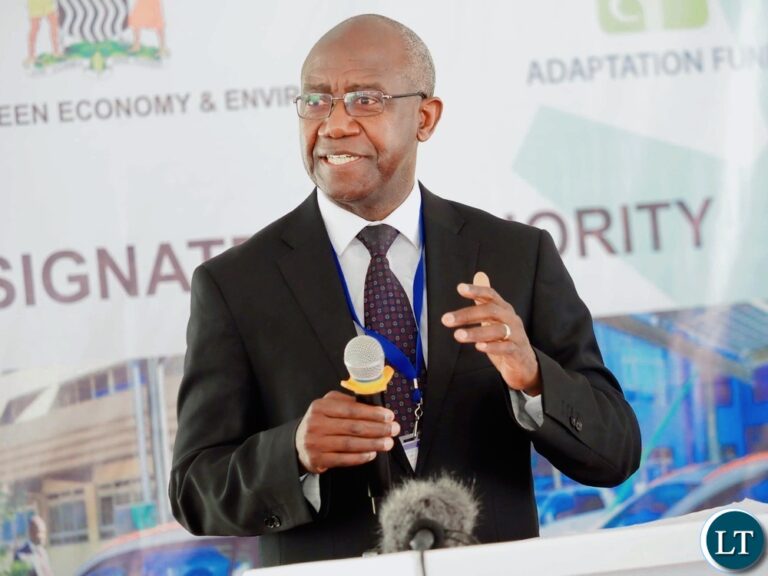
Speaking after the inspection, Acting Secretary to the Cabinet, Oliver Kalabo, described the project as a milestone in government’s efforts to enhance energy efficiency, operational resilience and climate action across public institutions.

The media reports that Dr Kalabo said the solar installation, which integrates battery storage and a hybrid link with the existing generator, is designed to provide a stable power supply to PSMFC’s digital and banking systems.

He said the system will reduce dependency on grid electricity and generator fuel, lower operational costs and cut carbon emissions in line with Zambia’s green economy agenda.

“This milestone underscores government’s steadfast commitment to advancing clean energy solutions, enhancing operational efficiency and strengthening sustainability across the public service,” Dr Kalabo said.

He highlighted that the system will operate under a net metering arrangement, allowing the company to feed excess solar power, back into the ZESCO national grid and earn credits to offset electricity costs.

He said the project was implemented in collaboration with the Ministry of Infrastructure, Housing and Urban Development, the Ministry of Energy and the Rural Electrification Authority (REA) and was complete within the approved timeframe and budget.

“This achievement affirms that public projects can be successfully delivered on time, within budget, and to the highest standards when they are properly planned, executed, and supervised,” Dr Kalabo said.

The Acting Secretary to the Cabinet commended PSMFC management and institutional partners for professionalism and fiscal discipline, saying the project serves as a benchmark for other public agencies.

He further urged ministries, departments, and agencies to emulate the initiative by investing in renewable energy systems that incorporate hybrid technology, net metering, and strong maintenance programmes to ensure long-term sustainability.

Dr. Kalabo noted that such projects directly support the Eighth National Development Plan (8NDP) and the Green Economy and Environment Policy, both of which prioritise renewable energy adoption and efficient public infrastructure.

He was particularly happy that Smart Energy, a Zambian company, that installed the system used four interns from the University of Zambia (UNZA )’s school of engineering of which two were female .

He urged government training institutions to focus on equipping young graduates with such knowledge.

Meanwhile, Public Service Micro Finance Company Limited Chief Executive Officer Mubanga Mwiko (CEO) said the project was done at total coast of K4.3 million.

He said the installation of the hybrid solar system had reduced the operational coast at the company.

Project manager Oscar Kabwe stated that this solar system will allow the microfinance institution to save about K80, 000 in electricity expenses each month.

The 100kw hybrid solar system at PSMFC is expected to be fully commissioned before the end of 2025.