Friday, June 5, 2026
29.1 C
Lusaka
Home Blog Page 243

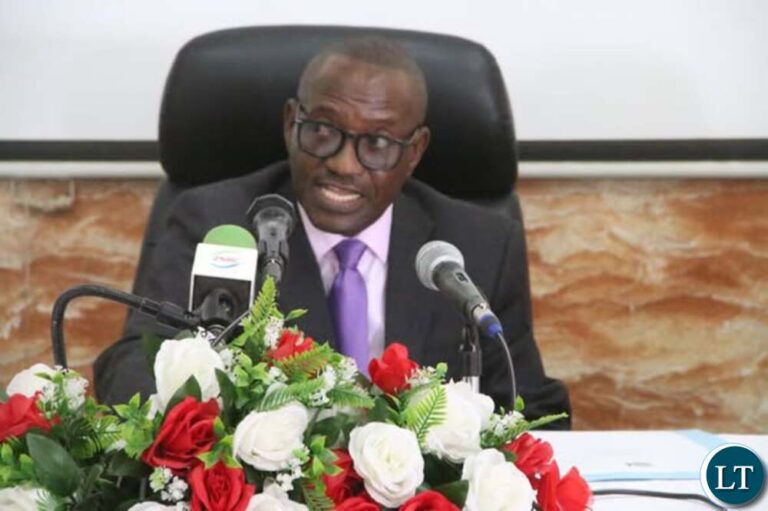
Kavindele proposes one-off seven-year presidential term

18

Former republican Vice President, Enoch Kavindele, has proposed a one-off seven-year non-renewable presidential term of office for a Head of State in Zambia.

Submitting to the Technical Committee on Constitutional Amendment in Lusaka today, Mr Kavindele said the seven-year term of office should be non-renewable.

He said such a term will accelerate delivery of development to the people and will give a President the urgency to work promptly because of the limited timeframe.

The former Vice President observed that two five-year terms, which translate into a decade, may cause laxity on the part of a President.

“In that way, the President is fully aware that he has to perform in those seven years. Of course he can perform in the current two term system but if he knows that it is a seven year term which is final, you will see a lot of change and a lot of better things,” Mr Kavindele said.

Mr Kavindele has further proposed that Cabinet Ministers should be appointed outside the National Assembly.

He contended that picking ministers from within parliament alone limits the Head of State from appointing others to head ministerial portfolios who may even be more qualified than parliamentarians.

Mr Kavindele said allowing the President through the constitution to pick ministers from outside parliament will give the Head of State a wide pool of people to choose from as opposed to just limiting it to Members of Parliament.

“Members of Parliament cannot debate themselves, standing orders state that they cannot debate themselves. I would like to think this country can develop faster and better if the President had access to all the people of Zambia for him to appoint those that he can work with,” he said.

Meanwhile, former Transport and Communication Minister, William Harrington, submitted to the Technical Committee that the constitution should stop parliamentarians from serving for more than two terms.

Mr Harrington argued that if the highest office in the land, which is that of republican President, is limited to two terms, he does not see why the number of parliamentarian’s terms should be indefinite.

“This is just to give an opportunity to other citizens, especially the youth who may be aspiring for leadership at parliamentary level. We talk about the youths being leaders of tomorrow but it is a fallacy because tomorrow never comes. The youth must be leaders of today. If there is someone using their influence to party officials at constituency level, then what chance will the youths have to aspire for leadership,” he argued.


Bank of Zambia Monetary Policy Rate reduction to provide relief-CTPD

0

The Bank of Zambia (BoZ) has reduced the Monetary Policy Rate (MPR) from 14.50 percent to 14.25 percent, a move aimed at supporting economic recovery amid signs of easing inflation and strengthening the Kwacha.

The Central Bank’s Monetary Policy Committee cited a more favourable inflation outlook, improved foreign reserve levels and moderate economic growth as key factors behind the decision.

Reacting to the development, the Centre for Trade Policy and Development (CTPD) described the reduction as a positive and measured signal of confidence in Zambia’s macroeconomic environment.

Executive Director for CTPD, Isaac Mwaipopo, said the slight easing of monetary conditions is expected to provide relief to firms grappling with high borrowing costs, particularly in manufacturing, agro-processing and other productive sectors that have been under pressure due to tight credit.

Mr Mwaipopo however cautioned that the move comes with certain policy risks that need to be carefully managed.

“While inflation has moderated, price pressures remain uneven especially in food, transport and energy. A premature policy loosening could complicate efforts to anchor inflation expectations if shocks re-emerge,” he said.

He also expressed concern that lower interest rates could slow down the recent appreciation of the Kwacha if external inflows decline, adding that structural constraints in the banking sector may prevent commercial banks from fully transmitting the policy rate reduction to borrowers.

Mr Mwaipopo said to ensure the intended benefits reach the real economy, CTPD has urged the Bank of Zambia and Government to complement the policy rate cut with targeted interventions.

These include strengthening credit guarantee schemes, accelerating the disbursement of Constituency Development Fund (CDF) resources toward productive ventures, and tackling supply side challenges that continue to drive up prices.

“Monetary easing alone is not enough, it must be supported by measures that enhance access to affordable credit and address the root causes of inflation,” he said.

The CTPD has since reaffirmed its commitment to providing evidence based analysis to support sound economic management and promote sustainable growth.

Over 1,000 farmers to benefit from FSP in Kasempa

0

Over 1,000 small-scale farmers in Kasempa District of North-Western Province are set to benefit from the 2025 Food Security Pack (FSP) Rain-fed Programme.

District FSP Committee Secretary, Isabel Mwinanyambe disclosed that a total of 1,062 beneficiaries have been targeted under the 2025-2026 farming season.

Speaking during the District FSP committee meeting in Kasempa, Ms Mwinanyambe said that the government initiative is aimed at boosting household food production and reducing poverty among vulnerable but viable farmers.

She said the selection process involved thorough verification and the creation of beneficiary lists across all 16 Community Welfare Assistance Committees (CWACs) implementing the rain-fed component of the program.

 “Since our target for this year was 1,062 beneficiaries, we needed to add 264 new farmers to reach the required caseload,” Ms Mwinanyambe explained.

She further revealed that the increased caseload had led to the inclusion of two new areas under the program.

“After consultations, we chose Shivuma and Kamona CWACs for the new recruitment. This approach ensures that these beneficiaries can continue into 2027 as part of the carry-over group,” she added.

Ms Mwinanyambe confirmed that all farming inputs for the 2025/2026 farming season had already been received and were awaiting transportation to the respective sites.

“The inputs received under the program include 2,124 x 50-kilogram bags of D-Compound fertilizer, 2,124 x 50-kilogram bags of Urea, 462 x 10-kilogram bags of Sorghum, 462 x 10-kilogram bags of Cowpeas, 600 x 10-kilogram bags of Sunflower, and 462 x 5-kilogram bags of Maize seed,” Ms Mwinanyambe stated.

Government hails K4.3 million 100kw solar project

2

Government has reaffirmed its commitment to clean energy adoption and sustainable public sector operation.

This follows the successful pre-commissioning inspection of a 100-kilowatt hybrid solar power system at the Public Service Micro-Finance Company (PSMFC) in Roma, Lusaka.

Speaking after the inspection, Acting Secretary to the Cabinet, Oliver Kalabo, described the project as a milestone in government’s efforts to enhance energy efficiency, operational resilience and climate action across public institutions.

The media reports that Dr Kalabo said the solar installation, which integrates battery storage and a hybrid link with the existing generator, is designed to provide a stable power supply to PSMFC’s digital and banking systems.

He said the system will reduce dependency on grid electricity and generator fuel, lower operational costs and cut carbon emissions in line with Zambia’s green economy agenda.

“This milestone underscores government’s steadfast commitment to advancing clean energy solutions, enhancing operational efficiency and strengthening sustainability across the public service,” Dr Kalabo said.

He highlighted that the system will operate under a net metering arrangement, allowing the company to feed excess solar power, back into the ZESCO national grid and earn credits to offset electricity costs.

He said the project was implemented in collaboration with the Ministry of Infrastructure, Housing and Urban Development, the Ministry of Energy and the Rural Electrification Authority (REA) and was complete within the approved timeframe and budget.

“This achievement affirms that public projects can be successfully delivered on time, within budget, and to the highest standards when they are properly planned, executed, and supervised,” Dr Kalabo said.

The Acting Secretary to the Cabinet commended PSMFC management and institutional partners for professionalism and fiscal discipline, saying the project serves as a benchmark for other public agencies.

He further urged ministries, departments, and agencies to emulate the initiative by investing in renewable energy systems that incorporate hybrid technology, net metering, and strong maintenance programmes to ensure long-term sustainability.

Dr. Kalabo noted that such projects directly support the Eighth National Development Plan (8NDP) and the Green Economy and Environment Policy, both of which prioritise renewable energy adoption and efficient public infrastructure.

He was particularly happy that Smart Energy, a Zambian company, that installed the system used four interns from the University of Zambia (UNZA )’s school of engineering of which two were female .

He urged government training institutions to focus on equipping young graduates with such knowledge.

Meanwhile, Public Service Micro Finance Company Limited Chief Executive Officer Mubanga Mwiko (CEO) said the project was done at total coast of K4.3 million.

He said the installation of the hybrid solar system had reduced the operational coast at the company.

Project manager Oscar Kabwe stated that this solar system will allow the microfinance institution to save about K80, 000 in electricity expenses each month.

The 100kw hybrid solar system at PSMFC is expected to be fully commissioned before the end of 2025.

2026 SADC Media awards competition launched

0

Government has bemoaned the low participation of journalists in regional competitions such as Southern African Development Community (SADC) Media awards competition.

Ministry of Information and Media Permanent Secretary Thabo Kawana notes that journalists from the private media hardly participate in media awards yet such competitions are open to both private and public media.

The media reports that Mr Kawana says the media are key to disseminating information on SADC to support the process of regional co-operation, integration and development in the SADC region

Mr Kawana has since directed the Department of Press and Media Department under his ministry to come up with strategies that will attract and encourage journalists to participate in SADC awards competition.

The PS who was represented by Information and Media Director for Human Resource and Administration, Bernard Domingo, disclosed this when he officially launched the 2026 SADC media awards.

Mr Kawana noted that even though Zambia did not win any awards in the 2025 SADC competition, he is optimistic that local journalists will walk away with awards in next year’s competition.

And Mr Kawana has reiterated the power of the journalists in promoting regional integration in trade, investment and enhancing democracy in the SADC members countries.

He challenged media personnel to highlight positive stories on innovative, culture, trade, agriculture, energy among other key sectors of the economy.

And speaking earlier, SADC National Adjudication Chairperson Basil Hamusokwe challenged journalists to showcase their skills.

Dr. Hamusokwe, who was represented by his deputy, Mundia Mushoke, said entries are available in photo-journalism, print, electronic; radio and television respectively.

He said journalists can begin submitting their entries till February 28th, 2026.

Meanwhile, a renowned Journalist Sam Phiri, said that the media awards competition organised by SADC are timely.

Mr Phiri, who doubles as Real Times Chief Executive Officer, urged journalists in the country to participate in next year’s SADC media awards.

He however, wondered why SADC Secretariat has not included entries from online media institutions.

Mr Phiri noted that as the world expands its digital space, the media is also expanding its innovation through electronic platforms.

Government increases FSP beneficiaries for North-Western Province

0

The Ministry of Community Development and Social Services has increased the number of beneficiaries under the rain fed Food Security Pack (FSP) programme in North- western province from 9,799 in the previous season to 12,893 this season.

North-Western Province Deputy Permanent Secretary Luckson Mulumbi says the increase is aimed at enhancing the fight against poverty which he says is not only the responsibility of the government alone but requires the participation of every citizen.

Mr Mulumbi was speaking in Solwezi when he flagged off the distribution of farming inputs under the Food Security Pack programme for the 2025/2026 farming season.

The deputy PS said FSP remains a game changer in terms of transforming people’s lives and reducing poverty and vulnerability in communities.

 “I wish to emphasise that the Food Security Pack programme is a flagship carrier of the department as it is a game changer in terms of changing people’s livelihoods, “he said.

He urged the beneficiaries not to sell the inputs but utilise them and help the programme meet its objective of reducing poverty and vulnerability levels in communities.

Speaking earlier, Provincial Community Development Officer, Kondwani Munyeka said the Ministry has devised new guidelines that will see beneficiaries benefiting for three years from the previous two years.

“Beneficiaries will pay back for the first two years and the third year will be a graduation bonus for the beneficiaries as they will go with whatever will be given to them,” Mr. Munyeka said.

He indicated that beneficiaries who will fail to pay back in the first or second year of being on the programme will be dropped and replaced.

“These paybacks are not meant for the government, but for the communities where they are coming from,” he added.

Mr Munyeka said each beneficiary will receive two x 50 kilogram bags of Compound D fertilizer, two x 50 kilogram bags of Urea, a 10 kilogram bag of maize seed and a 10 kilogram bag of either beans or groundnuts.

Speaking on behalf of the beneficiaries, Eshiloni Mutobe thanked the government for increasing the number of beneficiaries and also for adding an extra fertilizer bag of Urea which has been a plea of the beneficiaries.

“We appreciate the government for listening to our cry and adding another bag of Urea to make it two and for also giving us another year of being on the programme. We shall deliver and not disappoint our government which is so supportive of us,” Mr Mutobe said.

The FSP programme is one of the social protection programmes aimed at empowering vulnerable but viable farmer households with skills and farming inputs so as to reduce poverty at household level.

ZAFFICO, AFD, TEREA ink deal on forestry management

0

The Zambia Forestry and Forest Industries Corporation (ZAFFICO) has signed a tripartite Memorandum of Understanding (MoU) with the French Development Agency  (AFD) and French company TEREA at a total cost of 390,000 Euro grant.

ZAFFICO Managing Director, Mundia Mundia, says the MoU is aimed at strengthening sustainable forestry management and industrial diversification efforts.

The media reports that Mr Mundia was speaking at the signing ceremony in Lusaka, where he noted that the partnership will support ZAFFICO’s efforts to expand its pine and eucalyptus plantations, restore degraded forest landscapes and drive value addition and industrial transformation.

He highlighted that the MoU provides a grant of 390,500 Euros from AFD’s Technical Expertise and Experience Exchange Fund (FEXTE) to support a project that will enhance ZAFFICO’s operational efficiency, market competitiveness and sustainability.

“The project includes a comprehensive diagnostic phase, a detailed market study, and technical visits to France, to promote knowledge exchange and capacity building,” he added.

Mr Mundia further noted that the partnership is already yielding significant benefits, including a comprehensive forest inventory that guided ZAFFICO’s strategic plan and investment priorities.

“The partnership is expected to have a significant impact on rural development, empowering families and unlocking new livelihoods across forestry dependent areas,” Mr Mundia said.

And Ambassador of France to Zambia, Thomas Rossignol says the agreement reflects the commitment that France has towards Zambia’s development and resource sustainability.

Mr Rossignol emphasised that the project was good for ZAFFICO, the country and the entire population, explaining that it will help fight deforestation in the country, especially in the fight against climate change.

He also emphasised that global warming and deforestation do not recognise borders and that countries must work together to address these challenges.

AFD Regional Director for Southern Africa, Marie-Hélène Loison, said the agreement was a significant step towards achieving sustainable development in Zambia’s forestry sector.

“I am particularly proud to join forces with ZAFFICO in promoting sustainable forest management, which is considered a key asset for the Zambian economy,” she said.

Ms Loison said that the project was aligned with AFD’s strategy to support local development, improve livelihoods, and promote sustainable management of natural resources.

She added that the project was part of AFD’s broader efforts to support the forestry and agriculture sectors in Zambia and will contribute to the country’s economic growth.

“The project ticks a lot of boxes in our strategy and it is about increasing value addition, promoting sustainable forestry management and improving livelihoods for people in rural areas,” Ms Loison added.

Sangwa says constitutional amendment process predetermined

10

Sangwa says constitutional amendment process predetermined

Constitutional lawyer John Sangwa says the outcome of the Bill 7 constitutional review is effectively predetermined, arguing that the process has not created space for meaningful public participation. Speaking during an online discussion, he said the procedure appears to follow a preset script that validates decisions made before citizens were invited to contribute.

He noted that the Technical Committee was given a fixed timeline that limits genuine consultation, despite the long-term implications of constitutional amendments. Sangwa said a process of this magnitude should be anchored in broad national engagement, but the current approach signals that public views may have little influence on the final outcome.

He pointed to previous amendment cycles, which he said allowed wider public dialogue and adequate time for civic groups and stakeholders to review proposals. The present structure, he argued, is restrictive and rushed, creating the impression that submissions will not alter the direction of the reforms.

Sangwa also raised concerns about transparency, saying the Technical Committee began work before its full terms of reference were made public. He questioned whether the committee is operating within the constitutional framework or under administrative limitations that narrow its independence.

He described the exercise as one that risks becoming a procedural formality, warning that review processes conducted without genuine public involvement erode trust in institutions. For him, the Constitution should not be amended through mechanisms that sideline citizens, who ultimately bear the impact of changes to governance systems, electoral rules and checks on state power.

He further questioned whether the committee’s work meets standards set by the Constitutional Court, citing a 2016 ruling that emphasised the need for clear, participatory procedures in constitutional reforms. Sangwa said some proposals under discussion resemble earlier amendments rejected under Bill 10, raising concerns that the current effort may be revisiting ideas already dismissed through public opposition.

He warned that the compressed timeline reduces room for debate on core issues such as separation of powers, institutional design and electoral governance. Effective amendments, he said, require deliberate analysis, adequate feedback periods and openness. Without these elements, reforms are unlikely to withstand scrutiny.

Sangwa urged citizens to assess whether their contributions will meaningfully shape the final document. He said a process characterised by limited transparency and tight deadlines risks producing reforms that do not address the country’s underlying governance challenges.

He also noted the political weight of constitutional amendments, saying rushed changes often create perceptions that reforms are intended to serve specific interests. He called on authorities to demonstrate credibility by widening consultation and ensuring that the review is genuinely public-driven.

Sangwa stressed that constitutional changes must reinforce, rather than weaken, democratic safeguards. He said no amendment should proceed if it compromises checks and balances or undermines institutional independence. The public, he added, expects reforms to advance fairness, clarity and long-term national stability.

He concluded that constitutional review efforts grounded in broad dialogue are more likely to produce credible and durable outcomes. Without such foundations, he said, the Bill 7 process risks losing legitimacy and failing to reflect the views of citizens.

Debate over Bill 7 continues to intensify among legal experts, civil society and political actors as the Technical Committee moves closer to presenting its final recommendations to government.

UPND cautions individuals plotting harm against President Hichilema

3

UPND cautions individuals plotting harm against President Hichilema

UPND leaders have condemned the violence that occurred in Chingola at the weekend, warning that individuals plotting harm against President Hakainde Hichilema will face firm resistance from members of the ruling party’s structures. The remarks were issued separately by UPND Secretary General Batuke Imenda and Bwacha UPND MP Kasanita Michelo, who addressed supporters during post-incident briefings.

Imenda described the events in Chingola as unacceptable and urged citizens to uphold peaceful methods of expressing grievances. He said violence in any form reflected negatively on the country and should never be normalised. According to him, President Hichilema’s administration has consistently advocated for dialogue, community engagement and non-violent political competition, and expects citizens to use lawful avenues to address disagreements.

During his remarks, Imenda stressed the importance of safeguarding national unity. He noted that Zambia has made progress under the current administration in areas such as education support, health provision and broad governance reforms, adding that disruptions caused by politically motivated incidents weaken community confidence. He said the Chingola disturbances showed a need for continued efforts to educate communities on peaceful political engagement.

Michelo addressed supporters in a separate gathering where he warned individuals planning violent attacks on the President that they would face resistance from those tasked with protecting him. He said members of the ruling party remain alert to threats and will not allow plots that risk the life of the Head of State. Michelo said the UPND expects political competition but will not tolerate acts that go beyond normal political rivalry into criminal intent.

While responding to questions from supporters, Michelo said nobody in the party had encouraged violence. He emphasised that those aiming to harm the President were not motivated by political opposition but by criminal intentions, which he said must be confronted firmly. He added that the UPND had experienced similar threats in the past and would continue protecting its leader from individuals intent on creating disorder.

Michelo also referenced reports circulating on social media claiming that the Chingola attackers were linked to the ruling party. He dismissed these claims and said the party had not deployed anyone to engage in confrontation. He said members arrested in separate incidents unrelated to Chingola should not be confused with those who participated in violent acts targeting the President. According to him, critics often conflate unrelated events to portray the ruling party unfairly.

Both leaders called for the maintenance of internal discipline within UPND structures. Imenda encouraged party members to uphold the values of peace, unity and lawful conduct, saying national progress requires a stable environment. He said the party expects supporters to follow established guidelines when attending gatherings, responding to provocation or expressing grievances.

Michelo echoed the call for discipline, adding that individuals who join the party must understand their obligations to maintain order. He said the national management committee remains committed to preserving peace and ensuring that any member who engages in disorderly conduct is subjected to internal processes. He reminded supporters that membership in a political organisation comes with responsibilities, and any deviation from the party’s values undermines the work being done to strengthen national cohesion.

The remarks come after a week of heightened discussion around security concerns following the Chingola disturbances. Community members expressed worry about the wider implications of such incidents, especially in areas where political tensions remain high. Civil society organisations have also urged political leaders to speak strongly against violent behaviour and encourage dialogue as the primary method for addressing conflict.

Imenda reaffirmed that the UPND remains committed to protecting the lives of citizens and maintaining a peaceful climate. He said the party believes in opportunities built on lawfulness, dignity and mutual respect. He added that Zambians should take pride in upholding peace because the country has historically resolved disputes through dialogue and democratic processes.

The UPND leadership also addressed perceptions that the Chingola incident signalled rising political disorder. Imenda said isolated incidents should not mislead citizens into believing that the country is sliding into widespread instability. He urged the public to report threats to authorities and to reject political actors who promote chaos.

Michelo, meanwhile, stressed that any attempt to attack the President cannot be treated lightly, explaining that such actions threaten national stability. He told supporters that those planning violent acts put their own communities at risk because law enforcement agencies treat such threats as matters of national security.

As the debate continues, political observers note that the Chingola disturbance has reignited conversation about the behaviour of political groups and the role of party leadership in guiding supporters. Calls for responsible messaging, community engagement and consistent enforcement of internal disciplinary measures have featured prominently across public commentary.

Both Imenda and Michelo emphasised that UPND members stand ready to defend the Head of State against criminals, not political opponents. They said political competition is welcome but must take place within the confines of the law. Their remarks form part of the ruling party’s wider effort to reassure the public that peace and security remain priorities as political activities intensify across the country.

Prof Lumina rejects Kaaba’s defence of Bill 7, cites key legal concerns

1

Prof Lumina rejects Kaaba’s defence of Bill 7, cites key legal concerns

Constitutional law expert Professor Cephas Lumina has rejected Dr O’Brien Kaaba’s defence of President Hakainde Hichilema’s decision to appoint the Technical Committee on constitutional reform, describing Kaaba’s comments as a diversion from the central legal question surrounding Bill 7. His response adds another dimension to the ongoing debate about the scope of presidential authority in steering constitutional amendments.

In a detailed reaction, Lumina argued that Kaaba’s defence did not address what he considers the core issue: whether Article 92 of the Constitution grants the President power to initiate or direct constitutional change. Lumina noted that instead of engaging with this question, Kaaba focused on interpretations that, in Lumina’s view, stretch the meaning of presidential functions beyond what the law permits.

Lumina said the role of the President is limited to executing functions expressly provided for in the Constitution. He cautioned that assigning additional powers through broad interpretation risks elevating the presidency above constitutional limits. According to Lumina, this is particularly important when dealing with matters involving constitutional reform, which he described as a process that belongs to the people.

The constitutional expert also questioned the timing and structure of the Technical Committee. He observed that the committee was appointed before clear terms of reference were issued, which in his view created uncertainty about its mandate. Lumina added that early public statements released by the committee suggested a scope similar to proposals contained in the rejected Bill 7, raising questions about whether the current process mirrors earlier attempts at reform.

He said the manner in which the committee was established reinforced concerns that the amendment process may not be aligned with principles of public participation and transparency. Lumina referenced public commentary that highlighted gaps in consultation, noting that any reform effort must be anchored in citizens’ involvement rather than executive direction.

Drawing from the Constitutional Court’s earlier ruling in the Munir Zulu case, Lumina explained that the judgment affirmed that constituent power rests with the people and cannot be exercised by the Executive. He argued that this precedent should guide any approach to constitutional changes, and that reforms initiated by presidential committees risk conflicting with that legal position.

The scholar further responded to Kaaba’s suggestion that the President’s general administrative functions allow for such initiatives. Lumina stated that administrative responsibilities do not supersede constitutional constraints, and that attempts to expand executive influence through interpretation should not form the basis of constitutional reform.

He said the primary questions requiring examination include how the committee was constituted, what its mandate entails, and whether the approach respects established constitutional procedures. According to Lumina, Kaaba’s response did not address these points directly, which he felt weakened the defence.

Lumina also expressed concern about the potential reintroduction of clauses resembling those in the former Bill 7. He highlighted public fears that the process may revive proposals that citizens previously rejected. He urged that any constitutional review must begin with broad consultation before drafting begins, arguing that pre-set frameworks risk marginalising public input.

The constitutional debate has drawn continued attention from legal practitioners, civil society and political groups. Lumina’s statement adds to a growing list of voices questioning the foundation of the current reform initiative. Meanwhile, Kaaba’s position has centred on the view that the President’s leadership role includes coordinating national processes that require administrative support.

Lumina called for a process that is grounded in transparency, national dialogue and respect for constitutional boundaries. He said the current approach requires careful re-evaluation to ensure that it does not undermine public confidence in constitutional governance. He emphasised that the Constitution is a national framework and should not be shaped through mechanisms that leave out critical stages of citizen engagement.

He restated that the issue at hand is not the intention to review the Constitution but the method being used. He encouraged legal scholars, civic organisations and public institutions to continue scrutinising the process, arguing that constitutional amendments must follow established norms rather than interpretations that could expand executive authority beyond what is clearly provided.

The matter remains under active discussion, with various stakeholders continuing to analyse both Kaaba’s position and Lumina’s counterarguments. Observers expect the debate to intensify as the work of the Technical Committee progresses and as more details emerge on the direction of proposed reforms.

Monze cholera cases rise to 16 as child dies

0

Monze cholera cases rise to 16 as child dies

Health authorities in Monze District have reported two additional cholera cases, bringing the cumulative total to sixteen since the outbreak was detected on 9 November. The district has also recorded the death of a one-year five-month-old child, marking the first fatality linked to the outbreak. Officials have increased surveillance and intensified community sensitisation in an effort to prevent further spread.

Monze Town Council public relations officer Kanchele Kanchele confirmed the updated figures during a briefing on the district’s response. According to the council, nine patients have already been discharged after receiving treatment, while others remain under observation. Contact tracing and monitoring are underway, with eighteen individuals listed for follow-up by health teams.

Authorities have completed disinfection of affected households, and community health workers have been deployed to provide early detection support within high-risk neighbourhoods. The council indicated that sensitisation messages focusing on hygiene, safe water use and early treatment are being reinforced through community structures. Households in affected areas have been urged to report symptoms immediately to prevent delays in receiving care.

The district recorded its first cases earlier in the week, prompting health teams to activate emergency response protocols. Officials pointed to water contamination as a likely contributor, although investigations are continuing to determine specific sources. Teams have been collecting water samples from targeted locations and mapping high-risk zones based on household reports and epidemiological assessments.

Beyond Monze, Kabwe District has also confirmed two cholera cases. Health authorities in the area have been tracing the exposure and travel histories of the patients. The Kabwe District Health Office has stated that both cases are under treatment and that prevention activities have been scaled up in communities where the patients reside. Monitoring is ongoing to determine any linkages with outbreaks in other districts.

The Ministry of Health has encouraged districts experiencing cases to strengthen their local prevention mechanisms. These include improving access to clean water, enhancing drainage around households and enforcing safe food-handling practices. District-level information teams have been engaging ward leaders to support community mobilisation and ensure accurate messages reach affected zones.

The death of the child in Monze has highlighted the urgency of quick reporting and treatment. Health officers noted that children and individuals with weakened immunity remain particularly vulnerable, making early detection essential. The council emphasised that local health centres are equipped to provide immediate care and encouraged families to seek assistance as soon as symptoms appear.

The outbreak has prompted renewed calls for handwashing, safe storage of drinking water and avoidance of foods sold in unsanitary conditions. Health educators have been working with market committees, schools and community groups to reinforce these practices. Authorities have also encouraged residents to chlorinate their water and avoid using shallow or unprotected sources.

Environmental health teams continue to visit areas where new cases have emerged. Their work includes examining waste disposal practices, water sources and sanitation challenges that may contribute to the spread of infection. Officials say the findings will guide targeted interventions and help contain transmission within affected zones.

Public health authorities in Monze are maintaining daily updates as part of the district’s rapid response system. Coordination with local leaders has been strengthened to ensure swift reporting of suspected cases, especially in peri-urban communities that may have limited access to formal health facilities. The council noted that established communication channels between clinics and community volunteers remain key to identifying outbreaks early.

The response has also involved collaboration with schools and religious institutions, which have been advised to promote hygiene measures among congregants and learners. Health staff have been visiting selected institutions to conduct checks, distribute educational materials and establish feedback channels for early warning reports.

District officials say they will continue monitoring individuals listed as contacts until they complete the observation period. Any of them who develop symptoms will be moved into treatment facilities without delay. The council has urged families not to conceal cases and to report any suspected symptoms at the earliest opportunity.

The Ministry of Health has reaffirmed that national response systems remain active, with support available to districts managing confirmed cases. Technical teams from provincial health offices are on standby to assist with laboratory capacity, logistics and epidemiological assessments when required.

Monze District has indicated that public updates will continue until the outbreak is fully contained. Authorities have encouraged community leaders, families and health workers to maintain vigilance and sustain preventive measures. Officials say the combined efforts of households, clinics and local authorities remain essential for stopping further spread and protecting vulnerable populations.

Zambia U17 prepare for crucial qualifier against Mali

Zambia’s Under-17 national team is set to face Mali in a crucial World Cup qualifying fixture, a match expected to test the young squad’s resilience, tactical discipline and ability to respond under pressure. The fixture forms part of the ongoing qualification campaign in which the Junior Chipolopolo are seeking to strengthen their position and maintain their bid for a place at the FIFA Under-17 World Cup.

Preparations have continued throughout the week, with the technical bench focusing on match fitness, finishing and defensive organisation. Coaches have provided repeated emphasis on decision-making in the final third, ball retention under pressure and improved coordination between midfield and attack. According to the technical staff, the squad has shown encouraging progress, with several training sessions dedicated to correcting mistakes observed in recent fixtures.

Players involved in the last match have undergone recovery and analysis sessions to identify areas requiring improvement. The technical team is understood to have reviewed video footage of both Zambia’s recent matches and Mali’s tactical patterns, with particular attention on Mali’s pace in transitions and their strength on the wings. Staff noted that Mali tends to overload midfield zones and initiate quick counter-movements, prompting Zambia to prepare for a fast-paced match requiring tight marking and quick recoveries.

Zambia’s defence has been an area of focus in the build-up to the match. The coaching team has worked on reinforcing positional awareness, reducing unnecessary fouls in dangerous areas and improving communication between defenders and the goalkeeper. Training sessions have involved repeated drills designed to sharpen long clearances, aerial duels and defensive composure when pressed by opponents.

In attack, the Junior Chipolopolo have been encouraged to be more decisive in front of goal. Coaches have stressed the need for improved timing of runs, quicker passing exchanges and maintaining composure when opportunities arise. The forward line has spent substantial time on finishing drills intended to boost confidence and ensure that chances created are converted effectively.

Midfielders have been tasked with controlling the tempo of the match, ensuring fluid transitions between defence and attack while limiting turnovers in central zones. Coaches have reinforced the value of maintaining shape when out of possession and ensuring adequate cover behind advancing full-backs. The aim has been to keep the team compact, disciplined and prepared for Mali’s attempts to stretch play.

The squad’s physical preparation has also been a priority. Fitness coaches have adjusted workloads to ensure players are sharp without risking fatigue going into a decisive encounter. Emphasis has been placed on hydration, recovery routines and monitoring workload intensity throughout the week. Nutrition guidance has been provided to ensure players are fully prepared for the conditions expected during the match.

Team morale has remained positive, with senior members of the squad encouraging younger players to stay focused and composed. The coaching bench has highlighted the importance of mental readiness, reminding players that qualification campaigns require consistency, discipline and collective effort. The team has held several internal meetings aimed at reinforcing unity and establishing clear targets for the match.

Mali enters the fixture with a reputation for physical strength, technical sharpness and the ability to apply pressure through quick combinations. Zambia’s technical staff has observed that Mali often capitalises on opponents’ errors, making it essential for the Junior Chipolopolo to avoid lapses in concentration. Coaches have instructed players to remain alert, particularly during set pieces where Mali has demonstrated notable proficiency.

The match is expected to attract considerable attention from local supporters eager to see Zambia advance further in the qualification pathway. Expectations remain high, with fans hopeful that the squad will display improved cohesion and clinical execution. The football community has expressed confidence in the youngsters’ potential, pointing to the talent within the group and the steady development observed in recent months.

As the match approaches, the Junior Chipolopolo continue fine-tuning tactical details with the aim of producing a strong performance capable of earning a positive result. The technical bench has reiterated that discipline, structure and quick transitions will be essential to managing Mali’s high-energy approach.

The encounter represents an opportunity for Zambia to strengthen its standing in the qualification campaign. A strong result would build momentum and position the team favourably for remaining fixtures. The players remain focused on delivering a performance that reflects the work done in training and the expectations of their supporters.

The Junior Chipolopolo are expected to finalise their matchday squad during the final training session, where tactical roles will be confirmed and final adjustments completed. The team continues to emphasise composure, teamwork and readiness as the countdown to kickoff continues.

UNZA unions reject Vice Chancellor as financial crisis deepens

UNZA unions reject Vice Chancellor as financial crisis deepens

The University of Zambia is facing one of its most significant governance and financial crises after all three staff unions unanimously passed a vote of no confidence in Vice Chancellor Professor Mundia Muya and the institution’s senior management. The declaration was made during an emergency tripartite meeting held this week and reflects the complete erosion of trust between the workforce and the administration at the country’s largest university. The unions say their decision follows prolonged delays in salary payments, unpaid terminal benefits and the absence of a clear financial recovery plan capable of restoring stability.

The University of Zambia Lecturers and Researchers Union, the University of Zambia Professional Staff Union and the University of Zambia National Union of Public and Private Workers say they have reached a point where continued engagement with management no longer offers any hope for resolution. The unions say staff have endured repeated assurances that arrears and benefits would be settled, yet the situation has remained unchanged for months. They argue that the institution cannot function effectively when employees operate under financial uncertainty and a deteriorating work environment.

The unions say the delays in salary payments have left many employees struggling to meet basic needs. They add that the persistent irregularities have affected staff morale and placed households under severe strain. According to the unions, consistent payment of salaries is a fundamental expectation in any public institution and failure to do so reflects structural weakness in internal financial management. They maintain that no workforce can remain productive under prolonged instability.

In addition to salary concerns, the unions say terminal benefits owed to retirees and departing staff have remained unsettled. They note that many long serving employees have been left without the compensation due to them at the end of their careers. They say the delays have caused distress and uncertainty for individuals who expected to rely on those payments during their transition into retirement. They argue that this situation reflects a serious breakdown in financial administration.

The unions also say the university has not presented any credible long term financial recovery plan. While the institution’s financial challenges are widely acknowledged, staff say management has not provided a structured approach that outlines how debts will be settled, how the institution will stabilise its revenue base or how obligations to employees will be met. They say the absence of a detailed strategy to address the crisis leaves staff without confidence in the administration’s ability to restore policy and operational stability.

Attempts to obtain formal comment from the Vice Chancellor’s office were initially unsuccessful. However, a senior official within the administration, speaking anonymously, said the university was dealing with serious liquidity constraints linked to reduced government funding and rising operational costs. The source said management was working to secure additional financing and normalise the situation. Union leaders say these explanations repeat earlier statements and have not been matched by any tangible progress.

UNZALARU has maintained that it will not release the 2025 academic results until all outstanding arrears and terminal benefits are settled. The union says the decision is not intended to disadvantage students but is the only effective measure available to staff. They say they have waited for years for meaningful action and that the vote of no confidence is a direct response to what they view as consistent leadership failures. The other unions have supported this position and say the current situation has left them with no alternative.

The implications of the vote are significant. While it does not legally remove the Vice Chancellor from office, it undermines the moral authority of the administration and places pressure on the University Council to respond. The decision is also expected to draw attention from government, given UNZA’s national role and the scale of the crisis. Staff say they expect the Council and the Ministry of Education to intervene and provide a pathway to resolution.

The crisis raises broader concerns about the institution’s future. Staff say the current conditions may affect the university’s ability to attract academic talent, maintain research activity and support students. They add that prolonged disputes risk damaging institutional stability, affecting accreditation standards and constraining the university’s ability to deliver consistent teaching and services. They warn that unless the underlying issues are addressed, the situation may worsen and cause long term harm.

For now, the unions say the vote of no confidence marks a turning point. They say they are prepared to continue pressing for solutions until the institution addresses the outstanding financial obligations and establishes a credible plan for recovery. They add that the current crisis is not a temporary problem but a matter requiring fundamental change in the management of resources and priorities. They say the responsibility now lies with the University Council and government authorities to take steps that will stabilise the institution and restore confidence among staff.

The situation remains unresolved and discussions between staff and management have not produced any progress. The unions say they are awaiting formal communication from higher authorities and expect a clear timeline for addressing arrears and benefits. They maintain that the stability of the University of Zambia depends on decisive action and a restructuring of current financial and operational approaches.

Government apologises for nationwide fuel shortages, cites logistical delays

3

Government apologises for nationwide fuel shortages, cites logistical delays

Government has issued a public apology for the fuel shortages reported across the country in recent days, attributing the disruption to delays in the distribution chain rather than a depletion of national reserves. Energy Minister Makozo Chikote acknowledged the inconvenience caused and moved to assure citizens that the country still holds sufficient fuel stocks.

According to figures released by the ministry, Zambia had 57,385,360 litres of diesel and 40,082,000 litres of petrol in reserve as of 11 November. The availability of these quantities, officials explained, shows that the country has not encountered a supply collapse. The challenge, instead, stemmed from logistical delays that slowed deliveries to retail stations in several districts.

Reports of long queues and temporary shutdowns at some service stations had raised concerns about national stock levels. The ministry said monitoring teams were deployed to track the movement of fuel and assess the extent of the disruption. Once briefed, transporters were instructed to increase the frequency of deliveries to ease pressure on affected towns.

Government officials also met oil marketing companies to strengthen coordination between depots and retail outlets. The objective, according to the ministry, is to ensure a consistent flow of product until normal supply patterns are restored.

Short term actions have already been implemented. These include prioritising districts that experienced the longest delays and clearing backlogs in the delivery schedule. Medium term measures are also underway. The ministry is reviewing monitoring systems, refining distribution planning and tightening communication channels among suppliers to prevent similar incidents.

While the situation has been described as temporary, the disruption affected motorists in several parts of the country. Some service stations ran out of petrol while others had limited diesel, creating pressure on outlets that still had stock. The ministry noted that these variations were a direct result of slowed truck movements rather than a shortage at national level.

Government monitoring teams have continued tracking daily reserves and dispatch patterns, ensuring that deliveries are spread evenly as operators work through the backlog. Officials indicated that fuel flow should stabilise as more trucks complete scheduled movements in the coming days.

Public concern that the shortages reflected deeper economic challenges was addressed through the ministry’s statement, which emphasised that scheduled imports had continued and that national reserves remained secure. The disruptions, it said, were confined to the distribution chain and not caused by scarcity at the source.

Chikote called for calm as supply levels move back to normal. He acknowledged the pressure placed on transport operators, businesses and households, and committed to providing further updates as the stabilisation process progresses.

Government expects full normalisation once the last delayed consignments reach their destinations, with continued monitoring to ensure all service stations return to regular operating patterns.

Zambia Signals Openness to Coal-Fired Power as President Hichilema Courts Investors to Resolve Energy Deficit

10

President Hakainde Hichilema has reaffirmed his government’s openness to using coal as part of Zambia’s energy mix, stating that the country will not shy away from utilising its abundant coal resources to address the persistent power deficit.

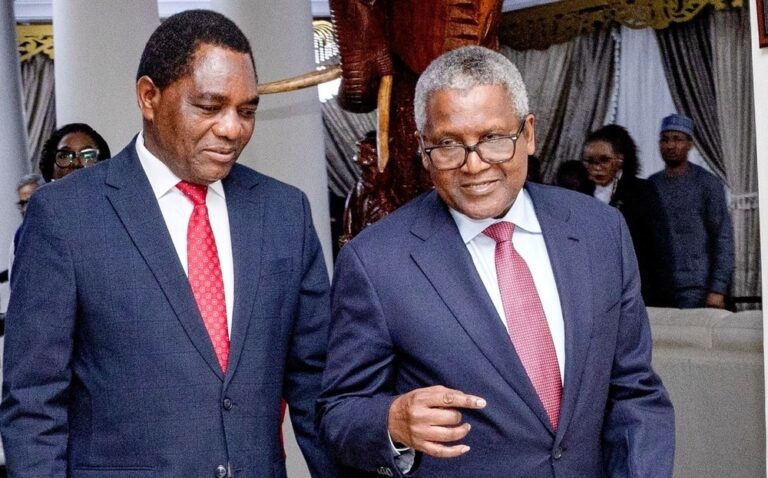
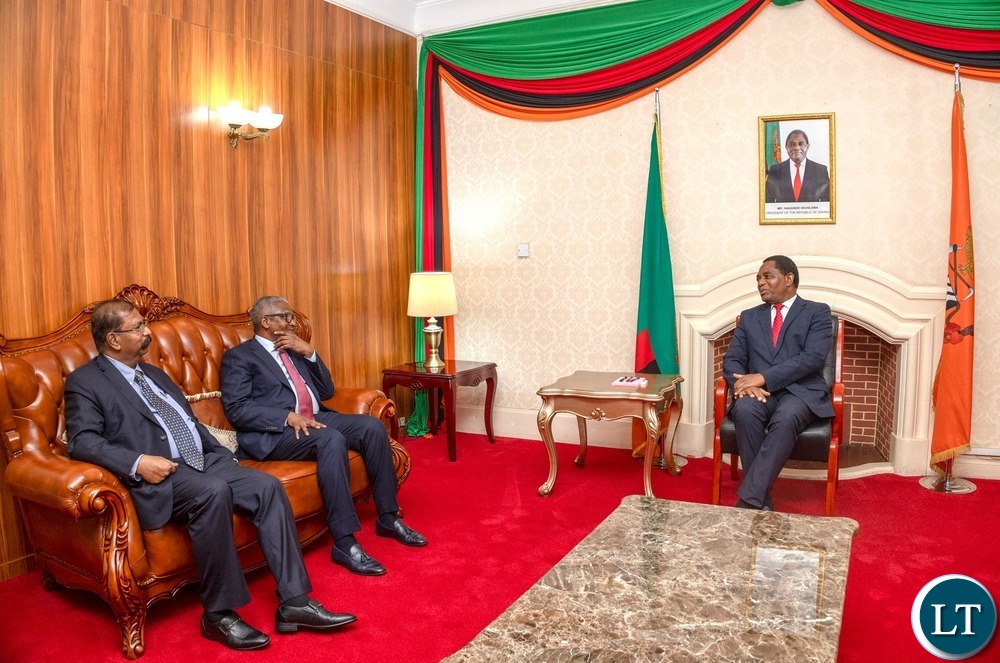
Speaking when Dangote Group Chief Executive Officer and President, Aliko Dangote, paid a courtesy call at State House yesterday, President Hichilema said the ongoing electricity shortage has constrained Zambia’s economic growth, preventing the country from achieving its projected seven percent growth rate.

“We cannot allow the power deficit to continue hindering our economic progress. Zambia is endowed with abundant coal, and we must use it responsibly to generate the power our people and industries desperately need,” President Hichilema said.

Mr. Dangote echoed the President’s sentiments, assuring him of the Dangote Group’s commitment to supporting Zambia’s economic development by investing in energy generation. He noted that countries such as Germany and South Africa continue to use coal as part of their energy mix, adding that Zambia should take advantage of its natural endowments.

“We stand ready to work with the government to help resolve the power challenges. Zambia has what it takes to meet its electricity needs, and we are prepared to play a part,” Mr. Dangote stated.

Earlier in the day, President Hichilema urged a visiting European business delegation to seize emerging opportunities in Zambia’s rapidly reforming energy sector.

Addressing the delegation during a courtesy call at State House, the President highlighted that his administration has undertaken significant reforms that have opened new avenues for investment, particularly in power generation and transmission.

“We have created an environment that is more conducive for investment than ever before. The energy sector, which was previously constrained, is now open for participation, and we welcome partners who can help us meet our energy needs,” President Hichilema said.

He assured the investors that the government is also prioritising measures to reduce the cost of doing business to make Zambia a more competitive investment destination.

Head of delegation Jan Traeckner expressed readiness to invest, emphasising Europe’s interest in helping Zambia resolve its power shortage to unlock broader economic growth.

“We believe Zambia has significant potential, and we are committed to collaborating with your government to address the power deficit,” Mr. Traeckner said.

Minister of Energy, Makozo Chikote, noted that the European delegation has shown keen interest in coal-based energy generation, taking advantage of Zambia’s readily available coal deposits.

Zambia’s Ambassador to Germany, Winnie Chibesakunda, added that the delegation is determined to return to Zambia to pursue concrete investment opportunities.