Violence in Mazabuka, disputed adoptions and independent filings shake Zambia’s political landscape
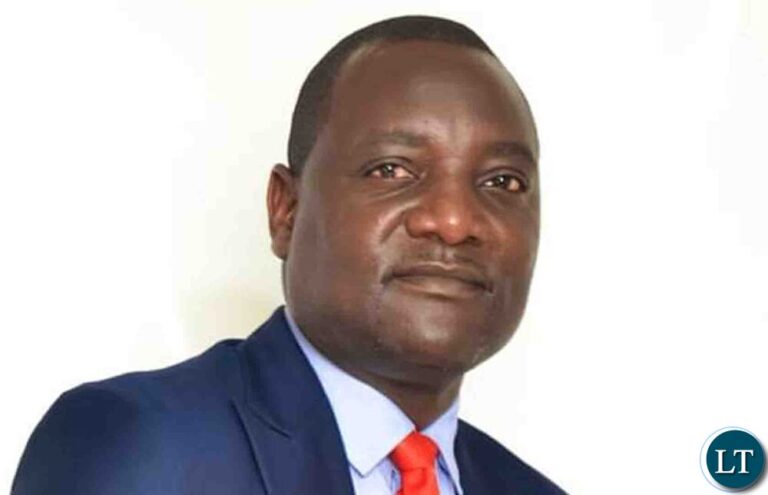
Violence surrounding former minister Gary Nkombo’s nomination filing in Mazabuka has thrown Zambia’s election season into immediate tension, exposing growing fractures inside the ruling UPND as campaigns officially open ahead of the August 13 general election.
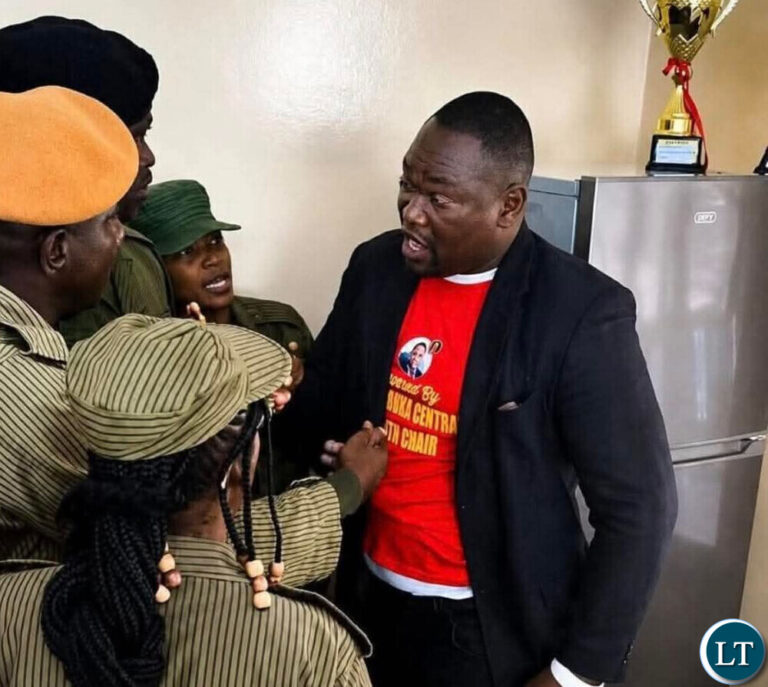
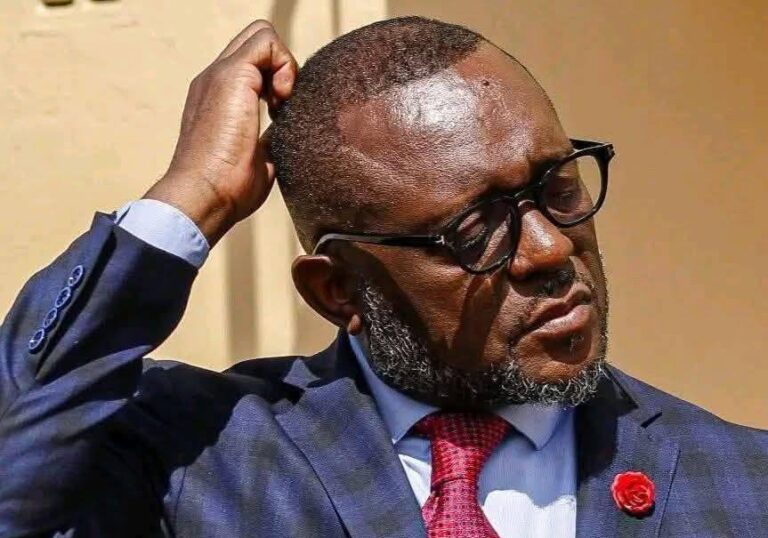
The dramatic confrontation outside the Mazabuka Civic Centre quickly became the dominant political story across the country after privately-owned newspapers accused UPND cadres of attacking Nkombo while he attempted to file nomination papers as an independent parliamentary candidate for Mazabuka Central. State-owned newspapers acknowledged the disturbances but concentrated heavily on President Hakainde Hichilema’s condemnation of political violence and his directive for police to arrest perpetrators.
The sharply different newspaper framing immediately reflected the increasingly polarised atmosphere now surrounding Zambia’s election season.
According to reports carried across multiple publications, Nkombo, accompanied by supporters and family members, arrived at the nomination centre shortly after 08:00 hours before confusion and violence erupted. The Mast reported that cadres blocked his entry and tore his shirt during the confrontation, while News Diggers and Daily Nation portrayed the incident as evidence of growing intolerance within the ruling party following controversial adoption decisions.
The violence followed weeks of growing dissatisfaction surrounding UPND parliamentary adoptions in several constituencies. Reports from Choma, Chavuma, Mumbwa, Bwana Mkubwa and Monze pointed to disputes involving rejected aspirants, imposed candidates and defections from opposition parties being prioritised ahead of long-serving party loyalists.
Former UPND vice-president Bob Sichinga, quoted in The Mast, accused the ruling party of abandoning democratic values and tolerating violence against perceived opponents. Green Party president Peter Sinkamba argued that the ruling party was internally weakening after dropping veteran ministers and MPs in favour of defectors.
The emergence of independent candidatures from former ruling party figures has now become one of the most politically sensitive developments ahead of campaigns. Nkombo’s independent filing immediately transformed him into a symbolic figure within the wider debate over UPND adoptions and internal democracy.
President Hichilema, responding to the disturbances, said Zambia would not tolerate intimidation, mob conduct or electoral violence and directed police to act professionally against perpetrators regardless of political affiliation.
“We expect law enforcement agencies to move swiftly and professionally to arrest all those responsible,” the President said according to reports carried in State-owned newspapers.
Information and Media Permanent Secretary Thabo Kawana also warned that those engaging in violence would be “on their own” and would face legal consequences.
Privately-owned newspapers, however, questioned whether police acted decisively during the Mazabuka disturbances. The Mast editorial accused officers present at the scene of failing to adequately protect Nkombo and his supporters, warning that continued violence without arrests could weaken public confidence in law enforcement neutrality during elections.
The nomination process simultaneously exposed a fragmented opposition field attempting to reorganise ahead of the official campaign season.
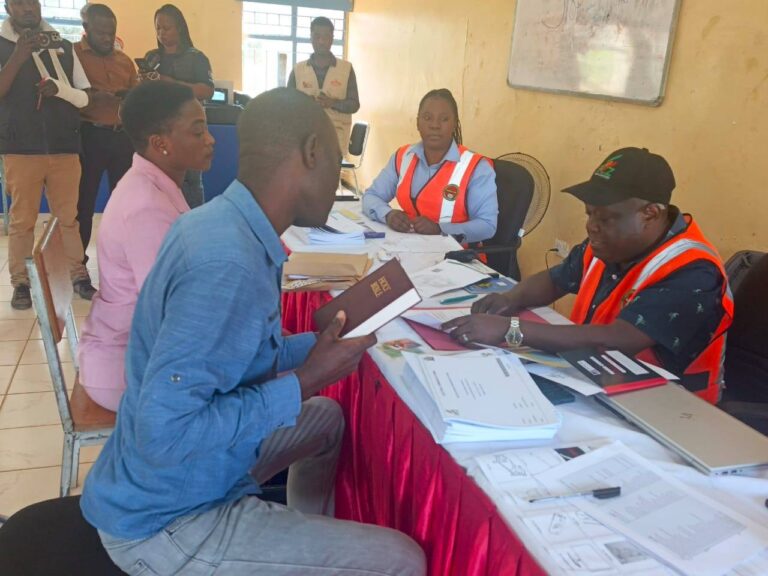
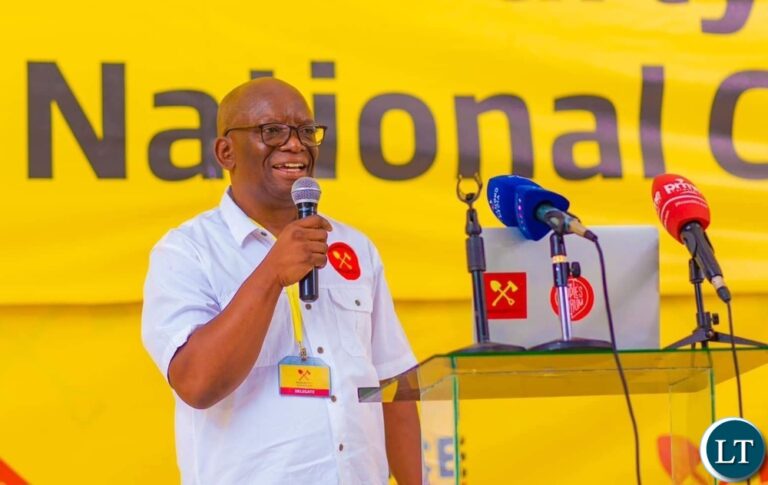
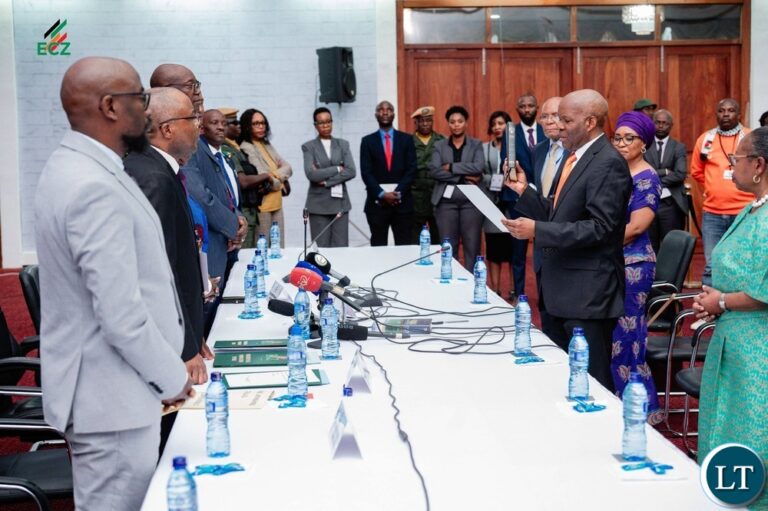
Socialist Party leader Fred M’membe and running mate Dolika Banda successfully filed presidential nominations at Mulungushi International Conference Centre alongside Leadership Movement candidate Richard Silumbe and ZAWAPA candidate Howard Kunda.
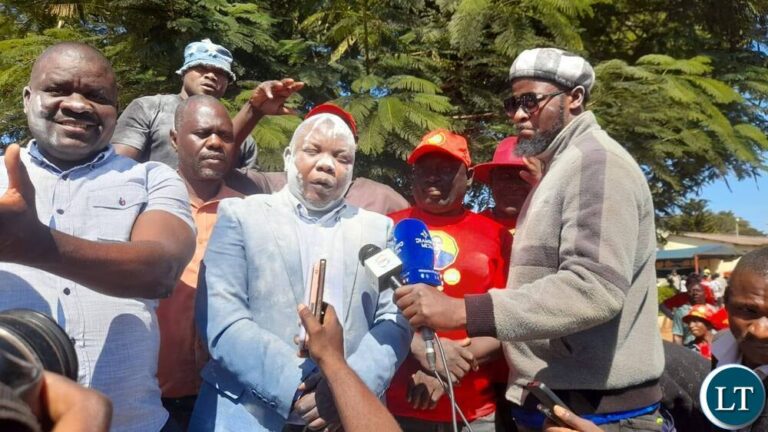
Meanwhile, Tonse Alliance presidential candidate Brian Mundubile and running mate Makebi Zulu attracted heavy police deployment during their nomination filing exercise. Riot police officers armed with batons and rifles surrounded the venue amid expectations of large crowds supporting the alliance.
The growing prominence of the Mundubile-Zulu alliance has become another developing political storyline after several opposition figures openly called for broader opposition unity ahead of the elections.
At the same time, Patriotic Front structures remain unsettled by continuing legal and organisational disputes. Reports that former Health Minister Chitalu Chilufya had stepped away from presidential ambitions highlighted continuing instability surrounding PF succession battles and competing leadership claims.
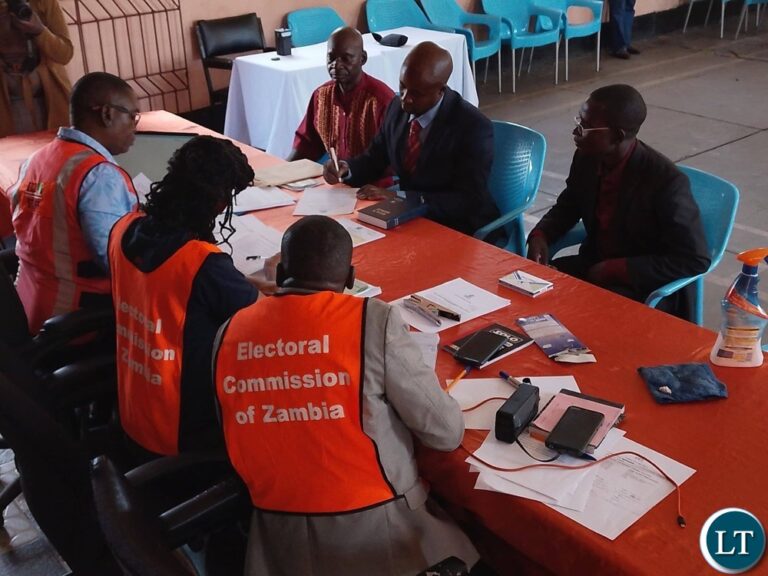
Questions surrounding the Electoral Commission of Zambia also featured prominently across several newspapers after opposition figures criticised last-minute changes to nomination schedules and electoral procedures. Organised Peoples Party president Brian Mushimba and former PF acting president Given Lubinda accused ECZ of creating uncertainty by repeatedly altering nomination timelines close to elections.
The concerns deepened after ECZ extended the nomination period for parliamentary and mayoral candidates, officially citing replacement arrangements for lost voter cards among aspiring candidates.
Legal scholar Prof Cephas Lumina, writing in The Mast, warned that democracy depends not only on voting day itself but also on equal political participation, institutional neutrality and fair administration throughout the electoral process.
The developments now place increasing pressure on police, ECZ and political parties to maintain public confidence as campaigns intensify nationwide.
Wednesday’s nomination process may ultimately be remembered as the moment Zambia’s election season fully shifted into open political confrontation, with violence, internal rebellions and institutional mistrust now emerging as central features of the campaign environment.
Editors Note:
“Police neutrality, ruling party discipline and ECZ credibility are rapidly becoming central tests of Zambia’s election stability before campaigns fully intensify nationwide.”