Tuesday, June 16, 2026
17.9 C
Lusaka
Home Blog Page 266

Man found dead with multiple head wounds in Chadiza

A 61-year-old man from Mwai Farms in Zingalume Chiefdom, Chadiza District, Eastern Province, has been found dead with six deep cuts to his head.

Eastern Province Police Chief Robertson Mweemba confirmed the incident to The media, identifying the deceased as Fackson Phiri.

According to police, Phiri went on a drinking spree on November 1 and never returned home, prompting his son, Gerald Phiri, to report him missing.

He was last seen around 16:00 heading to Chimwele Village for drinking after briefly stopping at his son-in-law Thomas Mbewe’s house at Kapaza Farm.

Phiri’s body was discovered the following morning, November 2, along the Msokosera-Chiseba Road in Zingalume Chiefdom.

Police found the body lying face-up with blood clots on the face and six deep wounds on the skull, suggesting an axe may have been used.

At the scene, investigators also recovered a sealed bottle of Ice Spirit beer and the deceased’s mobile phone.

The body has been taken to Chadiza District Hospital mortuary for postmortem examination, however no arrests have been made and police investigations are ongoing.

Masebo engages Chiefs to boost land access for Zambians

2

Minister of Lands and Natural Resources Sylvia Masebo says her ministry is working closely with traditional leaders to make land available for residential and commercial farming to ordinary citizens.

Ms. Masebo expressed satisfaction that 99 percent of traditional leaders are willing to allocate land for productive use.

She made the remarks during a visit to Copperbelt Province Minister Elisha Matambo in Ndola while launching the issuance of title deeds to residents of the Chatete area in Kitwe.

“Making land accessible to the people aligns with President Hakainde Hichilema’s goal of ensuring land is available to all citizens,” she said.

Ms. Masebo disclosed that the government plans to provide additional resources to the Lands Tribunal to efficiently resolve land disputes and reduce court proceedings.

She noted that the tribunal has been addressing double allocation issues, particularly on the Copperbelt, to ensure fair land distribution.

Ms. Masebo warned that the law will be applied equally and urged citizens to understand the legal requirements for acquiring land, cautioning against attempts to obtain land through dubious means.

And Copperbelt Province Minister Elisha Matambo highlighted ongoing land issues in the province and called on the Ministry to continue assisting in their resolution.

Unions urged to invest in Infrastructure

1

Western Province Permanent Secretary Akapelwa Simomo has called on unions to invest in infrastructure, to ensure stability in their operations.

Mr Simomo emphasized that unions play a critical role in harmonising employers and employees to attain economic transformation and productivity.

The media reports that the PS made the call when a team from the Zambia Union of Government and Allied Workers paid a courtesy call on him ahead of the Provincial Labour Council meeting in Mongu.

“Unions are key players in driving economic growth, and it is essential that they invest in infrastructure to support their operations,” Mr Simomo said.

And Zambia Union of Government and Allied Workers President Muyaywa Kabisa explained the union’s mandate, highlighting their commitment to promoting workers’ rights and interests.

The union’s visit to the Western Province aims to foster dialogue and address labour-related issues, contributing to the province’s economic development.

The Provincial Labour Council meeting is expected to bring together stakeholders, to discuss key labour issues and chart a way forward for the province.

Constitutional Amendment sittings commence in Muchinga

0

Muchinga Province Permanent Secretary Mathews Chilekwa says the Constitutional Amendment is key in addressing gaps existing in the current constitution, thereby streamlining issues related to good governance.

Reverend Chilekwa said from the time President Hakainde Hichilema took over office, he has been clear on the need to have a constitution that will address a number of lacunas found in the current constitution of Zambia.

The Permanent Secretary made the remarks when the Technical Committee on Constitutional Amendments paid a courtesy call on him at his office.

Reverend Chilekwa notes that the Provincial Administration is elated to have the constitutional process undertaking, to resolve some constitutional gaps, in order for the country to have a conducive governance system that is enshrined in the Eighth National Development Plan (8NDP).

The Permanent Secretary said all key stakeholders such as the traditional leaders, the Church, Non-governmental Organisations and members of the public have been informed and advised to make submissions.

And Technical Committee on Constitutional Amendments Chairperson Christopher Mushabati says the Committee is looking forward to having a successful undertaking of the programme in Muchinga Province.

Retired Supreme Court Judge Mushabati pointed out that so far, the Committee has received overwhelming support from members of the public in other provinces.

He further said the Technical Committee is in Muchinga Province to take views of the people with regards to the Constitutional Amendments from Monday November 03, 2025, to Thursday November 06, 2025.

Meanwhile, members of the public talked to by the Zambia News and Information Services (ZANIS) thanked government for granting them an opportunity to participate in the current process.

Stanley Mulenga said it is a privilege to have the opportunity to contribute to the Constitution Amendments, an indication of good governance, while Felix Nongo called on other residents to also participate in making submissions towards the noble cause.

Critics associate Hichilema’s absence from the UN General Assembly with Shrinking Civic Space

0

By Venus N Msyani

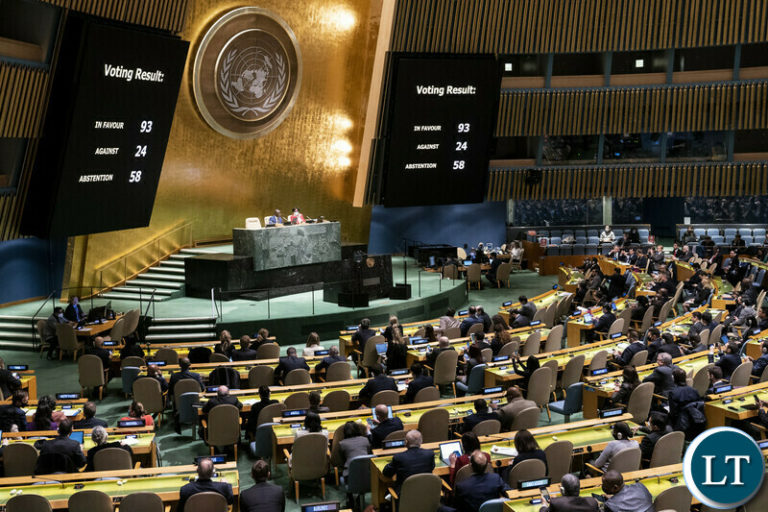
Foreign Affairs and International Cooperation Minister Mulambo Haimbe represented President Hakainde Hichilema at the United Nations General Assembly in New York last September. Hon. Haimbe addressed the assembly on September 29th, the final day of the session.

While protocol dictates that ministers and permanent representatives typically speak later in the session, Zambia’s placement on the final day of UNGA 80th has sparked debate. Critics argue that Zambia was relegated due to democratic concerns.

Civil society organizations, religious leaders, and international watchdogs have raised alarms about Zambia’s deteriorating civic space under the United Party for National Development (UPND). The government’s use of laws like the Cybersecurity Act, the Public Order Act, and the Penal Code has been criticized as tools to suppress dissent and silence opposition voices.

In June 2025, Irene Khan, the UN Special Rapporteur on Freedom of Expression, released a report following her January visit to Zambia. Her findings were stark: the misuse of legal frameworks to stifle free speech and political opposition is contributing to a rapid erosion of democratic norms. Khan warned that Zambia’s civic space is “shrinking at an alarming rate,” contradicting the government’s narrative of democratic progress (UN Human Rights Office).

The report specifically cited the Cybersecurity Act and Penal Code as mechanisms used to intimidate journalists, activists, and opposition figures. These concerns have been echoed by organizations such as Amnesty International and Human Rights Watch, which have documented arrests and harassment of critics under the current administration.

“Prosecuting lawbreakers is not a threat to democracy, but a necessary step toward accountability,” President Hichilema defended his administration in a speech to Zambia’s National Assembly last September.

Yet many Zambians remain unconvinced. The absence of a presidential voice at UNGA, especially amid global concern, feels like avoidance. Some speculate that the weight of international criticism made a UNGA appearance politically untenable for Hichilema. Others suggest that the president’s absence was a strategic move to shield himself from uncomfortable questions and scrutiny.

Zambia’s placement on the final day of UNGA indeed aligns with tradition: ministers and permanent representatives typically speak after heads of state. Other nations, including Canada and Algeria, also delivered addresses on September 29. Suggesting that Zambia was relegated due to democratic concerns can be described as not based on facts.

Still, actions matter. In a year when Zambia’s democratic credentials are under the microscope, the president’s absence sends a message, intentional or not. Silence, in diplomacy, is rarely neutral. And in the context of growing domestic and international concern, it risks being interpreted by others as indifference or evasion.

President Hichilema rose to power on a platform of transparency, reform, and democratic renewal. His campaign promised to restore freedoms, protect civil liberties, and end the culture of fear that had plagued previous administrations. For many Zambians, that promise was a beacon of hope.

But as watchdogs grow louder and civic space grows narrower, that promise feels increasingly distant. Arrests of opposition leaders, restrictions on public gatherings, and the targeting of independent media have cast a shadow over the administration’s democratic credentials.

The question now is not just why President Hakainde Hichilema missed UNGA, but whether his administration is willing to face the world and its own citizens with the accountability it once championed. In the absence of clear answers, speculation fills the void, they say. They also say, in politics, perception often shapes reality.

HH appeals for peace and stability in Tanzania

6

HH appeals for peace and stability in Tanzania
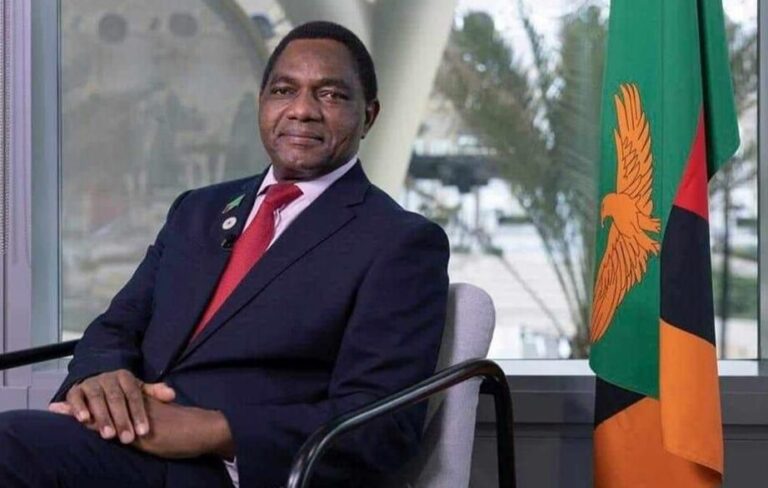
President Hakainde Hichilema has appealed to the people of Tanzania not to take their grievances to the streets, but to resolve national differences through dialogue and formal democratic channels. Speaking during remarks directed to Tanzanian leaders and citizens across the mainland and the islands, he said Tanzania has enjoyed peace since independence, and that legacy should not be destroyed. He said peace, security and stability are the foundation that allows nations to progress.

He explained that once a nation allows a breakdown of law and order, restoring stability becomes difficult, and the consequences affect children in school, family livelihoods, development budgets and the general national trajectory. He said there are countries on the continent that have suffered long term instability after violent episodes, and that such consequences should not be underestimated. He described instability as a menace and warned that once a country loses peace, it is not quickly regained.

President Hichilema said all African nations must prioritise peace as the main ingredient for development. He said there is still much work to be done in providing opportunities for citizens, but that work can only be achieved in environments that are safe and stable. He said when disputes arise, they should be taken to the dialogue table, and he emphasised that the dialogue table must be the only place where disagreements are resolved.

He reflected on his own experience in Zambia. He reminded the audience that the UPND spent 23 years in opposition and that he personally led the party for 15 of those years. He said during that time he suffered election defeats and complaints were raised about electoral processes. Despite that, he did not call for street protests, because sending people into the streets would risk property destruction, injury or loss of life. He said if damage had occurred, such blood would have been on his hands. He said he consistently told supporters that democratic processes must be used and that the party maintained patience.

He said Zambia is now privileged to lead its own nation peacefully, and that responsibility must be preserved and passed on to the next generation. He encouraged Tanzanians to take the path of opportunity rather than destruction. He said challenges are real, but opportunities also exist, and progress arrives in its own sequence. He added that God’s time is the best, and that people do not need to strain to see that signal when it comes.

President Hichilema said Zambia values the historic partnership with Tanzania, referencing Tazama and Tazara infrastructure. He said Zambia relied on Tanzania during the liberation period when access to the sea was blocked. He referenced the roles of President Julius Nyerere and President Kenneth Kaunda, alongside cooperating partners, in making regional transport possible. He said the two nations continue to work on joint rehabilitation of routes to improve movement of goods and citizens.

In his closing remarks, he congratulated the Tanzanian leadership and said those who did not vote for the president must also be embraced and included. He said systems must be built to reach out to every citizen. He said the region must stay focused on peace and stability, because those conditions enable development, job creation, business growth and skills improvements for young people, including Gen Z. He reaffirmed Zambia’s goodwill and said both countries share historical ties and shared ambitions.

Energy Expert Warns Against Suing Government Over Electricity Exports

2

Energy expert Dr. Johnstone Chikwanda has cautioned against taking legal action against the government over the continued export of electricity to Namibia and Zimbabwe. His warning follows a move by Economic Freedom Fighters (EFF) President Kasonde Mwenda, who has sued the Zambian government and key energy institutions, accusing them of violating citizens’ constitutional rights through persistent power exports amid ongoing domestic load-shedding.

Mr. Mwenda’s lawsuit alleges that the government has prioritized foreign contracts at the expense of local electricity needs, arguing that the decision to export 106 megawatts of power has worsened the hardships faced by Zambians struggling with prolonged power cuts. The case has sparked national debate about energy policy, economic diplomacy, and the balance between domestic supply and regional cooperation.

Speaking through an interview, Dr. Chikwanda believes suing the government would be counterproductive and could harm Zambia’s long-term energy security. He explained that the Southern African Power Pool operates as an interconnected grid, and Zambia benefits greatly from its participation. According to him, the country imports more than 50 percent of its electricity through transmission routes managed by Namibia and Zimbabwe. In contrast, these countries receive less than 20 percent of the power that passes through their networks to Zambia.

Dr. Chikwanda cautioned that cutting off electricity exports could provoke retaliatory measures from neighboring states, which might restrict or suspend Zambia’s access to vital imports. Such an outcome, he said, could severely affect both industrial operations and domestic energy supply. He stressed that energy cooperation among regional partners is built on mutual dependence and trust, and any disruption could destabilize not only Zambia’s economy but also the Southern African power grid.

The expert further noted that the ongoing energy crisis is one of the most severe Zambia has faced in recent years, largely due to reduced water levels at hydropower stations. He pointed out that recalling the 106 megawatts currently being exported would only bring minimal relief, reducing load-shedding by a negligible margin that would not significantly improve the situation for households and businesses.

Dr. Chikwanda urged Zambians to focus on sustainable solutions rather than legal confrontations. He cited Ethiopia’s approach as an inspiring model, where citizens collectively contributed to the construction of the Grand Ethiopian Renaissance Dam. The project, he said, demonstrated the power of national unity and public participation in addressing long-term energy challenges.

He encouraged citizens to rally behind Zambia’s ongoing energy projects valued at over $2 billion, which are expected to increase generation capacity and stabilize power supply once completed. These projects, he added, include renewable and hydroelectric developments that will strengthen Zambia’s position as a regional energy hub.

Dr. Chikwanda emphasized that short-term frustrations should not derail broader energy development goals. He called for patience, public support, and responsible dialogue to help the country navigate the current crisis while preparing for future stability in the energy sector.

President Hichilema arrives in Tanzania

1

President Hakainde Hichilema has arrived in Dodoma, Tanzania for a one-day-state visit.

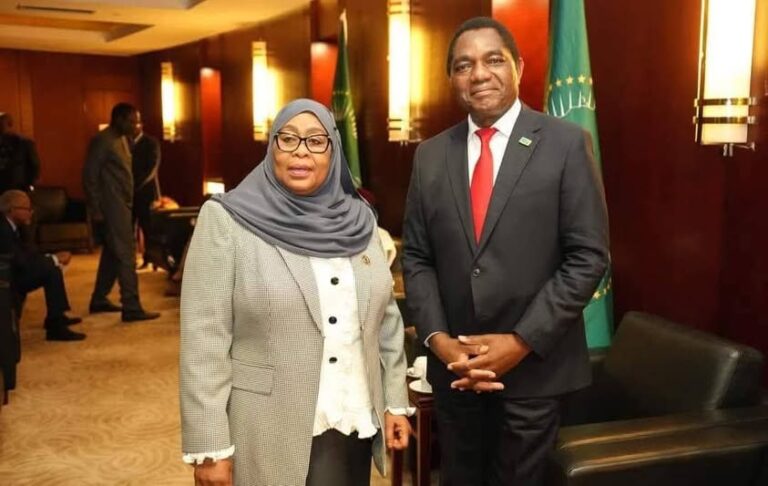
President Hichilema is in Tanzania for the inauguration ceremony of President-elect Samia Suluhu Hassan.

The media reports that the Presidential plane carrying Mr Hichilema touched down at Dodoma International Airport at 08:00 hours Tanzanian time.

On hand to welcome the President was Tanzania Permanent Secretary for Finance, Tsusho Kida and Zambia’s Defence Advisor in Tanzania, Nelson Banda, among other senior government officials.

According to a statement released by the Acting Minister of Foreign Affairs and International Cooperation Collins Nzovu and made available to ZANIS, President Hichilema has been invited to attend the inauguration ceremony of the President-elect of the United Republic of Tanzania, Dr Hassan and will depart Dodoma immediately after the ceremony today.

Mr Nzovu said the inauguration ceremony will take place at State House in Chamwino, Dodoma.

“The invitation signifies the excellent relationship and strong historical ties between Zambia and the United Republic of Tanzania,” Mr Nzovu said.

Dr Hassan won 98 percent of votes in last Wednesday’s poll and was declared winner on Friday, October 31, 2025 to secure another term of office.

“I’m no political prostitute” – Mumbi tears into party thieves

7

“I’m no political prostitute” — Mumbi tears into party thieves

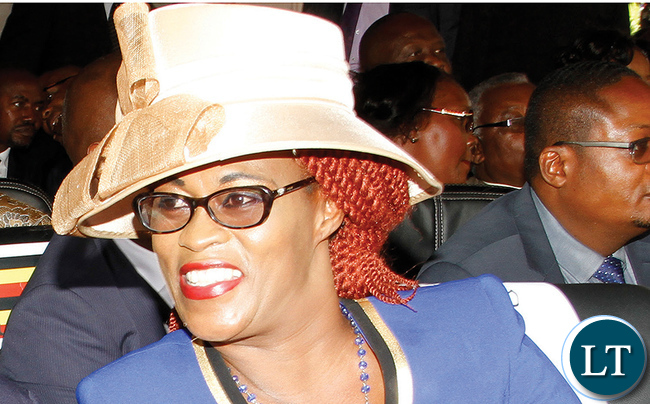
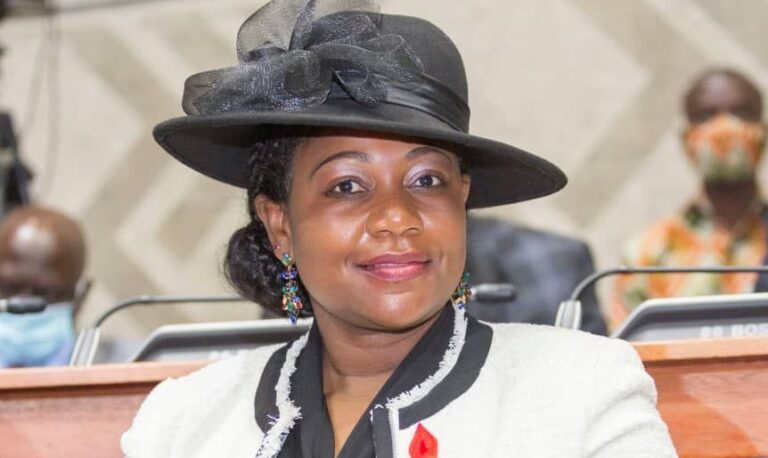
Former Patriotic Front deputy secretary general Mumbi Phiri defended her political position and personal loyalty, stressing that she has never moved from one party to another for convenience or personal gain. In comments shared with her followers through her Facebook page, she pushed back against online claims suggesting she has endorsed various presidential hopefuls, describing such content as pure fabrication. The circulation of articles claiming she has shifted support from one candidate to another was dismissed as a smear campaign driven by people who, in her view, have already damaged PF but now want to drag her into their struggles.

She recalled previous online claims that she convened a private meeting at her residence to expel given individuals from PF leadership, including Given Lubinda, Raphael Nakacinda, Jean Kapata, Sylvia Chalikosa and Nkandu Luo. According to her recollection, that event never occurred and she made it clear that such allegations were created to suit hidden motives. The experience of repeatedly facing false rumours was presented as proof that certain individuals inside and outside PF are deliberately targeting her voice because they know her influence is not minor.

Phiri dismissed suggestions that she has become frustrated with certain political actors and is now shifting allegiance toward Makebi Zulu or Brian Mundubile. Those creating those narratives were described as desperate groups trying to assign her to camp alignments that she has not declared. She argued that people pushing such claims do so because they know that any endorsement she makes would command attention and create political movement. She noted that those waiting for her endorsement will know when that decision is formally announced, stressing that her preferred candidate exists but will be revealed at the right moment, not through gossip and not through pressure.

The former PF deputy SG also addressed the emotional weight caused by the internal state of the party she once worked to build. In her view, loyal PF members are the ones being forced to leave because individuals with selfish motives allegedly captured and redirected the party. Those accused of damaging PF were described as the same people attempting to frame narratives that she is jumping between personalities. Phiri objected to that portrayal and emphasised that true PF members know her track record and consistency.

Throughout her messages, Phiri also reinforced her self-assessment as a stable figure in Zambia’s political landscape. She stressed that she does not engage in directionless shifting between groupings and reminded her audience that she has never been one of the individuals crossing between political camps for personal advantage. One of her strongest assertions was the remark that, “I am a big machine,” which she used to signal her influence and certainty that those spreading deliberate misinformation will not succeed in dragging her into endorsement wars before she chooses to announce her own preference.

She further stated that no political storm is strong enough to shake her, highlighting her belief that mature political resilience comes from clarity, history and consistency. The message she wanted citizens, supporters and critics to absorb is that her political outlook remains defined by patience, loyalty and principle, and not by the unstable online claims that attempt to define her every few weeks. She concluded that maturity must show itself not through noise or immediate reactions, but through timing, discipline and controlled disclosure — and that those who are inventing premature claims about her choices will simply have to wait.

“This is not democracy anymore” – Silumbe sharpens attack

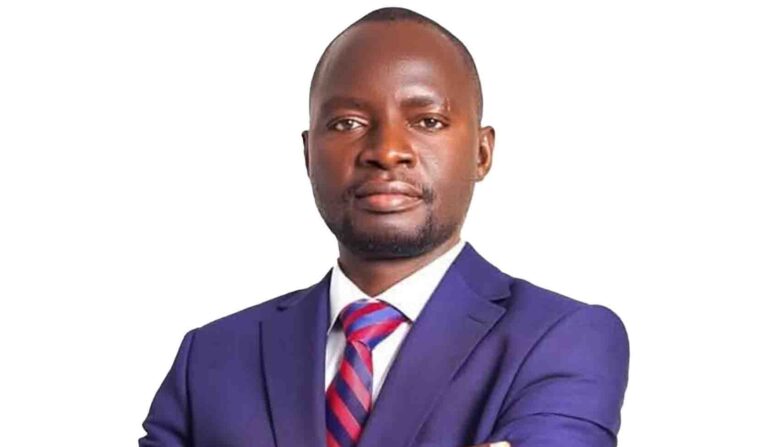
Leadership Movement president Dr Richard Silumbe warned that Zambia’s democracy is under serious threat ahead of next year’s general elections. During an interview, he argued that the multiparty foundation of the nation is being damaged by actions that appear to narrow participation and concentrate power. According to Silumbe, Zambia’s political space is shrinking and this must concern every citizen before the country reaches a point where democratic safeguards become weakened permanently.

He pointed to the push for constitutional amendments as an example of how political control can be adjusted in the background while the public is distracted. In his observation, this is not a routine process but a deliberate attempt to use constitutional change to tilt the electoral ground. Silumbe asserted that very few people realise the danger embedded in a rushed amendment process because the shift is gradual but significant enough to alter democratic environment. In his view, this should not be ignored.

Concerns were raised that essential rights such as freedom of speech, freedom of association, freedom of worship and freedom of assembly have been weakened. As an illustration, he referenced the police dispersal of individuals praying at the OYDC grounds before Independence Day celebrations in Lusaka, describing it as a sign that the environment for free participation is being restricted instead of encouraged. He believes such events reflect a wider shift from openness to control.

Silumbe questioned the credibility and inclusivity of the technical committee guiding the constitutional review, describing the terms of reference as deceptive and not designed for broad contribution. According to him, this framework lacks nationwide ownership and risks reshaping Zambia’s future using a narrow circle of influence. He asked Zambians to recognise the moment and respond accordingly.

The LM leader described the process as a criminal-style constitutional cartel that could trap the public into giving up liberties if not challenged. He urged Zambians to unite against steps that place the nation on this path, stating that allowing the process to proceed in its current form would expose more citizens to arrest or intimidation.

Silumbe also drew attention to regional developments and referenced events in Tanzania as a signal that countries can easily slide into instability when dialogue is reduced. He reiterated that democracy thrives when different voices are allowed in the arena rather than forced out of it. In his assessment, Zambia must avoid a similar pattern by ensuring participation is protected, not closed.

He emphasised that a constitution is not a personal survival mechanism for those in office but a national foundation. According to this view, the country must not allow constitutional structures to be adjusted primarily to protect individual political futures. Instead, he stressed the need for a genuine and lawful process grounded in inclusion and national unity.

Silumbe concluded by calling for citizens to defend the multiparty system through vigilance and refusal to normalise rushed changes. With elections approaching, he encouraged the public to keep focus on the principles that ensure fairness and national balance rather than allow distraction to weaken the national democratic culture.

HH to attend Samia Suluhu ceremony amid blackout, curfews

4

HH to attend Samia Suluhu ceremony amid blackout, curfews

President Hakainde Hichilema will travel to Dodoma on Monday 3 November 2025 to witness the swearing in of Tanzania’s re elected leader Samia Suluhu Hassan, according to a press statement issued by the Ministry of Foreign Affairs and International Cooperation. The event will be held at State House Chamwino in Dodoma. The statement says the invitation signifies excellent relationship and strong historical ties between Zambia and the United Republic of Tanzania. The ministry also confirmed that President Hichilema will depart immediately after the ceremony.

The political backdrop is unsettled. Regional reporting indicates that several major Tanzanian cities have seen confrontations between police and protesters following the disputed 29 October general election. Human rights groups have reported fatalities. Observers said opposition candidates were barred from contesting and activists were detained ahead of polling. Concerns expressed in the region have included restricted access to information, internet disruptions and curfews in several urban areas. Social media access has reportedly remained limited, complicating independent verification of casualty figures and arrests.

Footage verified by multiple regional news desks has shown armoured vehicles deployed in parts of Dar es Salaam and Mwanza. Residents have reported tear gas, intermittent gunfire and heavy patrols. Rights groups have stated that the process lacked transparency and demanded independent verification of what transpired in the buildup to the vote. Several civil society actors have described the pre and post election conditions as severe.

Inside Zambia, reaction to the confirmation of Hichilema’s attendance has been mixed. Some voices have said foreign attendance is normal protocol between neighbouring states. Others say attending a disputed event risks signalling tacit approval of a process that is still being questioned within social circles, among civic actors, and online. The debate is taking place in the context of Zambia’s own governance standards, rule of law posture and insistence on open democratic space in the run up to 2026.

Observers in the region have also pointed to a broader trend in southern Africa in which citizens are showing greater impatience with incumbency. Protests seen in Tanzania come after youth driven uprisings in Madagascar and pressure movements in Malawi and Cameroon. Some commentators have noted that governments once insulated through liberation credentials or long term party continuity are now facing real time demands for accountability from voters. The Tanzania situation has therefore been cited by some commentators as a test case of how institutions respond to visible public contestation under security pressure.

Zambia has stated in multiple forums that it remains committed to rule based administration and open political competition. Attendance at the swearing in in Dodoma will therefore test how Zambia’s diplomatic posture is interpreted within a context featuring blackout reports, curfews, limited access to information and reported protest fatalities attributed to clashes between police and civilians. The Ministry of Foreign Affairs statement however made no mention of unrest details. It confined itself strictly to confirming that an official invitation had been received and accepted.

The official press statement was issued on 2 November 2025 and was signed by Acting Minister of Foreign Affairs and International Cooperation Collins Nzovu. The ministry emphasised bilateral ties and noted that the President of the Republic of Zambia will arrive in Dodoma for the ceremony and will return immediately thereafter. For now the programme stands unchanged. Security in Tanzania’s major urban corridors is expected to remain tight during the event period.

Technical Committee receives overwhelming response in Central Province

0

The Technical Committee on the Constitution Amendment of Zambia, whose sitting ended yesterday in Kabwe, received overwhelming response from all 11 districts of Central Province.

The committee, led by Chairperson Justice Christopher Mushabati, this yesterday afternoon concluded the receipt of both virtual and physical submissions from various stakeholders across the province.

Due to the large turnout, the sittings, which were initially scheduled to conclude on Thursday, October 30, had to be extended.

Justice Mushabati told journalists shortly after the close of the session that some meetings ran late into the night because of the high volume of submissions.

He urged members of the public who were unable to make their submissions in person to do so online through [email protected] or by visiting www.wethepeople.org.

The committee which started physical interactions in Kabwe, yesterday started receiving virtual submissions from 10 districts of the province.

Minister of Justice, Princess Kasune, says 65 districts across five provinces have so far made submissions to the Technical Committee on Constitution Amendments.

The Minister notes that this reflects strong nationwide participation in the ongoing consultative process.

Speaking during a media briefing in Lusaka, Ms Kasune said the public response has been overwhelming, with the committee often working late into the night to accommodate the high number of submissions.

She stated that the submissions have come from a wide range of stakeholders, including traditional leaders, civil society organisations, students, and members of the public.

Ms Kasune highlighted that over 30 chiefs made submissions in North -Western Province, while 18 traditional leaders took part in Eastern Province.

She explained that the first phase of public sittings has so far covered Central, Northern, North -Western, Eastern, and Western Provinces, while the second phase will include Copperbelt, Muchinga, and Southern Provinces, before concluding in Lusaka by November 13, 2025.

Ms Kasune also revealed that to ensure no citizen is left behind, the committee will hold virtual sittings in all 116 districts, with council chambers designated as official submission centers.

She has since urged members of the public to continue taking part through the government’s online platform.

Senior Chief Mwamba questions fairness in NRC, voter card rollout

Senior Chief Mwamba questions fairness in NRC, voter card rollout

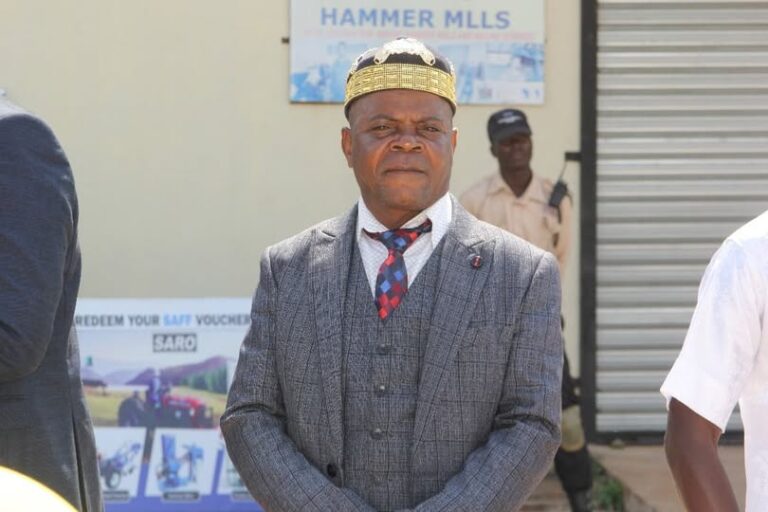
Senior Chief Mwamba of the Bemba people has accused government of applying a discriminatory approach to the issuance of National Registration Cards and voter cards, saying the exercise was not conducted in a fair or balanced manner across the country. Speaking when a delegation of Members of Parliament paid a courtesy call on him in Northern Province, the traditional leader said that what he witnessed in other regions did not match what occurred in the district under his authority. He explained that national documentation is a matter of constitutional importance, yet certain areas were given significantly more access, more time, and more facilitation than others.

The Bemba chief said that he personally attended several traditional ceremonies in Southern Province, including in Monze and Namwala, where officers from the Ministry of Home Affairs and Internal Security were issuing NRCs and voter cards at the same event venues. According to him, the officers were positioned openly at those functions, allowing people to obtain documents directly and conveniently. By contrast, he noted that Northern Province did not receive the same treatment. Senior Chief Mwamba said his own people were only given two days for the exercise and were not provided on-site issuance at local ceremonies, which made it difficult for many citizens to participate.

He said this difference became even more visible when people living in other regions began contacting him to confirm whether his area had also been included. One caller from Kalomo wanted to know if Northern Province was also being serviced because in Kalomo, officers were actively issuing both NRCs and voter cards. Senior Chief Mwamba said that for such questions to arise, it clearly meant people had noticed that what was done in one province was not being done uniformly. He said he found it troubling that registration for such critical documentation could be presented as a national programme but implemented unevenly.

The traditional leader said that as custodian of his subjects’ welfare, he had an obligation to speak when processes disadvantage the people he represents. He said he believed that some elected figures hesitate to raise similar concerns because they fear removal from office or party structures. Senior Chief Mwamba stressed that he does not operate under those political constraints and therefore finds it necessary to highlight gaps that affect his community. He added that silence in such matters would amount to neglect of his responsibility to defend the interests of his people.

Turning to the Constitution amendment process, he said the same lack of balance and proper public facilitation had also been visible in the reforms exercise. He described the ongoing submission phase as rushed, poorly communicated, and lacking proper sensitisation. According to Senior Chief Mwamba, many ordinary residents of Northern Province were not informed about how submissions were being collected and therefore could not participate. He said constitutional amendments should never exclude communities and that a process that does not reflect citizens’ views cannot legitimately claim to represent national intent.

Senior Chief Mwamba argued that immediate national priorities lie in addressing the rising cost of living, economic strain, and social pressure facing households, not in accelerating constitutional amendments that communities cannot properly engage with. He said the country is dealing with food insecurity, reduced incomes, and financial volatility, and that these issues occupy far more of the public’s daily reality than legislative changes they have not been adequately exposed to. He said any constitutional amendments must be driven by broad consensus, transparent consultation, and equal access for all provinces.

He further emphasised that equal access to NRCs and voter cards forms the foundation of fair democratic participation because these documents determine who is legally recognised and who can vote. If registration exercises are not uniform, he said, then national participation in elections becomes skewed, and those who are disadvantaged have fewer opportunities to represent their choices at the polls. He urged authorities to correct the imbalance and apply future documentation exercises consistently, regardless of region, district or cultural setting.

UTH Encourages Men to Seek Treatment for Erectile Dysfunction Following International Surgical Workshop

0
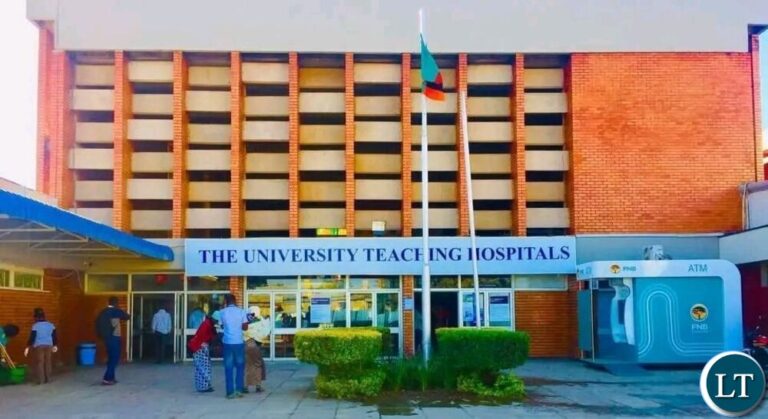
The University Teaching Hospital (UTH) Adult Hospital is calling on men struggling with persistent erectile problems to step forward and seek medical help. Senior Registrar Dr Hosea Siame said some men continue to suffer in silence, unaware that advanced and confidential treatment for erectile dysfunction is offered locally at UTH.

“Many patients are unaware that such specialised services exist right here at UTH. We want men to come forward and access safe, effective care close to home,” he said.

Dr Siame said early intervention not only improves treatment outcomes but also restores confidence and quality of life.

He said this after the hospital successfully concluded a live, hands-on surgical workshop in partnership with visiting urology specialists from Pakistan, which ran from 24th to 28th November 2025.

The programme aimed to strengthen advanced treatment options for men living with severe and persistent erectile dysfunction (ED).

The workshop brought together UTH Adult Hospital’s Consultant Urologist Dr Bassem Wadie and Dr Siame with Pakistan’s Dr Yahya Hasan and Dr Usama Nawaz in a collaborative programme designed to transfer skills, enhance local expertise, and widen access to specialised men’s health treatment.

The live workshop involved actual surgical procedures jointly conducted by UTH’s local surgeons and the visiting Pakistani specialists.

As part of this programme, the team performed five penile implant surgeries, which are internationally recognised for treating end-stage erectile dysfunction (ED), particularly in men who have not responded to other conventional medicines.

In addition to penile implants, the multidisciplinary team performed other specialised urology surgeries, including 11 complex urethral stricture surgeries and 10 surgeries for kidney and ureteric stones, highlighting the comprehensive nature of the live workshop.

All patients who underwent surgery during the workshop are recovering well, according to Dr Siame.

Consultant Urologist Dr Bassem Wadie said the workshop marks a significant step forward in expanding men’s health services at UTH Adult Hospital.

“This partnership allowed us to treat patients while empowering our local team with world-class surgical techniques. For men who thought they had no options left, this brings new hope,” Dr Wadie said.

This is according to a statement issued by hospital public relations officer Mwiza Mwiya.

Fuel Pump prices adjusted downward for November

6

The Energy Regulation Board has announced a reduction in the prices of petrol, diesel and kerosene for November 2025. In a public statement the ERB explained that the revised prices are effective from midnight of 31st October 2025 and that the reduction follows the routine monthly price review. The price of petrol has been reduced to K30.26 per litre, diesel is now K28.30 per litre while kerosene is now K27.17 per litre. ERB stated that the adjustment reflects changes in international oil market prices and other cost components associated with importing petroleum products for the local market.

ERB said that the price changes considered both international refined petroleum prices and the performance of the kwacha when compared to the United States dollar. The regulator said the decision to reduce prices also considered accumulated trends observed in the previous pricing cycle which indicated that downward movement in some cost factors had opened room for a downward price adjustment. According to the ERB the revised prices will apply nationally and the Board will continue to monitor petroleum market conditions.

The ERB noted that the reduction is a function of the latest monthly review and that future reviews will continue in line with the model that determines retail prices. The regulator reaffirmed that monthly price reviews remain the standard mechanism used to keep domestic pump prices aligned to changes in the international market. The Board said global indicators have demonstrated that refined product prices fell in the relevant pricing window, and the kwacha’s performance relative to the US dollar played a role in reducing the landed cost of products.

The ERB stated that petroleum importers remain subject to compliance rules and that the Board continues to track data and trends in order to determine when adjustments are necessary. The regulator added that the public should continue to acquaint themselves with the monthly review model and that price movements may vary depending on global crude positions, refined petroleum cost trends, and exchange rate behaviour in future cycles. The ERB stressed that it will maintain monitoring and issue public notices when next adjustments are due.