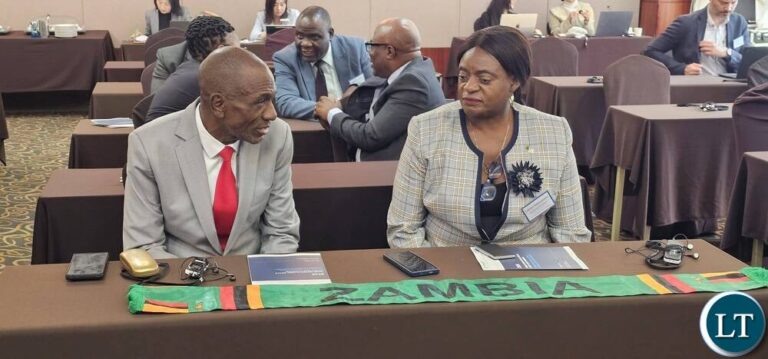
Government delegations from Zambia and Madagascar are currently on a week-long study tour in Korea to strengthen school feeding programmes and improve child nutrition, learning outcomes, and local agriculture.
The 2026 Home Grown School Meals Study Tour officially started on May 18, with Zambian officials saying the visit will help refine Zambia’s flagship programme and feed into a new national resilience strategy.
This according to a press statement released to ZANIS by First Secretary for Tourism, Zondi Chilembo, at the Embassy of Zambia in Seoul, South Korea.
Speaking at the opening session, Permanent Secretary in the Office of the Vice President, Lillian Kapusana, said nutritious school meals were essential for learning and national development.
“A hungry child cannot learn, for Zambia, the Home-Grown School Feeding Programme is a flagship initiative aimed at improving child nutrition, enhancing educational outcomes, and strengthening long term national development,” she said.
The Permanent Secretary added that the programme targets the most vulnerable children, those whom the government has a duty to protect, support, and uplift.
Mrs Kapusana explained that the government led programme provides meals to children in rural and food-insecure areas while buying food from local farmers to stimulate rural economies.
She further stated that the programme was already reducing malnutrition, stunting, and micronutrient deficiencies, improving school attendance, enrolment, and concentration in class.
“Food and nutrition remain central to Zambia’s development agenda, the school feeding programme will be a key part of the government’s upcoming Sustainable Resilience Strategy,” she added.
She called for more support from partners including the World Bank to scale up the initiative, and thanked the World Food Programme for its ongoing assistance.
“Zambia’s stunting rate currently stands at 32 percent, with the government aiming to cut it to 15 percent through a whole-of-government approach,” she said.
Mrs Kapusana further said Zambia hopes to learn from Korea’s school feeding system, particularly how it is planned, financed and managed.
Meanwhile, Zambia’s Ambassador to Korea, Andrew Banda, said the government has made it a priority that every child must go to school and also benefit from the feeding programme.
He further noted that Korea’s economic transformation since the 1960s was driven by sustained investment in education, technology and community led initiatives like the Saemaul Undong Movement, and expressed confidence the tour would strengthen Zambia’s own systems.