Saturday, June 13, 2026
24 C
Lusaka
Home Blog Page 4

Govt. assures support to Chiefs

4

Northern Province Acting Permanent Secretary, Beauty Undi-Phiri has assured the Bemba Royal Establishment that government will continue supporting the welfare of Chiefs.

Ms Undi-Phiri says traditional leaders play a vital role in governance hence the government will continue making every effort in ensuring that their welfare is taken care of.

She made the remarks when she led a delegation of government officials when they paid a courtesy call on Chief Tungati at his palace in Luwingu District.

Ms Undi-Phiri hailed Chiefs for their role in governance and providing guidance on various matters affecting the people.

“I want to assure you that government will do everything possible to support you during this period, your royal highness, you are key in the governance system and your welfare will always be government’s concern,” she assured.

She explained that her office will get in touch with the Ministries of Local government and Health as they explore ways of taking the Chief to Lusaka to seek further medical attention.

And Chief Tungati of the Bemba people thanked government for the support it has continued to offer from the time he has been unwell.

“Since December last, I have not been well, and government has been supportive, I am thankful for this,” he said.

Zambia’s capital markets records growth

The Securities and Exchange Commission (SEC) says Zambia’s capital markets recorded strong growth during the first quarter of 2026, driven by improved macroeconomic conditions, increased investor confidence and growing market participation.

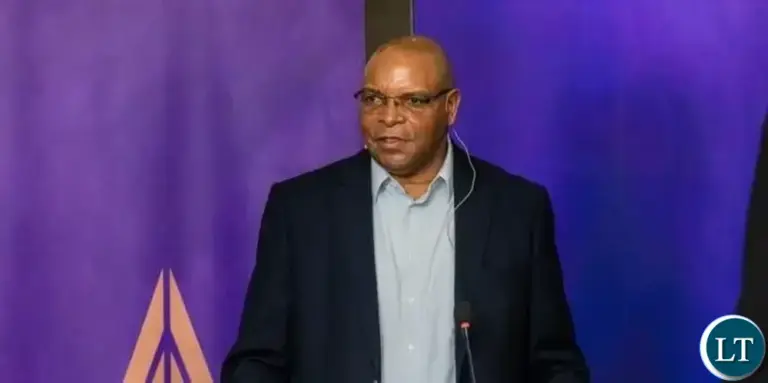
Speaking during a media briefing in Lusaka today, SEC Director of Enforcement and Legal Services, Diana Sichone, said the positive performance reflects continued progress under the Capital Markets Master Plan.

Mrs Sichone said the country’s economic environment improved significantly during the quarter, with inflation declining from 11.2 percent to 7.1 percent, while the Kwacha appreciated by about 13.3 percent against the United States Dollars.

She noted that the Bank of Zambia’s decision to reduce the monetary policy rate to 13.5 percent also contributed to increased investor confidence and heightened activity in the capital markets.

Mrs Sichone said the equity market remained the strongest-performing segment, with the Lusaka Securities Exchange (LuSE) All Share Index rising by 5.29 percent to close at 27,289 points.

She disclosed that market capitalization increased from K330 billion to K342 billion, while the number of investors in the equities market grew by 11 percent from approximately 83,000 to 92,000 investors.

Mrs Sichone attributed the growth to strong performances by listed companies such as Zanaco, ZAFFICO, Bata, Airtel Zambia and Zambia Sugar.

She added that Zambia Sugar became the third listed company on the LuSE to surpass a market capitalization of one billion United States Dollars.

Meanwhile, total savings mobilised through the capital markets increased to approximately K350 billion during the first quarter from K340 billion recorded in the previous quarter.

Mrs Sichone further said the Commission continued implementing financial literacy programmes in Chipata and Mongu to enhance public understanding of investing and capital markets.

Speaking at the same event, SEC Assistant Director for Policy and Market Development, Mubanga Kondolo Jr said improved economic conditions have created a supportive environment for capital markets and reduced the cost of raising capital for businesses.

Mr Kondolo noted that a stable macroeconomic environment enables companies to access affordable financing through the capital markets, thereby supporting business growth and economic development.

He explained that the Commission’s periodic media briefings are aimed at highlighting key developments in the capital markets sector and raising public awareness on available investment opportunities.


They Insulted Us For Public Gatherings Bill. Today the President Has Proved us Right

They Insulted Us For Warning About the Public Gatherings Bill in Zambia. Today the President Has Proved We Were Right

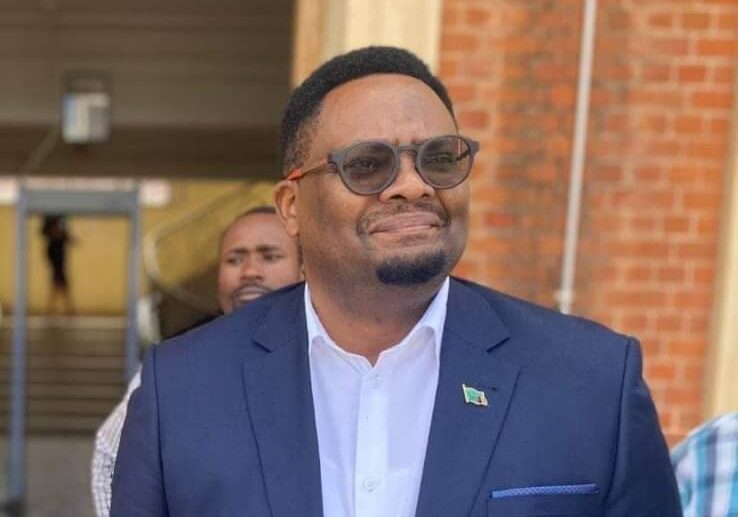
So when people ask whether I feel vindicated, my answer is simple. This was never about Emmanuel Mwamba. It was never about who was popular. It was about ensuring that Zambia does not replace one problematic law with another.

By Emmanuel Mwamba

For months, some people mocked us. They called us alarmists. They called us enemies of progress. They accused us of opposing legislation simply because we sit on the other side of the political divide. When we raised concerns about the Public Gatherings Bill in Zambia, we were told we did not understand the law. We were told we were defending disorder. We were told we wanted confusion and lawlessness to continue.

Today, I ask those same people a simple question: what do you have to say now?

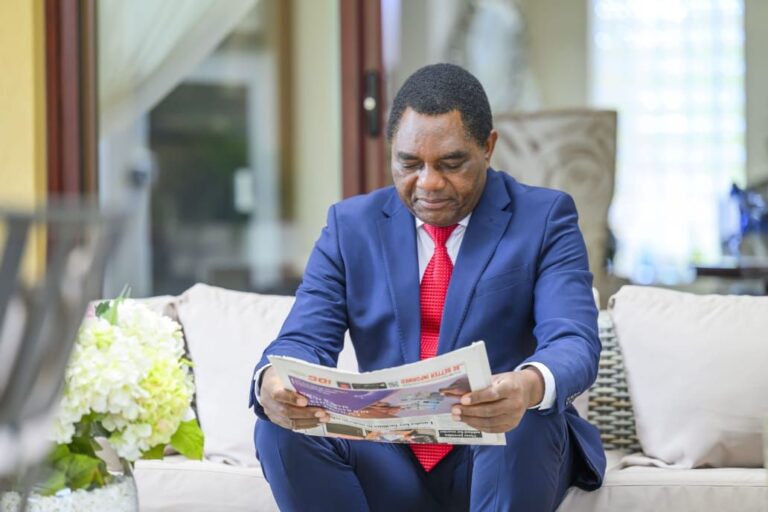
President Hakainde Hichilema has declined to assent to the Public Gatherings Bill and has returned it to Parliament for reconsideration.

State House confirmed on Wednesday, in a press release issued by Chief Communications Specialist Clayson Hamasaka, that the President invoked Article 66(1)(b) of the Constitution and cited inconsistencies between the current draft and well-established judicial precedents. The President, while acknowledging positive elements within the bill, was not satisfied that the legislation was fully aligned with the fundamental rights and freedoms guaranteed under Part III of the Republican Constitution.

That is precisely the issue many of us raised. The reaction from some quarters has been interesting to watch. The same voices that spent months attacking those who questioned the bill are now celebrating the President’s decision. The same people who dismissed every criticism are suddenly discovering the very concerns they previously refused to acknowledge.

That is why this moment matters. The Public Gatherings Bill did not begin as a bad idea. For decades, many Zambians have supported efforts to replace the colonial-era Public Order Act of 1955, a law long condemned as an instrument of political suppression that infringed on the rights of citizens to gather, demonstrate, picket and freely register their grievances. The desire to strengthen freedoms of assembly and public participation is not a partisan position. It is a democratic position.

Many stakeholders invested time and resources into reform efforts aimed at producing legislation that would protect rights while maintaining public order. That was the objective. That was the promise. That was the expectation.

Somewhere along the way, however, the bill changed. What was presented to Parliament was no longer the progressive reform many people had worked towards. Instead, it contained provisions that generated serious concern among legal practitioners, civil society actors, cooperating partners and ordinary citizens.

Those concerns were not invented. They were not imagined. They were not malicious. They were genuine.

Many people spoke out. Some wrote detailed analyses. Others engaged Members of Parliament and officials within the Ministry of Justice. Questions were raised about whether certain provisions were consistent with constitutional protections and established legal principles.

Rather than engage those concerns on their merits, many chose to attack the messengers. That has become a familiar pattern. We saw similar concerns emerge around the Cyber Crimes and Security legislation. We saw similar questions raised regarding surveillance-related proposals. Every time legitimate criticism is offered, there is an attempt to portray critics as enemies rather than citizens participating in democratic discourse.

Yet what has happened with the Public Gatherings Bill should serve as a lesson. The President himself has now acknowledged that the legislation requires further scrutiny. His decision does not automatically mean every criticism was correct. Neither does it mean every provision in the bill is flawed. What it does mean is that concerns existed and those concerns deserved to be taken seriously.

Those who warned about constitutional issues were not spreading misinformation. Those who questioned the bill were not enemies of reform. Those who opposed certain provisions were not opposed to democracy. Many of us spoke because we believed Zambia deserved better legislation.

I also find it noteworthy that cooperating partners who supported aspects of the reform process reportedly raised concerns before the bill was passed. Those warnings were available. They were known. Yet Parliament proceeded.

Now the bill is back where it started.That reality should encourage humility from all sides.

Public policy is not improved by blind loyalty. Good legislation is not produced through political slogans. Strong laws emerge through scrutiny, consultation, criticism and correction. That is exactly why democratic systems provide checks and balances.

As the bill returns to Parliament, my hope is that legislators approach the matter with open minds. The objective should not be to defend past positions. The objective should be to produce legislation that protects freedoms, respects the Constitution and serves the interests of all Zambians. That is what many of us were asking for from the beginning.

So when people ask whether I feel vindicated, my answer is simple. This was never about Emmanuel Mwamba. It was never about who was popular. It was about ensuring that Zambia does not replace one problematic law with another.

If today’s events encourage more people to listen before they insult, to analyse before they dismiss and to engage before they condemn, then perhaps some good will come from this episode.

The President has spoken. The bill has been returned. The concerns that many people raised can no longer be brushed aside.

That is simply a fact.

Emmanuel Mwamba is a former Ambassador to South Africa, former Ambassador to Ethiopia, former Permanent Representative to the African Union in Addis Ababa, and former Permanent Secretary for Information.

BoZ commits K5 billion for SME Growth Initiative

The Bank of Zambia has committed five billion Kwacha to the Small Business Growth Initiative (SBGI), a landmark facility aimed at unlocking capital for Micro, Small, and Medium Enterprises (MSMEs).

The initiative, developed in partnership with the National Advisory Board on Impact Investment (NABII) Zambia, is designed to expand access to affordable finance for MSMEs through credit guarantees, technical assistance, and a learning lab.

Bank of Zambia Governor, Denny Kalyalya announced the initiative in a speech read for him by his Deputy, Francis Chipimo, in Lusaka, when he officially opened the Africa Impact Summit 2026.

Dr Kalyalya stated that the development of the SBGI, is at an advanced stage with the launch expected in the fourth quarter of 2026.

The Summit, focused on the mobilisation of capital for Africa, is being held under the theme “Beyond Borders: Scaling Impact and Innovation for Africa’s Sustainable Transformation.”

“With successful implementation, we anticipate the SBGI will attract other cooperating partners including development finance institutions and other strategic investors and will broaden the suit of services available to MSMEs,” he stated.

Speaking at the same meeting, Special Assistant to the President for Finance and Investment, Jito Kayumba underscored the importance of aligning public policy with private capital mobilisation.

He noted that Zambia has made headway in doing so, through various initiatives such as the creation of the Public Private Dialogue Forum, as a deliberate move to engage the private sector in policy formulation.

Mr Kayumba also highlighted the move by government to introduce the 24-hour economy as one of the initiatives meant to strengthen productivity and create a conducive environment for generation of capital.

He further reaffirmed Zambia’s commitment to regional integration by positioning Zambia as a logistical hub.

“Our commitment to regional integration through large scale infrastructure projects such as the Lobito Corridor, the TAZARA prosperity belt, the Kazungula Bridge Authority ensures that land linked countries such as Zambia serve as logistic and economic hubs for the entire continent,” he explained.

Earlier, World Bank Practice Manager, Alwaleed Alwatabani revealed that Africa’s annual infrastructure financing gap is estimated at 170 United States Dollars annually, among other challenges.

He stressed that such calls for a sustainable continental response as they cannot be single-handedly funded by any African country.

Muchinga steps up disease prevention measures

 Muchinga Province Public Health Specialist Daniel Sinkala says the Province is stepping up efforts to prevent and control disease outbreaks patterning to risk hazards such as Ebola, Cholera, Rabies and Measles among others which might cause threat on public health.

Dr Sinkala said this today on the sidelines of the Muchinga Province Public Health Orientation meeting currently underway at Elegant Triumph Lodge in Chinsali district.

Mr Sinkala said during the orientation meeting stakeholders and health experts are expected to come up with a risk profile for each district.

He added that the participants are also expected to come up with an epidemic preparedness and response document that will help to enhance collaboration and coordination as the province responds to public health threats.

Dr Sinkala further said the province has intensified surveillance and community sensitization to prevent an Ebola outbreak in the region through measures such as screening of travellers especially cross border truck drivers.

He said the Province has also Capacity built Community Health Care workers to enable them report any suspected case of ebola.

“As a region and the Country at large, we have not recorded any ebola cases, therefore we have to ensure that we remain protected and carry out preparedness activities,” he said

Meanwhile, Chinsali Municipal Council Director of Public Health Captain Gondwe said the provincial public health orientation meeting is timely as it will help the province to prepare for any disease outbreak.

“This cardinal meeting will also help us to come up with control measures in an event of any outbreak,” he said

Illegal medicines worth K10,000 seized in Mpika

1

Mpika Town Council has confiscated various medicines worth over K10,000 (Ten Thousand Kwacha) from illegal drug stores operating at Kanyelele Gold Mine in Mpika District in Muchinga Province.

Mpika Town Council Senior Health Inspector Francis Kapila disclosed the development to the media shortly after the operation, describing it as part of the local authority’s ongoing commitment to enforcing public health standards across the district.

Mr Kapila said the medicines were confiscated by a combined team of Mpika District health inspectors and Council police during a joint enforcement operation conducted at the mine premises.

He noted that the operation was carefully planned and executed to ensure that all drug stores on site were thoroughly inspected.

The Senior Health Inspector emphasised that conventional medicines play a critical role in the treatment and management of various diseases and health conditions affecting communities, making it more important that their distribution and sale is properly regulated.

He pointed out that it was against this backdrop that the Mpika Town Council resolved to conduct targeted inspections of several drug stores operating at the Kanyelele Gold Mine, with the specific aim of ensuring that medicines were being sold strictly in accordance with established health regulations and standards.

Mr Kapila confirmed that medicines with a combined value of more than ten thousand Kwacha were confiscated from the premises during the operation, adding that the items seized included a range of pharmaceutical products that were being sold without the requisite authorisation or proper storage conditions.

He further disclosed that the local authority would not limit its enforcement activities to the Kanyelele Gold Mine alone, but would continue conducting routine and situational inspections across the district to deter would-be offenders from engaging in the illegal sale of medicines.

“The inspectors will continue inspecting all pharmacies and drug stores at the mines and in other parts of the district,” Mr. Kapila said,

Mr Kapila adding that anyone found operating illegally would face the full consequences provided under the law.

Meanwhile, Mpika District Commissioner David Siame has issued a stern warning that the government will not tolerate the illegal sale of medicines anywhere in the district.

Mr Siame stressed that the dispensing and sale of medicines by untrained personnel poses a serious and direct risk to the health and safety of communities.

The District Commissioner emphasised that the government would work relentlessly to ensure that no drug store sells medicines illegally within the district.

He has since called on all stakeholders, including mine management, community leaders and residents to seriously support the enforcement effort.

“We are appealing to all people at the mines not to entertain illegal drug stores,” Mr Siame said,

And Mr Kapila has urged the residents to report any suspected illegal pharmaceutical operations to the relevant authorities.

The local authority has further pledged that the inspections will be conducted without fear or favour, making clear that there would be no sacred cows during the exercise regardless of the status or location of any establishment found to be operating outside the law.

Government launches Presidential Irrigation Initiative

1

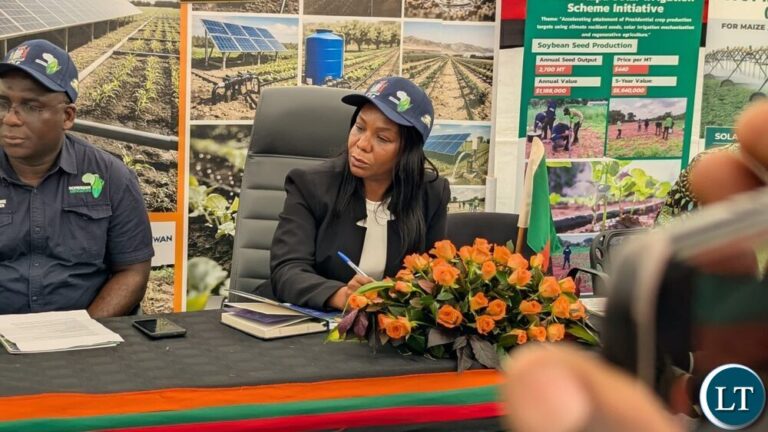
Government has launched the Presidential Irrigation Initiative (PII), stating it is not only a response to climate viability and drought but also a strategic measure aimed at guaranteeing food security.

Lusaka Province Permanent Secretary, Joe Kalusa said this during the launch at Thorn Park Primary School, in Lusaka today, indicating that 33 schools and colleges in the province have been selected to pioneer the programme, which aims to strengthen food security, through irrigation- based agriculture.

He cautioned that no school in Lusaka should fail, given the care taken in selecting schools for the programme, saying government has committed substantial funding, training and technical support to ensure the programme succeeds.

Mr Kalusa said the initiative is expected to transform schools into centres of production, innovation and practical learning, while equipping learners with skills in climate-smart agriculture, water management and food systems management.

He indicated that the performance of the first group of schools would determine the programme’s expansion, urging education authorities and communities to take ownership of the project.

“There should be no school that fails in Lusaka because government has taken care in selecting these institutions, training will be provided and significant resources will be allocated to each school,” he said.

And Provincial Education Officer, Terry Changwae said the Ministry of Education  was ready to contribute towards the province’s target of producing 350,000 metric tonnes of maize by 2031, through school production units.

“When there’s a directive from our President that by 2031 the province has to produce 350,000 metric tonnes of maize, then we are saying as education, we need to be part of that and we are ready through our production units,” Mr Changwae said.

Meanwhile, Provincial Agriculture Coordinator, James Mwale said despite the challenges posed by climate change, Lusaka Province had made a contribution to the country’s maize harvest and was optimistic that irrigation initiatives would further increase production.

“We have challenges which we have been facing, issues of climate which are affecting us as a nation. Through the Ministry of Agriculture, Lusaka Province has also contributed significantly by producing 140,000 tonnes of maize, which is a major contribution to this year’s harvest,” Mr Mwale said.

Kafue District Education Board Secretary, Levy Matongo expressed gratitude for government’s continued commitment to strengthening agriculture, saying the programme would help improve food security and enhance livelihoods.

HH Declines To Sign Public Gatherings Bill, Calls It “Against Public Interest”

HH Declines To Sign Public Gatherings Bill, Calls It “Against Public Interest”

President Hakainde Hichilema has refused to assent to the Public Gatherings Bill, describing the legislation as undemocratic and contrary to the public interest, a decision that has surprised legal observers who noted that the bill, in several respects, represented a more progressive framework for civic freedoms than the colonial-era law it was designed to replace.

The bill was among a number of pieces of legislation passed by the National Assembly during the final days of its last sitting. According to Parliamentary sources, President Hichilema returned it on May 29, citing reservations that prevented him from proceeding with his assent.

Introduced by Attorney-General M.D. Kabesha on April 23, 2026, the Public Gatherings Bill was crafted to repeal and replace the Public Order Act of 1955, a piece of colonial-era legislation that has long been a source of controversy for its wide grant of discretionary powers to the police to approve or block public assemblies. Rather than perpetuating a permit-based system, the bill proposed a notification framework, a shift that, in principle, tilted the default away from police discretion and towards the right of citizens to assemble.

Under the proposed law, organisers of any assembly, meeting, procession or demonstration involving three or more people in a public place would have been required to notify an authorised officer at least five days in advance, providing details of location, route, purpose, expected numbers and contact information. The officer would have been obligated to acknowledge the notice within 24 hours and issue a decision within three days. Critically, the bill included a deemed-approval provision: if the officer failed to acknowledge within the stipulated period, the notice would automatically be considered received, and if no formal approval followed, the organiser would be entitled to proceed with the gathering regardless. That clause alone represented a meaningful departure from the architecture of the Public Order Act, under which police inaction effectively amounted to a veto.

The bill further stipulated that police could restrict a gathering only on specified and limited grounds, including a clash with a prior notice, an unsuitable venue, the location falling within a protected area, or a reasonable belief of imminent public disorder or danger. Any restriction would have required written reasons to be issued at least three days in advance, with the organiser afforded an opportunity to address the concern. Where remedial measures were taken, the restriction would have been required to be lifted, and where the original date had already passed, an alternative date would have to be agreed.

The legislation also contained provisions of particular relevance to the political and electoral landscape. While a broad range of exemptions were provided, covering the President, Members of Parliament in their constituencies, funerals, weddings, traditional ceremonies, indoor party meetings and worship services, those exemptions for ministers, Members of Parliament, mayors and councillors were explicitly removed during election campaigns, active elections and periods following the dissolution of Parliament. That provision would have placed incumbents and opposition figures on equal footing during the most contested periods of the democratic cycle. Additionally, the bill granted the media an explicit right to monitor public gatherings, a right that all parties would have been legally bound to uphold.

Despite these provisions, the bill drew sharp and widespread criticism from civil society, legal commentators and the general public, who expressed alarm at the breadth of the definition of a public gathering and the continued role of the police in the notification process. Critics argued that even a notification-based system risked being applied in a manner that would chill the exercise of civil liberties, and that the penalties for holding an unauthorised gathering, while modest, introduced a criminal dimension that could be selectively enforced. Many went further, describing the bill as more dangerous than the very legislation it sought to repeal.

By declining to sign the bill, President Hichilema has aligned himself publicly with those concerns, characterising the legislation as incompatible with democratic values and the public interest. His decision effectively returns the bill to Parliament, where legislators will be required to reconsider its provisions.

For now, the Public Order Act of 1955, the colonial framework that the bill was intended to finally consign to history, remains the law of the land.

ZESCO Rules Out Return To Nationwide Load Shedding

LUSAKA: Zambia’s national power utility, ZESCO, has assured the country that nationwide load management is not expected to resume this year or in the foreseeable future, pointing to meaningful improvements in electricity generation and sustained investment across the power sector as the foundation of a more stable supply outlook.

ZESCO Managing Director Justin Loongo said the country’s electricity supply situation has stabilised following a series of targeted interventions aimed at strengthening generation capacity and improving the reliability of the national grid. He attributed the improved outlook to increased output from hydro, thermal and solar power sources, as well as deepened partnerships with Independent Power Producers and Independent Power Traders, which have collectively enhanced the resilience of Zambia’s electricity system relative to previous years.

Mr. Loongo said the combined effect of these measures would support a consistent and dependable power supply for households, businesses, mines, industries and other key sectors of the economy that depend on reliable electricity to function.

He did, however, caution that isolated outages may still occur in certain areas as a result of vandalism of critical electricity infrastructure or localised network faults, emphasising that such disruptions remain distinct from the structured, nationwide load management that characterised previous periods of power deficit. He urged the public to report unplanned outages, suspicious activities, vandalism and any damaged electrical infrastructure through ZESCO’s customer service platforms and offices across the country.

In a separate announcement, Mr. Loongo revealed that ZESCO will next week conduct a media tour of selected power generation facilities in Maamba, Livingstone and surrounding areas. The tour, he said, forms part of the utility’s broader effort to maintain transparency and keep the public informed about developments in the energy sector. It will include visits to ZESCO-owned generation plants as well as partner-operated thermal power stations, offering first-hand insight into the measures being undertaken to secure and sustain the country’s electricity supply.

Mr. Loongo reaffirmed ZESCO’s commitment to improving service delivery and maintaining open and regular communication with its customers and stakeholders as the utility continues to work towards a more reliable national power system.

Zambia Loses US$3.5 Billion To Illicit Financial Flows, FIC Reveals

Zambia haemorrhaged an estimated US$3.5 billion through illicit financial flows over a five-year period, the Financial Intelligence Centre (FIC) has revealed, warning that the continued haemorrhaging of national resources through illegal financial channels poses one of the gravest threats to Zambia’s long-term economic development, fiscal stability and capacity to deliver public services.

The figures, highlighted by the FIC and reported in Wednesday’s edition of the Daily Nation, paint a sobering picture of the scale of financial crime afflicting the Zambian economy. According to the report, the losses are attributable to a range of unlawful financial practices, among them tax evasion, trade mispricing, money laundering, corruption-linked transactions and the illicit movement of funds through unauthorised channels.

For a developing economy like Zambia, the implications are profound. The billions lost to these activities represent resources that could otherwise have been channelled into roads, schools, hospitals, water infrastructure and the broader social investments that underpin meaningful national development. Economists and financial crime specialists have long maintained that illicit financial flows represent one of the most corrosive forces acting against developing economies, silently draining capital that governments would otherwise deploy to reduce poverty, attract investment and expand opportunity.

The FIC’s findings acknowledge that Zambia has made measurable progress in strengthening its anti-money laundering frameworks and improving financial oversight in recent years. Nevertheless, the institution is candid that significant challenges remain. Financial crimes have grown increasingly sophisticated, frequently involving complex, multi-jurisdictional transactions deliberately structured to evade detection. Criminal networks, authorities note, continuously adapt their methods, placing an ever-greater burden on enforcement agencies and financial institutions to remain ahead of evolving threats.

The challenge is not Zambia’s alone. Across Africa, governments continue to grapple with the illegal movement of funds, particularly in sectors characterised by high-value international transactions, extractive industries, large-scale procurement, cross-border trade and international finance among them. Yet the scale of the figures reported for Zambia serves as a stark reminder of the urgency with which the country must address these vulnerabilities.

Beyond the immediate fiscal cost, illicit financial flows carry broader economic consequences. Financial crime erodes investor confidence, distorts markets and creates an environment in which legitimate businesses are disadvantaged relative to those exploiting opacity and weak enforcement. Transparent, predictable and well-regulated financial systems are widely regarded as foundational to attracting sustainable investment, and any perception that a country’s financial architecture is susceptible to abuse carries reputational costs that extend well beyond headline statistics.

The FIC has consistently stressed that combating financial crime demands coordinated effort across the full spectrum of institutions involved, including law enforcement agencies, financial regulators, commercial banks and international partners alike. Banks and other reporting entities occupy a particularly critical position as the first line of defence in identifying and flagging suspicious transactions. Equally important, however, is the effectiveness of prosecutions and the recovery of assets that have been stolen or illegally transferred. Where enforcement remains weak, criminal networks grow emboldened; where it is robust and consistent, the calculus shifts decisively in favour of compliance.

The latest figures are expected to reinforce calls for sustained investment in anti-corruption initiatives, financial intelligence infrastructure and institutional oversight mechanisms, all the more so given that Zambia is presently pursuing a broader programme of economic reforms aimed at restoring fiscal discipline, attracting private investment and cementing long-term growth. Protecting national resources is not incidental to that agenda; it is integral to it.

Public finance experts have long cautioned that economic growth, however impressive in aggregate, yields diminished returns for citizens if substantial portions of generated wealth continue to leave the country through unlawful channels. Every dollar recovered from illicit activity is a dollar reinvested in national development, reducing dependence on external borrowing, supporting public programmes and preserving the fiscal space governments need to respond to crises and capitalise on opportunities.

In that sense, the FIC’s report is at once a warning and a call to action. The institution’s work in detecting suspicious transactions and disrupting financial crime networks has produced genuine results. But with billions of dollars still at stake, the scale of the challenge demands an intensified, whole-of-system response, including tighter enforcement, stronger financial controls, deeper inter-agency cooperation and greater accountability across both public and private sectors.

For Zambia, the fight against illicit financial flows is ultimately not a narrow law enforcement matter. It is a development imperative. The resources lost through illegal financial activity are not abstract figures; they are schools unbuilt, hospitals under-equipped, infrastructure projects deferred and public services that fell short of the citizens they were meant to reach. Reclaiming those resources begins with confronting, honestly and urgently, the scale of what is being lost.

Kabeta highlights rise in copper production

Ministry of Mines and Minerals Development Permanent Secretary, Hapenga Kabeta, has disclosed that copper out production increased from 728,558 metric tonnes in 2023 to 824,425 metric tonnes in 2024, representing a 13.1 percent increase.

Dr Kabeta further revealed that copper production rose to 890,345.79 metric tonnes in 2025, an eight percent increase from 2024 levels, with projections indicating that production will exceed one million metric tonnes by the end of 2026.

Speaking during the launch of Inaugural Ministerial Statistical Bulletin covering the period 2020 to 2024, in Lusaka today, Dr Kabeta said Zambia’s mineral portfolio is becoming increasingly diversified, with nickel production rising significantly from 3,226 metric tonnes in 2020 to more than 21,000 metric tonnes in 2024.

He stated that cobalt, manganese and gold also recorded positive performance during the review period.

Dr Kabeta revealed that employment in the mining sector grew from 59,371 jobs in 2020 to 90,117 in 2024, representing a 51.8 percent increase.

He added that female participation in the sector also improved, with women accounting for 11.3 percent of the workforce in 2023 compared to 7.8 percent in 2020.

Dr Kabeta further said the bulletin also highlights strong investment performance, with committed investments amounting to 6.9 billion United States Dollars, while actual investments reached 10.38 billion dollars during the review period.

He said Zambia’s attractiveness as a mining investment destination has improved significantly, as reflected in the country’s rise to third position in the 2024 Fraser Institute Annual Survey of Mining Companies from 12th position previously.

Despite the positive developments, Dr Kebeta acknowledged that occupational health and safety remains a concern.

“Workplace accidents increased from 43 cases in 2022 to 98 in 2024, while fatalities rose from 19 to 31 during the same period,” he said.

He said illegal mining activities continue to pose challenges to safety, environmental protection and orderly sector development, underscoring the need for stronger enforcement and compliance measures.

Dr Kabeta said the bulletin provides an important evidence base for understanding the sector’s performance and guiding future policy decisions.

He reaffirmed the government’s commitment to strengthening sector governance, enhancing regulatory efficiency, deepening mining formalisation and ensuring that growth in the sector translates into inclusive and sustainable national development

Copper Queens on track for WAFCON – Nora

2

Zambia coach Nora Hauptle says the Copper Queens are on track ahead of next month’s Women Africa Cup of Nations (WAFCON) to be hosted by Morocco.

Zambia warmed up for the WAFCON with victory at the friendly Four Nations Tournament at Levy Mwanawasa Stadium in Ndola.

The Copper Queens beat Zimbabwe 3-0 in the final at Levy Mwanawasa Stadium on Tuesday night to win the Four Nations Tournament that featured Kenya and Lesotho as well.

In a post-match comment, Hauptle described Zambia’s performance against Zimbabwe as stable.

“Today we saw a stable performance from my team. All in all, that is a stable performance,” she said.

“We have adjustments to make in defence and on set pieces we were not on top. Congratulations to my team and we are on track towards WAFCON,” Hauptle said.

At the Four Nations Tournament Zambia missed the services of injured skipper Barbra Banda.

“It was good to have these two friendly games, especially the first game against Kenya, it was a high-level match in my opinion. It was also good that we could give exposure to more players in the match against Zimbabwe as we made eight substitutions,” she said.

Zambia started the Four Nations tournament with a 4-1 post-match penalty win over Kenya after a 1-1 draw.

Hauptle said Zambia needs another friendly match before heading to Morocco for the WAFCON.

If HH Stays Away, Would Lungu’s Burial Lose Its Dignity?

Broadcaster Paul Shingongo has posed a direct and searching question to the Zambian public, asking whether the burial of former President Edgar Chagwa Lungu can only be considered dignified if the sitting Head of State, President Hakainde Hichilema, is in attendance.

The question has taken on renewed relevance following President Hichilema’s own public declaration that it is Zambia’s duty to bury its sixth Republican President with full military honours. Speaking during a widely circulated social media discussion on Wednesday, which attracted more than 5,000 views, Shingongo challenged what he described as a national assumption that may have contributed to the prolonged failure to lay the late former President to rest, more than a year after his death in South Africa on June 5, 2025.

“Does it mean that ECL can only have a dignified burial when the President of this country is present?” he asked. “If the President of this country is not present, then no matter what happens, it’s not a dignified burial?”

The question carries particular weight because it comes barely a day after President Hichilema publicly expressed support for a dignified burial for Mr Lungu. Speaking on Tuesday during funeral proceedings for Paramount Chief Mpezeni IV at Ephendukeni Palace in Chipata, the President told thousands of mourners, including traditional leaders, church leaders and government officials, that the country had a duty to accord the late former Commander-in-Chief full military honours.

“It is our duty to bury him with the military protocols. He was commander-in-chief of our country,” President Hichilema said. “We must all work together to bury our Sixth President with dignity in a military style. Let us work together to do that.”

The remarks were among the clearest public statements the President has made on a matter that has remained unresolved for more than a year. They followed an appeal by Chipata Catholic Diocese Bishop George Lungu, who urged Government and the Lungu family to find common ground and facilitate a Christian burial. The bishop described the prolonged delay as a wound extending beyond those directly involved, saying it had prolonged grief for many Zambians.

Despite the President’s public commitment to a dignified burial, Shingongo’s discussion highlighted the reality that the impasse remains unresolved. His co-host, John Mark, suggested that some citizens may attach special importance to the President’s attendance because of what the office represents.

According to John Mark, the issue may not necessarily be about the individual occupying State House, but about the presidency itself, which many regard as symbolising the father of the nation. To illustrate the point, he recalled attending a wedding that started several hours late because the bride’s parents, who were expected to preside over the ceremony and offer their blessing, had not yet arrived. He suggested that some people may view the role of a sitting President at a state funeral in a similar manner.

Shingongo acknowledged the symbolism associated with the office but maintained that the Lungu family had publicly and repeatedly communicated their opposition to President Hichilema’s attendance at the burial. He further noted that the late former President was reported to have expressed the same wish.

“The wish has been communicated by the family,” he said. “This father is not wanted by the family.”

He also acknowledged an issue that emerged during related legal proceedings in South Africa, where a lawyer representing the Lungu family was reportedly unable to produce documentary proof of the former President’s alleged instructions concerning who should be excluded from his burial.

“If there’s no proof, it’s also difficult to ride on that,” Shingongo said.

Even so, he maintained that the absence of documentary evidence does not remove the central question facing the country.

“That, maybe the Zambians have forgotten, is a major reason why ECL has not been buried to date,” he said. “The family did not want ECL’s wish to be ignored. They wanted the wish of their departed to be respected.”

Shingongo said that if he were given an opportunity to address President Hichilema before the burial takes place, there is one question he would ask above all others.

“What is so hard with you stepping aside?” he asked. “What’s the worst that can happen, Mr President, if you step aside? Does that reduce the dignity of ECL’s burial?”

He went further, outlining what he believes would be a straightforward route towards resolving the deadlock.

“He can simply announce: I will not be present. Let’s proceed. Attorney General, drop the cases,” Shingongo said.

Referring to the legal proceedings that form part of the wider dispute, he added: “Drop the cases. I will not be present. And let’s see what the family will say. I am sure they will be happy to bury ECL even tomorrow.”

According to Shingongo, such a move would quickly reveal whether presidential attendance is indeed the principal obstacle or whether other unresolved issues remain beneath the surface.

The broadcaster acknowledged that the question of whether the Republican President should attend or voluntarily stay away is one aspect of the dispute that many people have been reluctant to confront directly.

“The presence of the Republican President is a bone of contention,” he said. “That’s a component many people don’t want to speak about.”

For now, the tension between the two positions remains unresolved. On one side is a President who has publicly declared his commitment to ensuring a dignified burial with full military honours. On the other is a family whose stated objections have centred on the President’s attendance.

No burial date was announced during the Chipata proceedings, and calls from church leaders and public figures for all parties to find common ground have yet to produce a breakthrough.

Shingongo concluded by returning to the question that has anchored his position throughout the discussion. If President Hichilema were to absent himself from the burial, would that in any way diminish the honour and dignity accorded to the interment of Zambia’s sixth Republican President?

For the broadcaster, that remains the central question. Until it is answered, he suggested, the country may remain no closer to resolving a matter that has now remained unsettled for more than a year.

Young people cautioned against selling voters cards

0

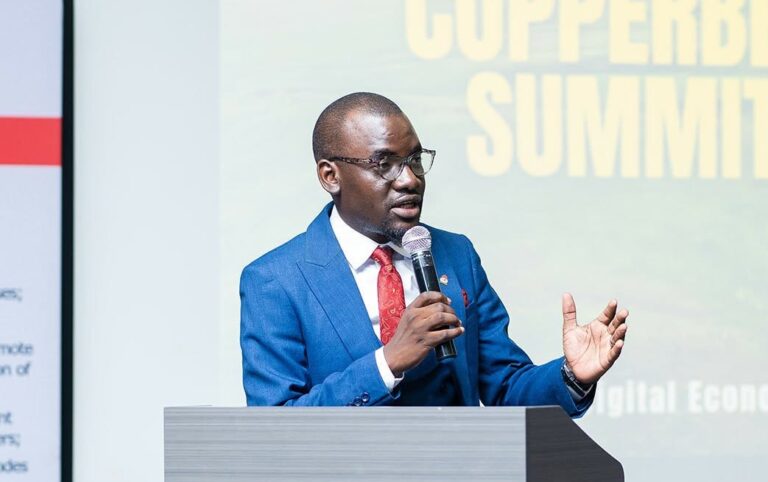
Solwezi-based Youth Activist, Asa Lukamata has called on young people to refrain from selling their voters’ cards, describing the practice as equivalent to selling their democratic rights to vote.

Mr Lukamata says voter cards should not be exchanged for money, as doing so compromises citizens’ ability to influence governance through the electoral process.

“Once youths or any citizen sell their voter cards, even if it is for five hundred thousand kwacha, the money will eventually finish. However, when they vote, their choice contributes to a governance system that will serve them for five years,” Mr Lukamata said.

“Young people and the citizens of Zambia should not be used as tools of political violence,” he said.

Mr Lukamata further said the destruction of political campaign materials and Electoral Commission of Zambia (ECZ) voter education materials constitutes electoral violence and should not be tolerated.

“It is saddening that some people have even resorted to destroying election education materials which are meant to educate citizens on how to vote,” he said.

Mr Lukamata urged all stakeholders to promote peaceful participation in the electoral process and respect voter education initiatives.

Police open investigations into a suspected defilement

0

Police in Northern Province have opened investigations into a suspected defilement case involving a 12-year-old girl of Mporokoso District.

Northern Province Police Commanding Officer Simunji Mulonda says the alleged defilement occurred on June 7, 2026 at about 19:00 hours in a village within Chief Mumporokoso’s Chiefdom, in Mporokoso District.

Mr Mulonda disclosed that the matter was reported to police on June 8, 2026 by a concerned teacher following the disclosure by the victim that she was defiled.

Mr Mulonda told the media that preliminary information indicates that the victim exhibited signs of distress while attending classes, therefore, prompting school authorities to engage her.

He added that after disclosing what happened, the matter was immediately reported to Mporokoso police for further action.

Mr Mulonda further added that during the incident the victim reportedly called for help hence causing the suspect to flee the scene.

He added that the victim was referred for medical examination and appropriate support services after which police opened a docket and launched investigations into the matter.

“No arrest has been made so far, and efforts to identify and apprehend the suspect are underway,” Mr Mulonda revealed.

He further expressed concern over the continued occurrence of sexual offences against children despite the existence of stringent legal sanctions.

 “I encourage members of the public to remain vigilant, promptly report suspected cases of abuse, and support efforts aimed at protecting children and ensuring offenders are brought to justice,” he said.

He has since called for a coordinated multi-sectoral approach involving families, communities, educational institutions, traditional leaders, faith-based organisations, civil society, and law enforcement agencies in strengthening child protection mechanisms and preventing such offences.