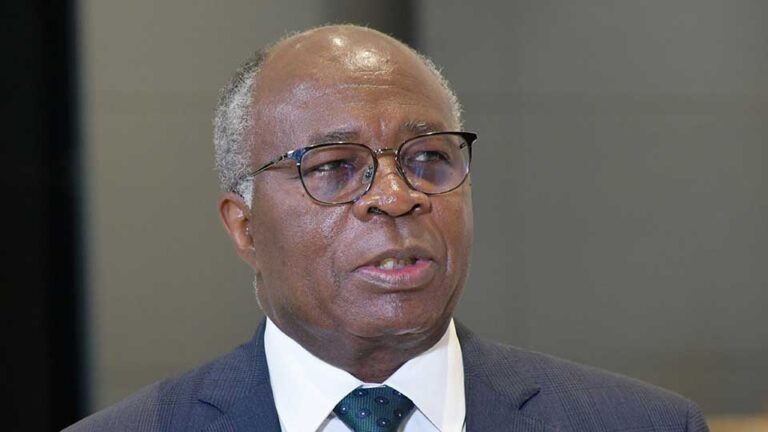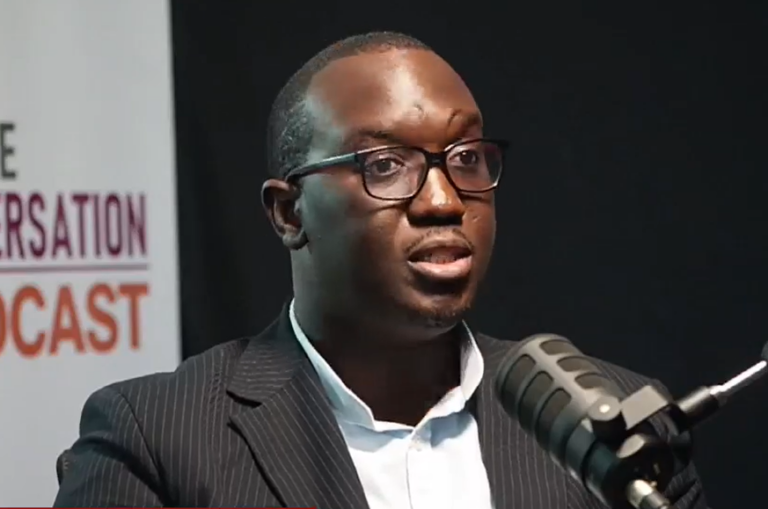
Constitutional lawyer Jonas Zimba has called for the rejection or urgent revision of the proposed Electoral Process Amendment Bill, 2026, warning that its provisions could weaken Zambia’s democratic system and restrict political competition. Zimba’s intervention places the draft law under immediate scrutiny, with concerns centring on timing, scope, and the balance of power between electoral authorities and political actors.
He said the Bill arrives at a sensitive point in the electoral cycle and carries provisions that could reshape participation rules in ways that disadvantage opposition parties and independent candidates. He described the proposed changes as poorly structured and potentially exclusionary.
“The proposed law is firstly ill timed, not properly thought through and mainly has mathematical precision which seeks to exclude other political players. The proposed law is not well meant for the progress of democracy… There is only one course, this law must be rejected and or refined with extensive consultation with stakeholder involvement so as to save the democracy that this nation fought for fervently,” he said in a commentary released yesterday.
Zimba said the Bill could tilt the electoral field in favour of the ruling United Party for National Development by introducing mechanisms that narrow the space for broader political engagement. He pointed to provisions allowing for the suspension of political parties or candidates, saying such powers could be misused. He said instead of addressing genuine electoral breaches, the clauses risk becoming tools that limit participation.
The Bill also introduces adoption certificate requirements, a move Zimba said could generate internal disputes within political parties. He said such requirements might be used to disqualify candidates through administrative or procedural challenges rather than substantive electoral grounds.
Attention has also turned to the expanded authority of the Electoral Commission of Zambia under the proposed law. Zimba raised concern over discretionary powers granted to the commission, particularly in determining inspection periods for the voters’ register and managing party lists under proportional representation. He said these powers, if not tightly defined, could create uneven application of electoral rules and reduce transparency in key processes.
A major point of contention lies in the proposed linkage between proportional representation and presidential participation. Zimba said this structure could disadvantage smaller parties and independent candidates, creating conditions where parliamentary representation becomes tied to presidential performance. He said such a design could consolidate dominance by the ruling party, limiting diversity in Parliament and weakening multiparty competition.
Zimba also criticised the proposed reduction in the timeframe for correcting voter details, from 90 days to 14 days. He said the change fails to reflect practical realities in rural areas, where access to information and administrative services remains uneven. He said the shorter window could disenfranchise voters who are unable to verify or correct their details within the compressed period.
The timing of the Bill itself is a key concern in Zimba’s objection. He said amendments to electoral laws close to an election often raise suspicion and can be interpreted as attempts to influence outcomes. He said electoral reforms require stability, predictability, and broad consensus to maintain public confidence in the system.
Zimba urged the Government to halt the current process and open wider consultations involving civil society organisations, political parties, and other stakeholders. He said inclusive dialogue would allow for refinement of the Bill while preserving the integrity of Zambia’s democratic institutions.
“There is only one course, this law must be rejected and or refined with extensive consultation with stakeholder involvement so as to save the democracy that this nation fought for fervently,” he said.
The proposed Electoral Process Amendment Bill, 2026, is still being considered, with Zimba’s remarks adding to concerns over its potential impact on Zambia’s electoral framework.