Economic management, public services and job creation are expected to dominate Zambia’s election campaign, with political parties increasingly directing attention to their records and policy proposals as the country moves closer to the polls.
The governing United Party for National Development (UPND) has placed economic recovery and service delivery at the heart of its message, frequently pointing to programmes introduced since taking office in 2021. Opposition parties, meanwhile, have continued to focus on the cost of living, employment opportunities and the pace of economic improvement experienced by ordinary households.
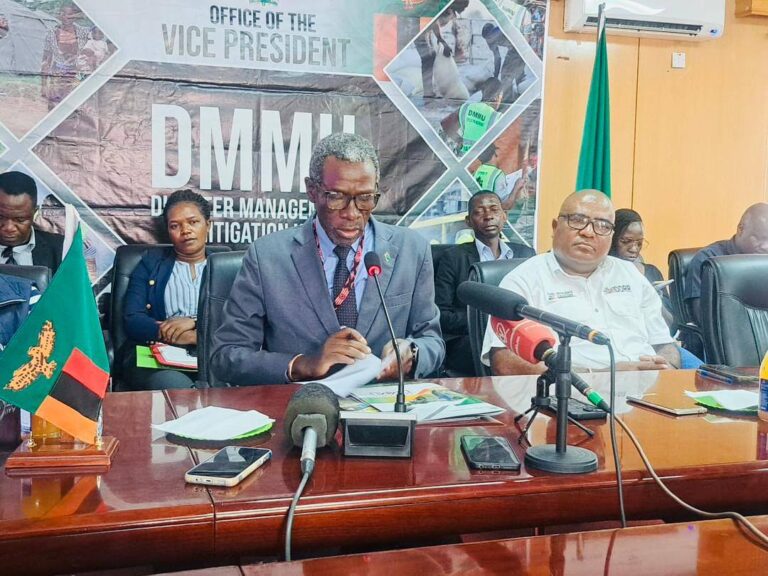
Government officials have repeatedly highlighted growth targets in mining, agriculture, electricity generation and tourism, arguing that increased production remains central to efforts aimed at expanding the economy. Senior officials have maintained that higher output in those sectors would strengthen exports, attract investment and support job creation across the country.
The administration’s economic programme has also been accompanied by a series of social-sector interventions that have become prominent features of its record in office. Free education, the restoration of meal allowances for university students and expanded bursary support continue to feature prominently in government communication and public engagements.
Officials say the measures have increased access to education and eased pressure on families that previously struggled to keep children in school. The programmes have become some of the most visible policy initiatives undertaken during the current administration.
The expanded Constituency Development Fund has also become a major component of government spending at local level. Increased allocations to constituencies have supported community projects, skills training initiatives, school infrastructure, health facilities and other development programmes across the country.
In many districts, local projects funded through CDF have become among the most visible examples of public investment. Government representatives frequently cite the programme as evidence of efforts to move development resources closer to communities.
Concerns over implementation, efficiency and long-term funding continue to surface in discussions surrounding some government programmes. Questions relating to economic conditions, household incomes and employment opportunities have also remained part of public discourse as political activity gathers momentum.
Beyond domestic programmes, the administration has devoted significant attention to economic reforms and engagement with international financial institutions. Debt restructuring efforts, investment promotion and measures aimed at restoring macroeconomic stability have featured prominently in official statements over the past several years.
Government supporters say these efforts have helped restore confidence in the country’s economic direction. Opposition parties maintain that many citizens remain focused on everyday economic pressures and want to see stronger improvements in living standards.
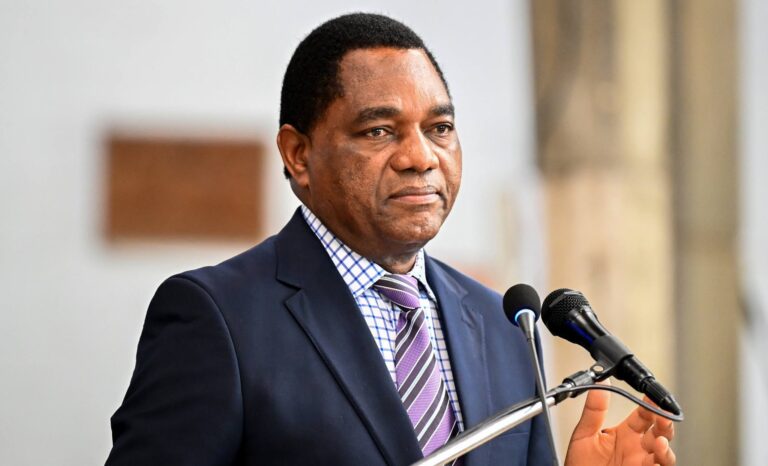
The approaching election is expected to place greater scrutiny on competing policy proposals. While government leaders continue to defend their record in office, opposition parties are under pressure to persuade voters that their own programmes would deliver better outcomes in areas such as employment, economic growth and public services.
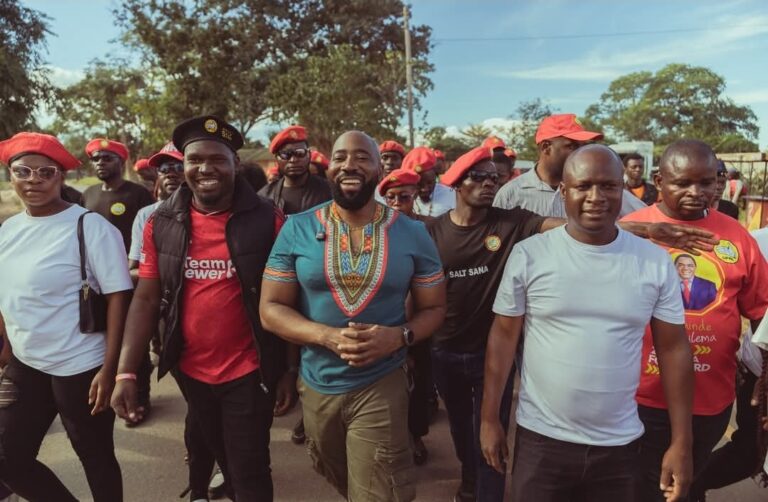
As campaign activities intensify, discussions around education, local development funding, production targets, investment, household incomes and job creation are expected to feature prominently in political engagements across the country.
Government officials continue to cite free education, expanded CDF allocations, debt restructuring efforts and production goals as evidence of progress. Opposition parties continue to argue that economic challenges facing households require alternative solutions. Those competing positions are likely to remain at the centre of campaign messaging in the months ahead.