A battle for legitimacy within the Patriotic Front has intensified, with rival factions led by Miles Sampa and Makebi Zulu clashing over who is the rightful leader of the opposition party.
The dispute has moved beyond internal disagreement into a layered contest involving legal claims, party structures and competing assertions of authority. What is unfolding is no longer a single leadership disagreement, but a broader struggle over control of the party itself.
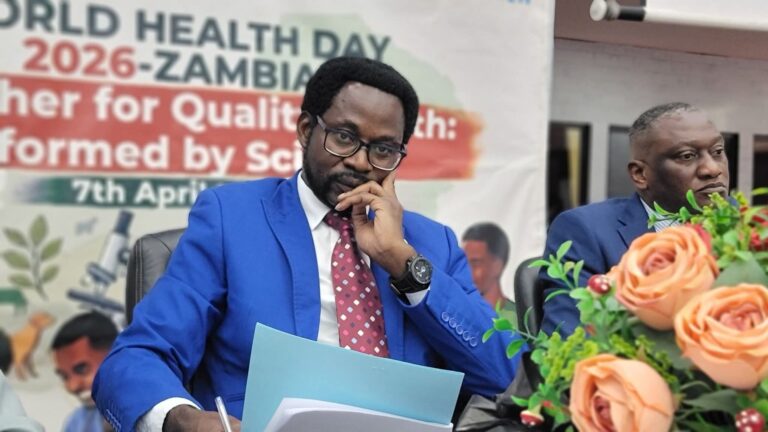
PF faction Central Committee member and spokesperson Emmanuel Mwamba has declared that Makebi Zulu is the party’s legitimate president, following what he described as a duly conducted convention. Mwamba said the process was transparent and inclusive, involving structures from across the country, and urged members to reject claims that contradict its outcome.
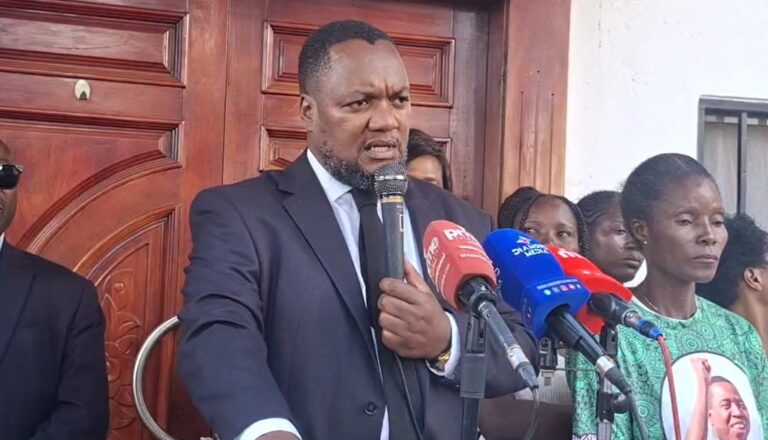
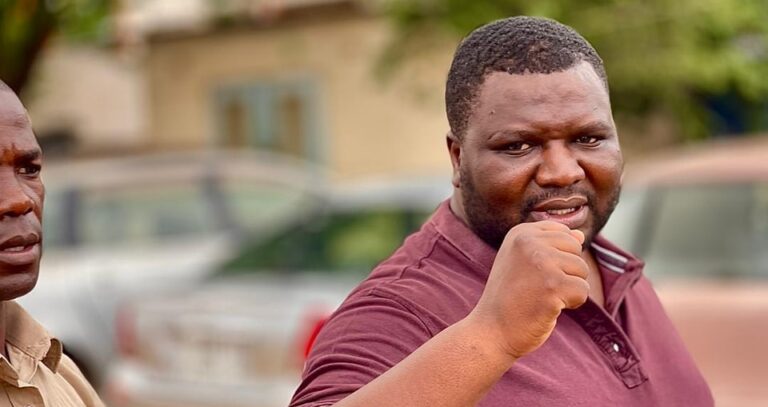
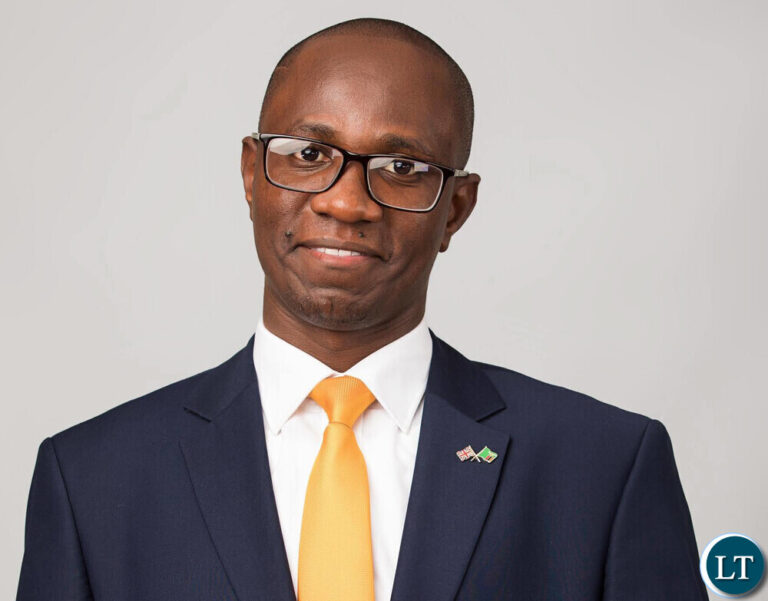
The position directly challenges Miles Sampa, who maintains that he remains the legal president of the party. Speaking at a press briefing, Sampa said he had reclaimed leadership following the death of former president Edgar Lungu, arguing that authority had reverted to him.
“I agreed to hand over the party to President Edgar Lungu, but now that he is not there, I will hand over the party to myself,” Sampa said.
Sampa cited a March 27, 2026 Lusaka High Court ruling as validation of his leadership, referencing the October 24, 2023 Extra-Ordinary General Conference. He further announced the dissolution of the PF Central Committee and all provincial chairpersons, accusing some members of working to weaken the party from within.
These moves signal a shift from contesting legitimacy to exercising control. By dissolving party structures, Sampa has taken steps that go beyond legal argument, placing the dispute directly into the operational framework of the party.
Meanwhile, Makebi Zulu is said to have emerged from a separate convention held on March 25, 2026, where he secured 49.2 percent of the vote from 110 districts. The contest included several senior figures, among them Chitalu Chilufya, Given Lubinda, Chanda Katotobwe, Greyford Monde and Chishimba Kambwili.
Sampa has dismissed that convention as invalid, insisting it carries no legal standing. The rejection has further entrenched divisions, leaving both sides anchored in separate claims of legitimacy.
Mwamba has maintained that Zulu’s leadership reflects the will of party structures, insisting that the outcome of the convention represents the majority position within the organisation. He also confirmed that an appeal has been filed against the High Court decision that recognised Sampa and other officials.
“This morning, the Patriotic Front appealed the decision of Lusaka High Court Judge Conceptor Chinyanwa Zulu, which recognised Miles Sampa, Robert Chabinga and Morgan Ng’ona as holders of the party,” Mwamba said.
He went further, alleging that Sampa’s actions form part of a coordinated effort to divide the party ahead of the general elections.
The dispute has now taken on a dual-track character. Legal proceedings continue to determine formal recognition, while actions within the party are shaping authority on the ground. This creates a situation where court outcomes and internal restructuring are unfolding at the same time, each influencing the other.
The presence of multiple claimants has produced overlapping command structures. Different factions are aligning themselves with separate leaders, issuing parallel directives and reinforcing competing centres of authority within the party.
This has introduced uncertainty at a critical time. With elections approaching, clarity of leadership is essential for mobilisation, coordination and strategic planning. A fragmented command structure risks weakening the party’s ability to organise effectively.
The conflict has also expanded into the broader political space. Statements, counter-statements and factional alignments have pushed the issue beyond internal party matters, placing it firmly within national political discourse.
Control of party structures now sits at the centre of the contest. Leadership is no longer defined solely by legal recognition, but by who commands organisational machinery, decision-making processes and mobilisation networks.
The situation reflects a deeper struggle within the party. Authority is being contested both formally and practically, with each side seeking to establish dominance across legal, structural and political fronts.
What is unfolding is not a static dispute but an evolving power struggle. Each development shifts the balance, making the outcome increasingly uncertain.
The dispute now sits in two places at once. In court, where the question of legal recognition is still being argued, and inside the party, where authority is already being exercised through competing structures and directives.
Sampa has moved to dissolve organs and assert control. Zulu’s camp is pushing the convention outcome and has lodged an appeal against the High Court ruling. Both tracks are active, and neither side has stepped back.
For members on the ground, the result is immediate. Instructions are coming from different centres, structures are being reshaped, and the chain of command is no longer singular. How that plays out will be determined not by statements, but by which authority holds when decisions begin to take effect.