LUSAKA, April 1 — Movement for National Renewal leader John Sangwa says delays in registering his political party are constraining preparations for Zambia’s August 13 general election, placing pressure on participation timelines for new entrants.
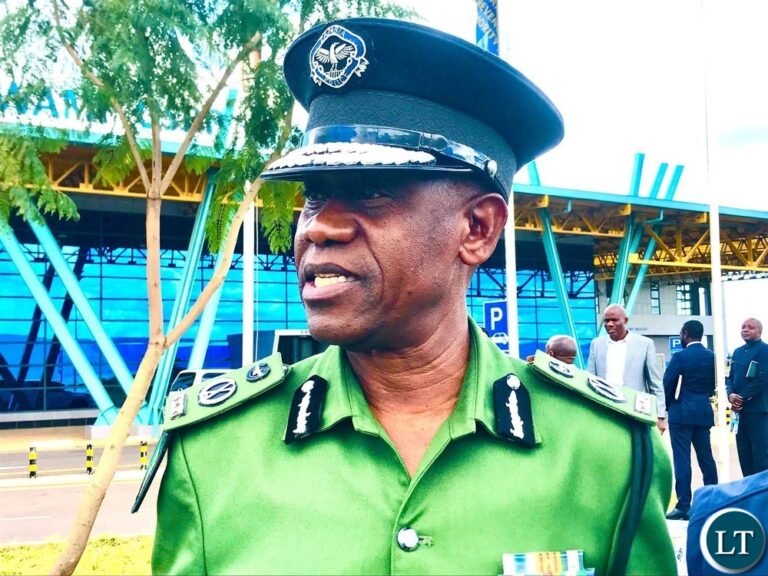
The application for party registration was lodged on March 23, 2026, but remains pending, with the process requiring clearance linked to the Office of the Inspector General of Police before completion. The delay comes as political parties intensify mobilisation ahead of a fixed election calendar.
Sangwa said the issue extends beyond administrative procedure and carries direct political implications. Without formal registration, a political organisation cannot fully operate within the electoral framework, affecting its ability to organise structures, select candidates and engage voters at scale.
He stated that the current situation limits mobilisation and national visibility at a stage where established parties are already advancing campaign activities. The timing places newer political movements at a structural disadvantage as the election date approaches.
The electoral calendar sets August 13, 2026 as polling day, leaving a narrowing window for parties yet to complete registration to build operational capacity. Delays at this stage compress preparation timelines, affecting outreach, resource mobilisation and internal coordination.
Sangwa said participation in elections depends on more than casting a vote. It requires that political actors are able to organise, campaign and present alternatives within a framework that is consistent and predictable. He added that the absence of registration interrupts that process.
The matter draws attention to the administrative pathways governing political party registration, where compliance requirements include documentation checks and security-related clearances. These processes are designed to ensure regulatory standards are met, though they also introduce procedural stages where timelines can extend.
Sangwa framed the delay as a constitutional concern tied to political participation. He said administrative systems should facilitate, not restrict, the ability of citizens and political actors to take part in elections through organised platforms.
The issue emerges within a broader electoral environment where institutional processes are under scrutiny. Government officials have pointed to the role of information management in safeguarding election credibility, with Information and Media Minister Cornelius Mweetwa calling on the media to prioritise accurate reporting and counter misinformation ahead of the polls.
That position reflects awareness that election credibility is shaped not only by procedures but also by public confidence in how those procedures are applied. Administrative consistency and transparency remain central to maintaining that confidence.
There is no indication within the available material that the delay in registration is deliberate. No formal explanation from authorities is cited regarding the status of the application or the timeframe for completion of the required clearances.
The absence of resolution has allowed the issue to acquire political weight, particularly as the election timeline advances. Questions around equal participation arise when procedural delays intersect with fixed electoral milestones.
Sangwa said the inability to fully operate as a registered political party affects core functions, including candidate selection processes, fundraising and the establishment of national structures. These elements form the operational backbone of electoral participation and require sufficient lead time to execute.
The situation also highlights the balance between regulation and access within electoral systems. While compliance measures are necessary to maintain order and legitimacy, their implementation must align with timelines that enable fair participation across all political actors.
Attention is expected to remain on how quickly the registration process is concluded and whether similar concerns emerge from other prospective political parties. The handling of such applications carries implications for perceptions of fairness within the electoral framework.
With the election date fixed, the pace of administrative processes becomes a determining factor in how evenly political actors can prepare. Institutional consistency, transparency and timeliness will shape confidence in the system as the country moves closer to polling day.