Sunday, June 14, 2026
13.1 C
Lusaka
Home Blog Page 95

EU commended for empowering communities

Government has commended the European Union (EU) for its continued partnership and support in empowering local communities in the country through various interventions.

Western Province Agriculture Coordinator, Rodwell Muntanga, noted that the government is keen in partnering with the private sectors to accelerate meaningful development in various sectors such as agriculture, education and infrastructure among others.

Mr Muntanga stated that the three-year Civil Society Organisations (CSO) Leads Project being implemented by the People In Need (PIN) and Jesuit Center for Theological Reflection (JCTR) will improve service delivery and uplift people’s welfare in various communities in the province.

He urged the EU through PIN and JCTR to continue supporting CSO action plans in order to achieve the set targets and ensure the successful implementation of the project.

Mr Muntanga was speaking at the PIN, JCTR and CSOs stakeholders’ engagement meeting on the CSO Leads project in Kaoma District.

“Government appreciates the role of (CSOs) as partners in development. The policy direction of the government if you are aware now is the promotion of the Public Private Partnership (PPP) in various development sectors such as Agriculture, Health, Education and Infrastructure. In this regard, the government Jesuit Center for Theological Reflection (JCTR)and People In Need (PIN) appreciates the European Union for implementing the Leads project which brings together the CSOs and government departments to form this partnership that will provide service delivery in the communities”, he noted.

Meanwhile, PIN Monitoring and Evaluation Officer, Innocent Ngonga assured PIN and JCTR’s of its commitment on the project in strengthen the existing CSOs through capacity development support, mentorship, sharing of best practices peer to peer learning and to enhance their networking skills as well as form new partnerships collusions.

PIN in partnership with JCTR and with financial support from the European Union is implementing a three years’ action CSO- Leads project aimed at building empowered resilient civil society actors to enhance good governance and sustainable development in the country.

The project is being implemented in five provinces namely, Western Southern, Lusaka, Luapula and North-Western.

Kaoma, Nkeyema and Luampa Districts are the beneficiaries of the project in Western Province.
Mpundu’s lawyers withdraw

3

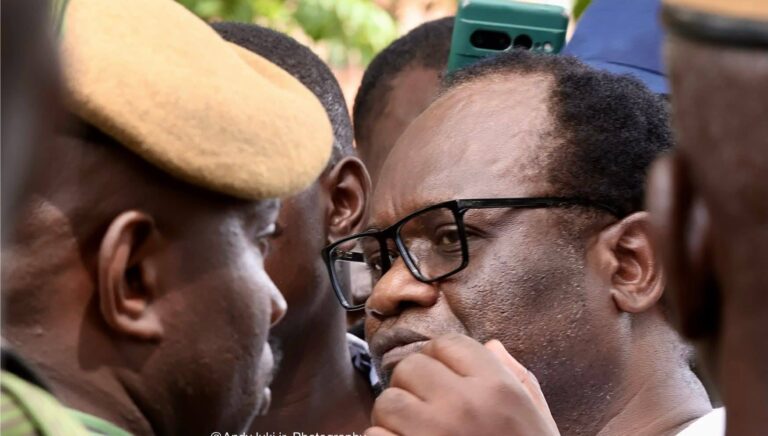
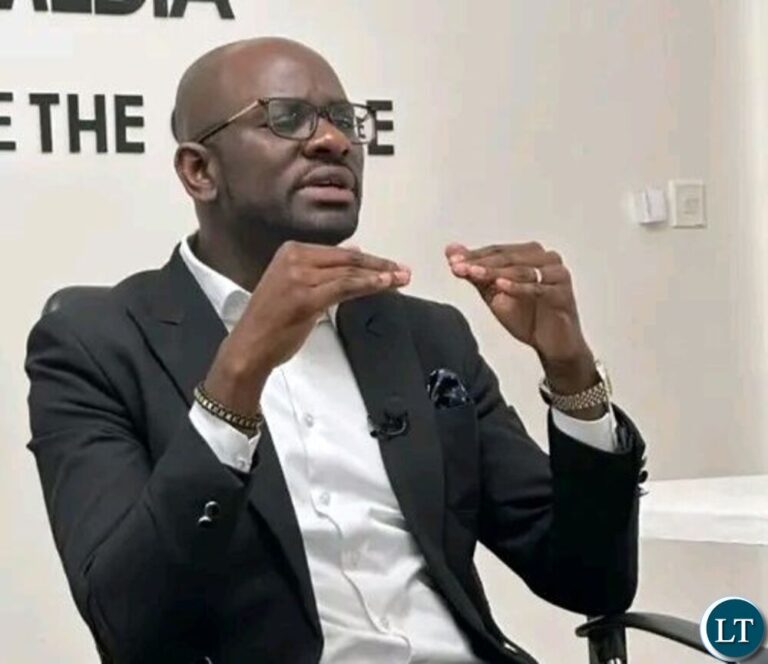
The court case in which Independent Nkana lawmaker Binwell Mpundu is facing a seditious matter has taken a new twist after the lawyers representing him have withdrawn their services.

The Lawyers Norman Siwila and Leone Lemba told Lusaka Magistrate Webster Milumbe today.

This was after Mr Mpundu instructed the lawyers to undertake a certain assignment to which they allegedly failed to execute.

This means that the outspoken Nkana Lawmaker will now represent himself in court.

Mr Mpundu, a vocal critic of the government, maintained a calm composure as he appeared in court, however asked the Court for sometime to prepare himself.

Lusaka Magistrate Webster Milumbe granted the application in favour of Mr Mpundu.

Magistrate Milumbe adjourned the matter to 20th April, 2026 for continuation of trial.

Earlier, Mr Milumbe instructed the second witness, Simon Simweenda to be present on April 20 to testify.

This follows after the first witness Malindi Chongo successfully gave his submission during cross examination to the Court.

The accused, Mr Mpundu pleaded not guilty to the charge of seditious practices relating to remarks he made over self-defense.

The lawmaker is charged with one count of seditious practices relating to an incident that occurred on December 20, 2024.

After the court session, Mr Mpundu addressed his supporters and called for calm in what he described as ‘tough times’.

Mumba Suffers Facial Injury Ahead of Argentina Friendly

2

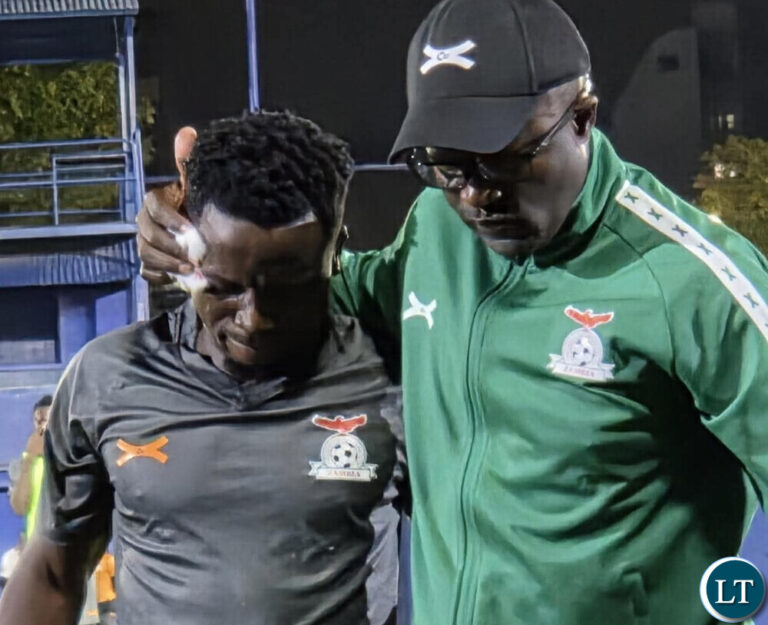
Chipolopolo midfielder Prince Mumba is facing a race against time to be fit for Zambia’s high-profile international friendly against Argentina national football team.

Mumba sustained a facial injury during training in Buenos Aires after colliding with a teammate, raising doubts over his availability as head coach George Lwandamina finalises his squad.

The Power Dynamos midfielder was immediately attended to by medical staff before being rushed to a nearby hospital for further treatment.

Team doctor George Magwende confirmed that the player remained conscious throughout the incident and sustained a cut near his right eye.

“He got a cut on the outer angle of his right eye during training. The bleeding was controlled on the pitch before he was taken to hospital,” Dr Magwende said.

He added that Mumba received stitches under local anaesthesia and returned to the team hotel later in the evening.

“After about three hours, with the normal medical procedures, Prince returned to the hotel and was able to have his meal in his room,” he said.

Despite the injury scare, Dr Magwende assured that Mumba is in stable condition, although a late decision will be made on whether he will feature in the match.

Zambia is set to face the world champions in Buenos Aires on Tuesday, March 31, at 14:15 local time (01:15 Zambian time on April 1).

Transport Sector Ready for 24-Hour Economy Shift

0
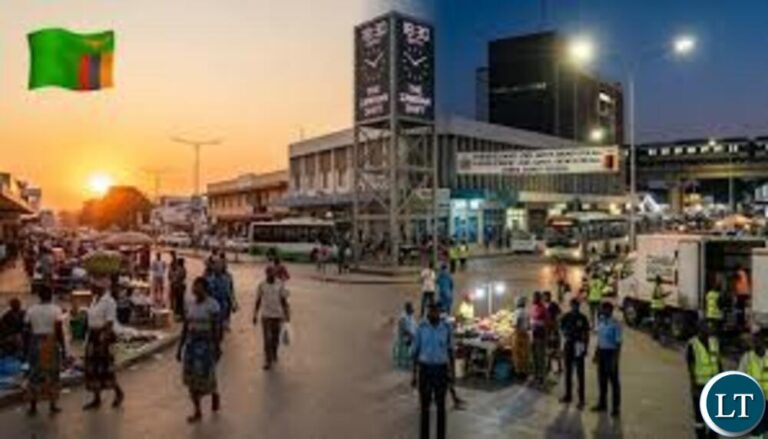
Stakeholders in the transport sector have welcomed Cabinet’s endorsement of a 24-hour business economy, stating that the industry is prepared to support round-the-clock operations.

The Public Passenger Transport Multipurpose Cooperative says the sector has long been ready and is eager to ensure a smooth transition, provided that supportive legal frameworks, policies and incentives are put in place.

 Cooperative Chairperson Sydney Mbewe urged government to harmonise the new policy direction with existing regulations. He pointed to the current nighttime ban on public transport as a major obstacle that must be addressed for effective implementation.

Mr Mbewe said aligning regulations with the 24-hour economy would enable transport operators to fully participate and provide continuous services.

Meanwhile, passengers spoken to at Kulima Tower Bus Station said the introduction of night bus services would greatly benefit commuters, especially those who struggle to afford higher taxi fares during late hours.

They noted that reliable and affordable public transport at night would improve mobility and support economic activity beyond traditional business hours.

CAF Awaits CAS Ruling on AFCON Final Dispute

3
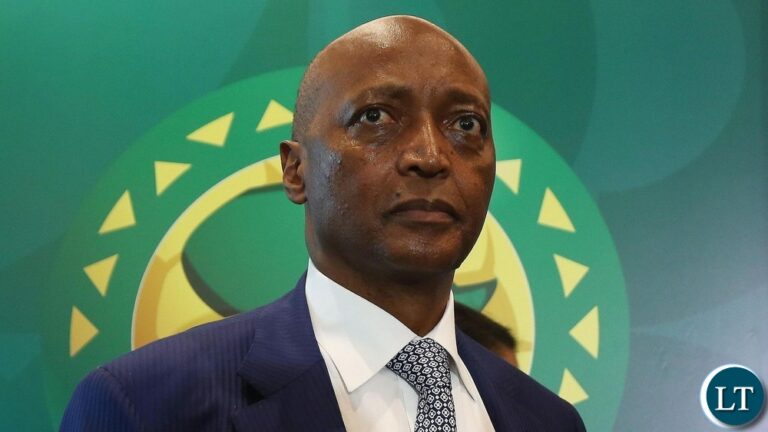
Confederation of African Football (CAF) president Patrice Motsepe says the organisation will respect the independence of its judicial bodies and abide by any ruling from the Court of Arbitration for Sport (CAS) in the ongoing Africa Cup of Nations final dispute.

The case follows CAF’s decision to overturn Senegal’s result and declare Morocco winners of the 2025 Africa Cup of Nations.

Speaking during a press briefing in Cairo, Motsepe said while there may be rulings by CAF’s judicial bodies he may not agree with as a football spectator, his role as president requires him to uphold their independence, integrity and credibility.

He added that CAF remains committed to following its statutes and regulations, as well as those of FIFA.

Motsepe disclosed that Senegal had already received its prize money, including 10 million, along with the tournament trophy.

He said the matter is now before CAS, and CAF will respect whatever outcome the tribunal reaches.

Senegal had originally beaten Morocco 1–0 in the final played on January 18. However, the match was disrupted after Senegalese players refused to continue following a stoppage-time penalty decision.

Play resumed after a 17-minute delay, during which Brahim Díaz missed the penalty before Pape Gueye scored in extra time.

CAF’s Appeal Board later ruled that Senegal had forfeited the match, awarding Morocco a 3–0 victory.

Chipolopolo encouraged before Argentina showdown

3

 First Secretary for Political and Consular Affairs at the Zambian Embassy in Brazil, Batseba Ngwenya has urged the Chipolopolo Boys to rise to the occasion ahead of the FIFA International friendly against world champions Argentina.

Speaking after paying a courtesy call on the team at EFE Hotel & Cowork in Buenos Aires yesterday, Ngwenya said the match is a chance for the 2012 African champions to prove themselves on the International stage.

“It will be a tough match playing the world champions, but I want to remind you that football is played on the pitch and is not always determined by reputation,” she said.

Ngwenya urged the players to believe in themselves, remain disciplined and approach the match with confidence and determination.

Speaking at the same event, Football Association of Zambia (FAZ) president Keith Mweemba said the fixture is more than just a friendly but a moment that could be a turning point for Zambian football.

Mweemba explained that while there is no need to dwell on past shortcomings, the current state of the game falls below expectations.

“Zambian football has dropped to levels where no one can be proud. But we must unite and rebuild the game through what I am calling ‘Operation Making Zambia Great Again,” he added.

 FAZ Technical Committee Vice chairperson, Kalusha Bwalya said the invitation from the Argentine FA is a sign of growing confidence in Zambia’s rebuilding efforts.

Chipolopolo captain Fashion Sakala thanked Ngwenya for her encouragement and assured the nation that the team is ready for the challenge.

Zambia faces Argentina on Tuesday at 20:15 local time (01:15 Wednesday, Zambian time) at La Bombonera in Buenos Aires.

Over 300 flood-affected households in Lavushimanda receive aid

1

The Disaster Management and Mitigation Unit (DMMU), has distributed 795 by 50 kilograms bags of rice as relief food to over 300 flood-affected households in Lavushimanda district in Muchinga Province.

The distribution exercise targets households affected by floods during the 2025/2026 rainy season and forms part of government and cooperating partners’ efforts to ensure that no life is lost due to hunger.

Speaking in an interview with the media , Lavushimanda District Commissioner, Terries Kunda said through DMMU’ s mandate each affected household is receiving a 25Kg bag of rice from the consignment.

He added that, in addition to the rice, flood victims will also receive other essential relief items including 225 x 3kg bags of soya chunks, 225 x 25kg bags of mealie meal, 225 by five litres boxes of cooking oil, and 12 x 250mls boxes of liquid chlorine.

The District Commissioner explained that the government is working in collaboration with cooperating partners, including the Chinese Government and other stakeholders, to respond to disasters.

“We want to thank the Zambian and the Chinese Governments for their continued support and commitment to assisting vulnerable communities,” he said.

And Muchinga Province DMMU Regional Coordinator Micheal Muyoba reaffirmed the government’s commitment to supporting flood victims across the country.

“Government remains committed to providing food assistance to flood victims, and I can confirm the distribution of the consignment in Lavushimanda District,” he said.

Meanwhile, speaking on behalf of the affected households, Mirriam Chikonde of Chief Chiundaponde’s Chiefdom commended the government for its timely intervention.

“I want to thank the government for always coming to our aid whenever we experience hunger due to floods here,” Ms Chikonde stated.

Matete honoured by Institute of Sports

1

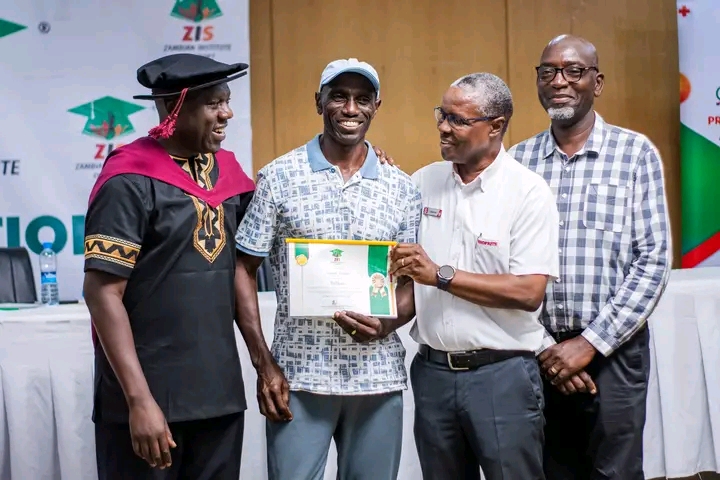
The Zambian Institute of Sports (ZIS) has honoured athletics icon Samuel Matete for his professional expertise and significant experience in the field of sports in Zambia and abroad.

Matete, the Zambia Athletics Copperbelt Regional Chairperson, is currently running his athletics academy in Kitwe.

He was honoured alongside football coach Honour Janza, rugby legend Tom Chaloba, sports administrator Mwembe Kaona, Paralympian Lango Sinkamba and sports development expert Dr. Fredrick Chitangala.

“This recognition also serves to formally acknowledge your capacity to execute the roles and responsibilities designated to you within sports,” ZIS stated when bestowing the honour on Matete.

Speaking to Lusaka Times Sports, Matete said the recognition would motivate him to do more for athletics in Zambia.

“I just do this for the community without knowing that people are noticing, so to receive this award it is a big plus for me. I just do things from my heart; I just do something to pay back to the community that built me,” Matete said.

“After this recognition I am even determined to do more. I’m thriving to do the best I can to give back to the community that nurtured me,” he said.

Matete is the most successful individual sports personality in Zambia.

Matete won a gold medal at the 1991 World Championships and was twice silver medallist at the same event.

He won a silver medal at the 1996 Olympics in Atlanta.

Matete was three-time World Cup winner and won gold at the 1994 Commonwealth Games.

PS Kawana underscores Hichilema’s commitment

Permanent Secretary Thabo Kawana has described President Hakainde Hichilema as a hard worker, pointing to the Head of State’s approach to leadership and engagement with national responsibilities.

Kawana’s remarks place emphasis on work ethic as a defining feature of the President’s leadership style. His statement presents Hichilema as a leader who is actively involved in the execution of government duties, reflecting a hands-on approach to governance.

The description aligns with ongoing narratives surrounding performance and delivery within government structures. Work rate and direct involvement are often cited as indicators of leadership effectiveness, particularly in the context of policy implementation and service delivery.

Kawana’s statement contributes to this framing by focusing on the President’s level of engagement. The characterisation of Hichilema as a hard worker centres on visible effort and commitment in carrying out official responsibilities.

Leadership perception remains closely tied to performance. Statements from government officials play a role in shaping how leadership is viewed, particularly when they relate to effort, consistency and output.

The remarks also reflect how internal government perspectives are communicated publicly. Positions expressed by senior officials provide insight into how leadership is assessed within administrative structures.

The focus on work ethic introduces a measurable dimension to leadership evaluation. Commitment to duties, responsiveness and involvement in key processes form part of how leadership is interpreted within governance frameworks.

Kawana’s statement places these elements at the centre of the discussion. By highlighting work ethic, the emphasis shifts toward execution rather than abstract leadership qualities.

Public communication around leadership often reflects broader government positioning. Statements that emphasise performance contribute to shaping perception, particularly in periods where governance outcomes are under attention.

The description of Hichilema as a hard worker reinforces a narrative built around effort and delivery. This approach aligns leadership identity with observable activity, rather than generalised characterisation.

The timing of such statements often carries relevance. As political and administrative activity continues, communication around leadership becomes part of the broader engagement between government and the public.

Kawana’s remarks remain focused on a single defining trait. The emphasis on work ethic provides a clear and direct description, without extending into broader interpretation.

Leadership communication continues to play a role in shaping understanding of governance. Statements from officials contribute to how leadership is framed within public discourse.

The description provided by Kawana stands as a straightforward assessment centred on effort and commitment. It reflects a perspective from within government structures on how leadership is exercised.

Government positions agriculture at centre of growth plan

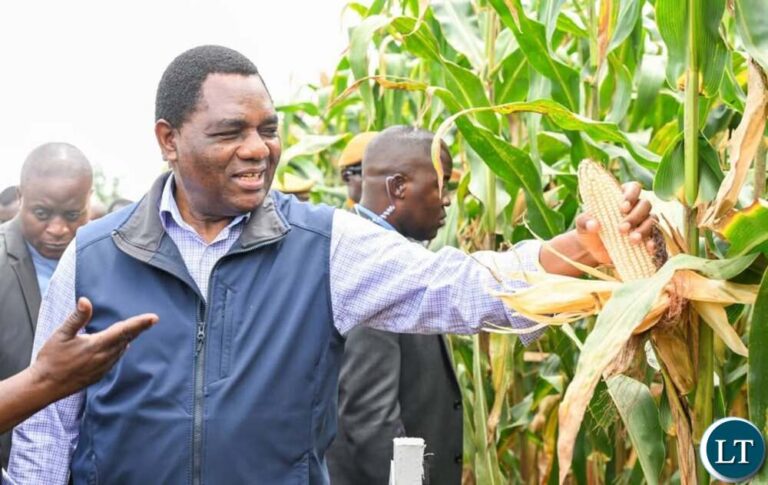
Government has positioned agriculture as a central component of economic planning, placing the sector at the forefront of efforts aimed at strengthening growth, improving food security and supporting national development.

The focus reflects the role agriculture plays in sustaining livelihoods across the country. A significant portion of the population is engaged in farming, making the sector a key contributor to income generation and economic participation, particularly in rural areas.

The approach being taken highlights agriculture as more than a support activity. It is being framed as a core driver capable of influencing broader economic outcomes through production, distribution and value chain activity.

Efforts within the sector are directed toward improving productivity and consistency in output. Increasing efficiency in farming operations is seen as central to strengthening supply and reducing vulnerability to changing conditions.

Access to inputs remains an important factor in production. Availability of seed and fertiliser directly affects yields, making it a central element in supporting farmers and sustaining output levels.

Irrigation development also forms part of the approach. Expanding irrigation capacity reduces dependence on rainfall and supports continuous production, contributing to stability within the sector.

Infrastructure plays a role in supporting agricultural activity. Storage, transport and processing systems influence how produce moves from farm to market, affecting both availability and value retention.

The focus on agriculture is linked to broader economic objectives. Strengthening the sector contributes to diversification, reducing reliance on a limited number of industries and expanding the base of economic activity.

Food security remains a key consideration within this framework. Stable production supports consistent supply, helping to maintain availability of essential commodities across the country.

Participation within the sector continues to evolve. Farmers operate at different scales, ranging from smallholder activity to larger commercial operations. Each contributes to overall production and plays a role in shaping outcomes.

The approach recognises the importance of supporting both levels. Smallholder farmers form a large part of the sector, while larger operations contribute to scale and efficiency.

The direction being taken reflects an emphasis on strengthening existing capacity while improving systems that support production. This includes enhancing processes that influence how resources are accessed and utilised.

The role of agriculture within economic planning continues to draw attention as the country prepares for the next phase of development. The sector’s contribution remains tied to productivity, stability and its ability to support broader economic activity.

The focus remains on how effectively the sector can sustain output and contribute to national priorities. Agriculture continues to hold a central position within this framework.

Makebi names Kapwepwe in new PF appointments

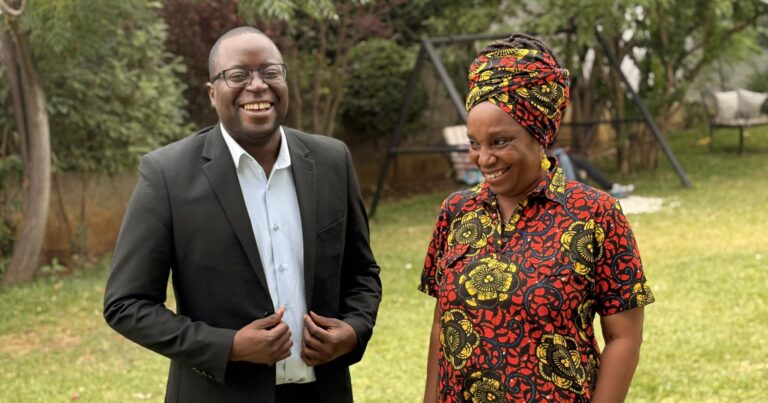
Patriotic Front president Makebi Zulu has lifted all suspensions in the party, frozen expulsions, and appointed new members to the Central Committee, including author and activist Mulenga Kapwepwe, as he moves to consolidate leadership.

PF Chairperson for Information and Publicity, Amb. Emmanuel Mwamba, said the appointments are filling existing vacancies in the Central Committee, which remains under Makebi Zulu as president and Given Lubinda as vice president.

The latest appointments bring Mulenga Kapwepwe, Chanda Kabwe, David Shamulenge, Nachilima Chisala, and Kangwa Puta into the Central Committee. Kabwe has also been named Chairperson for National Mobilisation  with instructions from Zulu to coordinate with provincial chairpersons in processing applications for parliamentary, mayoral and local government candidates before final approval by the Central Committee.

Zulu’s directive places candidate selection and mobilisation at the centre of the party’s immediate priorities, linking structural reorganisation with preparations for electoral participation. The move signals a shift toward tightening internal processes while expanding participation within party ranks.

The lifting of all suspensions removes internal restrictions that had sidelined some members from active party involvement. At the same time, Zulu has issued a moratorium on expulsions, creating a pathway for previously expelled members to return, provided they engage the Secretariat to process their re-entry.

Amb. Mwamba said those willing to reconcile with the party should formally initiate their return through the Secretariat, indicating that the process will follow established internal procedures rather than automatic reinstatement.

Zulu has also urged party structures to maintain discipline during what he described as one of the most challenging periods for the organisation. The directive combines a reopening of internal space with a clear expectation of order and cohesion across party structures.

The latest decisions follow an earlier round of appointments made on Sunday, 29th March 2026, shortly after Zulu’s election as party president on Saturday, 21st March 2026. In that initial phase, Zulu appointed Daniel Bukali, Isaac Nsoneka, Kenneth C. Moola, Dr. Alex Lwando, Rizwan Patel, and Max Kapantha as Members of the Central Committee.

That sequence places the current appointments within a broader restructuring effort that began immediately after Zulu assumed leadership. The approach reflects a phased build-up of the Central Committee, filling vacancies while reinforcing organisational roles.

The inclusion of Mulenga Kapwepwe introduces a figure known in literary and civic spaces into the party’s top decision-making body, expanding the profile of the Central Committee beyond traditional political actors. Her appointment sits alongside individuals drawn from administrative and organisational backgrounds.

The assignment given to Chanda Kabwe carries operational weight. By placing him in charge of coordinating candidate applications across provinces, Zulu has effectively positioned mobilisation and candidate processing as core functions of the party’s current phase. That process feeds directly into the Central Committee’s role as the final approval body.

Amb. Mwamba said the appointments do not alter the structure of the Central Committee but are intended to fill gaps within the existing framework. The clarification reinforces continuity within the party’s leadership hierarchy while signalling active reorganisation at operational level.

Zulu is expected to convene the first National Executive Committee Meeting and Central Committee meeting to address recent and critical developments in the party. The meetings will provide the first formal setting for the newly appointed members and returning structures to engage on the party’s direction.

The combination of lifted suspensions, an expulsion moratorium, and successive appointments places the Patriotic Front in a phase of internal reset under Zulu’s leadership, with structures being reactivated and membership channels reopened under central coordination.

K1.5 billion contract probe intensifies scrutiny

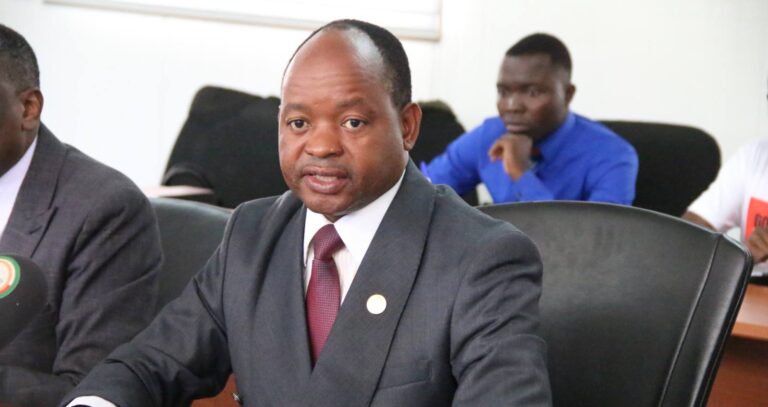
The Anti-Corruption Commission’s decision to summon Mporokoso Member of Parliament Brian Mundubile has placed Zambia’s accountability framework under sustained scrutiny, with attention fixed on how large-scale public contracts in Zambia are investigated and enforced.

The case centres on road construction contracts valued at K1.5 billion awarded between 2014 and 2020 to companies linked to the lawmaker. Investigators are examining procurement procedures in Zambia, contract allocation and whether established guidelines governing public expenditure were followed.

The scale of the contracts elevates the matter beyond an individual case. Road infrastructure projects in Zambia represent some of the most capital-intensive areas of public spending, involving multiple institutions, approvals and long-term commitments. Scrutiny of such contracts carries implications for how public resources are managed across the system.

The summoning marks a formal step in the investigative process, requiring the accused to respond within a structured legal framework. This stage reinforces the principle that public office carries obligations tied to transparency and accountability, particularly in relation to financial decisions involving national resources.

Public attention has shifted toward the conduct of institutions handling the investigation. Oversight bodies are expected to operate independently and apply consistent standards, regardless of the profile of individuals involved. Confidence in the process depends on visible adherence to procedure and the absence of selective enforcement.

The case has triggered strong emphasis on due process. Governance voices are urging restraint in interpretation, stressing that investigations must be allowed to proceed without pressure or premature judgment. The credibility of the outcome will depend on evidence, documentation and the integrity of investigative steps.

Procurement processes remain a central focus. Public contracting systems are designed to ensure transparency, competition and value for money. Questions around contract allocation, evaluation and execution form the basis of the current inquiry.

The value attached to the contracts introduces broader public interest. Large infrastructure spending shapes economic outcomes, making oversight of such funds a critical component of governance. Any irregularities within this space carry implications that extend beyond individual transactions.

The timing of the investigation has increased visibility. Developments involving public figures tend to attract heightened attention, particularly as the country approaches general elections. This adds pressure on institutions to demonstrate consistency and clarity in handling the case.

Responsibility within the process is shared. The accused is expected to respond through legal channels, while institutions must maintain procedural integrity. The interaction between these elements defines the credibility of the investigation.

The outcome will depend on the strength of evidence and the consistency of enforcement. Public confidence is closely linked to how clearly procedures are followed and how transparently findings are communicated.

The case stands as a test of accountability systems. The manner in which it is handled will shape perceptions of governance, institutional independence and the rule of law.

We don’t have a specific date for holding a convention – Mweetwa

The dispute over whether the United Party for National Development should hold a convention has moved beyond a procedural question and developed into a direct contest over authority and internal control, exposing pressure within the ruling party as the election period approaches.

UPND spokesperson Cornelius Mweetwa has rejected calls demanding that the party convene a general assembly, stating that the party constitution does not prescribe a specific date for holding a convention. His position challenges assertions from within party ranks that leadership renewal must follow a defined timeline.

The disagreement has shifted into a broader political struggle. Competing positions now reflect deeper issues around leadership continuity, internal democracy and the control of party direction. What began as a constitutional interpretation has evolved into a test of who determines the structure and timing of internal processes.

Those pushing for a convention argue that structured timelines are necessary to sustain legitimacy and internal accountability. Their position is rooted in the belief that leadership should be subjected to periodic review through formal processes that reflect participation by party members.

The response from the current leadership reflects a different priority. By emphasising constitutional interpretation, the party is asserting control over its internal processes and resisting pressure to alter its current structure. This position places authority firmly within existing leadership structures.

The issue carries potential legal implications. References to constitutional provisions introduce the possibility that the matter could move into formal legal consideration if disagreement persists. This elevates the dispute beyond internal discussion and increases its political weight.

Internal processes within a ruling party carry direct implications for electoral positioning. Leadership structures determine candidate selection, strategic direction and mobilisation capacity. Any uncertainty within these structures affects organisation and perception ahead of elections.

The timing intensifies the significance of the dispute. Political activity is increasing across constituencies, with aspirants positioning themselves ahead of adoption processes. Stability within the ruling party becomes a critical factor in maintaining coherence during this period.

Language from both sides indicates that positions are firm. One side maintains that constitutional flexibility allows the current arrangement to stand. The opposing view centres on structured renewal and internal accountability. These positions reflect different priorities rather than a shared interpretation.

Power dynamics within dominant political parties often become more visible as elections approach. Competition for influence, positioning and future roles sharpens internal divisions, particularly where leadership structures are perceived to be under pressure.

The current situation reflects that pattern. Internal structures have become a focal point of political contest, with the convention issue serving as a vehicle through which broader tensions are expressed.

Leadership has maintained its position by anchoring arguments in constitutional provisions. This approach reinforces continuity and control, particularly at a time when external political competition is expected to intensify.

Pressure for structural clarity remains present within the party. Calls for a convention continue to surface, keeping the issue active within internal discussions. The persistence of these calls indicates that the matter has not been settled and may continue to shape internal dynamics.

The dispute now stands as a defining moment in how the party manages internal pressure. Authority, structure and control are central to the current phase, with implications that extend into the election period.

Hichilema calls for unity as elections approach

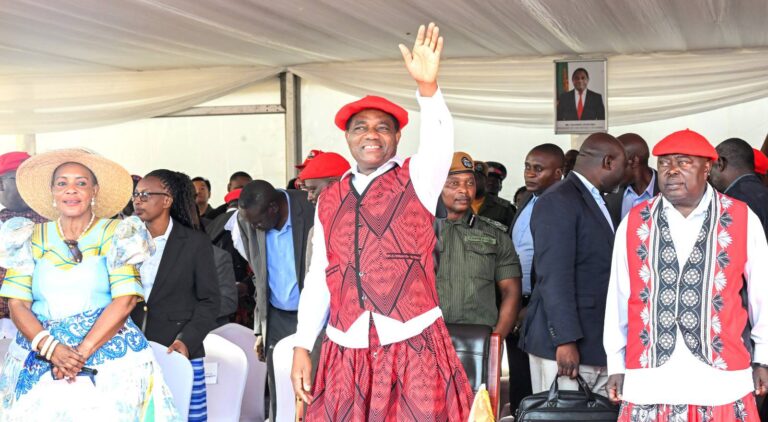
President Hakainde Hichilema has placed unity at the centre of Zambia’s political messaging ahead of the August 13 general elections, urging citizens to avoid division and maintain calm as the country moves deeper into the campaign period.

Speaking during a church service in Mongu, the Head of State said elections should reflect democratic maturity rather than create tension among citizens. He assured the nation that the electoral process would be conducted in a credible and peaceful manner, while calling on citizens to remain composed before, during and after voting.

The message is being reinforced across government leadership. Vice-President Mutale Nalumango has urged citizens to uphold peace and support national leadership, aligning her remarks with a broader call for stability as political activity gathers pace across the country.

At the same time, the ruling United Party for National Development has outlined how candidates will be selected ahead of the elections, introducing a performance-based approach that places emphasis on track record and grassroots support.

Party officials say adoption will depend on how aspirants have performed and the level of backing they command from constituents. The criteria place measurable expectations on those seeking to represent the party, shifting the focus toward demonstrable results and sustained engagement at local level.

This creates a parallel dynamic within the political environment. Public messaging from leadership is anchored in unity and restraint, while internal competition within the ruling party is intensifying as aspirants position themselves for adoption.

Vice-President Nalumango has also called on political players to avoid acrimony, reinforcing concerns about maintaining order during a period that traditionally attracts heightened political tension. The repeated appeals signal a coordinated effort to shape the tone of political engagement ahead of the vote.

The President’s remarks, delivered within a religious setting, connect political conduct with broader societal values. He acknowledged the role of the church in national development and urged citizens to uphold peace, framing stability as a shared responsibility across institutions and communities.

Within the ruling party, the emphasis on performance and popularity reflects a tightening of internal processes. Aspirants are expected to demonstrate both effectiveness and public support, indicating that adoption will be tied to visible contribution and constituency-level impact.

This approach introduces pressure within party ranks, particularly as competition increases ahead of nominations. It also reflects an attempt to align internal decision-making with public expectations in a high-stakes electoral environment.

The consistent messaging from both the President and the Vice-President points to a deliberate positioning of the election period as a managed and orderly process. While political mobilisation is expected to intensify, the dominant narrative from leadership remains anchored in discipline, stability and controlled engagement.

As the election date approaches, the focus on unity continues to define the national tone, with leadership placing responsibility on citizens and political actors alike to sustain peace throughout the process.

Mweemba explains why Chipolopolo flew to Argentina in batches

4

FAZ President Keith Mweemba has been explaining why Chipolopolo traveled in two batches to Argentina for Tuesday’s international friendly match in Buenos Aires.

‎The first batch comprising mostly players and coaches arrived in Argentina on Friday.

‎The last delegation which includes Mweemba, Kalusha Bwalya,the Vice Chairperson of the FAZ Technical Committee, Strikers Coach Noel Mwandila, Team General Manager Charles Chakatazya, FAZ Head of Media Nkweto Tembwe, Assistant Equipment Manager Jimmy Ndhlovu, Head of Security Cephas Munjunga and defender Owen Mwamba landed on Saturday.

‎Explaining the travel arrangements, Mweemba said Football House’s desire is always to see the squad travel as one group but stressed that there were issues beyond FAZ control.

‎”We prioritised players and technical staff to maximise the number of people in the first group and gain maximum  preparation time in Argentina,” Mweemba said in Buenos Aires.

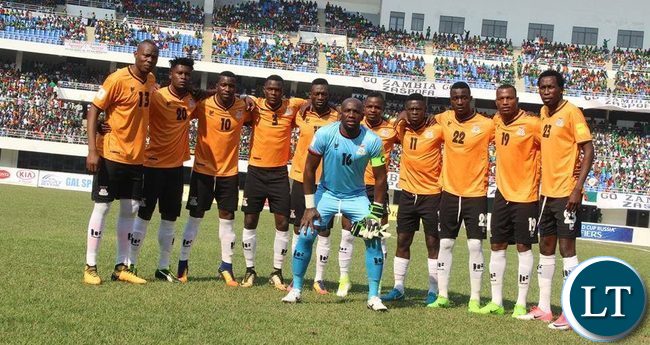
‎The Chipolopolo Boys are getting ready to face Argentina at the iconic La Bombonera stadium.

‎Zambia coach George Lwandamina is looking ahead to the match.

‎“The game will be played at 22:00 hours, which is 03:00 Zambian time. It is important that we get accustomed to those timings,” Lwandamina told FAZ media.

‎Chipolopolo Squad in Argentina:

‎Goalkeepers
‎Willard Mwanza (Power Dynamos FC)
‎Mangani Banda (Kabwe Warriors FC)
‎Victor Chabu (Nchanga Rangers FC)

‎Defenders
‎Owen Mwamba (Mufulira Wanderers)
‎Dominic Chanda (Power Dynamos FC)
‎Tinklar Sinkala (Zanaco FC)
‎Fredrick Mwiimanzi (Zanaco FC)
‎Brian Chilimina (Red Arrows FC)
‎Kondwani Chiboni (Power Dynamos FC)

‎Midfielders
‎Given Kalusa (FC MUZA)
‎Kelvin Mwanza (FC MUZA)
‎Prince Mumba (Power Dynamos FC)
‎Wilson Chisala (Zanaco FC)
‎Owen Tembo (Power Dynamos FC)
‎David Simukonda (Ceramica Cleopatra, Egypt) Fredrick Mulambia (Power Dynamos FC) Obino Chisala (Al Merrikh SC)

‎Forwards
‎Patson Daka (Leicester City, England)
‎Chanka Zimba (Inverness Caledonian Thistle, Scotland) Kingstone Mutandwa (SV Ried, Austria) Fashion Sakala (Al Fayha FC, Saudi Arabia) Albert Kangwanda (Red Arrows FC) Pascal Phiri (Pyramids FC, Egypt)