
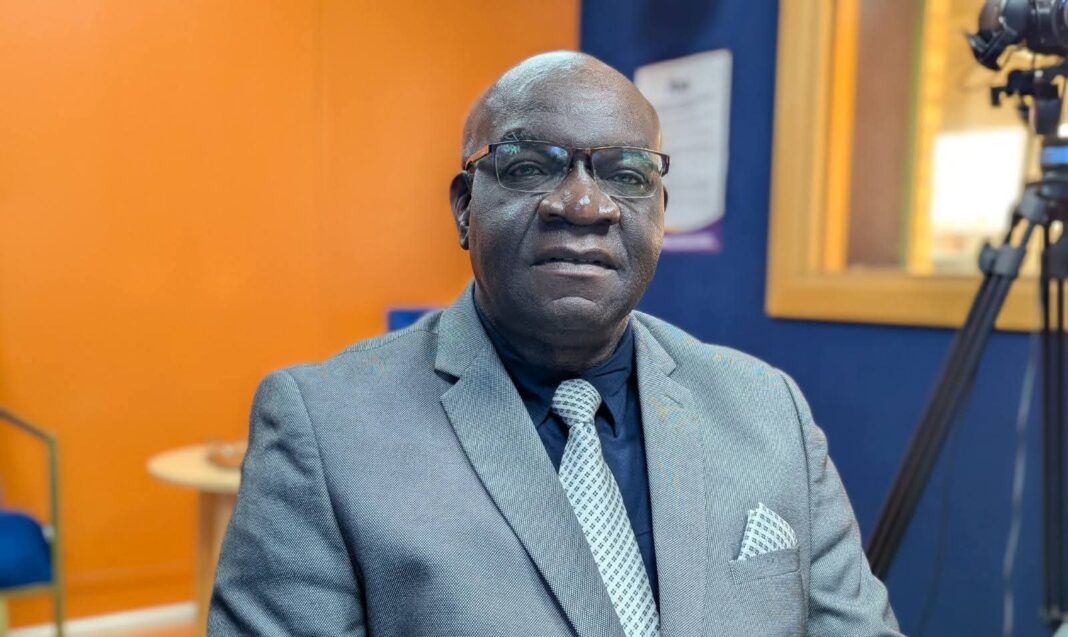
Mususu’s New Stance on Bill 7 Raises Fresh Questions
LUSAKA – The recent remarks by Evangelical Church in Zambia (ECZ) Presiding Bishop Paul Mususu on the government’s constitutional amendment process have sparked widespread national reflection, prompting measured responses from governance institutions, ecclesiastical leaders, and civil society stakeholders about their implications for the ongoing discourse surrounding Bill 7. Although his plea for restraint was issued during a devotional celebration, the ensuing reactions underscore how deeply entwined the reform effort has become with broader concerns over transparency, procedural timing, and institutional integrity.
Bishop Mususu delivered his address during the Diamond Jubilee celebrations of the ECZ Matero Congregation, where he urged those contemplating public demonstrations against Bill 7 to contemplate the nation’s pressing developmental imperatives. Citing Kasempa as an illustrative case, he highlighted the logistical and administrative challenges posed by excessively large constituencies, noting how such expanses hinder churches and civic groups from effectively accessing the Constituency Development Fund. In his view, delimitation could be instrumental in ensuring a more equitable distribution of development resources.
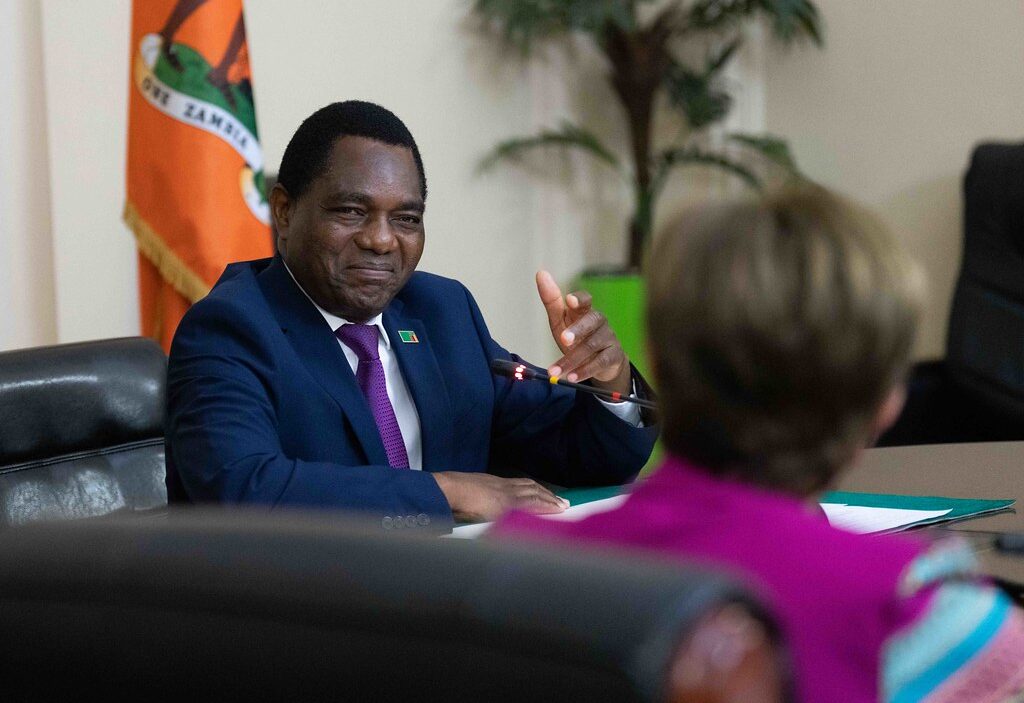
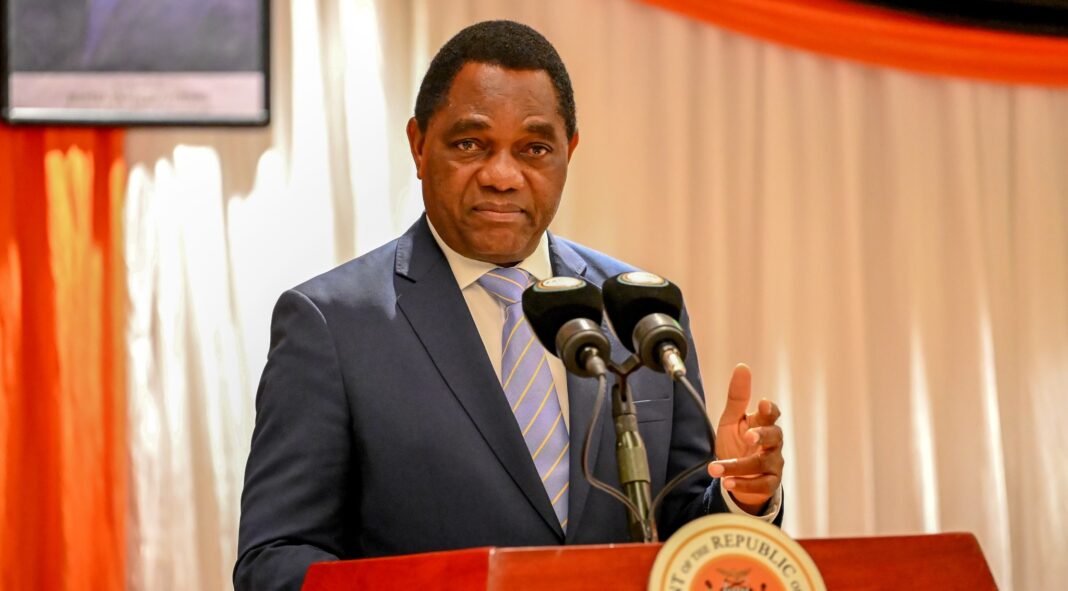
His appeal was couched in terms of long-term national interest, emphasizing that reforms designed to close systemic gaps in service delivery and representation merit thoughtful consideration. At the same gathering, Bishop Mususu also condemned the stoning incident involving President Hakainde Hichilema in Chingola, reiterating that the dignity and safety of the Head of State must be upheld. He implored citizens to refrain from allowing political discord to devolve into violence or unrest.
Nevertheless, governance organizations,some of which previously partnered with Bishop Mususu during earlier constitutional advocacy initiatives have responded with notable caution. These groups recall his pivotal role in challenging the former Bill 10, wherein he was among the most vocal church leaders raising concerns about both procedural legitimacy and substantive content. Like Bill 7, that earlier draft also included delimitation provisions. Civic actors now maintain that the underlying issues they identified at the time remain unresolved.
At the heart of their apprehension is the continued non-publication of the most recent Delimitation Report. These organizations assert that this document is indispensable for meaningful stakeholder input to the Technical Committee guiding the reform process. In its absence, they argue, it is nearly impossible to assess the demographic ramifications of proposed boundary changes, their alignment with principles of fair representation, or their practical impact on constituency governance. They stress that their reservations are not directed at delimitation per se, but at the decision to advance legislative changes without furnishing foundational data.
The divergence between Bishop Mususu’s earlier, more assertive advocacy and his current call for composure has prompted introspection within segments of the evangelical community. While some interpret his statements as a prudent effort to foster dialogue amid heightened political sensitivities, others perceive a potential recalibration of the evangelical leadership’s posture on state affairs. The fact that his remarks were delivered in the presence of the President has further fueled speculation about whether the church’s role in constitutional discourse is undergoing a subtle, yet significant, transformation.
Despite these varied readings, civic organizations remain unwavering in their demand for procedural transparency. They contend that the constitutional review must be anchored in the principles of open access to information, inclusive consultation, and clear articulation of the rationale behind each proposed amendment. To them, the immediate release of the Delimitation Report would constitute a vital first step toward restoring confidence in the integrity of the process.
The discussion surrounding Bishop Mususu’s intervention illuminates the broader national reckoning with Bill 7, a debate intensifying as Zambia approaches the 2026 electoral cycle. With church bodies, civil society actors, and political institutions each advancing distinct expectations, the reform effort has become a focal point of intense public scrutiny. How the government responds to calls for documentation, and how religious leaders continue to navigate their civic responsibilities, will profoundly influence public trust in the coming months.
For now, Bishop Mususu’s address has introduced a new dimension to an already intricate national conversation, drawing renewed focus to both the aspirations and anxieties tied to Zambia’s constitutional evolution. The civic response demonstrates that while stakeholders may be open to considering the developmental merits of delimitation, their engagement remains fundamentally conditioned on transparency. As positions continue to evolve, all parties await clearer direction on how Bill 7 will be stewarded and communicated to the citizenry.



The bishop must be appraised that the current constitution always provides for delimitation. It is instructive that we should delimitate after 10 years, meaning there is absolutely no need to amend the constitution to achieve delimitation. Once delimitation is done, what will follow is just going to change the number of constituencies that are in the constitution. This does not require any amendment to the constitution as most people have been misled by some politicians, that is how I understand it
Yes indeed, the current constitution is very clear and instructive, that we should delimitate after 10 years. So why do people want to amend the constitution. All we need to do is to delimitate, most people have been told untruths that people are against delimitation, yes constituencies are big and we want to delimitate, but it is already provided for in the current constitution.
So if the bishop seeks delimitation, why does he not emphasize that we amend only one clause which deals with delimitation and do the others later. In any case, delimitation is already provided for in the current constitution, there is completely nothing stopping us doing the delimitation now without amending the constitution
The church mother bodies need to work on uniting the nation by speaking with one voice.