
Zambia’s kwacha enters K17 bracket as copper, harvest and debt reforms support gains
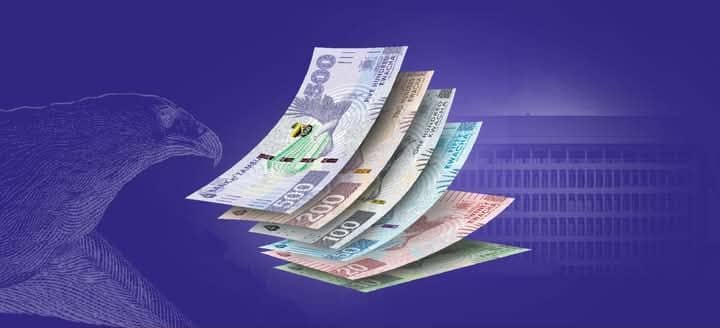
THE Zambian kwacha has broken through the K18 mark to trade firmly within the K17 bracket, recording its strongest performance since 2023 as increased foreign exchange inflows from mining, a bumper agricultural harvest and improved debt management continue to support the local currency.
At commercial banks and bureaux de change across Lusaka on Wednesday, the kwacha traded between K17.65 and K17.91 against the United States dollar. The Bank of Zambia’s indicative rate stood between K17.91 and K17.96, while Kasinja Bureau recorded buying and selling rates of K17.70 and K18.00 respectively. Golden Coin Bureau reported similar rates.
The Bank of Zambia says the currency appreciated by 14.8 percent against the dollar during the first quarter of 2026, with gains extending into April and May. The performance has placed the kwacha among the stronger-performing currencies in the region this year.
Economic stakeholders attribute the appreciation to stronger export earnings, improved foreign exchange liquidity and positive macroeconomic developments across several sectors.
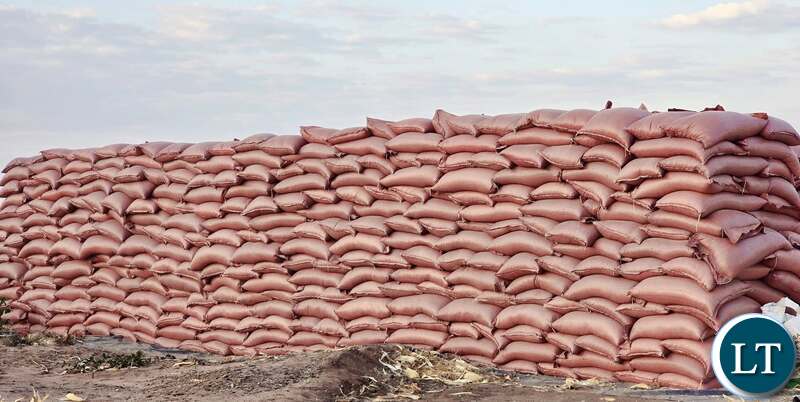
Bureau de Change Association of Zambia president Kalumba said the projected maize harvest of nearly five million tonnes could reduce maize imports while creating export opportunities that generate additional foreign exchange earnings.
“This means Zambia will not need to import maize and can instead export the surplus, bringing in foreign exchange,” Mr Kalumba said. “When you produce more and export, you earn forex, which strengthens the currency.”
The mining sector has also contributed significantly to foreign currency inflows. Recent data shows mining companies recorded net foreign exchange sales of US$626 million, while tax remittances reached US$289.7 million, bringing total foreign exchange liquidity from the sector to US$915.7 million. This represents an increase from US$759.4 million recorded in the previous quarter.
Foreign financial institutions added a further US$542.3 million to the market, helping lift net foreign exchange supply to US$230.2 million from US$93.4 million previously.
The broader economy has also shown signs of improvement. Zambia’s gross domestic product has grown from about US$18 billion in 2021 to US$29 billion in 2025, with projections placing output at US$41 billion in 2026. Inflation has eased from recent highs, supporting overall economic stability.
Market sentiment has received further support from Government’s US$1.36 billion Eurobond buyback programme, financed through a US$600 million facility from the African Development Bank and domestic resources. The Capital Markets Association of Zambia described the initiative as an important step towards debt sustainability and long-term fiscal management.
Kalumba said the programme had strengthened market confidence by signalling continued commitment to debt management reforms and fiscal discipline.
ZANACO’s treasury newsletter reported that the kwacha recently strengthened from an opening rate of K18.15 to close at K17.95, citing sustained foreign exchange supply and relatively subdued demand. The Bank of Zambia has also conducted open market operations amounting to K1.18 billion to support liquidity conditions.
Economist Noel Nkoma welcomed the gains but cautioned that exchange-rate movements remain subject to market conditions. He said stronger macroeconomic indicators, rising copper production and increased investor participation in government securities had supported the recent appreciation.
“Citizens should take advantage of the kwacha appreciation and engage in investment partnerships,” Mr Nkoma said.
ZANACO Chief Executive Officer Maikwandi Chibesakunda said the combination of a strong harvest and efforts to raise annual copper production to three million tonnes presents opportunities for business growth and export expansion. She noted that China remains Zambia’s largest trading partner and a key destination for copper exports valued at about US$3 billion.
Not all sectors have benefited equally from the stronger currency. Millers Association of Zambia president Andrew Chintala said kwacha appreciation had reduced the competitiveness of Zambian mealie-meal exports, particularly in the Democratic Republic of Congo, where prices currently range between US$12 and US$14 per 50-kilogram bag. He added that transport costs continue to affect access to East African markets.
Kalumba said external developments remain a factor to watch, noting that geopolitical tensions and movements in global oil prices could influence future exchange-rate performance. Sustained gains, he said, will depend on favourable international conditions and continued strength in key sectors of the economy.
Special Assistant to the President for Investment and Finance Jito Kayumba said the currency’s performance reflected broader economic reforms that have contributed to stronger reserves and increased economic stability. He linked the gains to progress recorded in agriculture, mining, energy and fiscal management.
For consumers, a stronger kwacha has the potential to reduce the cost of imported goods and services priced in foreign currency. At a national level, exchange-rate stability can ease pressure on foreign debt obligations, support fiscal planning and improve confidence in the economy.
The durability of the gains will depend on export performance, agricultural output, copper production, global commodity prices and the success of ongoing debt management measures. For now, the currency’s movement into the K17 bracket reflects growing support from sectors that have become increasingly important drivers of Zambia’s economic recovery.



Goof indeed !!!! but lets wait a month or 2 after the election then judge the state of the economy
Exactly, true picture is only after elections