New Solar, Coal and Hydro Projects Form Energy Roadmap
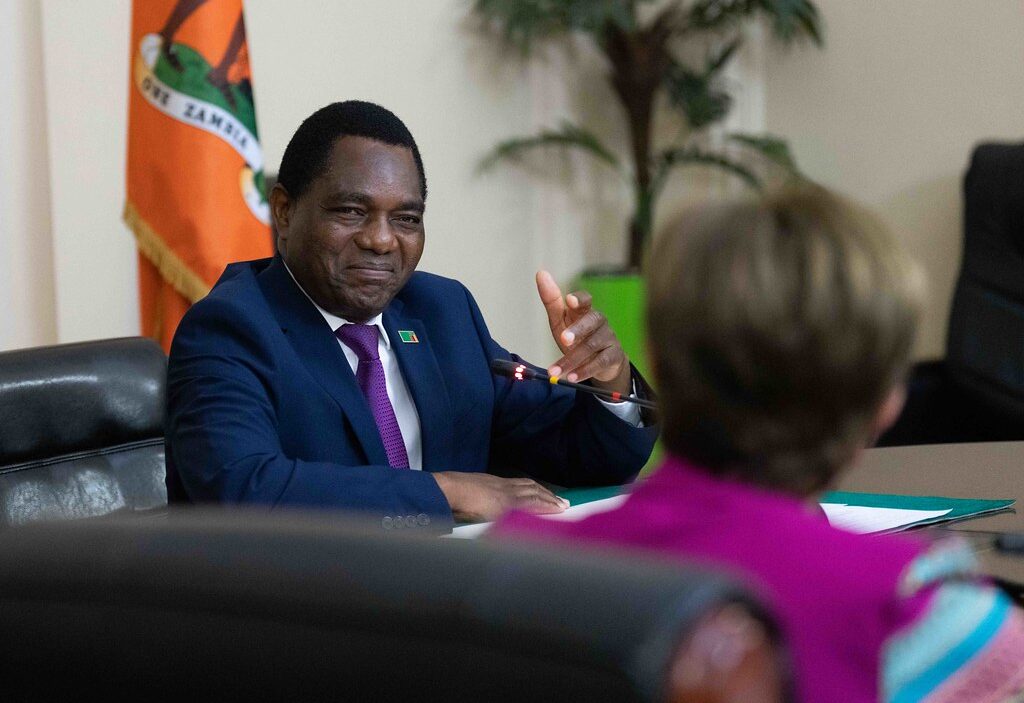
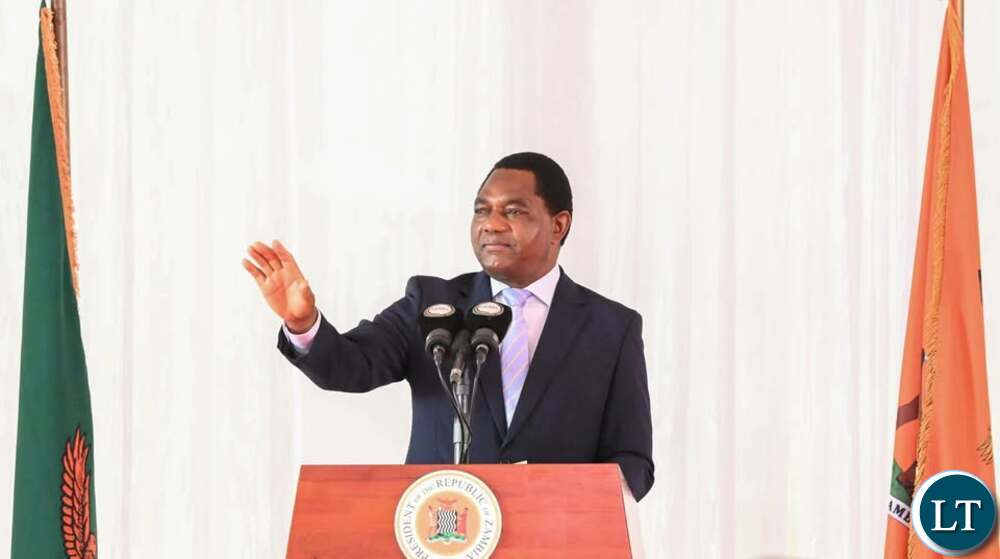
Lusaka, November 26, 2025 — President Hakainde Hichilema has unveiled a comprehensive strategy to tackle Zambia’s deepening electricity crisis and build a more resilient, diversified energy future. Speaking during a State House briefing, the President pointed to the severe 2023–2024 drought the worst in years as the main culprit behind plummeting water levels at major hydropower stations, which in turn triggered widespread power shortages nationwide.
The impact has rippled through homes, businesses, salons, restaurants, and small industries, fueling public frustration that the President acknowledged as entirely understandable. “People are right to be concerned,” he noted, adding that the crisis laid bare just how vulnerable the country remains due to its heavy reliance on hydropower.
In response, the government has activated a three-pronged plan: short-, medium-, and long-term interventions. Solar energy now sits at the heart of the immediate response, with new plants rising in Chisamba, Mansa, Milo, and beyond. The Chisamba site alone is expected to deliver 200 megawatts, while Mansa will add 50 MW. Additional solar segments are taking shape through private partnerships, reflecting growing investor confidence in Zambia’s renewable sector.
That confidence isn’t just theoretical. At the Milo project, one developer already reported early returns on investment and is preparing to reinvest. “They’re seeing results,” Hichilema observed, signaling that Zambia’s energy transition is attracting serious international interest.
To ensure consistent baseload supply, coal-fired generation will play a complementary role. The Mamba Phase Two project is slated to add 300 MW once online. Meanwhile, a major private investment by United Capital Fertilizer promises 600 MW in total, with the first 150 MW expected to come online as early as April or May next year moves the President says will push the country toward energy surplus.
A particularly ambitious component of the plan? Delivering at least 2 MW of solar power to every constituency. Designed to power schools, clinics, local industries, and communities, this decentralized approach aims to lighten the load on the national grid while boosting reliability where it’s needed most.
Recent regulatory reforms have also opened the door wider for independent power producers. Private citizens, companies, and even Members of Parliament can now invest in energy projects without bureaucratic hurdles. The introduction of net metering further empowers households generating their own solar power to feed surplus electricity back into the grid a step toward a more participatory energy ecosystem.
Beyond solar and coal, wind and other emerging renewables are on the horizon. Several pilot projects are already underway across different regions, and the Ministry of Energy plans to publish a full public dashboard listing all active developments, their capacities, and locations.
But generating more power isn’t enough getting it to consumers matters just as much. That’s why the government is simultaneously upgrading transmission infrastructure. New and reinforced power lines will be essential to move electricity from remote generation sites to urban and rural demand centers without bottlenecks.
Transparency remains key. The President pledged clear, accurate updates on project timelines and generation targets, calling energy security a “national priority.” With droughts likely to recur, diversifying the energy mix isn’t optional it’s existential.
Looking ahead, Hichilema expressed confidence that the combined push solar, coal, hydro, and private capital will not only restore stability but position Zambia for sustained energy-led growth. “These projects are underway,” he said. “We ask for patience as we build a system that won’t fail us again.”