
Parliament Approves K253.1 Billion 2026 National Budget
Parliament has passed the K253.1 billion 2026 National Budget, bringing to a close the budget approval process for the coming financial year and clearing the way for implementation of government spending plans aimed at stabilising the economy and sustaining development momentum.
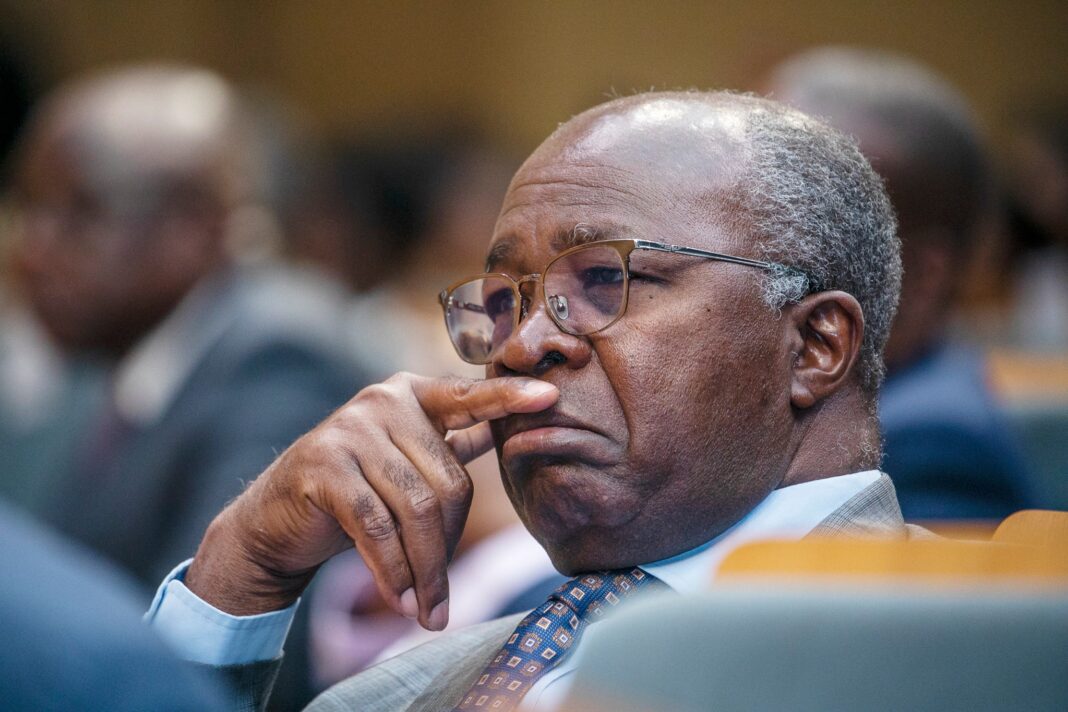
The approval followed debate in the National Assembly in Lusaka, where Members of Parliament considered the budget presented by Minister of Finance and National Planning Situmbeko Musokotwane. The House adopted the budget after voting, confirming Parliament’s consent to the government’s proposed expenditure framework for 2026.
Presenting the budget earlier, Mr Musokotwane told lawmakers that the 2026 spending plan was designed to consolidate economic gains achieved under the New Dawn administration while addressing persistent structural challenges. He stated that the budget prioritised macroeconomic stability, debt management, social protection, and investment in key productive sectors.
According to highlights outlined during the debate, the 2026 budget places emphasis on education, health, infrastructure development, and enhanced Constituency Development Fund allocations. The government indicated that increased resources would be directed toward service delivery at local level, with the aim of improving livelihoods and supporting inclusive growth.
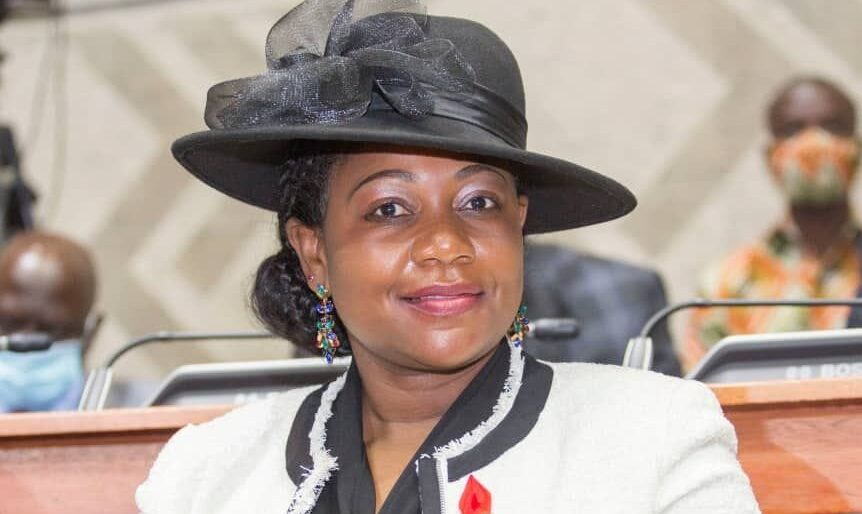
During the sitting at which the budget was approved, Speaker of the National Assembly Nelly Mutti presided over proceedings as Members of Parliament from both sides of the House contributed to the debate. Lawmakers raised issues relating to fiscal discipline, debt sustainability, revenue mobilisation, and the effectiveness of public expenditure.
Supporters of the budget argued that the proposed allocations reflected the government’s commitment to economic recovery and long-term development. They maintained that continued investment in education, health, agriculture, and infrastructure would help create jobs, strengthen human capital, and improve living standards.
Several Members of Parliament also welcomed the emphasis on social protection programmes, noting that vulnerable households continued to face pressure from the cost of living. They said targeted interventions were necessary to cushion citizens while broader economic reforms take effect.
On the other hand, some lawmakers expressed reservations about the budget, raising concerns over revenue projections and the capacity of institutions to implement planned programmes efficiently. Questions were also raised about borrowing levels and the need to ensure that public funds are utilised prudently.
In responding to issues raised during the debate, the Minister of Finance and National Planning assured Parliament that the government remained committed to fiscal discipline and transparency. He said the budget had been crafted within a framework that sought to balance expenditure needs with realistic revenue expectations, while continuing engagement with creditors and cooperating partners.
The approval of the 2026 National Budget comes at a time when Zambia is seeking to strengthen economic stability following years of fiscal strain. The government has stated that prudent budget execution, combined with structural reforms, is expected to support growth and rebuild confidence in the economy.
Following Parliament’s approval, the budget will be operationalised at the start of the 2026 financial year, with ministries, provinces, and other spending agencies expected to align their programmes with the allocations approved by the House. Oversight committees of Parliament are also expected to monitor implementation to ensure accountability and value for money.
The passage of the budget marks a key milestone in the legislative calendar and provides the financial framework within which government policies and programmes will be implemented in 2026. As the focus shifts from approval to execution, attention is likely to centre on whether the planned spending translates into tangible improvements in public services and economic outcomes.




Wow this is a first Ground breaking Historic amount
Kudos!!!, great thing is that, no” tulyemo by thieves” PF and such.