
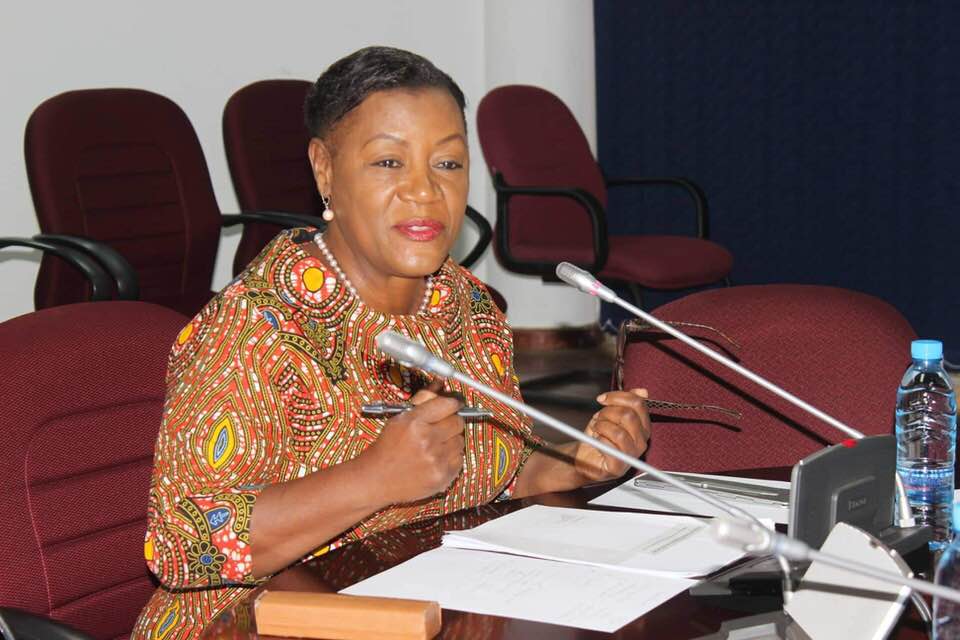
Constitution Treated as Executive Project, Says Kateka
New Heritage Party president Chishala Kateka has accused President Hakainde Hichilema of treating the Constitution as a personal instrument following the enactment of Constitution Amendment Bill No. 7, arguing that the process undermined constitutional safeguards, weakened public participation, and set a troubling precedent for governance.
Kateka said the manner in which the amendment was introduced, debated, and passed reflected executive dominance over a process that should have been inclusive, consultative, and grounded in constitutional procedure. She said constitutional reform required broad national consensus and strict adherence to judicial guidance, rather than reliance on parliamentary numbers and political expediency.
She argued that the amendment process departed from established principles governing constitutional change, particularly the requirement for meaningful public consultation. According to Kateka, citizens were denied adequate opportunity to understand, interrogate, and influence changes that directly affect the country’s governance architecture.
Kateka further criticised the disregard of Constitutional Court guidance, saying the court had previously emphasised the need for extensive public participation in constitutional amendments. She said proceeding without addressing those concerns amounted to institutional defiance and weakened respect for constitutional oversight.
She said constitutional provisions were not ordinary policy instruments that could be altered at will, but foundational rules that governed the relationship between the state and citizens. According to Kateka, altering such provisions without national buy-in eroded democratic legitimacy and public trust.
Kateka accused the Executive of manipulating parliamentary processes to advance changes whose long-term implications had not been adequately examined. She said provisions relating to proportional representation were introduced in a manner that limited scrutiny and debate, depriving the public of clarity on how such changes would affect electoral outcomes and political representation.
She said the process transformed the Constitution from a shared national document into what she described as a personal project driven by executive preference. According to Kateka, this approach risked reducing constitutional governance to the discretion of those in power, rather than anchoring it in collective consent.
Kateka warned that normalising such conduct could open the door to future amendments that further centralised power, weakened checks and balances, and reduced the independence of key institutions. She said constitutional amendments should strengthen democratic safeguards, not dilute them.
She also expressed concern about the broader implications for the rule of law, arguing that when constitutional processes are perceived as politically engineered, public confidence in legal institutions diminishes. According to Kateka, citizens begin to view constitutional rules as flexible tools rather than binding constraints.
Kateka said Zambia’s constitutional history was shaped by struggle and compromise, making it imperative that changes to the document be approached with restraint and humility. She said the Constitution belonged to the people and should reflect national consensus rather than partisan interests.
She said the current approach risked polarising the country by framing constitutional reform as a contest between political camps rather than a collective national exercise. According to Kateka, this polarisation undermined the legitimacy of the amendments and heightened political tension.
Kateka also questioned the timing of the amendment, saying it occurred amid economic hardship and social strain that limited public engagement. She argued that pressing ahead under such conditions further weakened the credibility of the process.
She said the amendment had shifted focus away from pressing economic and social challenges facing citizens, drawing attention instead to political restructuring whose benefits were unclear to ordinary households. According to Kateka, constitutional reform should not distract from governance priorities that directly affect livelihoods.
Kateka said the consequences of the amendment would become clearer over time, particularly as the country moved closer to the next general elections. She warned that disputes over constitutional legitimacy could complicate electoral processes and undermine confidence in outcomes.
She said restoring confidence required recommitting to inclusive governance and respect for institutional boundaries. According to Kateka, future constitutional reforms should be guided by dialogue, transparency, and strict adherence to legal standards.
Kateka maintained that constitutional authority derived from the people, not from political office. She said leaders were custodians rather than owners of the Constitution and should exercise that responsibility with restraint.
The criticism adds to ongoing public debate over the implications of Constitution Amendment Bill No. 7 and the broader direction of governance reforms. As the country adjusts to the changes introduced by the amendment, questions about process, legitimacy, and institutional balance continue to shape political discourse.




As Zambia grows, the country must expand its legal minds and public participation, not shrink them. The Constitution is not a personal instrument for any single leader; it belongs to the people. Treating constitutional reform as an executive project undermines safeguards and sets a dangerous precedent. Broad consultation and respect for judicial guidance are essential if we want a governance system that truly serves all Zambians. Let’s insist on inclusive, lawful processes that protect our democracy.
National dance troupe in parliament