
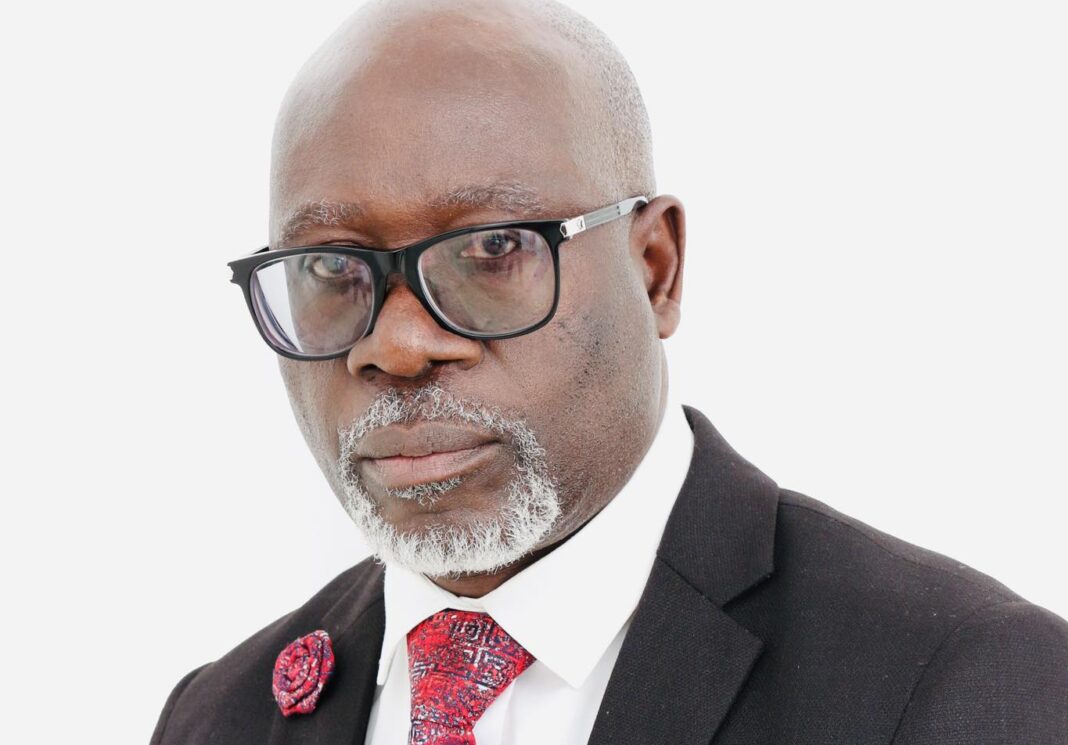
A public exchange between former diplomat Emmanuel Mwamba and Lusaka-based church leader Bilon Kalumbinga has escalated into a sharp war of words over political rhetoric, religious institutions, and the state of governance in Zambia.
The exchange follows Kalumbinga’s public criticism of Mwamba’s recent commentary on the Drug Enforcement Commission’s summoning of Lusaka Archbishop Alick Banda. Kalumbinga had accused Mwamba of using alarmist language, particularly references to “civil conflict,” which he said risked misleading the public and stirring unnecessary fear.
In response, Mwamba has issued a pointed rebuttal, rejecting the accusation of incitement and challenging Kalumbinga’s consistency in defending Archbishop Banda. Mwamba questioned the church leader’s silence during earlier episodes in which Archbishop Banda was subjected to public attacks, hostile rhetoric, and police action.
Mwamba asked where Kalumbinga’s voice was when Archbishop Banda was publicly labelled “the Lucifer of Zambia,” when criminal charges against Batuke Imenda were withdrawn after remarks targeting the Archbishop, and when police officers reportedly kept Archbishop Banda outside the Cathedral of the Child Jesus for several hours. He also questioned Kalumbinga’s silence regarding content circulated by Koswe, a media platform Mwamba described as being run by State House staff, which he accused of promoting defamatory and hateful material against the Archbishop.
Responding directly to criticism over his use of strong language, Mwamba defended his references to potential unrest by citing international assessments. He said the International Monetary Fund’s 2023 country report warned that Zambia was facing economic, social, and political pressures severe enough to risk civil unrest. He added that a 2024 report by Human Rights Watch International expressed similar concern, warning that tensions could culminate in popular uprising.
Mwamba said his commentary was intended as a caution, not incitement. He argued that Zambia is at a fragile moment and accused President Hakainde Hichilema of failing to recognise the depth of public frustration. He alleged that the administration has enacted repressive and archaic laws, promoted what he described as authoritarian governance, and prolonged public suffering through the handling of load shedding, power cuts, and the rising cost of living.
He rejected suggestions that his commentary lacked legitimacy because he is outside the country, saying his past arrests, harassment, and torture were precisely because he spoke openly about governance and state conduct while living in Zambia.
Mwamba framed his writing as an extension of long-standing criticism of what he described as tyranny, injustice, and reckless governance, insisting that distance from the country does not invalidate his perspective or warnings.
The exchange has drawn public attention not only because of the individuals involved, but because it reflects broader national tensions around governance, law enforcement, religious institutions, and political expression. While Kalumbinga has urged restraint and responsible communication, Mwamba maintains that strong language is justified by what he views as the gravity of Zambia’s current challenges.
The confrontation highlights a widening divide over how national concerns should be articulated, where the line lies between caution and alarm, and who bears responsibility for the consequences of political speech in a polarised environment.



Balefwayafye ulubuli
What church does Mr kalumbinga lead?
All this is because of the Presidents failure to have dialogue with his opponents. How normal is it that a country can go for 4 years without dialogue among political stakeholders. And you go to Tanzania to go and preach the importance of dialogue to foreigners when you cant have it in your own country