Government has announced emergency measures to tackle a serious food shortage affecting Nyimba District, especially in the valley areas where more than 5,000 households urgently need relief food.
Vice President Mutale Nalumango said persistent food insecurity in the district is mainly caused by poor rainfall and ongoing human-wildlife conflict, which have made farming extremely challenging.
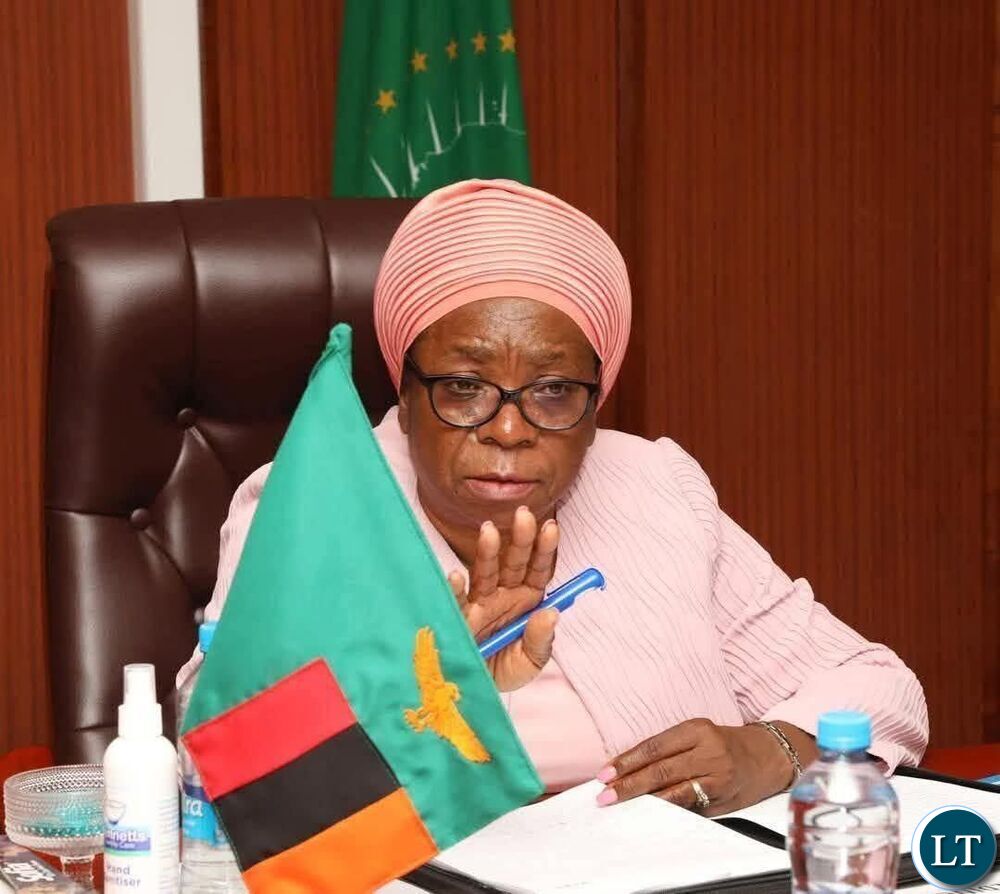
She made the remarks in Parliament yesterday during a question-for-oral-answer session, responding to Nyimba Member of Parliament Menyani Zulu, who sought clarification on whether government is aware of the hunger situation and what actions are being taken to support affected communities.
Nalumango explained that valley areas receive very little rainfall, making crop production difficult. She added that animals such as elephants and hippos frequently destroy crops, contributing to the district’s chronic food shortages.
According to the 2024/2025 in-depth vulnerability and assessment report, Nyimba District has 24,713 people — about 5,149 households — who require urgent humanitarian assistance.
She noted that around 4,000 households in accessible parts of Nyimba have already received relief supplies. However, roughly 1,000 households in remote villages have not yet been assisted due to access challenges.
To address the crisis, government, through the Disaster Management and Mitigation Unit (DMMU), has delivered and pre-positioned relief food in the district. The supplies include 677 bags of rice weighing 50 kilogrammes each and 41 bags of beans of the same weight for immediate distribution.
Nalumango also said additional food aid will be sent to the most isolated areas. Government plans to deliver 25 metric tonnes of mealie meal and 50 metric tonnes of beans to Mboroma, across the Luangwa River, to support families in urgent need.
She added that deliveries to hard-to-reach villages will be routed through Mkushi because of poor road access. The relief intervention, she said, forms part of broader efforts aimed at addressing immediate hunger while working toward long-term solutions to strengthen food security in Nyimba District.