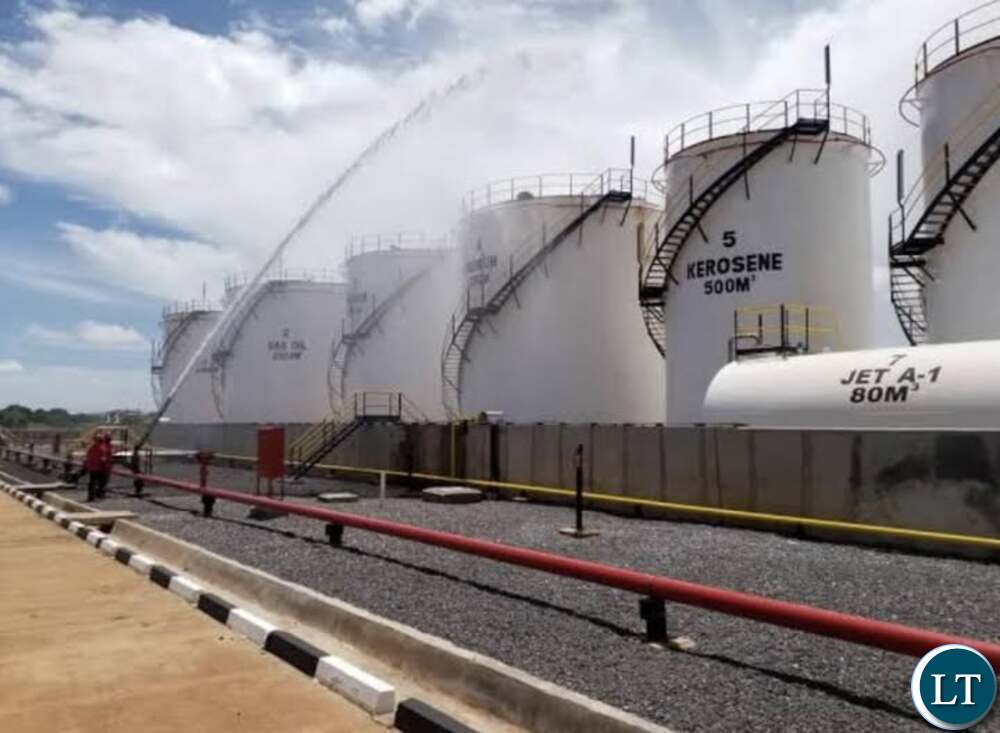
Government has revamped three strategic petroleum storage depots in Mongu, Mansa and Chipata as part of measures to mitigate the impact of ongoing conflict in the Middle East on fuel supply.
The three depots have a combined storage capacity of 20 million litres and complement existing facilities in Ndola and Mpika.
According to a statement issued by Ministry of Energy Permanent Secretary Ephraim Munshifwa, the upgraded facilities are expected to strengthen Zambia’s fuel reserve system and ensure steady supply across the country.
Munshifwa said Government is closely monitoring supply logistics to guarantee the continued availability of petroleum products, including those with lower stock levels.
He noted that global petroleum prices have risen significantly due to geopolitical tensions in the Middle East, which have disrupted supply chains and created uncertainty on the international oil market.
“Government is intensifying efforts to secure alternative sources of petroleum products to diversify supply chains, particularly if the current geopolitical tensions persist,” he said.
As of the latest update, diesel stocks stand at 285 million litres—equivalent to about 56 days of national cover based on an average daily consumption of five million litres.
Petrol stocks are at 40 million litres, representing 23 days of cover, while kerosene stocks stand at 65.9 million litres (9.3 days). Jet A-1 fuel stocks are at 1.6 million litres, translating into 10 days of national cover.
Munshifwa assured the nation that Zambia’s fuel supply remains stable, with sufficient stocks to meet demand.
He, however, cautioned against panic buying and urged suppliers to avoid hoarding fuel, warning that such practices could create artificial shortages.
Government, he said, will take firm action against any entities found engaging in such conduct.
Munshifwa added that authorities will continue to monitor global developments and implement measures to safeguard the country’s energy security and protect consumers.
Prior to the escalation of the conflict, crude oil prices averaged about US$78 per barrel but have since risen to approximately US$94 per barrel, placing pressure on domestic fuel pricing.
Despite the increase, Government maintained fuel prices in March as part of targeted interventions aimed at cushioning consumers, even as petroleum prices across African markets rose by about 30 percent.
He said Government is also engaging stakeholders across the petroleum value chain, including oil marketing companies, transporters and regional partners, to ensure coordinated and sustainable solutions.