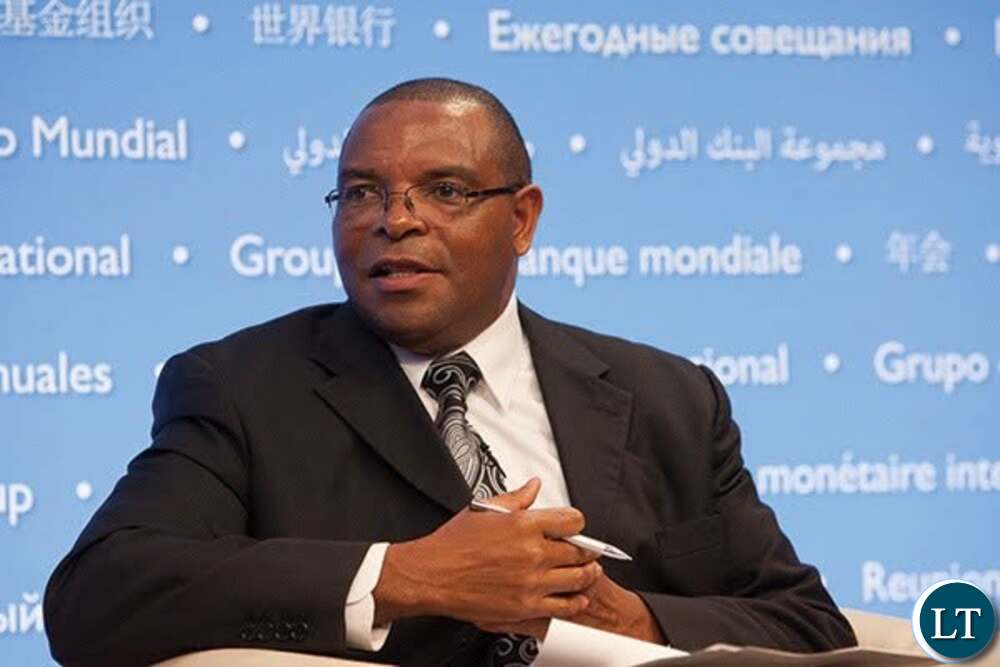
Bank of Zambia Governor Dr. Denny Kalyalya has cautioned against trivialising the country’s international reserves, saying they play a critical role in protecting the economy during times of crisis and economic uncertainty.
Speaking to journalists at the 60th Zambia International Trade Fair in Ndola, Dr. Kalyalya said it was unfortunate that some sections of society were downplaying Zambia’s gross international reserves of US$6.5 billion, describing the reserves as an essential requirement for every country.
“When you say you can’t eat reserves, yes, literally you can’t eat reserves, but the point is that, whether you like it or not, it affects your life,” Dr. Kalyalya said.
He explained that international reserves serve as a financial cushion, enabling the country to withstand economic shocks and unforeseen circumstances.
The Central Bank Governor noted that Zambia’s import cover currently stands at five months, meaning the country could continue financing imports for that period even if export earnings were temporarily disrupted.
“Import cover simply means that, if we don’t have inflows by way of exports, we should be able to survive on the reserves that we have accumulated. That’s what it means,” he said.
Dr. Kalyalya added that strong reserves also improve Zambia’s credibility with international lenders, making it easier for the country to access financing when necessary.
Meanwhile, Statistician General Sheila Mudenda said Zambia’s economic structure has changed significantly since the last Gross Domestic Product (GDP) rebasing exercise, making it necessary to update the country’s national accounts.
She said the emergence of new industries and changes in the contribution of existing sectors to the economy have made the rebasing exercise essential to accurately reflect Zambia’s economic performance.
Ministry of Finance and National Planning economist Tamara Chirwa-Sitali said Government expects the GDP rebasing exercise to increase the size of the economy, resulting in an improved debt-to-GDP ratio.
Speaking during a panel discussion organised by the Zambia Statistics Agency (ZamStats) under the theme “GDP Rebasing: Why It Matters and Its Implications for Zambia,” Zambia Development Agency economist Peter Musangu said a lower debt-to-GDP ratio would enhance Zambia’s attractiveness to investors by reducing investment risk.
BoZ Director of Economic Research Kegan Chisha also stressed the importance of timely GDP data, saying it is critical for effective monetary policy formulation and inflation forecasting.