
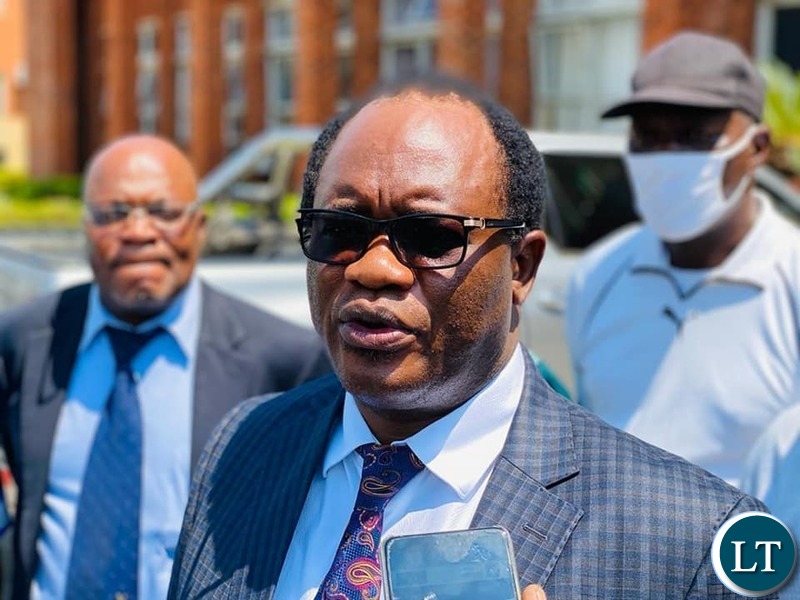
The Anti-Corruption Commission (ACC) has summoned Brian Mundubile as part of an ongoing inquiry, placing the political figure within the scope of current enforcement activity examining issues of compliance and accountability.
The summons represents a procedural step used by the ACC to obtain information, seek clarification, and assess matters under review. At this stage, no specific details of the inquiry have been outlined, and no charges have been indicated. The process remains at a fact-finding level, where authorities gather information before determining whether further action is necessary.
A summons in this context does not imply wrongdoing. It forms part of standard investigative procedures by the ACC, allowing individuals to respond to questions, provide documentation, and clarify issues that may arise during an inquiry. The distinction between investigation and conclusion remains central, with outcomes dependent on verified findings rather than initial actions.
The Anti-Corruption Commission operates within a mandate that includes investigating suspected cases of corruption, promoting integrity within public institutions, and ensuring adherence to legal frameworks governing conduct. Summons issued by the Commission enable investigators to build a factual basis for any decisions that may follow.
The inclusion of a political figure in such processes highlights the reach of accountability mechanisms across different areas of governance. Investigations can extend beyond administrative structures to include individuals where questions arise, reflecting the role of oversight institutions in maintaining standards across public life.
The current development comes within a broader environment where enforcement agencies have intensified scrutiny on financial transactions and institutional processes. Separate investigations have examined public fund management, including transactions involving significant financial amounts and questions around procedural compliance.
These parallel developments point to a pattern of oversight that spans both institutional systems and individual conduct. While each case is assessed independently, the broader framework reflects a continued focus on ensuring that established procedures are followed.
In the absence of detailed information regarding the specific matter under review, the current stage of the process remains limited to the confirmed action of a summons. Further steps, if any, will depend on the outcome of the inquiry and the findings derived from the information gathered.
The process also underscores the importance of procedural safeguards. Investigations are structured to ensure that conclusions are based on evidence, with mechanisms in place to protect the integrity of the process and the rights of individuals involved. This includes adherence to legal standards governing investigations and the handling of information.
Public communication around such developments typically focuses on confirmed actions rather than speculative conclusions. Reporting at this stage is limited to the existence of the inquiry and the procedural steps taken, without extending to assumptions about outcomes.
The summons therefore marks the beginning or continuation of an investigative pathway, rather than its conclusion. The focus remains on establishing facts, assessing compliance, and determining whether any further action is warranted under the law.
As the inquiry proceeds, attention will remain on official updates and confirmed developments. Any subsequent action will be guided by the findings of the investigative process and the legal provisions governing the Commission’s mandate.




The lowest ebb in the history of Zambia
In Zambia, the way to State House is through a prison. Only Levy and Lungu avoided prison.
So if you are aspiring to be a Zambian President it’s better to change your name to start with an L.
That way you avoid prison.
Mundubila was engaged in business dealings with the government. He was awarding himself fraudulent contracts that were excessively priced. Ultimately, no work was accomplished. This is the manner in which they operated. He is a significant thief. He appeared on the Costa show, admitting to conducting business with the government. How was he obtaining these contracts? It was through backdoor bribery of the entire system that approved these fraudulent contracts. It is imperative to never allow anyone in government to engage in business with the state. Never. His businesses cannot thrive without government contracts.
I thought you were not an investigative officer nor a prosecutor nor a judge. Certain things leave them to competent authorities instead of giving us trash!
They have become accustomed to receiving unearned money, which is why he is striving to return as president, so they can continue their previous actions of destroying the country and stealing.
@Magaba, it is unnecessary for you to be an investigator to comprehend how these individuals operated. It is mindsets like yours that have contributed to the current predicament of this country. This is the manner in which the Eurobond funds were distributed, through contracts. I once attempted to provide certain machinery to the government from Canada. That tender was awarded to individuals within the government. They procured inferior equipment from China at a significantly inflated price compared to what I intended to supply, which would have been durable for many years. This is how they functioned; Kambwili was indeed telling the truth.