
Contrasting narratives over Zambia’s economic performance have sharpened ahead of the August 2026 general elections, with government and opposition figures presenting competing interpretations of current conditions and what they mean for households.
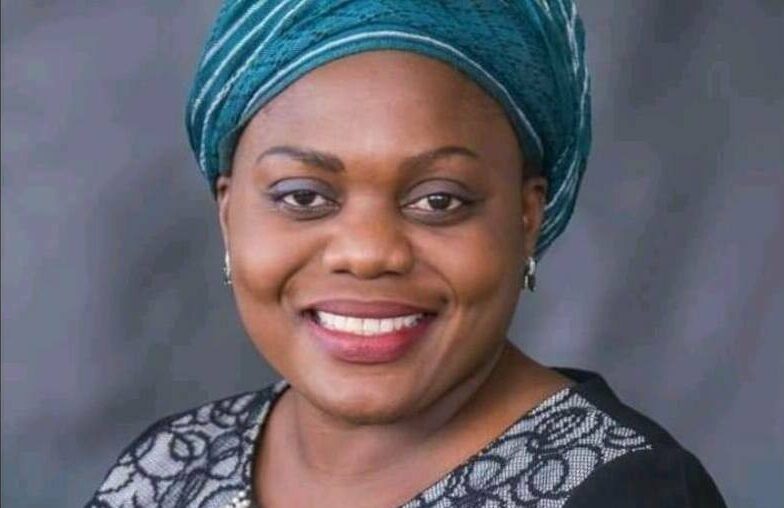
Opposition messaging has centred on the cost of living, with criticism focused on rising prices of essential goods and the pressure placed on consumers. National Democratic Congress president Saboi Imboela said the economic situation has worsened, arguing that the cost of basic commodities has increased beyond the reach of many households. She pointed to challenges in affordability, delayed economic relief, and persistent pressure on daily expenses.
The opposition perspective frames the economy through lived experience, focusing on how price changes are felt in households rather than how they are measured statistically. This approach places emphasis on everyday consumption, where food prices, transport costs, and essential goods remain central to financial pressure.
Government messaging, however, has focused on indicators showing stabilisation. Data released by the Zambia Statistics Agency shows inflation has slowed to 7.1 percent, down from 7.5 percent recorded in February. The figure remains within the six to eight percent target band, indicating that the pace at which prices are rising has moderated.
Food inflation has also eased to 7.8 percent from 8.2 percent, reflecting changes in the prices of staple commodities such as mealie meal, maize grain, rice, vegetables, and cooking oil. Non-food inflation declined to 5.9 percent from 6.5 percent, influenced by price movements in construction materials, fuel, and motor vehicles.
The government position emphasises that these indicators point to improving price stability. Slower inflation reduces the rate at which costs increase, providing a more predictable environment for households and businesses. It also supports economic planning and policy stability.
At the same time, growth figures present a more complex picture. Zambia’s economy grew by 1.6 percent in the fourth quarter of 2025, a sharp drop from 8.3 percent recorded in the same period in 2024. The decline of 6.7 percentage points reflects a slowdown in economic momentum, even as growth remains positive.
Annual GDP growth for 2025 stands at 3.8 percent, based on preliminary estimates. The figure reflects continued expansion across sectors including agriculture, construction, manufacturing, and transportation, which contributed to overall output during the year.
Trade performance has also shifted. Cumulative total trade declined by 5.6 percent, falling from K105.2 billion in February 2025 to K99.3 billion in February 2026. The reduction points to changes in both imports and exports, with implications for economic activity and external balance.
The contrast between slowing inflation and moderating growth highlights a key dynamic in the current economic environment. While price pressures are easing, the pace of expansion is not accelerating at the same rate. This creates a situation where stability in indicators does not immediately translate into relief for households.
Inflation, even when slowing, still represents rising prices. Goods and services continue to cost more than they did a year ago, even if the rate of increase has declined. This distinction remains central to how the economy is understood across different audiences.
The divergence in narratives reflects this difference. Government focuses on stabilisation and measurable indicators, while opposition voices emphasise lived experience and affordability challenges. Both perspectives draw from the same economic environment but highlight different aspects of it.
As the election approaches, economic performance is expected to remain a central issue in political engagement. Cost of living, price stability, and growth trends are likely to shape how voters assess current conditions and future direction.
The interaction between statistical data and public perception will continue to influence how the economy is framed. While indicators provide structured measurement, the interpretation of those indicators varies depending on context and perspective.



In election year, they will project as if things are okay, On the ground zero, their own national youth chairman said pa ground sipali bwino before he was silenced by his own party.We had loadshedding for 4 years and Dangote told us in the face that no country grows without adequate energy which we did not have for 4 years. Just start working and see if you can win people in the 5 months remaining, otherwise the UPND government performance has been below par
Infact if opposition were freely allowed to practice their democratic rights of mobilisation and assembly and PF not targeted and disturbed, UPND was going to be beaten hands down in the elections, and this was going to be adjudged as a no contest.
LIES, PROPAGANDA ARE THE ORDER OF THE DAY
It’s election year
Fuel prices around the world up around 20%
Yet we assured cheaper fuel coming down ???
NDC President SI is just blowing hot air. Any justification? Nothing.
Govt. is giving out statistics to justify their convincing claims, the right thing to do.
Meanwhile the thieves are desperately trying to get back in office, messed up opposition.
Meanwhile other thieves have been stealing the past five years.
Since the police are yes men and media are lapdogs we have to wait until these thieves lose elections.
No credible opposition to vote for at the moment. Even Imbolela Saboi if asked how to bring down fuel prices and other essential goods, she will just smile and continue criticising.
@Kanjimano her smile would bring down fuel prices. Just look at those cheeks! Vote for Imboela!