Milenge district in Luapula Province has recorded 23 cases of lymphatic filariasis related conditions this year so far.
These comprise 16 cases of hydrocele and seven of lymphedema (elephantiasis).
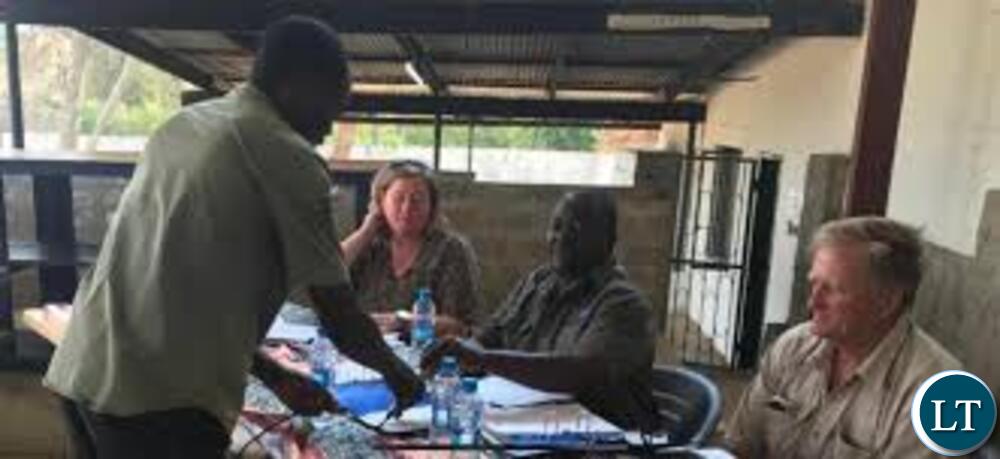
Speaking during a stakeholders’ engagement meeting on the disease, University Teaching Hospital (UTH) Urologist, Chewe Takusanikwa, said the condition remains endemic in the area and continues to pose serious health and socio-economic challenges.
Dr Takusanikwa explained that lymphedema, particularly in its severe form, can lead to significant deformities of the limbs and reduced mobility, ultimately affecting an individual’s ability to work and sustain their livelihood.
“The cases we are seeing are not just medical issues but socio-economic concerns. Once a person’s mobility is affected, their ability to earn a living and support their family is compromised. This is why early detection, treatment, and prevention are critical,” he said.
He added that all identified patients will be linked to appropriate care.
Dr Takusanikwa said those suffering from hydrocele are expected to undergo surgery once medically cleared, while lymphedema patients will receive care kits to help manage symptoms.
He further explained that the kits are meant to assist patients in maintaining proper hygiene and reducing complications such as fluid leakage and odour, conditions that often contribute to stigma.
Dr Takusanikwa attributed the persistence of the disease in Milenge to its geographical location near the Luapula river, which provides a conducive environment for mosquito breeding.
He urged community members to adopt preventive measures, including clearing stagnant water, maintaining clean surroundings, and correctly using insecticide-treated nets (ITNs).
“ITNs are meant to protect families from mosquito-borne diseases and should not be misused. Prevention remains key, as the long-term effects of lymphedema can lead to permanent disability,” he said.
Dr Takusanikwa also encouraged both children and adults to actively participate in mass drug administration programmes, noting that early intervention significantly reduces the risk of developing the disease later in life.
Meanwhile, chief Sokontwe of the Ushi people in Milenge district described the situation as alarming and called on the community to take the condition seriously.
Speaking through his representative, Musonda Chitalima, the traditional leader urged residents to avoid associating the disease with traditional beliefs, as this often delays access to proper medical treatment.
He further emphasised the need for clear and accurate health messaging to ensure communities fully understand the causes, prevention, and effects of the disease.