Wednesday, June 10, 2026
15.4 C
Lusaka
Home Blog Page 106

ZAWAPA Rejects Move to Repeal National Assembly Law

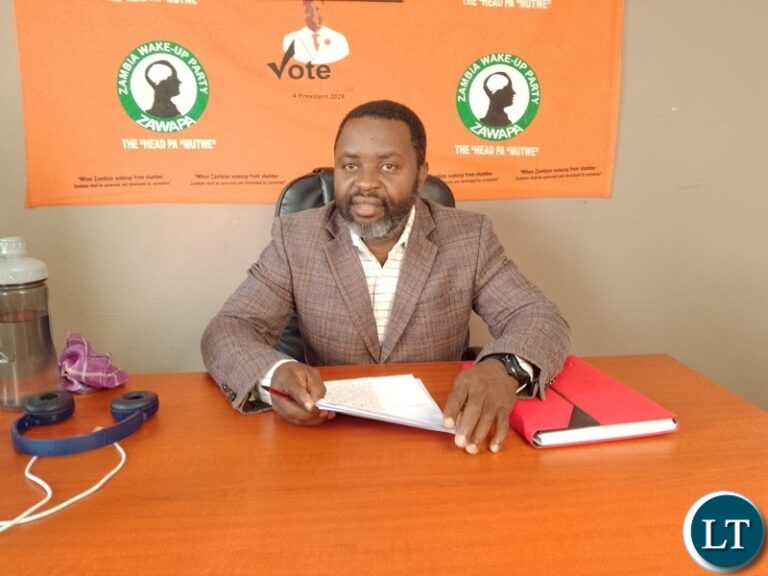
The president of the Zambia Wake-Up Party (ZAWAPA), Howard Kunda, has rejected and condemned the decision taken during the third Cabinet meeting of 2026 to repeal the National Assembly Powers and Privileges Act.

In a press statement, Kunda described the move as an assault on democracy and questioned the timing of the decision, noting that it comes only weeks before the dissolution of Parliament.

He said the government had failed to act on the matter for four years and was now attempting to make changes at the last minute.

“This is not reform—it is desperation. It is a government scrambling to look busy, pretending to work, when in reality they are undermining one of the three arms of government,” Kunda said.

Kunda stated that the National Assembly is a key institution of the people and that its powers and privileges should not be altered without broad consultation.

He emphasized that any proposed changes to such laws must involve input from citizens, civil society, and other stakeholders.

The ZAWAPA leader also questioned the government’s actions over the past four years, describing the decision as political theatre rather than governance.

Kunda said the party would not support what it termed as efforts to weaken Parliament and called on citizens to oppose the move.

He added that Zambians deserve accountability and not last-minute actions.

Nyasulu Says Zambians Ready for Government Change

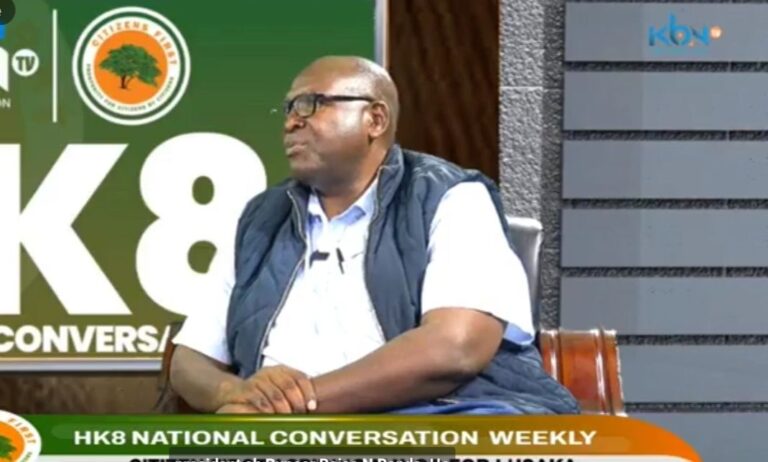
Citizens First Lusaka mayoral aspiring candidate Victor Nyasulu says Zambians have made up their minds to change government, citing the combined results of three recently held by-elections.

Speaking when he featured on the HK8 Weekly Conversation programme on KBN, Nyasulu said it is time for opposition political parties to identify a winning formula to unseat the United Party for National Development (UPND) in the August 2026 elections.

He said opposition parties should focus on explaining to citizens why they are a better alternative to the current administration.

“We need to find a winning formula. A casual analysis of the three recently held by-elections indicates that all the opposition results put together were much more than what the UPND got. All these by-elections are saying what Zambians are saying—they have made up their minds,” Nyasulu said.

Nyasulu further urged opposition political parties to avoid what he described as intra-opposition competition and conflicts, stating that their primary contest should be with the ruling party.

“I believe that Memoranda of Understanding among opposition political parties are very important. Imagine a situation where all the aspiring opposition presidential candidates sit in one room and produce a single unified candidate and running mate,” he said.

Meanwhile, Nyasulu, who is also a former Zambia Medicines and Medical Supplies Agency director general, said he had reasons for moving from the UPND to the Patriotic Front (PF) and now to Citizens First, adding that his loyalty is to what he considers best for Zambia.

“I am loyal to what is good for Zambia, and Zambians ought not to worry. I think at a certain time solutions to our problems will be found. Because of the dynamism of our politics and life, different parties are good for different times. The mistreatment I received from government made me leave UPND,” he said.

President Hichilema attends Zambia Tech Conference

0

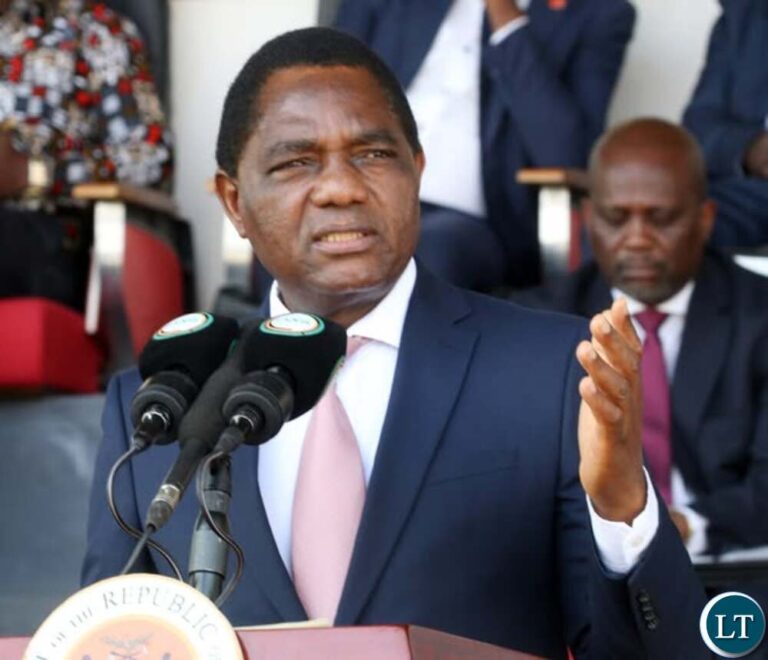
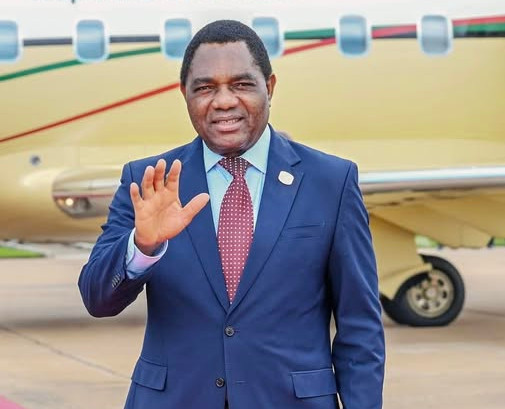
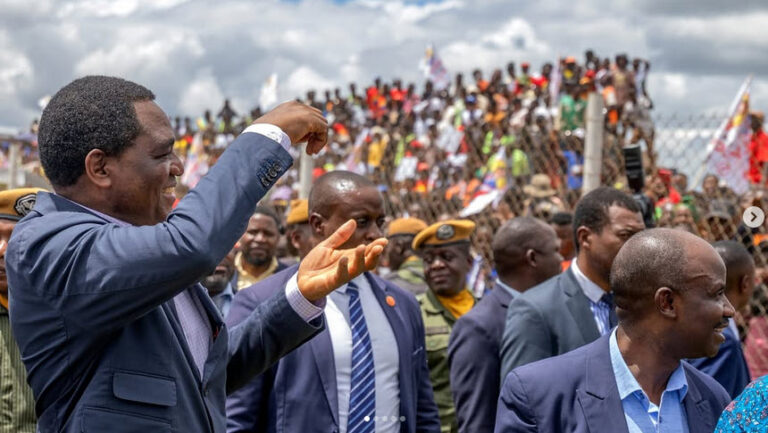
President Hakainde Hichilema is in Livingstone for a one-day working visit to officiate at the 2026 ICT Association of Zambia Tech Conference and Annual General Meeting.

The President was received by Southern Province Minister Credo Nanjuwa, Minister of Tourism Rodney Sikumba, Presidential Advisor Levy Ngoma, and members of the Provincial Joint Operations Committee (PJOC).

Upon his arrival, residents of Livingstone and party officials turned up in large numbers to welcome the Head of State, creating a lively atmosphere as they gathered to receive the President.

President Hichilema will officiate at the ICT Association of Zambia Tech Conference and Annual General Meeting, an event aimed at strengthening collaboration and dialogue within Zambia’s technology sector.

The conference being held at the Avani Victoria Falls Resort, has attracted various stakeholders from the ICT industry, government institutions and the private sector.

Participants at the meeting will also discuss emerging issues and opportunities in the technology and ICT space, with a focus on innovation, digital transformation and the role of technology in supporting national development.

CAF undermining African football – Ponga Liwewe

8

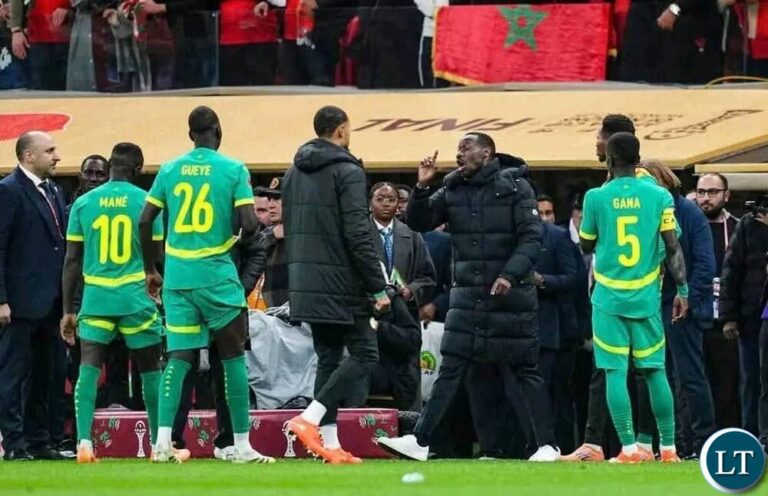
Respected African football expert Ponga Liwewe has expressed his shock over the decision by the Confederation of African Football (CAF) to strip Senegal of their 2025 Africa Cup of Nations title.

Morocco have been declared winners of the 2025 AFCON after CAF overturned the result of their final defeat to Senegal.

A statement from CAF said that Senegal are “declared to have forfeited the final match” with the result of the match being recorded as 3-0 in favour of Morocco.

In an interview with Icengelo Christian Magazine, Liwewe, a football administrator and commentator, says CAF’s decision undermines the credibility of African football.

“I think it is a big shock, because as we all know the match was continued on the field of play and completed on the field of play, so I’m surprised that months later CAF would come up and say because of the walkout by Senegal the result is being reversed and that Morocco will walk away with a 3-0 win,” Liwewe said.

“I’m surprised because the match was resolved on the field. Both teams came back and agreed to play on and so it is a strange decision,” he said.

Senegal is expected to take the matter to the Court of Arbitration for Sports (CARS).

“We have never seen this kind of event. How many World Cups have we had or Olympic Games or Champions League, we have never seen a result overturned in a boardroom for any serious competition,” Liwewe said.

The former FAZ General Secretary is anticipating CARS to uphold the decision made on the pitch.

“So this decision undermines the credibility of our own African football when they make such decisions. Hope that the result on pitch will stand because it is definitely a blow to the credibility of African football,” he said.

By Valentine Mukuka (Managing Editor – Icengelo Magazine)

51 year old Kalabo man nabbed for incest

Police in Kalabo District have arrested a 51-year-old man in connection with a case of incest involving a female juvenile.

Western Division Police Commissioner, Rae Hamoonga said in a statement that the incident was reported at Kalabo Police Station on March 13, 2026 at 16:20 hours.

Mr Hamoonga disclosed that the offence is alleged to have occurred between March 7, 2026 around 20:00 hours and March 8, 2026 around 05:00 hours at Mungongo Village in Chief Katushi’s area of Kalabo District.

He said police investigations revealed that the suspect allegedly had unlawful carnal knowledge of a female juvenile aged seven years.

“Following the report, officers instituted investigations which led to the apprehension of the suspect who is currently in police custody,” Mr Hamoonga said.

He added that the victim was taken for medical examination while the suspect is expected to appear in court soon.

“The Zambia Police Service strongly condemns all forms of sexual abuse against children and wishes to warn members of the public that such criminal acts attract serious legal consequences,” he said.

He further stated that police will continue to pursue and bring to justice anyone involved in crimes against vulnerable members of society.

Mr Hamoonga has since urged members of the public to report any suspected cases of abuse in their communities to the nearest police station.

President Hichilema expected in Nakonde

0

President Hakainde Hichilema is tomorrow, Thursday, March 19, 2026, expected in Nakonde district, Muchinga Province for a one day working visit.

Muchinga Province Minister Njavwa Simutowe who confirmed the visit of the President says while in Nakonde district, the President will commission the Nakonde One Stop Border Post (OSBP) and hold meetings with various stakeholders including the traditional leadership.

The media reports that Mr Simutowe has stated that the commissioning of the Nakonde One Stop Border Post which is a flagship project, is a testament to the government’s commitment towards enhancing regional trade, improving efficiency and fostering economic growth between Zambia and Tanzania.

The Provincial Minister adds that commissioning of the facility marks a significant milestone in the decentralization agenda and trade facilitation efforts by the government.

“The Nakonde One Stop Border Post is expected to drastically reduce the time and cost of doing business at the crucial entry point thereby boosting commerce and strengthening the ties between Tanzania and Zambia,” he said.

Meanwhile, Nakonde residents have commended the government for upgrading the Nakonde One Stop Border Post (OSBP) which has come with a lot of benefits.

Wigan Sinkonde has stated that the facility will boost regional trade and create job opportunities among other.

Mr Sinkonde has explained that the facility has new digital systems, aimed at reducing truck dwell times from 64 hours to 10 hours, is of great importance to the region.

“With this facility, a lot of people here will benefit and this facility will also reduce crime levels,” he said.

And one of the drivers talked to, Salu Musonela stated that the shift towards modern, cashless payment systems is designed to minimize delays, reduce revenue leakage and simplify compliance.

“We spend a lot of time clearing through taking documents to the Zambian side and back to the Tanzanian side, the upgrading of this facility is a great move which will help us reduce on delays,” he said.

Headwoman Found Murdered in Nyimba, One Suspect in Custody

1

A 66-year-old village headwoman in Chieftainess Mwape’s area in Nyimba District, Eastern Province, has been murdered under unclear circumstances.

The deceased, identified as Ireen Soko, headwoman of Kalongo Village, was found dead in the early hours of Monday, March 16, 2026.

Eastern Province Police Commanding Officer Robertson Mweemba confirmed that the body was discovered by passersby around 06:00 hours, dumped in a nearby garden.

According to police, the body was lying in a pool of blood and had a deep gash above the left eyebrow as well as another cut on the forehead.

Mweemba said the victim’s daughter reported hearing a disturbance at her mother’s house around 02:00 hours on the same day and later saw three unknown individuals fleeing from the scene.

Investigations led to the recovery of blood-stained clothing believed to belong to one of the suspects, identified as Paulo Sakala.

Police said Sakala admitted ownership of the clothes during interrogation and indicated that he acted together with another individual.

A manhunt has since been launched for the second suspect, who remains at large, while investigations into the matter continue.

Morocco Awarded AFCON 2025 Title After CAF Strips Senegal

2

The Confederation of African Football (CAF) has officially stripped Senegal national football team of their 2025 Africa Cup of Nations (AFCON) title, with Morocco national football team declared champions following a ruling by the governing body’s Appeal Board.

The decision follows a formal complaint lodged by Morocco regarding the controversial final, which Senegal had originally won 1–0 after extra time.

CAF determined that Senegal’s actions during the match, including a protest that disrupted play, were in violation of tournament regulations. As a result, the Appeal Board awarded the match to Morocco on a 3–0 forfeit.

The ruling means Senegal lose the title they had celebrated, while Morocco are now confirmed as the official winners of AFCON 2025.

The decision brings to a close one of the most dramatic and disputed finals in the tournament’s history.

DEC Clarifies Ownership of Libala Property and Seized Vehicles

0

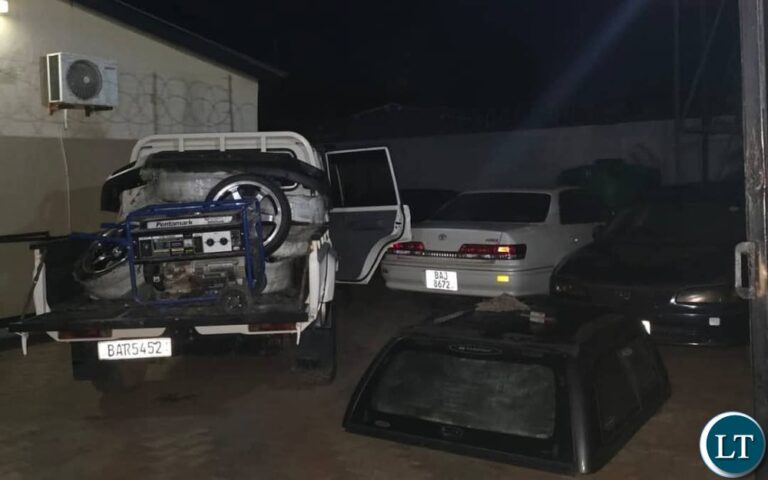
The Drug Enforcement Commission (DEC) has stated that an abandoned house and several motor vehicles recovered in Lusaka’s Libala Stage 4 do not belong to former president Edgar Lungu.

The development follows a verification exercise conducted by the commission on Monday after receiving reports from members of the public بشأن a suspected abandoned property.

According to a statement issued by DEC public relations officer Allan Tamba, officers visited House Number 12 along Mbila Street, where they discovered six motor vehicles parked within the premises under unclear ownership. The vehicles include a white Toyota Land Cruiser, a white Toyota Mark II, two Toyota Corollas, a Toyota Axio, and an unregistered Toyota Cresta.

Other items recovered from the property include 12 new R17 wheels, two laptop bags, a generator set, a loudspeaker, a suitcase, and a box containing company documents.

Tamba said assertions circulating on some media platforms suggesting the properties belong to the former president are unfounded, noting that investigations are still ongoing.

The commission has since secured the vehicles and other items as it continues efforts to establish the rightful owner of the property. DEC has also urged members of the public to verify information before sharing it, warning that unverified claims may cause unnecessary panic and stress.

However, lawyers representing Dalitso Lungu have disputed the commission’s claims, stating that the property and items were neither abandoned nor illegally kept.

In a statement posted on the law firm’s Facebook page, lawyer Isaac Simbeye said their client was shocked by DEC’s actions, alleging that officers forcibly entered the secured residence and removed vehicles without a warrant.

Simbeye stated that none of the seized properties were abandoned, adding that all vehicles and items were securely stored and showed no signs of vandalism.

He further said Dalitso Lungu has consistently cooperated with law enforcement agencies, honouring all summons and facilitating inspections when requested.

The lawyer alleged that despite this cooperation, DEC officers conducted what he described as an “overnight raid” and failed to produce a search warrant when asked.

He added that officers proceeded with their actions even after being informed that the matter involving the vehicles is already before the Court of Appeal.

According to the lawyer, documents in their possession indicate that the property belongs to the late former president and that all property rates were fully paid as of February 26, 2026, disputing claims that the house was abandoned.

The family has maintained that there was nothing concealed at the property and that the matter is already before the courts.

Meanwhile, DEC said the vehicles have been secured and investigations into the ownership of the property are ongoing, with the public expected to be informed once inquiries are concluded.

Mwewa’s Despicable and Degrading Stereotype Remarks Against Women in Politics

By Amb. Emmanuel Mwamba

Besides his seemingly good civic work and duty, Chitambala Mwewa is many times known for his contraversial remarks and behaviour.

He has been sued several times and has actually been convicted and gone to prison for this.

I’ve just watched a video broadcast where Mwewa claims that decent women in politics in Zambia are so rare that they could barely number two on his fingers.

I looked at the female MPs, Ministers and party leaders both in the ruling and Opposition, and many do not fit this generalised description confidently offered by Mwewa.

He says almost all the women in Zambian politics are either being abused by male gatekeepers such as Chairmen or Secretary Generals or are in unstable relationships, single or are not or cannot hold a marriage.

He also took a swipe at female youths in politics claiming that they are all slay queens.

We all know that politics in Zambia is dirty and there is determined efforts by many individuals that have joined the politics to help clean the mess and root out corruption, immorality and help steer the nation to its declared Christian status with a nation whose people fear God and actually walk and practice christian values in public life.

The trouble with Mwewa’s remarks is that he is generalising cases, brushing troubling behaviour with one single brush stroke and literally enforcing unfounded prejudice against women, the very thing that keeps women away from politics, and a matter we are fighting to encourage them to participate in politics and be part of the decision-making porcess of our country.

He also assumes that single women are immoral, stereotyping, stigmatizing, and discriminating against them for not being married.

I also recognise that there are reports that as political parties begin to adopt candidates for positions MPs, Mayors, Council Chairperson and Councillors, there are male members of political party structures or party leadership that seek sexual or corrupt favours in return for adoption.

Where there is this predatory sexual behaviour by male gatekeepers, it should immediately be reported and perpetrators named, shamed, arrested and prosecuted.

Further where there is lewd, indecent and obscene behaviour, a matter that Mwewa has also expressed concern, it is imperative that the political leadership bring this to a halt.

In my view, Mwewa must have focused his remarks on what must be done than make absurd, express unfounded stereotypes and prejudicial allegations that almost paint all women and youth in politics as highly immoral, slay queens and cannot maintain a marriage or partner relationship.

Our women require encouragement, not insults, and the nation desires that we have a moral, credible, incorruptible leadership.

It’s a tall order, but Mwewa’s insults do not help.

Cabinet clears 24-hour economy with Hichilema backing

President Hakainde Hichilema has backed the introduction of a 24-hour economy following Cabinet approval of a policy designed to expand productivity, extend business activity, and increase economic output across Zambia. This initiative reflects the government’s commitment to fostering an environment conducive to business growth.

The decision marks a significant shift in how economic activity will be structured, with government setting a direction that encourages round-the-clock operations in sectors capable of sustaining continuous production and service delivery. Cabinet’s approval provides the policy foundation, while Hichilema’s backing places the initiative at the centre of Zambia’s economic agenda, demonstrating the importance of Cabinet in shaping economic strategies.

Hichilema has positioned the 24-hour economy as part of a broader strategy to drive growth, create employment, and improve utilisation of existing infrastructure. Extending operational hours allows businesses to maximise capacity, increase output, and generate additional revenue without necessarily expanding physical infrastructure, highlighting the role of Cabinet in facilitating these changes.

The policy is expected to affect multiple sectors, including manufacturing, retail, transport, and services. Businesses operating under the model will have the opportunity to run shifts that extend beyond traditional working hours, creating space for increased productivity and new job opportunities.

Cabinet’s approval signals government’s commitment to implementing the framework, with institutions now expected to align their operations to support extended economic activity. This includes adjustments in labour structures, service provision, and regulatory oversight.

Energy supply has emerged as a central issue in discussions around implementation. Fuel availability and pricing remain critical factors that will determine how effectively businesses can operate under a 24-hour model. Reliable energy is essential for sustaining continuous production, transport, and service delivery.

Recent concerns around fuel supply have added complexity to the rollout. Reports of uneven availability and the possibility of price adjustments linked to global market conditions have raised questions about how businesses will manage operating costs under extended hours.

Hichilema’s administration has acknowledged the importance of aligning supporting systems with the policy direction. Ensuring stable fuel supply, consistent electricity provision, and adequate infrastructure remains central to the success of the initiative.

The relationship between energy and economic activity is direct. Transport systems depend on fuel to move goods and people, while industries require both fuel and electricity to sustain production. Any disruption in these inputs can affect output and increase operational costs.

Government is expected to address these challenges through coordinated measures aimed at stabilising supply chains and supporting key sectors. The objective is to create an environment in which businesses can operate predictably and efficiently under extended hours.

The policy also introduces changes in how labour is organised. Businesses adopting a 24-hour model will need to implement shift systems, adjust working conditions, and ensure compliance with labour regulations. These changes will require careful management to balance productivity with worker welfare.

Hichilema’s backing reflects a broader push to reposition Zambia’s economy toward higher levels of efficiency and output. The approach aligns with efforts to create jobs and expand economic participation, particularly among young people entering the workforce.

Public response to the policy has reflected both optimism and caution. The potential for job creation and increased economic activity has been widely acknowledged. At the same time, concerns remain about whether supporting systems are sufficiently developed to sustain continuous operations.

Cabinet’s decision places responsibility on multiple institutions to ensure that the policy is implemented effectively. Coordination between government agencies, private sector players, and service providers will be essential in translating the framework into practical outcomes.

The introduction of a 24-hour economy represents a structural shift rather than a short-term measure. Its success will depend on how well different components of the economy adapt to the new model and how effectively challenges are managed.

Hichilema’s endorsement signals strong political support for the initiative, reinforcing its position as a key element of Zambia’s economic direction. The administration has framed the policy as a pathway toward increased productivity and long-term growth.

The coming period will be critical in determining how the model is rolled out and how businesses respond to the opportunities and challenges it presents. Implementation will require adjustments across sectors, with outcomes shaped by both policy execution and market conditions.

The interaction between fuel supply, pricing, and extended operations will remain a central factor. Ensuring that energy inputs remain stable will be essential in maintaining confidence among businesses and sustaining momentum.

The policy places Zambia on a path toward a more flexible and extended economic structure, with the potential to reshape how work and production are organised. The extent to which this potential is realised will depend on alignment between policy, infrastructure, and operational capacity.

Zambia seizes vehicles amid ownership dispute involving Dalitso

A dispute over the ownership of seized vehicles has escalated following government action targeting assets believed to be linked to ongoing investigations, drawing a response from an individual identified as Dalitso, who has challenged the basis of the seizure.

Authorities moved to take control of several vehicles under circumstances that have not been fully detailed publicly, but which appear connected to enforcement activity aimed at verifying asset ownership and compliance with existing regulations. The action has brought into focus questions about how such seizures are conducted and the processes used to determine ownership.

Dalitso, who has emerged as a central figure in the dispute, has contested the move, arguing that the vehicles in question are not abandoned and that their seizure lacks justification. The response has shifted the matter from an enforcement issue into a broader legal and administrative contest.

The situation reflects the complexities involved in asset seizure processes, particularly where ownership is disputed. Government agencies typically rely on established procedures to identify, verify, and, where necessary, take control of assets believed to fall within the scope of investigations. These processes are intended to ensure that actions are grounded in law and supported by evidence.

At the same time, individuals affected by such actions have the right to challenge decisions through legal channels. Disputes of this nature often hinge on documentation, registration records, and the ability to demonstrate legitimate ownership.

The case involving Dalitso highlights the importance of clarity in how asset seizures are communicated and executed. Where information is limited or contested, disputes can quickly escalate, drawing public attention and raising questions about due process.

Authorities have not publicly detailed the full basis for the seizure, but the action suggests that the vehicles were identified within the context of broader enforcement activities. These may include efforts to address compliance issues or investigate potential irregularities linked to asset ownership.

Dalitso’s challenge introduces a competing narrative, asserting that the vehicles were neither abandoned nor subject to conditions that would justify their seizure. The claim places emphasis on the need for clear evidence and adherence to procedural standards.

The dispute has drawn attention to the legal frameworks governing asset seizure in Zambia. These frameworks are designed to balance enforcement objectives with the protection of individual rights, ensuring that actions taken by authorities are both lawful and proportionate.

Public reaction has reflected interest in how the matter will be resolved. Cases involving asset seizure often generate scrutiny, particularly where there are competing claims over ownership and questions about the basis for enforcement action.

The broader implication is that such disputes can influence perceptions of institutional processes. Ensuring transparency and accountability in how decisions are made remains central to maintaining public confidence.

The situation also highlights the role of documentation in establishing ownership. Vehicle registration records, purchase agreements, and other forms of evidence are likely to play a critical role in determining the outcome of the dispute.

With this developing matter, legal processes are expected to take precedence, providing a structured pathway for resolving competing claims. Courts and relevant authorities will ultimately determine the validity of the positions presented.

Government’s action signals an ongoing focus on enforcement and compliance, while the response from Dalitso underscores the importance of due process and the right to challenge administrative decisions.

The coming period will determine how the dispute is resolved and what implications it may have for similar cases in the future. The outcome will be closely watched as a measure of how effectively the system handles contested enforcement actions.

Chief Mpezeni raises alarm over sex-for-adoption claims

Chief Mpezeni has issued a strong warning over allegations that women are being asked to provide sexual favours in exchange for political adoption, placing the issue at the centre of a growing national concern over the integrity of candidate selection processes.

The traditional leader’s remarks have brought immediate attention to claims that have been circulating within political circles, where individuals seeking adoption to stand in elections are said to have faced pressure to engage in inappropriate conduct. The allegations, which remain untested in formal proceedings, have nonetheless triggered widespread reaction due to their seriousness and potential implications.

Chief Mpezeni framed the matter as both a political and cultural concern. He emphasised that practices of this nature, if proven, would conflict with values of dignity, respect, and accountability that underpin both traditional leadership and public life. His intervention reflects the role of traditional authorities in speaking out on issues that extend beyond formal governance structures into societal norms.

Candidate adoption processes represent a critical stage in Zambia’s political system. Political parties rely on these processes to select individuals who will represent them in elections, making their integrity central to the credibility of the entire electoral framework. Allegations of exploitation within this stage therefore carry weight far beyond internal party dynamics.

The claims suggest that some individuals seeking adoption may have encountered demands for sexual favours in exchange for endorsement. These reports have raised concerns about whether safeguards within political systems are sufficient to prevent abuse and ensure fairness.

Chief Mpezeni’s response has amplified calls for accountability. His remarks have shifted the issue into the national spotlight, prompting discussion across different sectors of society. The involvement of a traditional leader adds moral authority to the conversation, reinforcing the expectation that political processes should reflect broader societal standards.

The allegations have also highlighted the position of women within political structures. Participation in politics is widely seen as a key element of democratic representation, yet claims of coercion raise questions about whether that participation is taking place on equal and fair terms. Ensuring that individuals can engage without facing exploitation remains a central concern.

Public reaction has reflected a mix of concern and expectation. Many citizens view the adoption process as a gateway to leadership, making it essential that it operates transparently and without undue influence. Allegations of misconduct risk undermining confidence in the system, particularly at a time when political activity is increasing.

Political parties have not uniformly responded to the claims, but the issue has drawn attention to the need for internal accountability mechanisms. Adoption processes are typically governed by party rules rather than external regulation, placing responsibility on parties to enforce standards and address misconduct.

The broader context includes preparations for future elections, where competition for adoption positions is expected to intensify. This environment can increase pressure on individuals seeking endorsement, making the presence of clear safeguards even more important.

Chief Mpezeni’s remarks suggest that traditional leadership is prepared to engage more directly in discussions around political conduct. His intervention indicates that issues of integrity within political systems are not viewed as isolated matters, but as part of a wider societal framework that requires adherence to shared values.

The situation also raises questions about how allegations of this nature should be handled. Establishing clear channels for reporting, investigating, and resolving complaints remains critical to ensuring that concerns are addressed effectively. Without such mechanisms, claims risk remaining unresolved while continuing to erode trust.

The impact of the issue extends beyond individual cases. It touches on the broader perception of political institutions and the standards they uphold. Maintaining confidence in these institutions depends on the ability to demonstrate fairness, transparency, and accountability.

Chief Mpezeni’s statement has created momentum for further discussion. The issue is now likely to remain in focus as stakeholders consider how to respond and what measures may be required to strengthen integrity within political processes.

The attention generated by the allegations reflects their seriousness and the expectations placed on those involved in public life. Political leadership carries responsibilities that extend beyond formal roles, requiring adherence to standards that reflect both legal and societal expectations.

The coming period will determine how the issue is addressed. Responses from political parties, institutions, and other stakeholders will shape perceptions of whether the system is capable of dealing with such challenges.

Chief Mpezeni’s intervention has ensured that the matter will not be easily overlooked. His remarks have brought the issue into clear view, reinforcing the expectation that political processes must operate in a manner that upholds dignity and accountability.

Zambia resists US push tying HIV support to mineral access

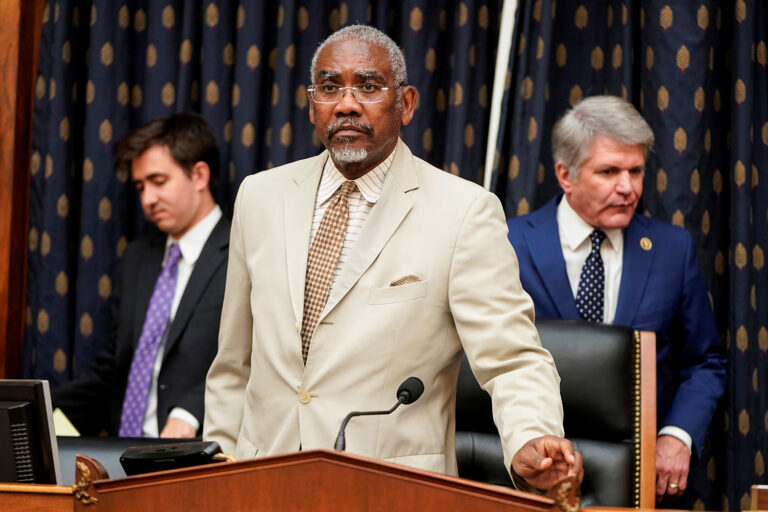
A United States congressman has condemned proposals linking health support to access to Zambia’s mineral resources, placing fresh international attention on ongoing discussions between Lusaka and Washington over HIV funding and strategic minerals.

The remarks, reported in the Daily Revelation, add a new dimension to an issue that has already drawn scrutiny within Zambia following investigative reporting and public reaction captured across multiple publications. At the centre of the matter is whether cooperation in the health sector, particularly support for HIV programmes, should be connected to mineral access arrangements.

The congressman’s criticism sharpens concerns that such proposals risk crossing a line between development support and resource negotiation. His intervention signals unease within sections of the US political establishment about how engagement with Zambia is being structured, particularly where sensitive sectors intersect.

On the Zambian side, findings reported in News Diggers show that government has taken a firm position, resisting any framework that would tie health cooperation to concessions in mining. Officials have indicated that mineral policy remains governed by national laws and long-term economic priorities, and should not be shaped by external funding arrangements.

The dual narrative emerging from the two sides reflects a widening tension. While Zambia is seeking to maintain control over its resources, the involvement of a US lawmaker highlights that the issue is no longer confined to technical discussions between officials but has entered the political space.

Zambia’s health sector remains heavily supported by international partnerships, particularly in programmes addressing HIV. These partnerships have historically operated within structured frameworks that separate health support from broader economic negotiations. Any attempt to merge these areas introduces questions about precedent, policy direction, and long-term implications.

At the same time, Zambia’s mineral sector continues to attract global interest. The country holds significant deposits that are central to supply chains linked to industrial production and emerging technologies. This has increased the strategic value of its resources, placing them at the heart of international engagement.

The convergence of these two realities has created a complex policy environment. On one side is the need to sustain critical health programmes; on the other is the imperative to protect national control over strategic assets.

Public sentiment, reflected in reader feedback carried in News Diggers, shows that the issue has resonated beyond policy circles. Views such as calls for Zambia to retain its minerals even at the cost of external support illustrate the depth of feeling surrounding resource sovereignty. These reactions underscore how the issue has shifted into the national consciousness, where it is being interpreted through both economic and political lenses.

Government’s position, as outlined in reporting across the papers, is that cooperation remains open but must be structured within clearly defined boundaries. Officials have emphasised that partnerships should align with Zambia’s development agenda and legal frameworks, rather than introduce conditionalities that could influence policy in unrelated sectors.

The congressman’s intervention complicates the picture further. By publicly condemning the approach, he introduces pressure within the US system itself, suggesting that not all stakeholders are aligned on how such engagement should proceed. This raises the possibility that discussions could evolve as positions on both sides are reassessed.

The issue also highlights broader shifts in how countries negotiate development support and resource management. As global demand for critical minerals rises, resource-rich countries are increasingly navigating proposals that extend beyond traditional aid structures. Zambia’s response reflects an attempt to manage this changing landscape while maintaining policy independence.

Within government, consultations are understood to be ongoing, with technical assessments examining the implications of different engagement models. These include how proposed arrangements would interact with existing mining laws, investment frameworks, and health sector strategies.

The balancing act remains delicate. Health programmes require continuity and stability, particularly those addressing HIV, while mineral resources represent long-term economic leverage. Aligning these priorities without compromising either has become central to current decision-making.

Diplomatic engagement between Zambia and the United States is continuing, with both sides maintaining channels of communication. However, the emergence of public criticism from a US lawmaker and strong domestic sentiment in Zambia indicates that the issue has moved beyond quiet negotiations.

What is now unfolding is a test of how Zambia manages competing pressures in a global environment where economic interests and development partnerships increasingly intersect. The outcome will shape not only the immediate discussions but also future approaches to similar engagements.

The position taken by government suggests a clear direction: resource policy and health cooperation will be handled separately, with each governed by its own framework. Whether that stance holds under continued international engagement remains a central question as discussions progress.

Different Parliamentary Approaches Highlighted in Education Debate

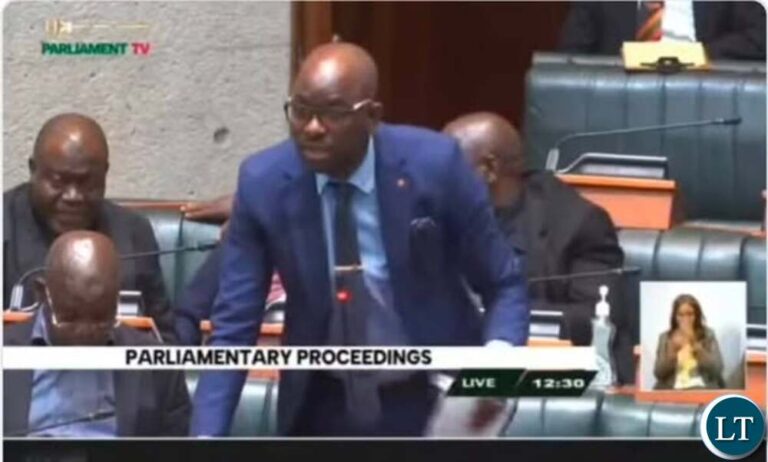
A contrast in parliamentary approaches has emerged between Christopher Kang’ombe and Binwell Mpundu over how issues concerning the education sector are being raised in the National Assembly.

This follows a scheduled response by the Ministry of Education (Zambia) to a question submitted by Kang’ombe regarding teachers who have not yet been placed on the government payroll.

Kang’ombe is said to have followed established parliamentary procedure by submitting a formal question, which was subsequently placed on the order paper. The Minister is expected to respond on the floor of the House, after which Members of Parliament will be given an opportunity to ask follow-up questions.

Observers note that this structured approach promotes clarity, accountability and allows for meaningful engagement on national issues.

In contrast, Mpundu recently raised a matter of urgent public importance concerning student payments, a move that effectively compelled the Minister to respond immediately in Parliament.

However, some of the claims raised were disputed, prompting the Minister to challenge their accuracy. The situation escalated when Mpundu was asked to apologise for allegedly misleading the House, which he did not do, resulting in his suspension.

The development has sparked debate on the importance of adhering to parliamentary procedures when raising national concerns.

Analysts suggest that while holding the Executive accountable remains critical, a more strategic and orderly approach could lead to more productive outcomes for the public.