Thursday, June 18, 2026
14.9 C
Lusaka
Home Blog Page 12

Nakonde health department targets zero maternal deaths

0

The Department of Health Services in Nakonde District has restated its commitment to eliminating all preventable maternal deaths across the district.

The renewed emphasis follows an incident at Nakonde Urban Clinic where a pregnant woman with severe hypertension and edema initially declined referral to the district hospital during a routine antenatal visit.

The patient was later counseled alongside her husband and subsequently agreed to transfer to the district hospital for specialised care.

Nakonde Urban Clinic In-Charge Bievenue Kalambote stressed the importance of adhering to medical advice given during pregnancy.

“When expectant mothers ignore professional guidance, they expose themselves and their unborn babies to serious complications that can be avoided,” Mr Kalambote said.

Mr Kalambote added that conditions such as high blood pressure and swelling were warning signs that required immediate clinical assessment and treatment.

“Dangers in pregnancy can escalate quickly if left unmanaged, and timely intervention saves lives,” Mr Kalambote said.

He reaffirmed that achieving zero maternal mortality remained the guiding objective for all maternal and neonatal health services in the district.

And Nakonde Urban Clinic Nursing Officer Emily Chokolo has called on male partners to expectant women to participate actively in maternal health decisions.

Ms Chokolo noted that male involvement improves adherence to treatment plans and reduces delays in seeking emergency care.

“Men must accompany their spouses to antenatal visits, understand the risks, and support medical recommendations without hesitation,” Ms Chokolo said.

ZACA welcomes mealie meal price reduction

1

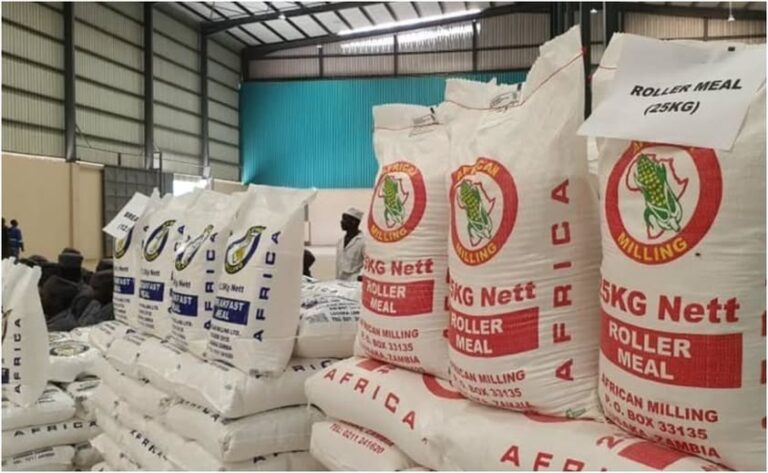
Zambia Consumers Association (ZACA) Executive Secretary, Juba Sakala has welcomed the reduction in the price of mealie meal, describing the move as a positive development for consumers.

Mr Sakala said maize meal remains a staple food for most Zambians and any reduction in its price, brings relief to households, especially in ensuring food security.

He however, expressed concern that the price reduction has not been uniformly implemented across all townships, urging that the development should benefit all consumers.

“The reduction of maize meal from K300 to about K220 in some areas is quite encouraging to most consumers. As we know maize meal is a staple food in Zambia, so if the staple food is affordable then we know that each and every Zambian at least will not go to bed hungry,” Mr Sakala said.

Mr Sakala urged that retail outlets in townships should also reflect the reduced prices to ensure that ordinary consumers directly benefit.

“So, we hope that this pronouncement will trickle down to the townships because these are the people who feel the pinch, they buy maize meal day in, day out. Whether in Pamela form, 1kg, so if the prices are just pronouncements, then that won’t help,” he said

He further called on millers and government to invest more in infrastructure that promotes value addition in the maize.

“Let’s see that we have outlets which are in the townships providing or selling those maize meals at that price that they have said, that will really help,” he said.

Mr Sakala said improving value addition in maize production could also encourage increased agricultural activity among farmers and reduce over-reliance on subsistence production.

He added that with proper infrastructure and deliberate policy support, more farmers could be encouraged to engage in maize production and related industries such as stock feed manufacturing.

“Besides that, we also want to urge millers and government let’s try at times to invest in infrastructure which will help us in value addition because most of the times maize is just not for feeding but we can also add value,” he said.

Chikwanda hails successful voter education in Mpika

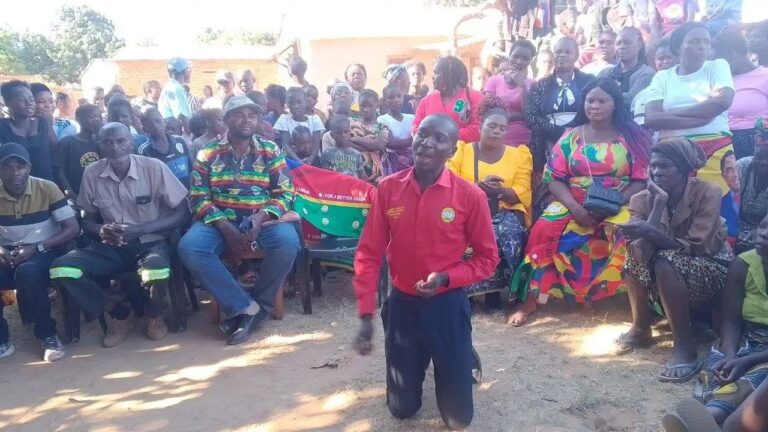
Mpika District Voter Education Coordinator Martha Chikwanda has expressed satisfaction with the successful implementation of voter education activities in Mpika District, describing the smoothly proceeding exercise so far as a success.

Ms. Chikwanda said that despite the Electoral Commission of Zambia’s voter education programme running concurrently with political party campaigns across the district, there have been no reports of conflicts between political parties and voter educators on the ground.

She noted that the parallel running of voter education and campaign activities was a potential area of concern before deployment, but both processes have so far been conducted in an orderly and peaceful manner, which she said is encouraging.

Ms Chikwanda added that from the time voter educators were deployed eight days ago, many communities across Mpika District have been reached and sensitised on their right to vote and the importance of electing leaders of their own choice.

Ms. Chikwanda noted that the response from community members has been overwhelmingly positive, with residents showing a keen interest in understanding the electoral processes ahead of the August 2026 general elections.

She has also urged voter educators to remain non-partisan and impartial when delivering voter education to various communities, stressing that their credibility depends on their ability to remain neutral at all times.

Meanwhile, the United Party for National Development (UPND) District Chairperson Mulenga Mwanashiku has appealed to all political parties in the district to continue upholding peaceful co-existence and campaign in a manner that respects the law and fellow citizens.

Mr Mwanashiku expressed happiness that political parties are adhering to the campaign timetable issued by the Electoral Commission of Zambia, describing the compliance as an encouraging sign of political maturity among competing parties in the district.

He pointed out that politics is about political parties selling their manifestos to the electorate and not about violence or insulting one another, urging all stakeholders to keep the campaign environment free of hostility.

And Mpika North Constituency aspiring candidate for National Reconciliation Party for Unity and Prosperity (NRPUP) Primos Chilumba has appealed to voters not to allow any politician to use them to cause violence or any abrogation against the electoral code of conduct.

He expressed concern the youths are major victims of political violence hence should not be fail victims to violent politicians at any cost.

“I hope the peace that we are enjoying now, will continue even after the announcements of election results after 13th August,” he said.

And Chilumba Bwalya, a voter from Mpika North Constituency, has appealed to various political parties to remain peaceful and to put the interest of the district first, adding that peace remains the strongest pillar upon which meaningful development can be built.

Mr. Bwalya warned that any form of political violence or instability would set back development gains already made in the district, and called on party cadres and supporters at all levels to exercise restraint and tolerance throughout the campaign period.

“There can never be tangible development without peace,” Mr Bwalya said.

He urged all residents of Mpika District, regardless of their political affiliation, to embrace dialogue and mutual respect as the country heads towards the general election.

Lundazi vaccinates over 40,800 children against polio

0

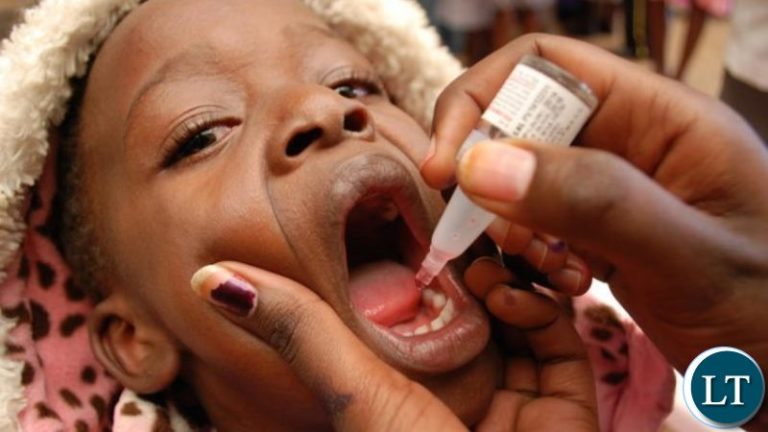
Lundazi District Health Department has vaccinated over 40,800 children below the age of five years in the second round of the polio vaccination campaign.

District Director of Health Services, Simon Mwale said the 40,834 children were reached against the target of 39,991.

This accounts to about 102 percent.

Dr. Mwale said the Department is encouraged with the target reached, adding that more children will be reached in the continuous polio vaccination programme to make the district free from polio.

The Health Administrator noted that the district’s proximity to Malawi makes it prone to increased polio cases.

He has commended all stakeholders for their part in achieving a hundred percent polio vaccination coverage.

“Despite being faced with challenges such as poor road net, the door to door second phase Polio Vaccination campaign was a success,” Dr Mwale said.

Govt. conducts graphite survey in Petauke

0

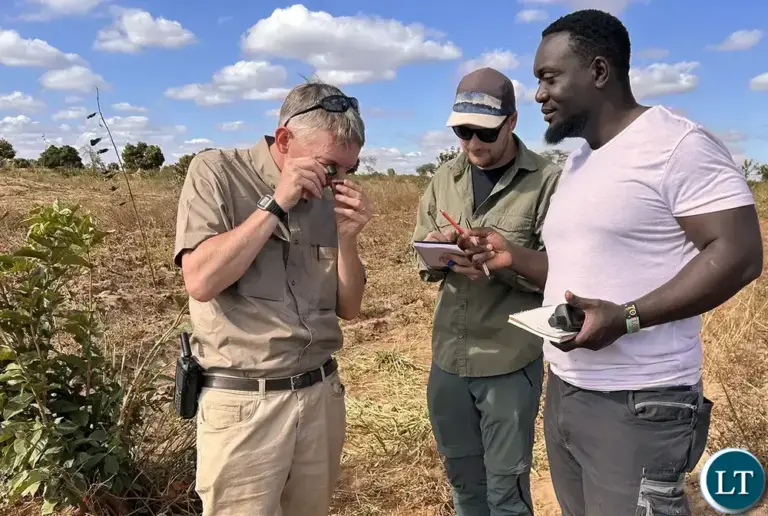
The Ministry of Mines and Minerals Development, working with the European Union Geological Surveys and the African Geological Surveys with funding from the European Commission is undertaking a research survey on graphite occurrences in Chief Mumbi’s Chiefdom in Petauke District of Eastern Province.

The survey is aimed at assessing the area’s graphite potential while updating the country’s geoscientific database and strengthening the capacity of local geologists.

Speaking during a courtesy call on Petauke District Commissioner Martha Mulenga, who was represented by District Administrative Officer Vincent Chibuye, Ministry of Mines and Minerals Development Senior Geologist Pamela Mukupa said the research will enhance geoscientific data and provide insights into potential futuristic economic benefits for the local community and nation at large.

Ms Mukupa noted that the project would also expose participating researchers to modern survey technologies and enhance their technical skills.

“Following the reconnaissance that was done last year, the mineral we are after is graphite; and graphite is a critical mineral for Zambia. So, this field research project is very important because our interest is not just on the economic part but also updating our geoscientific database from information obtained from the survey, as the Geological Survey Department for the ministry and also capacity building for the officers that are involved,” she said.

Meanwhile, Pan-African Support to Geological Sciences and Technology (PanAfGeo+) Local Consultant under the Zambia Country window Gertrude Phiri described the research as a significant undertaking that would contribute to the development of Zambia’s geoscientific expertise.

“This project is very important for our country because they are bringing geoscientific skills and imparting them in our geologists and they have state of the art equipment that can detect and determine the mineralization and I am sure Petauke will not be the same in the next few years to come depending on the graphite occurrences that will be discovered and definitely it is going to benefit the community and the country,” she said.

Research Team Lead Jaakko Avellan from the Geological Survey of Finland expressed optimism that the exercise would yield positive outcomes.

“We thank you for welcoming us to your district we hope to bring with this research we are doing fruitful results,” he said.

And Petauke District Commissioner Martha Mulenga, who was represented by District Administrative Officer Vincent Chibuye, assured the research team of the district’s full support throughout the exercise.

Ms Mulenga reaffirmed the government’s commitment to supporting research initiatives that have the potential to contribute to the country’s future economic development.

“Ours is to ensure that there is smooth execution of the assignment but also to ensure that there is smooth collaboration with all the stakeholders that is the traditional leadership, the community itself and everybody,” she said.

The research forms part of ongoing efforts to enhance Zambia’s understanding of its mineral resources and unlock opportunities presented by critical minerals such as graphite, which is increasingly in demand globally for use in batteries and other clean energy technologies.

Graphite is essential in the manufacturing of batteries, lubrication and also used in the melting of steel.

Five more districts to get health rooms in Central Province

0

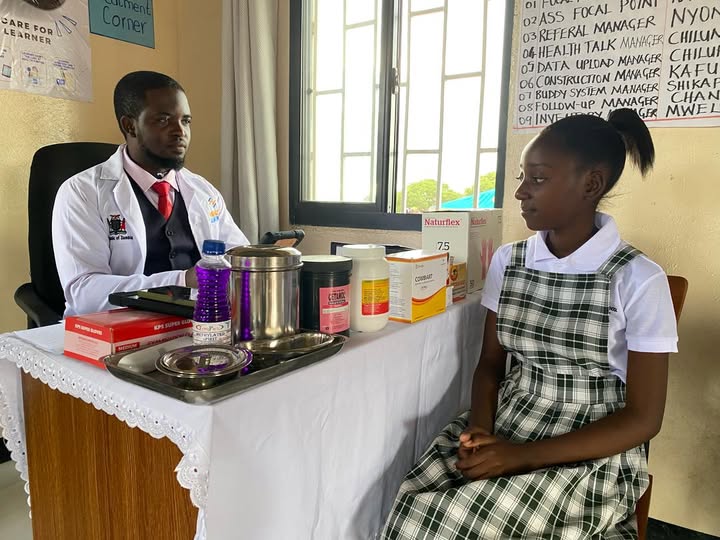
Healthy Learners, a non-profit organisation working to support the Ministry of Education and Health in implementing the School Health Program is planning to establish health rooms in five more districts in Central Province before April next year.

Healthy Learners Head of Policy and Government Engagement Muleta Kapatiso says the move is intended to ensure that more schools have health rooms to reduce absenteeism, manage chronic health conditions, and promote overall well-being of school pupils.

Speaking to The media in an interview, Mr Kapatiso said government will identify the districts and schools where the health rooms will be established while healthy learners provide the financial and technical support.

He disclosed that his organisation has established 870 health rooms across the country to provide learners with proper medical attention within a school setting and targets to establish 1,020 health rooms by December this year.

“In Central Province the program is currently operating only in Kabwe District. We plan to expand the program to five more districts before April next year,” he said.

He also reaffirmed Healthy Learner’s continued partnership with the government in fostering proper medical care in schools.

Over 1 million learners across the country have benefited from the health rooms initiative since March last year.

Why Hakainde Hichilema Remains the Only Choice for Zambia

Five years of hard reforms have repositioned Zambia from a defaulted, stagnating economy into one of Africa’s fastest-growing. The work is unfinished . and only one man can finish it.

 By M. Simuuwe – UPND

When Hakainde Hichilema took the oath of office in August 2021, he did not walk into a normal transition of power. He walked into a genuine national emergency a sovereign default, collapsed mines, gutted schools, and a decade of institutional decay that had been quietly eating away at the foundations of the country. What he has built in five years is nothing short of a national turnaround. On August 13, 2026, Zambia faces a decisive question: do we protect what we have built, or risk everything on the unknown?

A Nation Pulled Back From the Edge

The numbers tell a story that no political spin can fabricate. When President Hichilema assumed office, Zambia was posting a GDP growth rate of -2.8%, inflation had reached 22%, and the country had become the first African nation to default on its debt during the COVID pandemic. The economy was not just struggling,it was in freefall.

Today, those same indicators have been reversed. GDP growth is projected at 6.4% for 2026, inflation has been brought down to single digits, and Zambia’s gross international reserves now stand above US$6.5 billion, a figure that would have been unimaginable at the start of this administration. The kwacha has stabilised. The IMF, rarely given to flattery, has confirmed a primary fiscal surplus of 3.1% of GDP in 2025.

This is not rhetoric. These are independently verified, internationally recognised results projected GDP growth of 6.4%, 94% of national debt restructured, US$6.5 billion in foreign reserves, 1.1 million jobs created, 2.5 million children back in school, and over US$11 billion in mining investment attracted.

The Debt Miracle: Cleaning Up a Decade of Ruin

In 2011, when the Patriotic Front first came to power, Zambia’s external debt stood at US$1.9 billion. By the time they left office in 2021, that figure had exploded to US$18.6 billion. A decade of borrowing, spending and corruption had burdened every Zambian child with a debt they had no say in creating.

President Hichilema did what was politically painful but economically essential: he engaged the IMF, entered a structured reform programme, and successfully restructured 94% of Zambia’s external debt. Annual debt service payments, the money that was being swallowed by interest before it could reach schools or clinics, have been reduced from US$2.3 billion per year to approximately US$900 million. That is over US$1.4 billion redirected toward Zambian lives every single year.

Critics complained the process was slow. But consider the alternative: more default, more junk ratings, more capital flight, more unemployment. Hichilema chose the hard road. Zambia is now on the right side of it.

As the President himself put it in February 2026: “On August 13th, 2026, there will be a decision by Zambians based on our track record a solid one. We are not worried about the elections.”

Free Education: A Generation Rescued

Of all the President’s accomplishments, none carries greater moral weight than the introduction of free education from primary through secondary level. This single policy decision has brought 2.5 million children back into classrooms — children who had been excluded from education not by lack of ability or desire, but simply by their families’ inability to pay fees.

In May 2026, the President went further: he signed free education into law. This was not a campaign promise or a budget allocation that the next government could quietly reverse. It is now a legal right. Whatever happens at the polls, Zambia’s children are protected. That is the mark of a leader who governs for the long term, not just the next election cycle.

The administration has backed this policy with substance. Over 45,000 teachers have been recruited, and the Constituency Development Fund  the vehicle that builds local schools, clinics and roads — has been expanded from K1.6 million per constituency in 2021 to K40 million in 2026, a twenty-five-fold increase.

The Mining Renaissance: Reviving Zambia’s Copper Heart

Copper is Zambia’s lifeblood — and under the previous government, that lifeblood was being drained. In 2021, only two mines remained operational. Mopani Copper Mine had been described as “comatose.” The Konkola Copper Mine was mired in litigation. Entire towns had been hollowed out as workers abandoned communities where no income was possible.

By 2024, eight mines were operational, with seven more in advanced stages of reopening. Mopani is now producing strongly again. Kalengwa Mine — idle for 47 years — has returned to production. Shaft 28, dormant for over two decades, is being brought back online. The copper town of Luanshya, which residents had largely abandoned, is being revitalised.

The President’s target is one million tonnes of copper produced this year, and three million tonnes annually within a decade. The investment to make this possible — over US$11 billion in committed mining capital — did not arrive by accident. It arrived because an investor-friendly, reform-committed, rule-of-law government was finally in place.

Energy, Agriculture, and the Infrastructure of the Future

When severe droughts threatened to crash Zambia’s hydroelectric power supply — and with it the entire economy — President Hichilema responded with structural reform, not panic. By opening the energy sector to independent power producers and liberalising generation, the administration prevented what could have been an economic catastrophe.

In agriculture, despite back-to-back droughts in 2023 and 2024 that would have broken weaker policies, Zambia recorded a historic bumper harvest of 3.6 million metric tonnes of maize. The administration’s investment in farmer support, input subsidies and irrigation infrastructure made the difference.

And beyond these sectors, Zambia is positioning itself as a manufacturing nation — now producing transformers, fertiliser for export, lithium batteries and other industrial goods. This is the beginning of the value-addition economy that Zambians have long been promised and rarely seen.

A Man Forged by Zambia — Not Born Into Power

Leadership is not only about policy — it is about character, and character is proven under pressure. Hakainde Hichilema is a son of the soil. Born in modest circumstances in Monze, he earned his way through the University of Zambia before completing an MBA in Finance and Business Strategy at the University of Birmingham. He built a successful business career, becoming CEO of both Coopers Lybrand Zambia and Grant Thornton Zambia, and served on the boards of institutions including Barclays Bank Zambia.

He did not inherit wealth or political position. He built both — through discipline, intellect and an unrelenting belief that Zambia could be more than it was. He ran for the presidency six times before winning in 2021. He was once imprisoned on politically motivated charges. He kept going. That is not ambition. That is conviction.

His international stature reflects this. In 2025, he was recognised by The Telegraph and other international observers as one of the best-performing African leaders, noted for restoring investor confidence, implementing fiscal discipline and stabilising an economy that had been deliberately driven off a cliff. Economic growth was projected at 5.8% in 2025 and 6.4% in 2026, with the mining industry tipped to record historic production and revenue levels.

The Stakes of August 13, 2026

Every election is a choice between two futures. In 2026, that choice could not be clearer.

The opposition offers nostalgia for an era that produced sovereign default, gutted mines, shuttered schools and institutional decay. They offer no credible alternative economic vision — only the promise that the current administration’s reforms are insufficient and that disruption would somehow produce better results.

President Hichilema offers something more valuable: a proven record, a clear plan for continued growth, and the international credibility to attract the investment Zambia needs for its next chapter. His government has acknowledged there is more to do — cost of living pressures, youth unemployment and infrastructure gaps remain real challenges. But these are the challenges of a growing, reforming country, not a collapsing one.

The copper boom that Zambia is entering — with the global energy transition driving unprecedented demand for the metal — will only benefit those in a position of economic stability, institutional credibility and investor confidence. Zambia is in that position today. Walking away from that would be a tragedy the next generation would bear.

The Verdict

The case for re-electing President Hakainde Hichilema is not built on hope — it is built on evidence. Debt restructured. Children educated. Mines reopened. Jobs created. Reserves rebuilt. Inflation tamed.

These did not happen by accident. They happened because Zambia finally had a president with the courage to make difficult decisions, the competence to see them through, and the integrity to stay the course when it was unpopular.

On August 13, 2026, Zambia has a simple choice: continue building, or start over. The answer is clear.

Chilufya Inspires Copper Queens to Four Nations Glory

0

US-based forward Prisca Chilufya inspired the Copper Queens to Four Nations Tournament victory in Ndola with a scintillating display.

The Angel City FC striker, who plays in the National Women’s Soccer League, grabbed a brace as Zambia thumped Zimbabwe 3-0 in the final at Levy Mwanawasa Stadium on Tuesday evening.

Acting skipper Rachael Kundananji scored the other goal for the hosts.

Chilufya had also propelled Zambia to the final with a crucial goal in the opening-day win over Kenya.

The Mighty Warriors held Zambia for 40 minutes in the final until Kundananji broke the deadlock four minutes before halftime.

Chilufya then sealed victory with goals in the 60th and 64th minutes to hand Zambia a big win on home soil.

Zambia played without injured star striker Barbra Banda, who has a hamstring problem.

Earlier, Kenya settled for third place after thrashing Lesotho 6-0 in the bronze medal match at Levy Mwanawasa Stadium.

Both Zambia and Kenya are now using the tournament to warm up for next month’s Women’s Africa Cup of Nations.

Mundubile, Makebi Hounded Out; Police Making HH Unpopular, Says Sumaili

You can imagine the police coming to the hotel, surrounding the hotel. Some were carrying guns, terrorising everybody.

Former Minister of National Guidance and Religious Affairs Reverend Godfridah Sumaili has delivered a scathing account of what she says unfolded in Chipata after the burial of Paramount Chief Mpezeni IV, accusing police of turning a solemn period of mourning into a security operation that traumatised mourners, alarmed foreign visitors and left opposition leaders feeling hunted.

Speaking in a recorded interview, Reverend Sumaili said she personally witnessed events that shook her to the core, moments she described as painful, shocking and unlike anything she had previously experienced in Zambia.

“What I have seen today is very painful. It is traumatising. I have never experienced such a thing,” she said.

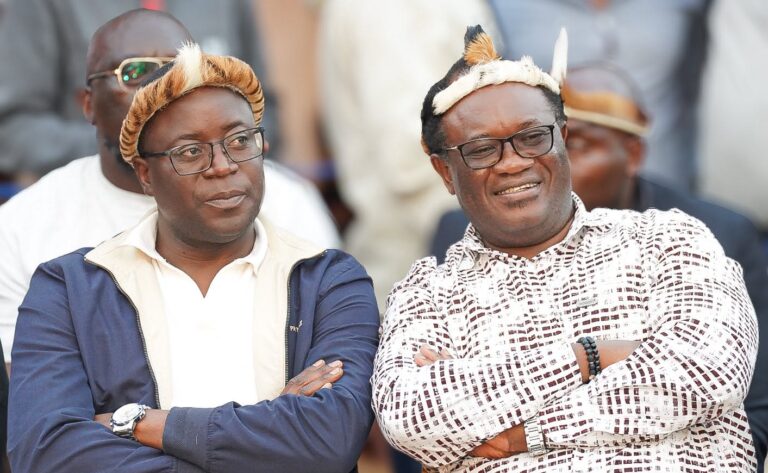
According to Reverend Sumaili, Tonse Alliance presidential candidate Brian Mundubile, his running mate Makebi Zulu and members of their entourage had travelled to Eastern Province to join thousands of mourners paying their final respects to the late Ngoni monarch. They came to grieve. What they got, she alleged, was something else entirely.

“They came to mourn and to put to rest King Mpezeni. To treat them like that is very unfortunate,” she said.

Reverend Sumaili alleged that police officers surrounded the hotel where the opposition leaders were staying, creating fear among guests, mourners and visitors who had made the journey from across Zambia and neighbouring countries to attend the funeral. The image she painted was one of guns, tension and a hotel turned into something resembling a siege.

“You can imagine the police coming to the hotel, surrounding the hotel. Some were carrying guns, terrorising everybody,” she said.

The former minister went further, alleging that officers moved through the hotel room by room, ordering occupants to pack up and get out.

“They came room to room. They said, ‘You have to leave. You have to leave.’ They pushed them out and escorted them out,” she claimed.

What made the situation feel even more jarring, she said, was the timing. The incident unfolded while foreign visitors, traditional leaders and delegations from neighbouring countries were still in Chipata, still present for the mourning proceedings that follow a burial of this significance.

“Imagine people who have come from different countries and then you behave in such a way,” Reverend Sumaili said.

She questioned why any police action could not simply have waited until the mourning period had run its course, arguing that even if the opposition leaders had done something wrong, there was a time and a place to deal with it and this was neither.

“If there is something they have done wrong, report it and wait until the mourning period passes. What they have done is very shameful,” she said.

During the same programme, the host alleged that the operation was led by Deputy Inspector General of Police Fred Hamaamba. According to the host, police officers surrounded and barricaded the Protea Hotel before removing Brian Mundubile, Makebi Zulu and members of their entourage from the premises. The host further alleged that five members of the opposition leaders’ security team had been detained earlier, before the larger operation got underway.

According to the account presented during the broadcast, police officers stated that members of the Mundubile entourage were being sought by law enforcement authorities in Lusaka, a claim cited as part of the justification for the operation at the hotel.

The host also alleged that police communications captured during the incident included calls for “long buttons” to be brought against a journalist who was livestreaming events as they unfolded. That allegation was not independently verified during the broadcast.

The programme heard further claims that the operation took place in full view of foreign delegations attending the funeral, including representatives linked to the Zulu Royal House in South Africa as well as visitors from Malawi and Mozambique. The host alleged that some members of those delegations were staying at the same hotel and watched as police officers moved through the premises searching for Makebi Zulu and his team.

The allegations have not been independently verified.

Reverend Sumaili warned that incidents of this nature carry a political cost, that scenes like these risk damaging the public image of government and generating sympathy for the very people being targeted.

“The people of Zambia are watching. The people of Zambia are hearing the cries of our leaders,” she said.

Without directly accusing President Hakainde Hichilema of authorising the operation, she made the point clearly: when state institutions behave in a certain way, it is the government that wears the consequences. Actions taken in the name of authority do not exist in a political vacuum.

Her concern was echoed by a caller from Mongu, who drew a pointed comparison with an incident involving then opposition leader Hakainde Hichilema during the Kuomboka ceremony in Western Province. The caller argued that authorities under former President Edgar Lungu chose not to move against Hichilema in the middle of that traditional ceremony, not out of weakness, but out of respect for the Litunga, the proceedings and the thousands of people gathered for a culturally sacred event. Enforcement, the caller said, was deliberately held back until after the occasion had concluded.

The caller questioned why the same restraint was allegedly not shown during the mourning period for Paramount Chief Mpezeni IV, arguing that a royal funeral attended by traditional leaders, international visitors and foreign dignitaries deserved no less consideration.

“If there is something wrong that has been done, report it and wait until the mourning period is over,” the caller said.

Several other participants in the programme raised similar concerns, expressing worry about what image was being projected to regional visitors and arguing that the funeral of Paramount Chief Mpezeni IV should have remained a moment of mourning — not one overshadowed by political confrontation.

Throughout the discussion, Reverend Sumaili repeatedly appealed for prayers, calm and national unity, speaking with visible emotion about opposition leaders she said had been forced to leave Chipata under deeply troubling circumstances.

“We are only one Zambia. If we mess up this country, we will have nowhere to go. We do not want to see our country destroyed,” she said.

At the time of the broadcast, no official police response to any of the allegations aired by Reverend Sumaili, the programme host or callers had been presented during the programme.

The events occurred during mourning activities following the burial of Paramount Chief Mpezeni IV a ceremony that had drawn government officials, opposition politicians, traditional leaders and international delegations from across Southern Africa to the heart of Eastern Province.

Government begins public auction of Chitambo assets

Government has commenced a public auction of assorted assets in Chitambo District, including motor vehicles, motorcycles, office furniture and medical equipment.

District Commissioner (DC) Majory Mwape noted that the disposal of the assets is aimed at promoting transparency, accountability and prudent management of public resources.

Speaking during the official launch of the exercise, Ms Mwape said the auction is being conducted in accordance with Government regulations on the disposal of obsolete, unserviceable and surplus government property.

She explained that the exercise will enable the government to recover value from assets that were no longer in use in the district, while creating an opportunity for members of the public to acquire various items through a fair and competitive process.

Ms Mwape urged interested bidders to familiarise themselves with the auction guidelines and adhere to all procedures to ensure a smooth and transparent exercise.

She emphasised that the disposal of obsolete assets was an important component of public asset management as it helped institutions create space for the acquisition of newer and more efficient equipment needed for service delivery.

The Chitambo DC further reaffirmed the Government’s commitment to strengthening accountability in the management of public resources and ensuring that all disposal processes were conducted in an open and transparent manner.

The public auction exercise is part of an ongoing programme being implemented across districts in Central Province aimed at disposing of obsolete, unserviceable and surplus Government assets in accordance with established public asset management regulations.

Elective hopefuls risk dismissal for missing deadline.

Central Province Permanent Secretary Milner Mwanakampwe has warned that public service workers who sought adoption for elective positions but failed to resign by the stipulated May 15 deadline risk dismissal from the civil service.

Dr Mwanakampwe says government issued clear guidelines requiring civil servants with political ambitions to resign before participating in partisan politics.

Speaking to journalists in Kabwe, he disclosed that only two District Commissioners in the province formally resigned before the deadline in compliance with the directive.

The Permanent Secretary identified the former District Commissioners for Serenje and Chitambo districts as the only public officers who officially declared their intentions to participate in partisan politics.

“Apart from the two, there is no other civil servant who declared to my office that they wanted to be adopted by political parties because they intended to contest as Members of Parliament. However, should we discover that there are others, whether from the ruling party or the opposition, they will be ejected from the public service,” he said.

Dr Mwanakampwe emphasized that there will be no exceptions in enforcing the directive.

Secretary to the Cabinet Patrick Kangwa had earlier directed civil servants intending to contest in the August 13 General Elections to resign by May 15, 2026.

Meanwhile, Dr Mwanakampwe has urged political parties and the media to avoid sensationalising incidents of political violence, saying reports should be factual and verified.

He noted that some reports of political violence have been exaggerated, creating unnecessary tension ahead of the elections.

The Permanent Secretary called on all political parties to adhere to the Electoral Code of Conduct and promote peaceful campaigns.

He further urged the police to handle cases of political violence professionally and impartially, stressing that the law must be applied equally regardless of political affiliation.

Hichilema hails Mphezeni as a patriot who championed unity

President Hakainde Hichilema has described the late Inkosi Ya Makosi Ngwenyama Mpezeni IV as a great son of Zambia and a traditional leader who served the nation with distinction and wisdom for over 40 years.

The President said the late Ngwenyama served Zambia, not just the Ngoni people or Eastern Province.

He said the late chief carried the authority of a king but possessed the heart of a servant.

“Today we give farewell to a great son of Zambia, our traditional leader, our paramount chief Nkosi Ya Makosi Ngwenyama. He served the Ngoni people with distinction and wisdom for over 40 years. He served with six presidents before me,” President Hichilema said.

“Nkosi Ya Makosi was a true patriot who championed unity in our country. He worked with and served this country not just for the Ngoni people or Eastern Province but the country at large,” he said.

President Hichilema said the late traditional leader attended traditional ceremonies across the country without fail and respected all chiefs regardless of status.

“He did not look at the status of a chiefs, he looked at the status of the people. He understood that there are different traditional leaders that the country has been endowed with. He understood that other chiefs’ matters,” he said.

The President noted that Ngwenyama Mphezeni greatly promoted the Ncwala Ceremony, turning it into the major cultural event it is today.

“We shared this understanding: God created us not to be lazy but to work hard. Ngwenyama produced food for his family and encouraged Ngoni communities to produce food for themselves through hard work and dedication,” President Hichilema said.

He added that the late king advocated for agriculture, food security, and improving people’s quality of life.

He also partnered with government to advance education, especially after the reintroduction of free education.

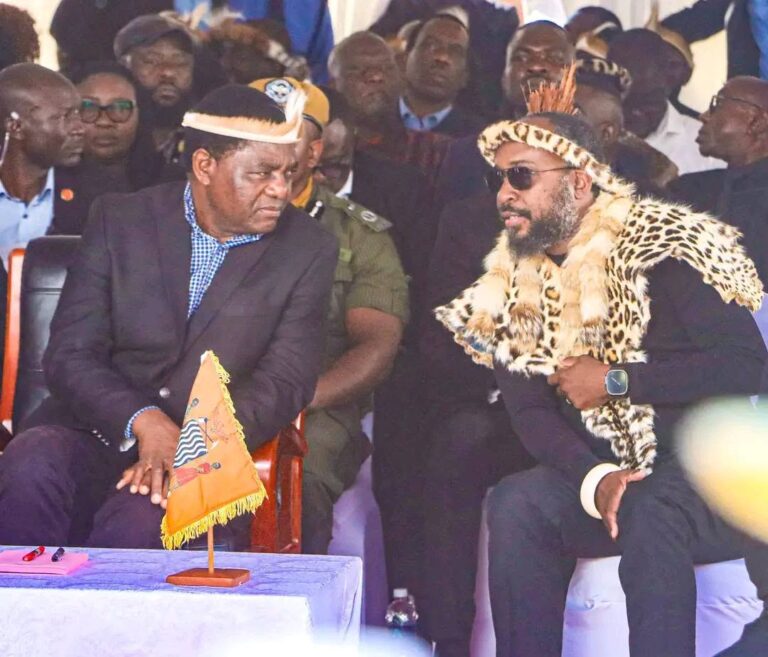
Meanwhile, Paramount Chief Mphezeni of the Ngoni people of Eastern Province has been put to rest with hundreds of mourners from walks of life turning to witness his burial at the resting place near his Ependukeni palace.

President Hakainde Hichilema attended his burial alongside other government dignitaries and Ngoni chiefs from Malawi, Tanzania, Eswatini and South Africa.

Police investigate human skeleton found in Chilubi

Police in Chilubi District in Northern Province have opened investigations following the discovery of a human skeleton in Laki Village in Chief Chiwanangala’s chiedom in Northern Province.

Northern Province Police Commanding Officer Simunji Mulonda confirmed that skeletal remains were discovered by Botta Ngosa 62 in his groundnuts fields.

 Mr Mulonda revealed that Ngosa reported the matter to Matipa Police Post who recorded the report on Saturday, June 6, 2026.

He disclosed that preliminary investigations revealed that the body was in an advanced state of decomposition.

The Police Commanding Officer added that the deceased was later identified as Chewe Lunkonto, aged 45, of Bulilo village through clothing recognition by a close relative.

Mr Mulonda further revealed that it was established that the deceased had been missing since May 19, 2026, although no missing person’s report had been filed with the police.

He explained that the remains have since been buried at a local cemetery, with the grave marked for possible future exhumation should need arise.

Mr Mulonda said an inquiry file has since been opened, and investigations are ongoing to establish the circumstances surrounding the death.

The Division Commanding Officer has urged members of the public to promptly report missing persons and any suspicious occurrences to the nearest police station.

Independent candidates decry symbol withdrawal by ECZ

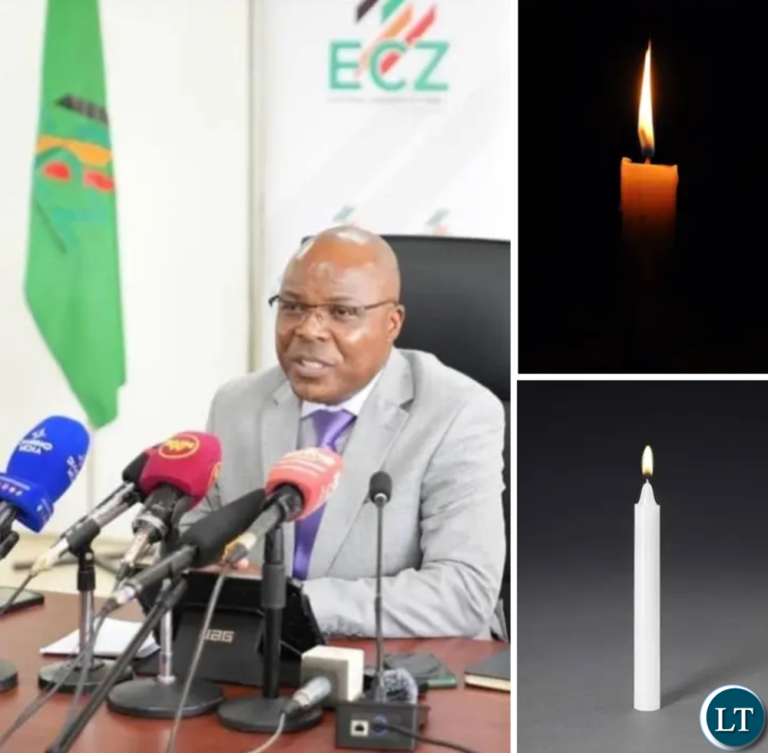
Independent candidates in Kasempa District have expressed concerns with the decision by the Electoral Commission of Zambia’s (ECZ) to withdraw the candle symbol after nominations saying the move has disrupted their campaigns and resulted in financial losses.

The affected candidates disclosed that they had already printed campaign materials, produced campaign songs and informed voters about their symbols before being directed to select alternative symbols.

This was in an interview with Zambia News and Information Services ZANIS in Kasempa today.

Mpungu Ward independent candidate Parcent Chabinga described the decision as unfair and said candidates should have been informed before nominations.

“We were supposed to be communicated to before doing our nominations and now after doing our nominations we are being told to come and change the symbol. We are not happy,” Mr Chabinga said.

He added the change had rendered campaign materials obsolete and created confusion among voters who had already been mobilised using the candle symbol.

Similarly, Kamusongolwa Ward candidate Ngalwile Mika said the symbol had initially been assigned by ECZ, making the sudden change difficult for candidates and voters alike.

“We have been going through the fields telling people about the same symbol. Now it will be a challenge for us to get back into the community and start telling people about changing the symbol,” she said.

Meanwhile, Blessing Susu Masumba’s representative said the decision had caused frustration among candidates who had already invested significant resources into their campaigns.

“The materials we have printed, the songs we have paid for and the campaigns we have conducted have all been affected. We are very much disappointed because we were guided and given the candle as a symbol during nominations,” Mr Susu added.

The candidates have appealed to ECZ to consider the challenges the decision has created and provide guidance on how affected candidates can effectively communicate the changes to voters.


Kalabo Health Director gets 9 months for corruption

The Economic and Financial Crimes Court sitting in Kalabo District has sentenced Kalabo District Health Director, Neto Mbwayu, to nine months imprisonment for one count of corruption-related offence.

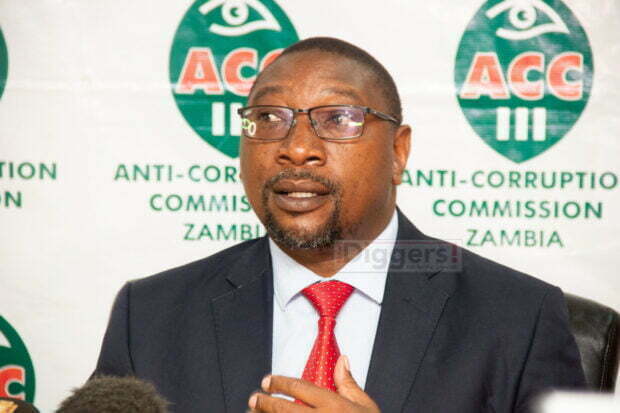
Dr Mbwayu, 42, of Winela area in Kalabo District, was charged by the Anti-Corruption Commission in October 2025 with two counts of willful failure to comply with procurement guidelines and one count of making payment from public revenue for services not adequately rendered, contrary to the Anti-Corruption Act No. 3 of 2012.

Particulars of the offences are that between 1st January 2021 and 31st December 2022, while serving as District Health Director at Kalabo District Health Office, Dr Mbwayu approved a payment of K39,000 for the purchase of two HP Pavilion laptops, an amount above his K30,000 approval threshold and without a written request from the user department.

He also authorized a K4,000 payment for upholstery of a motor vehicle seat, a service which was not adequately rendered.

In mitigation, Dr Mbwayu who was represented by a lawyer, appealed to the court to exercise leniency as he was a father saying his wife had just delivered a baby three weeks ago adding that his services as a Doctor will be missed by the community of Kalabo.

When delivering judgement in the matter, Principal Resident Magistrate, Preston Chiluba convicted Dr Mbwayu on one count of willful failure to comply with procurement guidelines and sentenced him to nine (9) months’ imprisonment with effect from 8th June, 2026.

Meanwhile, Dr Mbwayu was acquitted on one count of willful failure to comply with procurement guidelines and one (1) count of making payment from public revenue for services not adequately rendered, contrary to the Anti-Corruption Act No. 3 of 2012.

Dr Mbwayu was arrested and released on bond in October 2025 pending court proceedings.