Sunday, June 7, 2026
21.1 C
Lusaka
Home Blog Page 147

Zambia, Germany strengthen ties as SADC Troika Ministers confer

0

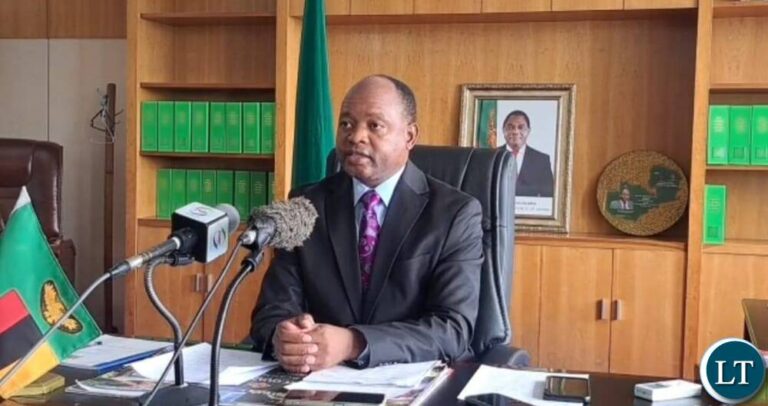
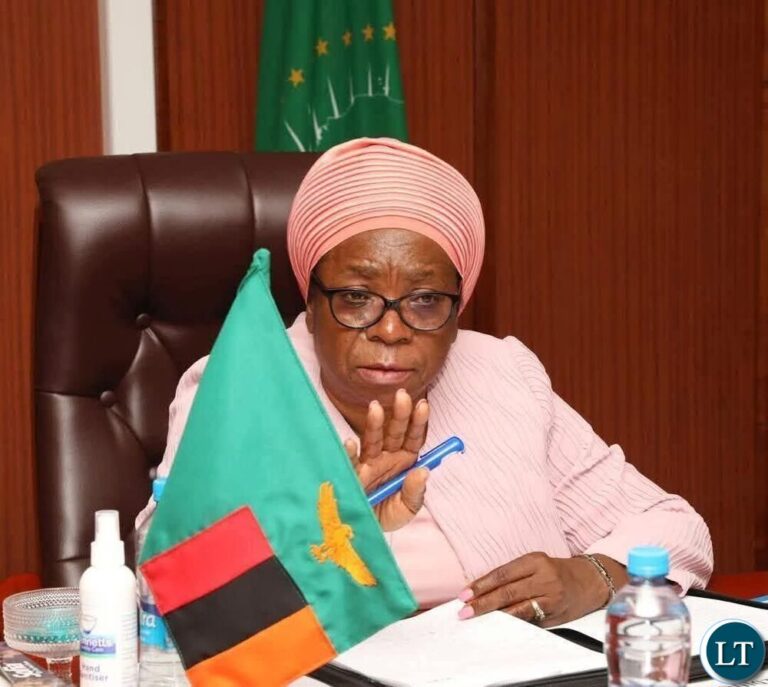
Minister of Foreign Affairs and International Cooperation, Mulambo Haimbe and Special Envoy of the German Federal Foreign Minister, Saline Sparwasser, have held a bilateral meeting on the margins of the Executive Council meeting at the African Union headquarters in Addis Ababa today.

The two officials discussed bilateral issues between Germany and Zambia and how to continue strengthening their relations going forward.

Mr Haimbe told Zambian journalists after the meeting that the two also talked about the need to support each other’s candidatures when they or their individual nationals vie for various positions in multilateral institutions.

He said Zambia is very pleased with the strengthening of relations with Germany.

Meanwhile, Zambia, Zimbabwe and South Africa conferred in the Southern African Development Community (SADC) Troika Ministerial Committee meeting where they discuss various matters relating to the region.

South Africa’s Minister of International Relations and Cooperation led the delegation from his country while Minister of Foreign Affairs and International Trade from Zimbabwe, Amon Murwira represented his country.

Since the interim committee of the Troika main body was put in place, the ministers from the three countries have had no opportunity to meet, hence used their convergence at the Executive Council Ministers meeting to hold discussions on the sidelines.

The media reports that South Africa is the current chair of the Ministerial Committee of the Troika main body while Zambia is the incoming chair and Zimbabwe is the outgoing.

Kaputa court jails five over unlawful hunting and related Offences

2

 Kaputa Magistrates Court has sentenced five individuals to three years’ imprisonment with hard labour for unlawful hunting and two additional wildlife-related offences.

Before Magistrate Emmanuel Mukoma were Kapembwa Evans (43), Joe Mazimba (28), Felix Chola (32), Kennedy Mofu (30), and Kalumba Kopa (25), all of Nsenga Village in Chief Kaputa’s Chiefdom in Kaputa District.

This is in a matter that came up sentencing in which the five were facing three defferent counts.

In count one, the five were accused of unlawful entry in the national park contrary to Section 18 subsection (1) as read with Section 136 (a) and (b) of the Zambia Wildlife Act number 14 of 2015.

In count two, the three were facing one count of unlawful entry with weapons in the national park contrary to Section 20, subsection 1 (a) and (b), as read with Section 136, subsection (a) and (b), of the Wildlife Act number 14 of 2015 of the laws of Zambia.

In the third count, the five were facing the offence of unlawful hunting in a national park contrary to Section 19 subsection 1 (a) (b) and (c) as read with Section 128 subsection (a) and (b) of the Wildlife Act No. 14 of 2015 of the laws of Zambia.

Facts of the matter were that on February 1, 2026, around 02:00 hours, wildlife police officers, while on operation, apprehended the five at a place called Tushitu.

The five accused were later brought to Kaputa police station for safe custody.

The five, jointly, and whilst acting together, also unlawfully hunted 3 kg of assorted fresh fish at the same place they were apprehended from.

The five were also found with the wrong fishing gear, namely a mosquito net, a knife, five paddling sticks and a wooden boat.

Magistrate Mukoma found all five guilty and convicted them on all three charges.

In count one, the court ordered each one of them to pay a fine of K120,000 and, in default, serve 6 months imprisonment with hard labour.

In the second count, the court fined them K120,000 each, in default 6 months imprisonment with hard labour.

And in the third count, Magistrate Mukoma handed each one a custodial three-year imprisonment with hard labour effective the date of arrest.

The sentences are to run concurrently.

Zambia concludes participation at UN CSocD64

0

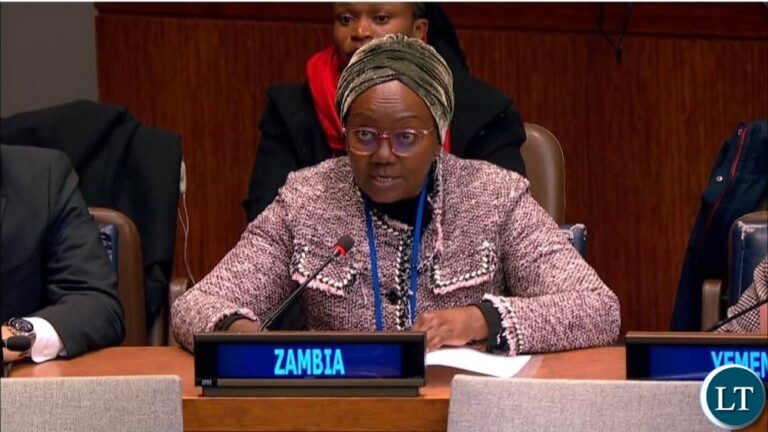
Zambia has concluded its participation at the 64th Session of the United Nations Commission for Social Development (CSocD64), reaffirming its commitment to inclusive social development and strengthened international cooperation.

Ministry of Community Development and Social Services Permanent Secretary for Administration, Angela Kawandami said on the sidelines of the session, Zambia held strategic bilateral engagements with the United Nations Special Representative of the Secretary-General on Violence Against Children, Najat Maalla M’jid, aimed at strengthening cooperation and sharing best practices.

Dr Najat Maalla M’jid commended Zambia for its systems-based reforms, prevention-focused child protection strategies and efforts to strengthen the social service workforce.

Ms Kawandami added that a bilateral exchange with Jamaica provided valuable lessons on multidimensional poverty measurement, resilient social protection systems and care-economy-based employment models.

She further noted that the Commission adopted key resolutions by consensus, including a landmark resolution on promoting care and support systems for social development, reinforcing global commitments to dignity, gender equality and inclusive social policies.

Meanwhile, Ms Kawandami said during the main session, Zambia reiterated its resolve to translate international social development commitments into coordinated national action, guided by the principle of leaving no one behind.

She explained that the forum followed the adoption of the Doha Political Declaration and focused on practical, people-centred implementation strategies.

The Permanent Secretary delivered Zambia’s national statement, reaffirming Government’s commitment to poverty eradication, inclusive economic growth and social justice.

She highlighted progress made in expanding social protection programmes, promoting youth employment, advancing gender equality and strengthening the inclusion of persons with disabilities.

Ms Kawandami also emphasized the use of digital platforms to improve efficiency, transparency and access to social services.

She stressed that social development cannot be achieved in isolation and underscored the need for strengthened international cooperation and enhanced inter-ministerial coordination to promote inclusive and sustainable progress.

Ms Kawandami said Zambia also participated in high-level panel discussions where she shared the country’s experiences in programme-based budgeting, integrated financing approaches and digital payment systems aimed at improving service delivery.

The session was held from February 2 to 10, 2026, at the United Nations Headquarters in New York under the theme, “Advancing social development and social justice through coordinated, equitable, and inclusive policies.”

Central Prov. electoral officer urges diligence ahead 2026 delimitation exercise

0

 Central Province Electoral Officer Clint Susiku has urged Technical Clerks and electoral stakeholders to approach the 2026 Delimitation Exercise and the inspection of the Provisional Register of Voters, scheduled for March 2026, with diligence, discipline, and dedication to national service.

Mr Susiku, who is also Provincial Local Government Officer, said the assignment was a critical stage in the electoral process and must be handled professionally.

Speaking during an orientation meeting for Technical Clerks and Electoral Stakeholders, Mr Susiku noted that the Electoral Commission of Zambia (ECZ) was preparing for two key electoral processes, the 2026 Delimitation Exercise and the inspection of the Provisional Register of Voters, which form the foundation of credible and transparent elections ahead of the August 13, 2026 General Election.

“These assignments are not ordinary duties but a national responsibility. The credibility of the 2026 General Election begins with how well we conduct the inspection and delimitation processes,” Mr. Susiku said.

He explained that recent constitutional and legal reforms, including the introduction of additional constituencies and the Mixed Member Proportional Representation system, required officers to fully understand their responsibilities and execute them professionally.

“You must provide clear guidance to citizens, uphold integrity, and ensure every eligible voter is properly accounted for,” he said.

Mr Susiku revealed that in Central Province alone, about 193,000 voters were registered out of an estimated eligible population of 559,360 during the recent mass voter registration exercise.

The Provincial Electoral Officer added that the Commission was currently consolidating and cleaning the Provisional Register of Voters before opening it for public inspection.

“The inspection stage allows members of the public to confirm their details, correct errors, and raise objections where necessary. This is the moment the public validates our work,” he said.

He further outlined that the inspection will be conducted both online and physically at inspection centres across the country.

Online inspection is scheduled from February 22 to March 8, 2026, while physical inspection will take place from March 2 to March 8, 2026 while Certification of the register is set for April 30, 2026.

“All centres must open and close on time. Officers should guide citizens step by step and handle transfers and corrections promptly in accordance with the law,” Mr. Susiku said.

Mr Susiku also explained that voter registration kits have been strategically deployed, and officers must be familiar with their locations to effectively guide members of the public.

“You are the face of the Commission in your communities; therefore, professionalism, patience, and accuracy must define your conduct,” he stated.

He further noted that the Constitution has increased the number of constituencies from 156 to 226 to respond to population growth and enhance equitable representation adding that the commission was expected to create 70 new constituencies and publish them on May 15, 2026.

“The boundaries must reflect geographic and demographic realities. Engage stakeholders openly and ensure all views are properly recorded,” he said.

He further emphasised that the success of the electoral roadmap depended on collective responsibility from all stakeholders.

“These processes are not merely administrative; they safeguard democracy. When done correctly, they strengthen public trust in the electoral system,” Mr. Susiku concluded.

Zambia allocates land for permanent AU ECOSOCC Secretariat

0

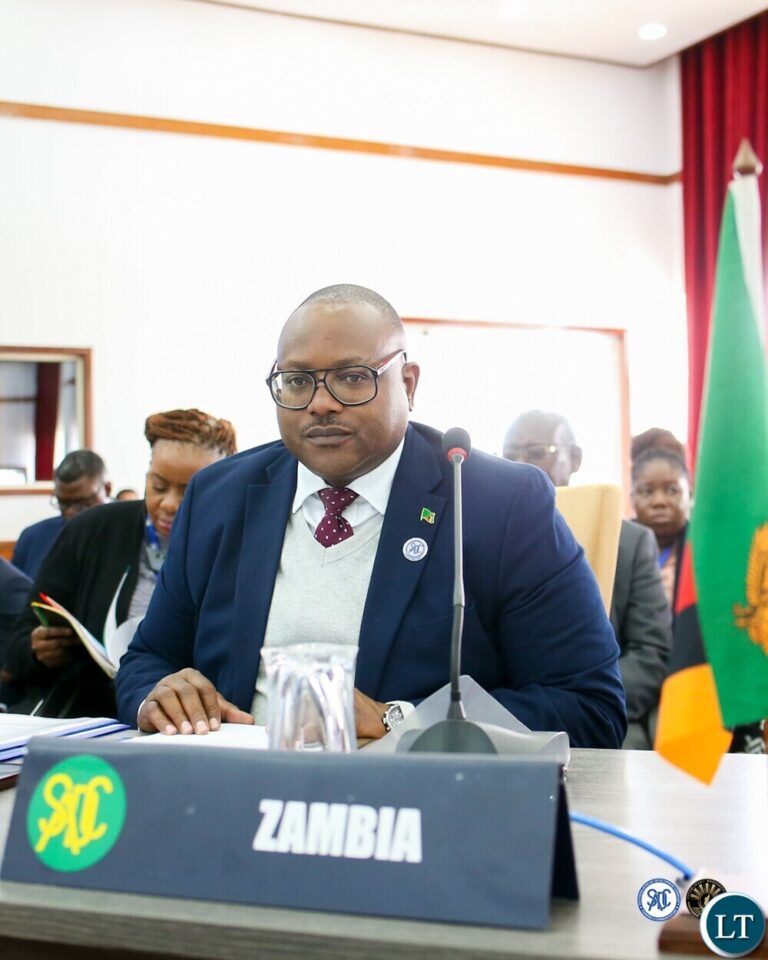
Minister of Foreign Affairs and International Cooperation, Mulambo Haimbe says government has been spending over US$74,500 every year in renting a building for the African Union Economic, Social and Cultural Council (AU ECOSOCC) Secretariat.

Mr Haimbe says the government has since allocated 10 acres of land in Lusaka for the construction of a permanent structure for the ECOSSOC Secretariat to forestall the cost of renting.

The media reports that the ECOSSOC Secretariat was relocated to Lusaka in 2019 from the Citizens and Diaspora Directorate office in the African Union Commission.

And Zambia has expressed satisfaction that ECOSSOC has demonstrated increased programme implementation capacity since relocating its secretariat to Lusaka in 2019.

Mr Haimbe said in his statement to the Executive Council ordinary session of the African Union in Addis Ababa today that ECOSSOC has also attracted substantial interest from international partners who are now offering variable resources.

The Minister has also reaffirmed Zambia’s commitment to hosting the ECOSSOC Secretariat in Lusaka and has since allocated a four acre piece of land for constructing…

He further extolled the ECOSSOC Secretariat for introducing the Kenneth Kaunde Graduate Immersion Programme last year, which is aimed at equipping high performing, recent Zambian graduates with practical experience in policy research, project coordination and organization operations.

The programme also serves as a bridge between academic training and real-world professional practice within the African Union.

Tourism budget hits K1.5b as sector records growth

0

Minister of Tourism Rodney Sikumba says the current administration has deliberately prioritized investment in tourism, as reflected in the continuous increase in budget allocations to the sector.

Mr Sikumba noted that in 2021, the Ministry of Tourism’s budget stood at about K3.3 million, rising to K1.3 billion in 2025 and further to K1.5 billion in 2026.

He explained that this growth has enabled the ministry to scale up international and domestic tourism marketing, improve support infrastructure, strengthen wildlife management systems, and deepen community participation in tourism development.

Delivering a ministerial statement in Parliament on the performance of the tourism sector from 2021 to 2025, Mr Sikumba said the upward trajectory demonstrates the government’s recognition of tourism as a critical pillar of Zambia’s economic diversification agenda.

He disclosed that Zambia recorded 2.3 million international arrivals in 2025 compared to 2.2 million in 2024, while domestic tourism also grew, with over 553,000 visits to museums, national parks and heritage sites in 2025 compared to about 530,000 in 2024.

“Tourism remains one of Zambia’s strategic economic sectors with immense potential to drive economic transformation, job creation and sustainable development,” Mr Sikumba said.

Mr Sikumba emphasized that tourism fosters inclusive growth, benefiting women, youths, and rural communities, and reaffirmed the ministry’s commitment to encouraging partnerships and promoting both domestic and international tourism through various incentives.

Lubinda, Mundubile, Makebi should unite – Mwamba

7

Calls for unity within opposition ranks have intensified after remarks attributed to political figure Emmanuel Mwamba urging Patriotic Front figures Given Lubinda, Brian Mundubile and Makebi Zulu to work together. The statement appears within a broader discussion about leadership direction, internal cohesion and electoral positioning ahead of the next national polls.

According to the report, Mwamba’s comments centre on the need for cooperation among leading figures linked to the opposition. He indicated that divisions within political structures weaken organisational strength and reduce the ability to present a unified message to the electorate. His remarks arrive at a time when political alignments remain fluid and discussions about leadership continue across several formations.

The article portrays Mwamba’s intervention as part of ongoing dialogue about strategy and direction. He suggested that collaboration among senior figures could stabilise internal structures and improve coordination. His remarks highlight a wider concern that prolonged disagreements risk eroding confidence among supporters who expect clear leadership signals.

Political unity remains a recurring theme within the opposition space. The call directed at Lubinda, Mundubile and Zulu reflects ongoing attempts by different actors to shape the future of the party and its alliances. Observers note that public appeals for cohesion often emerge during periods of transition or uncertainty, when leadership debates dominate political conversations.

Mwamba’s remarks reference the importance of presenting a single front capable of engaging voters across regions. The report indicates that his position rests on the belief that unity strengthens organisational effectiveness and reduces confusion among supporters. His comments suggest that leadership rivalry should give way to collaboration grounded in shared objectives.

Within the article, the issue of party direction appears closely tied to broader national political developments. Opposition formations continue to evaluate their positioning in relation to upcoming electoral processes. Calls for cooperation reflect the recognition that fragmented messaging may weaken the ability to mobilise supporters effectively.

Given Lubinda, Brian Mundubile and Makebi Zulu remain prominent figures associated with discussions about leadership within the Patriotic Front. Mwamba’s appeal highlights the symbolic weight attached to their roles. The call for unity frames their collaboration as essential for restoring organisational focus and strengthening internal structures.

The report situates the appeal within a wider national context where political actors continue to reassess alliances and strategies. Public statements encouraging unity often signal attempts to influence internal debates while shaping public perception. Mwamba’s intervention underscores the significance of leadership cohesion during a period of political realignment.

Supporters of unity argue that cooperation among senior figures fosters stability within party structures. They believe that shared leadership efforts can help rebuild momentum and reinforce organisational identity. Mwamba’s comments align with this view, emphasising the value of collective action rather than rivalry.

The broader political environment remains shaped by discussions about leadership legitimacy, electoral preparation and organisational renewal. Appeals for unity serve as reminders of the challenges faced by opposition formations seeking to consolidate support. Mwamba’s remarks highlight how internal dynamics continue to shape political narratives within the country.

As debates around leadership direction continue, the call directed at Lubinda, Mundubile and Zulu reflects a broader effort to encourage collaboration among influential figures. The response from those named remains part of the evolving political landscape, where unity and strategy remain central themes.

The discussion surrounding Mwamba’s remarks demonstrates the ongoing importance of leadership cohesion within political movements. With attention focused on internal organisation and electoral readiness, calls for unity are likely to remain a defining feature of political discourse in the months ahead.

Msoni presses Parliament for openness on draft bill vote

1

Questions about parliamentary transparency have surfaced after political activist Nason Msoni raised concern over the decision not to disclose how Members of Parliament voted on legislation connected to electoral reform. The issue centres on the handling of the Bill 7 vote and its relationship to a proposed Draft Electoral Process Bill that introduces new requirements affecting political alliances

Msoni’s remarks come at a time when electoral law remains under heightened national attention. According to the report, he wondered why Parliament chose not to publish the voting pattern, particularly when the legislation touches on procedures that could influence the political landscape ahead of elections. He indicated that citizens should be able to examine how their representatives align themselves on issues that carry direct implications for democratic participation.

The proposed Draft Electoral Process Bill has generated debate across civic and political spaces. Provisions linked to alliance registration with the Registrar of Societies have drawn scrutiny, with stakeholders questioning how the framework might shape cooperation among political actors. Msoni suggested that the secrecy surrounding the vote raises legitimate questions about openness in legislative decision-making.

Transparency in parliamentary procedure remains a central theme in the activist’s position. He argued that publishing voting records strengthens accountability and allows voters to assess representation more clearly. In his view, electoral reforms demand a higher level of clarity because they influence governance structures and the administration of elections.

The issue reflects broader national conversations about legislative conduct and democratic standards. Electoral reforms often attract close scrutiny due to their potential to affect political competition and institutional processes. Msoni framed his concern as part of a wider effort to ensure that governance remains open and accessible to public understanding.

Stakeholders following the legislative process have noted that the Draft Electoral Process Bill seeks to introduce administrative order into alliance arrangements. While reform efforts aim to clarify procedures, critics have urged lawmakers to ensure that implementation remains transparent. Msoni’s remarks align with this perspective, highlighting the importance of public confidence in parliamentary decisions.

Parliamentary debates on electoral reform continue to evolve within a complex political environment. As lawmakers consider legislative proposals, civic actors have emphasised the need for clear communication and inclusive dialogue. Msoni’s intervention places additional focus on the role of Parliament as an institution accountable to voters.

The secrecy surrounding the voting pattern has also raised questions about procedural precedent. Observers note that disclosure of voting records allows citizens to understand the positions taken by their elected representatives. Msoni argued that withholding such information risks creating uncertainty about legislative intent, particularly when reforms carry national significance.

Despite the criticism, the legislative process continues through established parliamentary channels. The Draft Electoral Process Bill remains under discussion, with stakeholders examining how its provisions could influence election administration. Msoni’s comments highlight the tension between procedural discretion and public expectation for openness.

His position does not reject the existence of electoral reform but calls for clearer communication during its implementation. He indicated that democratic institutions reinforce their legitimacy through transparency and engagement with citizens. The ongoing conversation around Bill 7 reflects the dynamic nature of legislative reform and the public’s interest in understanding how decisions are made.

As Parliament advances its agenda, the debate over secrecy and accountability is likely to remain a focal point. The question raised by Nason Msoni underscores a broader theme in governance: that legislative authority operates alongside public scrutiny. How lawmakers respond to calls for transparency may shape perceptions of electoral reform in the months ahead.

U20 GIRLS ACCELERATE PREPS FOR UGANDA

0

T

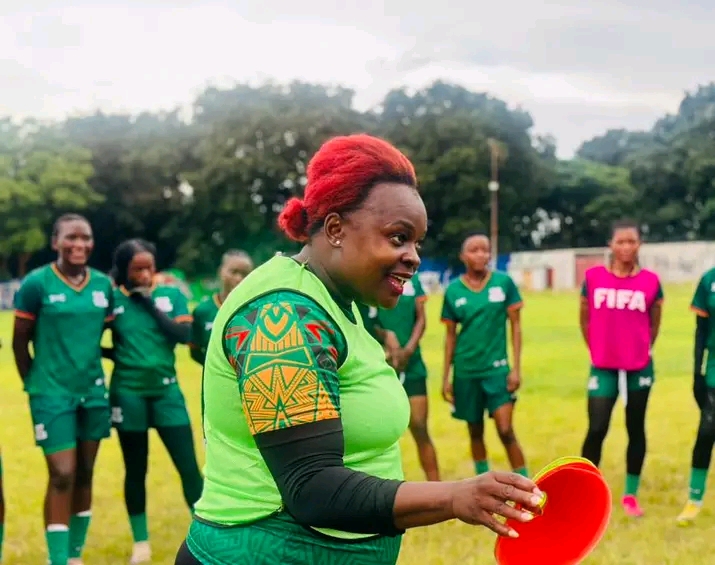
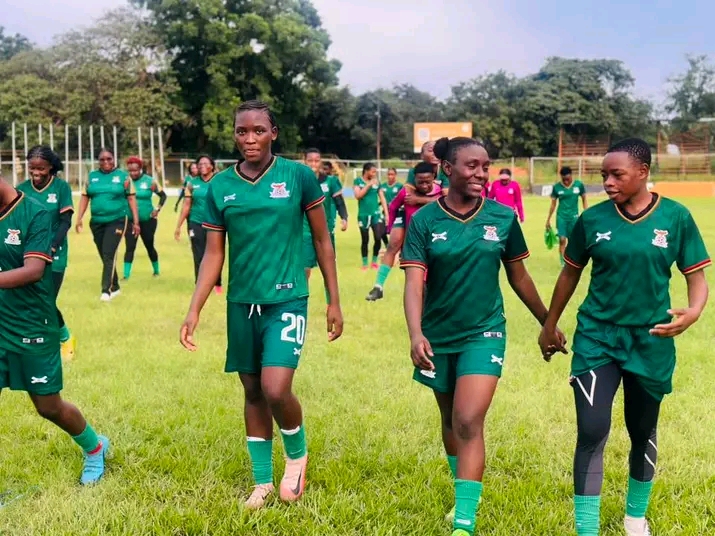
he Zambia U20 Girls have stepped up preparations for the return leg of the fourth-round qualifiers for the 2026 FIFA U20 Women’s World Cup against Uganda set for the Levy Mwanawasa Stadium in Ndola on Saturday, 14th February, 2026.

The Young Copper Queens have set up base in Ndola after battling to a 1–1 draw against Uganda in the first leg of the fourth-round qualifiers played in East Africa last Saturday.

Head coach Florence Mwila has been leading the squad in training at the Trade Fair Grounds in Ndola.

“The advantage is that we have now tested Uganda. We now know how they play. We now know how they approach the game. Yes I talked about the physicality of Uganda before we even left but now we tested it,” Mwila told journalists in Ndola.

Mwila says Zambia is ready to face Uganda’s physical and high-pressing style when the two sides clash on Saturday.

“The girls have already played Uganda and so we know how to overcome that and we need to be wise in how we make decisions playing players that are very aggressive. We also need to be aggressive,” she said.

Mwila added: “When you have an opponent that is fast and strong you don’t keep the ball too long because by the time you are holding it and trying to think of where to take the ball because they are fast and they are strong; by the time you are thinking of where to go they have already taken the ball.”

FAZ President Keith Mweemba has been urging the young Copper Queens to complete the task in the return leg in Ndola after the 1-1 stalemate in Uganda.

“It is not easy to get a result against a fancied side like Uganda. We are glad the girls showed character by coming from a goal down to equalise and settle for a draw,” Mweemba said.

Captain Jessy Zulu, tramp card Mercy Chipasula and Blessing Maluba are some of the star players in the Zambian squad.

Zambia and Uganda are eying a place in the final round of qualification for the Poland 2026 FIFA Under-20 Women’s World Cup.

MUCHINDA WARD CAMPAIGNS CONCLUDE ON A HIGH NOTE AS UPND ANTICIPATES STRONG SHOWING

0

Campaign activities ahead of the Muchinda Ward local government by-election have concluded, with residents preparing to vote tomorrow as political parties wrap up their final engagements.

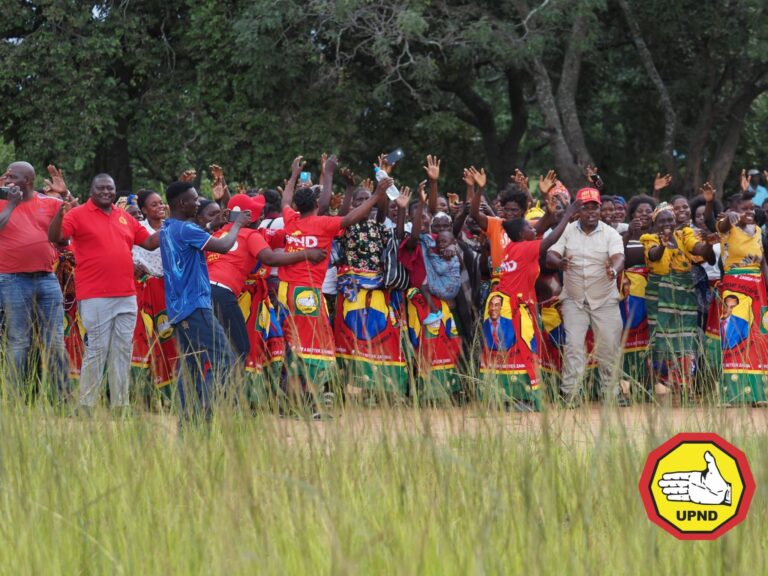
United Party for National Development (UPND) Central Province Chairperson Mwabashike Nkulukusa, accompanied by Special Assistant to the President for Political Affairs Levy Ngoma, Keembe Member of Parliament Princess Kasune, Central Province UPND Secretary Hastings Mulimba and other party officials, toured several camps in Muchinda Ward. During the visit, the delegation interacted with residents and highlighted the party’s development programmes and governance agenda.

Party officials told residents that development efforts in the ward would continue through the Constituency Development Fund (CDF), which supports community projects, youth initiatives and local infrastructure.

Mr Ngoma spoke about government policies aimed at improving living standards, particularly in rural and peri-urban areas. He also referred to the free education policy, describing it as an important measure for expanding access to learning opportunities.

On agriculture, he said the Ministry of Agriculture would continue supporting farmers as Zambia works toward a maize production target of 10 million metric tonnes. He commended farmers in Muchinda for their maize production and stated that government would keep reviewing maize purchase prices to improve returns for producers.

As the campaign period closed, some residents expressed their views on development programmes, social policies and agricultural support as factors influencing their voting decisions ahead of the by-election.

Legal Reforms Have Restored Confidence in Courts and Boosted Anti-Corruption Fight – Mweetwa

1

Information Minister Cornelius Mweetwa says legal and social reforms introduced under President Hakainde Hichilema have strengthened confidence in the justice system, particularly in the handling of corruption cases, as courts are now able to fast-track matters.

Mr Mweetwa said the establishment of the Financial and Economic Crimes Court has helped reduce bureaucracy that previously delayed corruption cases. He cited the case of former Finance Minister Dr Katele Kalumba, which took more than 20 years to conclude, as an example of delays that reforms are meant to address. He added that recent forfeitures of property considered proceeds of crime and a number of convictions reflect changes in the system.

He stated that government’s anti-corruption campaign targets past, present and future offences. According to the minister, US$24 million was forfeited to the State from a lawyer after government took office, along with additional funds recovered from a female journalist.

Mr Mweetwa described corruption as a serious social problem that requires collective action from citizens. He also said government has taken note of Transparency International Zambia’s Corruption Perception Index, which rated Zambia at 37, and is prepared to engage with the organisation and cooperating partners to find solutions to recurring challenges.

He noted that issues highlighted in the ZAMMSA report contributed to the rating but emphasised that President Hichilema initiated the forensic audit that exposed the concerns. He added that government has been receiving reports of Constituency Development Fund (CDF) abuse and warned that those responsible would face legal action. Allegations of misuse of school grants are also under investigation.

Mr Mweetwa said the issues mentioned could have influenced Zambia’s CPI rating and should serve as a reminder to intensify efforts against corruption. He further criticised opposition claims that anti-corruption efforts are a hoax, saying it was surprising that critics now allege persecution and link convictions to tribal or ethnic considerations.

Africa Bar Association confirms receipt of Mwamba petition

3

The Africa Bar Association has confirmed that it has received a formal petition submitted by the Patriotic Front concerning allegations about judicial independence in Zambia, with the organisation indicating that the matter is under review.

Correspondence signed by Africa Bar Association Vice President (Admin) and Executive Director Rudolf Ezeani acknowledged receipt of the communication addressed to the regional body. The brief response confirmed that the petition and its attachments had been received and would be given attention through the association’s internal processes.

The petition was filed by Ambassador Emmanuel Mwamba in his capacity as Patriotic Front Chairperson for Information and Publicity. The submission, dated January 30, 2026, raises a series of concerns about the functioning of Zambia’s judiciary and its relationship with the executive branch of government. In the letter addressed to Africa Bar Association President High Chief Ibrahim Eddy Mark, the party alleges that judicial independence has weakened and that constitutional safeguards meant to protect the separation of powers are under strain.

The Patriotic Front submission names Chief Justice Dr. Mumba Malila, stating that the head of the judiciary had failed to uphold institutional independence. The petition claims that judges were exposed to external pressure and that constitutional standards meant to guarantee impartial adjudication were being eroded. The letter frames these claims within broader political developments, pointing to court decisions and legal processes that have shaped Zambia’s political landscape ahead of the 2026 general elections.

Central to the Patriotic Front’s complaint are developments involving the Constitutional Court. The petition references the dismissal of three Constitutional Court judges and rulings that prevented former President Edgar Chagwa Lungu from participating in future presidential elections. The party contends that these events reflect bias within judicial structures, a position presented as evidence to support calls for scrutiny by regional legal institutions.

The petition also describes what it terms a narrowing civic environment. It raises concerns over the treatment of certain political figures, including Emmanuel “Jay Jay” Banda, and alleges that legal mechanisms were being applied in ways that punished opponents. The submission claims that due process had not been consistently upheld in some politically sensitive cases, framing these developments within a wider narrative about democratic governance and the rule of law.

Ambassador Mwamba indicated that the Patriotic Front had already engaged regional bodies beyond the Africa Bar Association, stating that communication had been sent to the Southern African Development Community. The party signalled that additional international institutions could be approached if its concerns about governance and judicial independence remained unresolved.

The Africa Bar Association operates as a continental legal organisation that brings together lawyers, legal institutions, and professional associations from across Africa. Its mandate includes promoting adherence to the rule of law, supporting legal cooperation among member states, and advancing human rights through advocacy and professional engagement. The association’s role often involves receiving petitions or representations from legal practitioners, civil society organisations, and political actors seeking regional attention on matters involving justice systems.

The acknowledgement letter from Vice President Rudolf Ezeani did not outline a timeline for review or indicate any preliminary findings. The communication simply confirmed that the petition had been received and that the organisation would consider the issues raised. No formal response or decision has been announced at this stage.

The Patriotic Front’s petition forms part of a broader exchange between political actors and regional institutions ahead of Zambia’s next electoral cycle. Legal and constitutional questions have continued to feature prominently in public discourse, with parties on different sides presenting competing interpretations of court rulings and governance practices. The Africa Bar Association’s consideration of the submission places the matter within a wider continental legal framework, where regional bodies often assess claims relating to judicial conduct, institutional independence, and democratic norms.

South Africa’s Supreme Court to Hear Appeal in Edgar Lungu Burial Dispute

0

South Africa’s Supreme Court is set to hear an appeal in the ongoing dispute over the burial arrangements of Zambia’s sixth Republican President, Edgar Lungu.

The development follows a successful application by the Lungu family to challenge a ruling by the Pretoria High Court in Gauteng, which had ordered that the former president’s body be repatriated to Zambia for burial.

In their appeal, the family argues that the lower court’s decision failed to adequately consider their rights and position regarding funeral arrangements. They are seeking to have the Supreme Court overturn the earlier ruling that permitted the Zambian Government to take custody of Mr Lungu’s remains in preparation for burial.

Mr Lungu, aged 68, died on June 5, 2025, in South Africa, where he had been receiving treatment for throat cancer. Following his death, disagreements emerged between the family and the Government over how his funeral should be conducted.

According to court documents filed by the family, the late former president had expressed a wish that his successor, President Hakainde Hichilema, should not attend his burial. However, Government has indicated plans to hold a state funeral, and under established protocol and precedent, the sitting president is expected to be present.

Whiskey Smugglers Hit with K5.5 Million Zra Penalty After Court Conviction

0

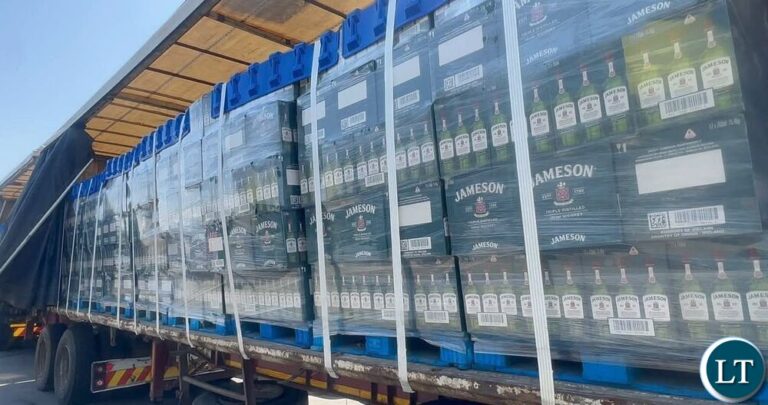
Two men have been ordered to pay more than K5.5 million to the Zambia Revenue Authority (ZRA) after being convicted of smuggling premium alcoholic beverages into the country.

Mweene Mweemba and Sydney Kunda were found guilty by the Economic and Financial Crimes Court for illegally importing alcohol between October 1 and October 30, 2024, through Kazungula.

The pair smuggled several high-end brands, including Jameson Whiskey, Chivas Regal, Deacon Whiskey, Imperial Blue, Bumbu Rum, Malf Godi Gin, Con Afrancia and Beefeater Gin, resulting in significant revenue losses for the government.

When the matter was heard on Monday in Livingstone, the two men entered into plea negotiations under the Plea Negotiations and Agreements Act No. 20 of 2010, an application that ZRA did not contest.

Senior Resident Magistrate Trevor Kalisilira fined each offender K6,400 and directed them to pay ZRA a combined total of K5,562,816.79. The amount covers unpaid duties and taxes of K5,085,983.91, penalties amounting to K376,832.87 and prosecution costs of K100,000.

ZRA Corporate Communications Manager Oliver Nzala stated that the authority has strengthened surveillance systems to combat tax evasion and smuggling. He warned that any offenders will face legal action and prosecution in accordance with the law.

Over 5,000 Nyimba Households to Receive Emergency Food Relief Amid Worsening Hunger Crisis

0

Government has announced emergency measures to tackle a serious food shortage affecting Nyimba District, especially in the valley areas where more than 5,000 households urgently need relief food.

Vice President Mutale Nalumango said persistent food insecurity in the district is mainly caused by poor rainfall and ongoing human-wildlife conflict, which have made farming extremely challenging.

She made the remarks in Parliament yesterday during a question-for-oral-answer session, responding to Nyimba Member of Parliament Menyani Zulu, who sought clarification on whether government is aware of the hunger situation and what actions are being taken to support affected communities.

Nalumango explained that valley areas receive very little rainfall, making crop production difficult. She added that animals such as elephants and hippos frequently destroy crops, contributing to the district’s chronic food shortages.

According to the 2024/2025 in-depth vulnerability and assessment report, Nyimba District has 24,713 people — about 5,149 households — who require urgent humanitarian assistance.

She noted that around 4,000 households in accessible parts of Nyimba have already received relief supplies. However, roughly 1,000 households in remote villages have not yet been assisted due to access challenges.

To address the crisis, government, through the Disaster Management and Mitigation Unit (DMMU), has delivered and pre-positioned relief food in the district. The supplies include 677 bags of rice weighing 50 kilogrammes each and 41 bags of beans of the same weight for immediate distribution.

Nalumango also said additional food aid will be sent to the most isolated areas. Government plans to deliver 25 metric tonnes of mealie meal and 50 metric tonnes of beans to Mboroma, across the Luangwa River, to support families in urgent need.

She added that deliveries to hard-to-reach villages will be routed through Mkushi because of poor road access. The relief intervention, she said, forms part of broader efforts aimed at addressing immediate hunger while working toward long-term solutions to strengthen food security in Nyimba District.