UPND Dismisses Vote-Buying Allegations
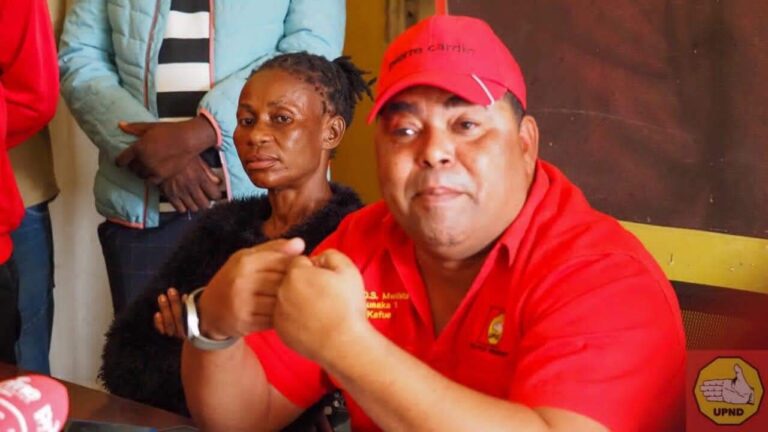
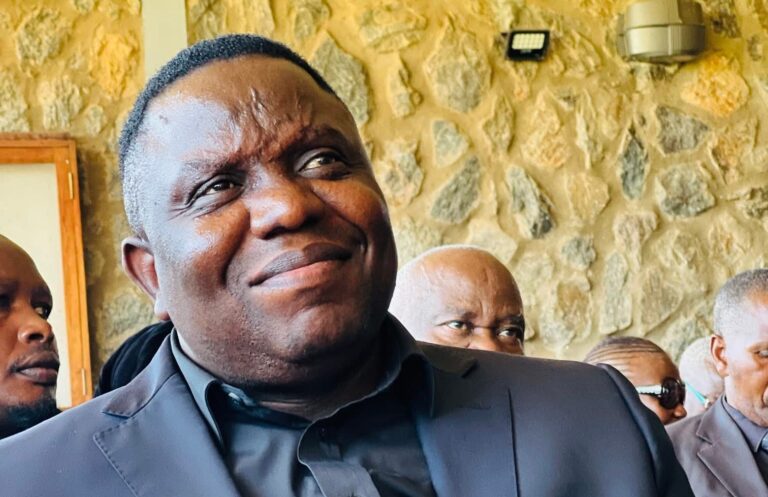
Obvious Mwaliteta has rejected allegations that the UPND is buying votes in Chawama, insisting that the distribution of mealie-meal in the constituency does not amount to voter inducement and should not be criminalised simply because a by-election is taking place.
Mwaliteta’s defence centres on the claim that assistance being provided is either directed at party structures or falls within the continuation of government programmes, which, he says, cannot be suspended on account of an electoral contest. He maintains that feeding people should not be equated with bribery.
That defence emerged only after events on the ground in Chawama drew public scrutiny.
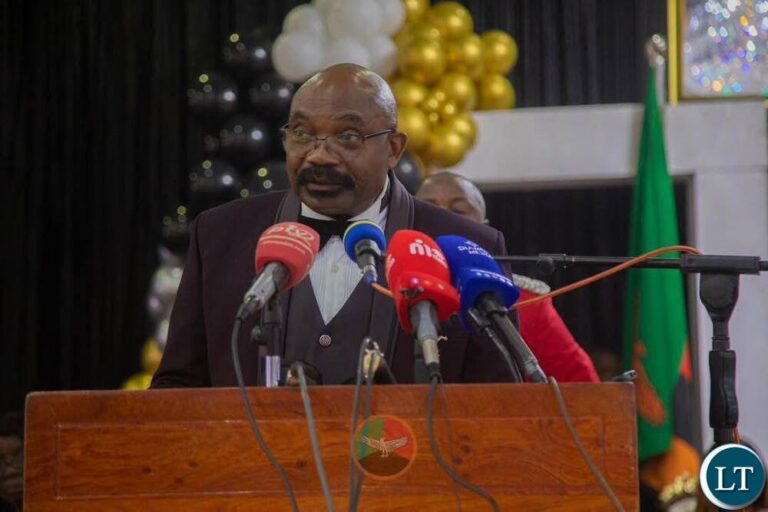
UPND candidate Morgan Muunde has been openly associated with the distribution of truckloads of mealie-meal during the by-election campaign. The timing and visibility of the exercise triggered questions from journalists, who asked whether the activity amounted to bribing voters.
Muunda did not deny the distribution. He dismissed the concern outright.
“What bribe? People are hungry. You want to tell me about vote buying? If the opposition could, they would also do the same thing. Corruption is only bad when it’s being done against you,” Muunde said.
It is this statement, and the conduct surrounding it, that placed Mwaliteta in the position of having to defend the party.
The remarks reframed the issue from legality to justification, effectively arguing that need overrides electoral rules and that wrongdoing becomes acceptable depending on who is accused. That reasoning struck at the heart of the standards the UPND once claimed to embody.
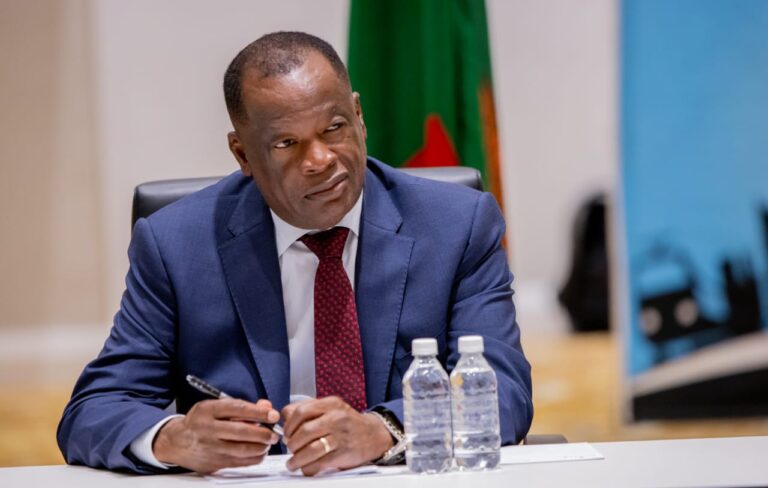
As the controversy escalated, UPND Deputy Spokesperson Elvis Nkandu also weighed in, stating that the party would not buy votes in Chawama while insisting that government programmes would continue. The attempt to separate party activity from state intervention, however, only sharpened the contradiction.
Government programmes are expected to be predictable, non-partisan, and evenly applied. They are not expected to intensify in a single constituency during a by-election, nor to require political defence when questioned.
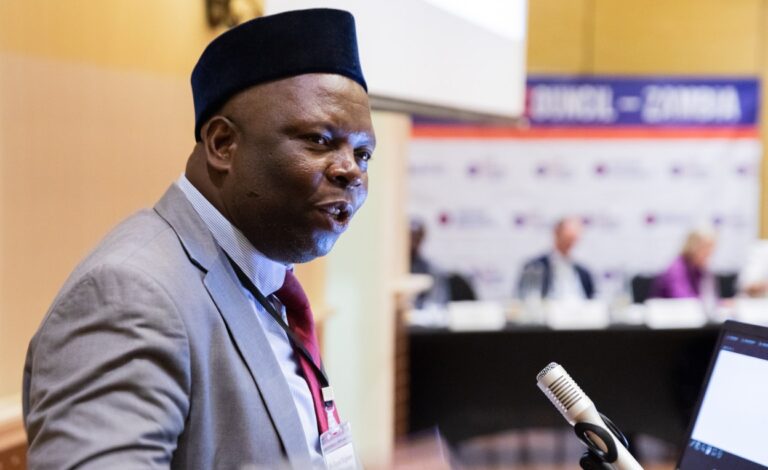
This concern was explicitly raised by Transparency International Zambia. Its Executive Director, Maurice Nyambe, warned that government must ensure state machinery, public funds, and government programmes are not used to influence voters in the Chawama by-election. The warning was specific, timely, and directly relevant to the unfolding events.
Mwaliteta’s defence therefore goes beyond routine political rebuttal. It reflects a party under pressure to explain conduct that sits uncomfortably with its past rhetoric on corruption, inducement, and abuse of incumbency.
The issue is not whether hunger exists. It does. The issue is whether hunger is being used as a political instrument in a competitive electoral environment.
When distinctions have to be drawn between “voters” and “foot soldiers,” and when party officials are forced into semantic defences, the ethical line is already blurred.
Chawama has become a test of consistency. The UPND came to power condemning handouts, vote buying, and the misuse of state resources for political gain. Those positions were clear and uncompromising.
Today, similar practices are being justified rather than rejected. Obvious Mwaliteta may be defending the party as reported, but the circumstances requiring that defence speak louder than any denial. Chawama has exposed the tension between principle and power, and Zambians are watching to see which one prevails.