Changala Says Bill 7 Vote Signals Collapse of Democratic Order
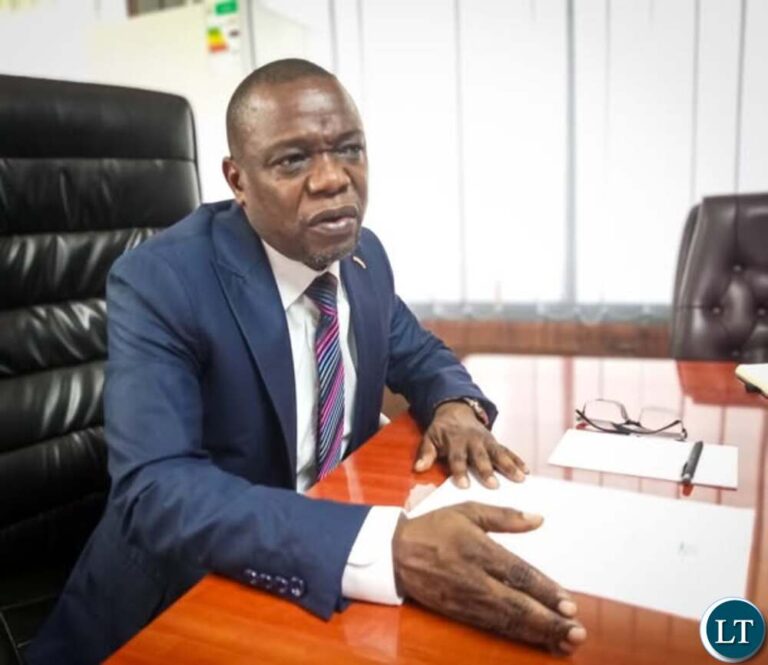
Governance and human rights activist Brebner Changala has accused Members of Parliament of enabling the collapse of Zambia’s democratic order following the passage of the Constitution of Zambia Amendment Bill No. 7 of 2025, describing the vote as a decisive moment that has paved the way for authoritarian rule. Changala emphasized the importance of safeguarding democracy in Zambia.
The implications of the Constitution of Zambia Amendment Bill No. 7 of 2025 reach far beyond the immediate political landscape. This amendment, which has been met with both support and fierce opposition, reflects the ongoing struggle for power within Zambian politics. Many citizens express concerns that the bill has the potential to undermine the very fabric of democracy and civil liberties that have been fought for over the years. It is crucial to examine how similar legislative changes in other countries have led to authoritarian regimes, serving as a cautionary tale for Zambia.
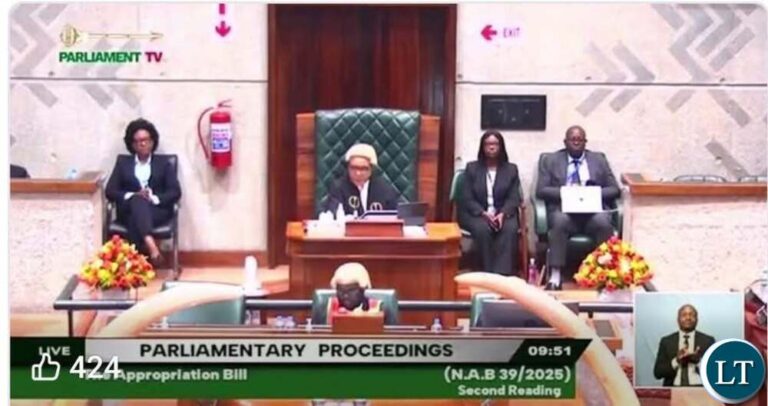
Changala said Parliament, by approving the controversial bill, had allowed what he described as the birth of dictatorship in Zambia, arguing that the decision was taken in disregard of the interests and wishes of the majority of citizens. He said the vote marked a betrayal of the electorate and a turning point in the country’s constitutional history, highlighting the role of Changala in advocating for democratic principles.
To understand the depth of Changala’s concerns, one can look at historical parallels in Africa and beyond. For instance, in countries where governance has shifted towards authoritarianism, the initial steps often included amendments to existing laws that seemed innocuous at first. This trajectory highlights the importance of vigilance and active participation from the electorate to prevent a similar fate for Zambia.
Understanding Changala’s Concerns
Speaking in an interview with The Mast, Changala said Zambians were closely watching the actions of their elected representatives and would hold them accountable at the ballot box in the 2026 general elections. He said Members of Parliament who supported the bill would be required to explain their actions to voters, reinforcing the message of Changala regarding civic responsibility.
Furthermore, civil society organizations play a pivotal role in shaping public opinion and holding leaders accountable. The aftermath of the bill’s passage emphasizes the need for these entities to ramp up their engagement with the public. Educational campaigns that inform citizens about their rights and the implications of such legislative changes could galvanize a more informed electorate, ready to challenge undemocratic moves in the future.
“This is now the birth of dictatorship in Zambia. We allowed it without the use of force. The MPs themselves led the way,” Changala said, adding that the current Parliament had failed to live up to its responsibility to safeguard democratic principles.
Moreover, the reaction from international observers should not be underestimated. Global perspectives on Zambia’s political climate can influence foreign relations, aid, and investment in the country. The more Zambia is perceived as drifting towards autocracy, the greater the risk of strained relationships with international partners who advocate for democratic governance and human rights.
He said the passage of Bill 7 demonstrated that many Members of Parliament were driven by personal and political interests rather than the mandate given to them by citizens. Changala accused lawmakers of prioritising financial and political gain over national interest and constitutional integrity.
As Changala pointed out, the motivations behind the MPs’ decisions are crucial to dissect. Analyzing their affiliations, past political stands, and any potential conflicts of interest can provide insight into the broader implications of their actions. This level of scrutiny is essential for voters as they prepare for the upcoming elections. Informed voting is the cornerstone of a functioning democracy.
Changala said the vote had revealed what he described as a culture of betrayal within Parliament, warning that the consequences of the decision would shape Zambia’s political future for years to come. He said the electorate would respond with greater scrutiny and resolve during the next elections.
The discourse surrounding Bill 7 also highlights the division among political parties in Zambia. The debate showcased a spectrum of ideology and strategy, as various factions aligned themselves either for or against the bill. Understanding these dynamics can help voters navigate the political landscape and make decisions that align with their values and vision for Zambia’s future.
Meanwhile, President Hakainde Hichilema has defended the passage of Bill 7, saying the people of Zambia had spoken through their duly elected representatives. In a message posted on his official Facebook page, the President said the outcome of the parliamentary process reflected democratic participation and should be respected.
In response to Changala’s statements, several political analysts have echoed similar sentiments, warning that the ramifications of Bill 7 could be long-lasting. They argue that democratic backsliding can occur gradually, often disguised as necessary reforms. This insight serves as a reminder to citizens that vigilance is critical in protecting their rights and freedoms.
Hichilema said the passage of the bill followed extensive debate and lobbying from different sides and that disagreement was part of democratic engagement. He said the outcome represented the collective resolve of the nation as expressed through Parliament.
Furthermore, there is a need to foster dialogue between opposing political factions. Bridging the gap between differing viewpoints can lead to a more cohesive and representative governance model. Changala’s call for accountability should resonate with all political players, urging them to prioritize the collective good over partisanship.
“The greatest winners in this process are the people of Zambia and our democracy itself,” President Hichilema said, adding that the time had come for the country to refocus on national development.
As discussions continue, the role of media in shaping narratives cannot be overlooked. Journalists and media outlets have the power to inform the public and hold leaders accountable. Their work can either reinforce or challenge prevailing narratives about democracy and governance. Supporting independent journalism in Zambia is vital for ensuring a free and fair exchange of ideas.
The President called on Zambians to move forward together, urging government, the opposition, civil society and citizens to remain united under the principle of One Zambia, One Nation. He said the debate around Bill 7 had tested the country’s democratic strength and unity.
The call for unity from President Hakainde Hichilema has sparked discussions about national identity and collective action. Citizens are encouraged to reflect on what it means to be part of a democratic society. Engaging in community dialogues and discussions can enhance understanding and foster a shared vision for the nation’s future.
However, Changala maintained that the bill represented a dangerous consolidation of power, warning that future consequences would confirm the seriousness of the decision taken by Parliament. He said the responsibility for the outcome would rest squarely with those who supported the bill.
Additionally, the implications of Bill 7 extend to future governance frameworks. As Zambia prepares for the 2026 elections, the importance of a robust electoral process that reflects the will of the people becomes even more pronounced. Ensuring transparent and accountable electoral practices will be crucial in restoring faith in democracy.
The passage of Bill 7 has continued to attract strong reactions from civil society actors, political commentators and citizens, underscoring deep divisions over constitutional reform and governance in Zambia as the country moves closer to the 2026 elections.
The actions taken by Parliament regarding Bill 7 will undoubtedly shape Zambia’s political landscape for years to come. The voices of activists like Changala are essential in mobilizing citizens to engage and advocate for their rights and freedoms. As the nation moves forward, the collective responsibility of the electorate becomes paramount in safeguarding democracy and ensuring that the government remains accountable to the people.