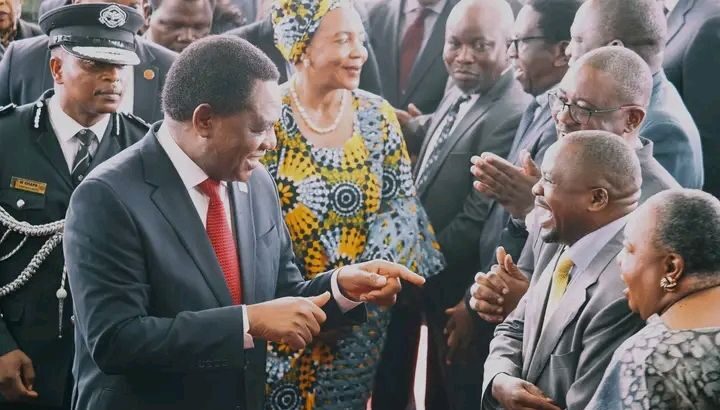
Hichilema signs Constitution Amendment No. 7 and tells Zambians to end the quarrel
LUSAKA, Zambia, December 18, 2025
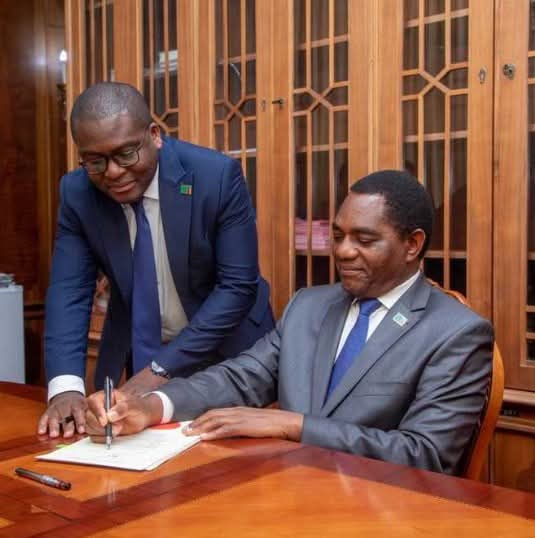
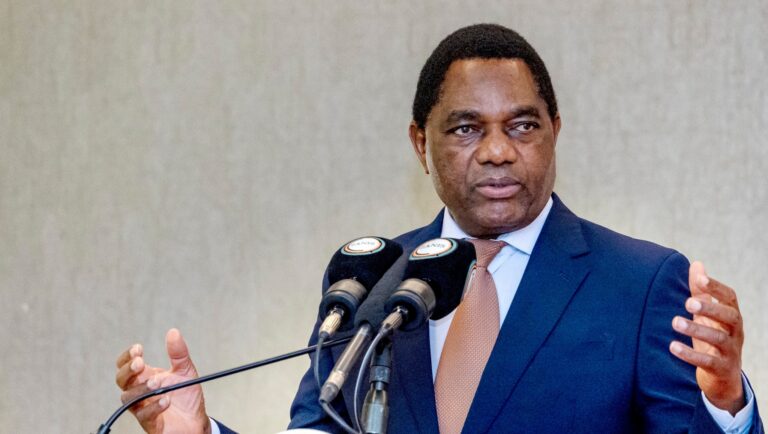
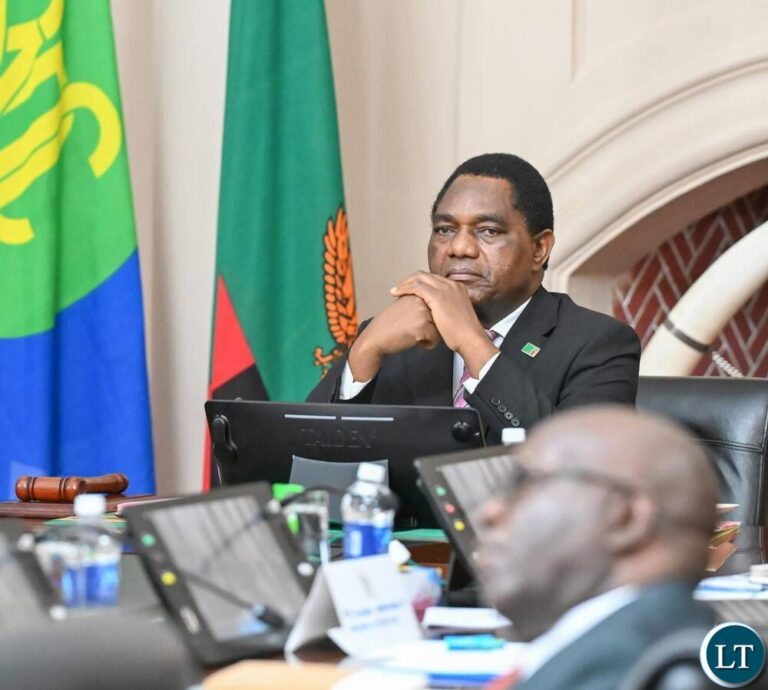
President Hakainde Hichilema on Thursday assented to Constitution Amendment Bill No. 7 of 2025 and urged Zambians to treat the national argument around the measure as settled, shifting attention to electricity supply, decentralised development and economic production.
“After signing, now that is law, I declare that the debate is now behind us,” the President told the ceremony.
A central thread of the address was an insistence that the reform should not be framed as a victory for one party, one leader, one ethnic group or one church. “It’s for the totality of Zambian citizens,” he said, after listing several ethnic identities to emphasise that the moment was national rather than sectional.
He returned repeatedly to that same point, describing the process as belonging to “all the Zambian citizens,” and warning against reading the amendment through partisan lenses.
The speech also pushed back against claims that had circulated during the debate. The President dismissed assertions that Bill 7 included an attempt to extend the presidential term to seven years, remove the 50 percent plus one requirement, or eliminate the running mate arrangement.
“There was nothing in here of that nature,” he said on the term extension claim. On the other allegations, the message was similar, describing them as angles used to scare or divide citizens rather than reflect the content of the amendment.
Instead, the President framed the intent as tackling “non contentious issues” and adding representation for groups he described as under represented in decision making, including women, young people and persons living with disabilities. The argument was presented as additive rather than subtractive, with an emphasis on inclusion.
A notable portion of the address focused on the tone of the national dispute. The President described the argument as intense and wide, including sharp exchanges, then urged a reset.
“My call to the country, now that we’re here, is that we reflect on how we debated,” he said, asking whether citizens had been civil and truthful, and cautioning that debate should not turn into hatred or enmity. A religious illustration followed, drawing on a Biblical teaching about reconciliation before offering at the altar, to reinforce peace making as a national value after a polarising discussion.
On process, the President stated that assent should have happened earlier, around August, but was delayed to allow wider consultations. He credited the Mushabati Technical Committee for completing work within two months and described its contribution as strengthening the final outcome. He rejected claims that the committee was unlawful, presenting it as constituted under the country’s legal framework.
One concrete example used to show “give and take” involved by elections. The President disclosed a preference for removing by elections between general elections to reduce costs and focus on development, then described conceding after the committee and other Zambians maintained that by elections should remain.
That account was followed by a recap of parliamentary votes, presented as cross party. The President referenced the two thirds threshold for constitutional change, then described votes that moved the bill through readings, culminating in what was described as 135 Members of Parliament voting in favour.
From there, the address pivoted to decentralisation and development. A story from a chiefdom visit was used to argue that community level control can reduce project costs and expand delivery. In that example, a school previously costing about K2 million was described as being delivered at about K500,000, allowing more classrooms to be built with the same envelope.
“Why would you be against taking money to the communities instead of Lusaka deciding everything?” the President asked, tying the point to delimitation and an increase in constituencies, which was presented as a pathway to broader distribution of resources.
Electricity dominated the closing sections. The President described citizens’ demands for power to support small businesses and for health centres to function, including the survival needs of children on oxygen. The power crisis was attributed to drought, described as the worst in living memory, and the response was framed as diversifying generation sources, with solar and coal both mentioned.
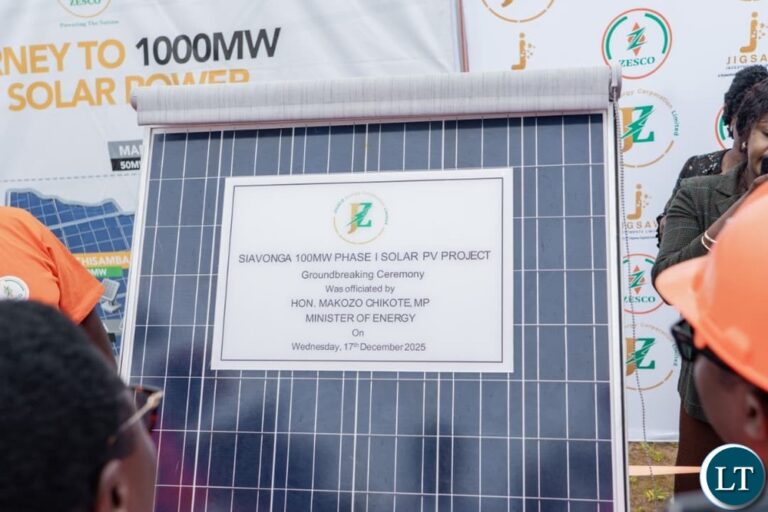
Specific projects cited included Mamba Phase 2 and the Chisamba development, with remarks that Chisamba Phase 1 was completed and Phase 2 was under construction. The President also referred to unlocking transmission capacity through engagement with Zimbabwe, suggesting that the public had already begun to feel an improvement.
A broader economic sweep followed, citing debt restructuring, recovery in mining, tourism growth “from 500 arrivals in 2021 to 2.5 million tourists arriving this year,” and foreign reserves reaching an all time high. The address also referenced fertilizer self sufficiency and factory plans for domestic medicine production, framed as part of a shift toward production rather than consumption.
The President closed with unity language and a work ethic appeal, calling for “unity” and urging citizens to advance love over hatred. A final integrity pledge came in blunt terms: “There will be no cheating,” followed by a rejection of theft or deliberate wrongdoing, and an assurance that mistakes would be met with correction rather than deception.
“With teamwork, unity of purpose, teamwork, hard work, respect for each other, we’ll be OK,” he said, ending with a blessing for Zambia and thanks to the audience.