Monday, June 8, 2026
25.4 C
Lusaka
Home Blog Page 216

Tourism Ministry urges youth to safeguard Zambia’s culture

0

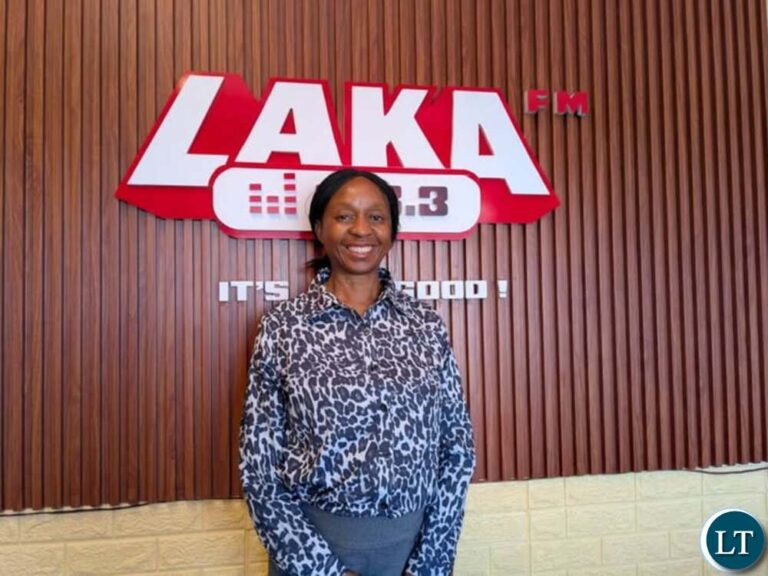
Ministry of Tourism Director for Cultural and Traditional Affairs, Bessie Chelemu, has urged young people to take an active role in preserving the country’s cultural heritage, noting that they are central to the future of Zambia’s identity.

Featuring on the the media programme My Government, Dr. Chelemu said youths should participate in cultural activities, adding that the department supports partner-run workshops, internships and mentorship programmes aimed at nurturing young talent.

She explained that the department collaborates with various ministries because culture cuts across all sectors and does not operate in isolation within government.

Dr. Chelemu also revealed plans to strengthen observance of International Mother Language Day through enhanced collaboration with the Ministry of Education, especially in areas of curriculum development and the teaching of local languages.

“We want to strengthen our inter-ministerial collaboration even further, especially around International Mother Language Day. We are planning to bring on board the Ministry of Education, particularly because of their role in curriculum development and the teaching of local languages,” she said.

She added that the department continues to support the creative industry by facilitating platforms, partnerships and opportunities for growth.

New Total Energies Filling Station opens at KKIA

4

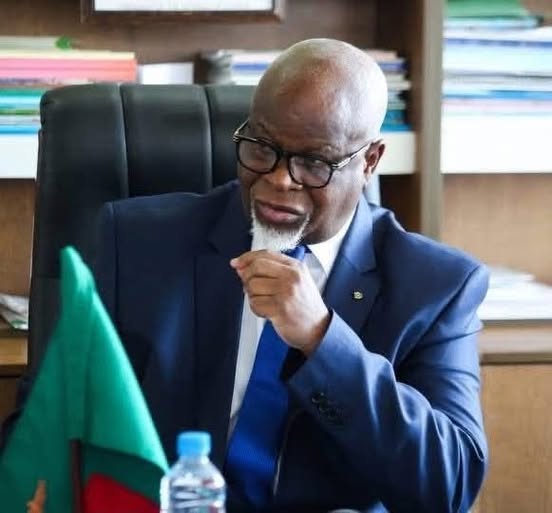
Minister of Transport and Logistics, Frank Tayali, has commissioned a new Total Energies Filling Station at Kenneth Kaunda International Airport (KKIA), describing it as a major milestone in government’s efforts to build a modern, efficient and fully integrated transport system.

Speaking during the commissioning, Mr Tayali said the station is the first development under the Airport Land-Use Plan and a clear example of how public private partnerships can accelerate national growth.

He emphasised that fuel remains a critical enabler of mobility across all modes of transport, adding that placing a filling station within the airport precinct will improve both road and air connectivity for travellers, airport staff and service providers.

Mr Tayali said Zambia’s National Transport Policy aims to transform the country into a regional transport and logistics hub anchored on safe, reliable and well-connected networks.

He further noted that the government has continued to invest heavily in aviation and related infrastructure to position KKIA as a future aviation hub for the Southern African Development Community (SADC) region.

“Achieving that status requires more than world-class airport buildings. It demands strong partnerships, coordinated planning and meaningful private sector participation,” Mr Tayali said.

The minister further said the government views the new facility as a development that will enhance service efficiency and strengthen essential support systems which are required for an effective transport and logistics ecosystem.

He reaffirmed the government’s commitment to supporting private sector driven projects that complement public infrastructure and stimulate national economic growth.

Meanwhile, Zambia Airports Corporation Limited (ZACL) Managing Director, Urvesh Desai, said the future of airport development depends on strong collaborations between government, private sector players, local communities and the aviation industry.

Mr Desai said ZACL remains committed to fostering more partnerships aimed at enhancing airport services and infrastructure.

And Total Energies Marketing Manager, Salamata Ball, said the company will continue to support communities across the country.

Ms Ball said apart from providing fuel services, Total Energies has been distributing helmets and educating motorcyclists on safety in Chipata, an area known for high motorbike accident rates.

She has reiterated the company’s dedication to quality customer service and community-focused initiatives.

Govt calls for stronger regional unity on One Health

0

Minister of Health Elijah Muchima has officially opened the Regional One Health Conference for Eastern and Southern Africa with a call for stronger cross-sector and cross-border collaboration to tackle rising health threats affecting humans, animals and the environment.

Dr. Muchima said Africa is grappling with growing challenges such as climate change, zoonotic diseases, food safety threats and antimicrobial resistance all of which require coordinated action rather than isolated responses.

He explained that rapid urbanisation, land-use changes, migration and expanding trade are increasing interactions between humans, livestock, wildlife and ecosystems, thereby heightening health risks.

Dr.Muchima told delegates that fragmented responses weaken national and regional preparedness, whereas collective action enhances early detection, saves resources and prevents crises.

“One Health is no longer a theory. It is a strategic necessity. When we work together, we prevent crises before they escalate,” he said.

Highlighting Zambia’s progress, Dr. Muchima noted that the country established its first National One Health Strategic Plan in 2023 and now has coordination structures at national, provincial and district levels.

He emphasised that regional health security is only as strong as the weakest link, urging SADC member states to harmonise policies, strengthen cross-border surveillance and enhance information sharing.

He stressed that regional cooperation is not optional but essential.

The Minister added that Africa’s youth should benefit from One Health initiatives through skills development, innovation and green job opportunities.

Dr. Muchima urged delegates to use the two-day conference to agree on practical measures to improve governance, strengthen surveillance, support climate-informed early warning systems and mobilise financing for prevention.

And representing the Southern African Development Community (SADC), Longlet Kumboneki commended member states for their growing commitment to the One Health agenda, noting that recent outbreaks, including Mpox and Ebola, highlight the need for stronger regional solidarity.

Meanwhile, African Union-InterAfrican Bureau for Animal Resources (AU-IBAR) representative Mary Mbole-Kariuki underscored the increasing burden of emerging and re-emerging diseases on the continent, noting that 75 percent of global zoonotic outbreaks have origins in Africa.

DC calls on LCC to actively engage District Works Supervisor

0

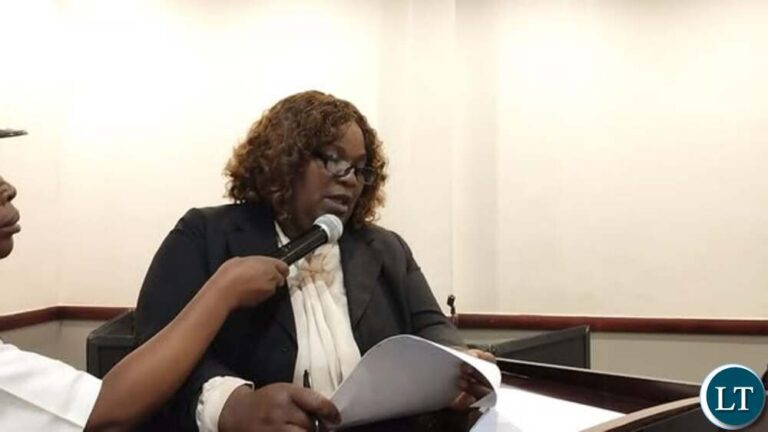
Lusaka District Commissioner, Rosa Kayuni, has called on the local authority to engage end users of Constituency Development Fund (CDF) projects and the District Works Supervisor at all stages of the project implementation phase if quality infrastructure is to be attained.

Ms Kayuni explained that it is the mandate of the Ministry of Infrastructure, Housing and Urban Development to supervise and manage all building infrastructure through the District Works Supervisor in the district.

She was speaking during a two day second and third quarter integrated meeting for the Department of Health in Lusaka.

“Before you hand over any infrastructure, engage the end user department and the District Works Supervisor under my office, he is in charge of all the building infrastructure in the district,” she said.

Meanwhile, Lusaka City Council Public Health Assistant Director, Tito Hampango, bemoaned the lack of burial space in the district.

Mr Hampango also disclosed that the local authority issued more than 400 burial permits in the last quarter.

He said Lusaka City Council issues between 50 to 55 burial permits every day.

“The cheapest burial space in the district is about K25,000, and our local people cannot afford such an amount,” he said.

He has since appealed to the District Commissioner’s Office and other stakeholders to help source for land to be used as a burial site for the district.

Court Upholds Ruling: No Unfair Dismissal After Fixed-Term Contract Ends

0

LUSAKA – The Court of Appeal has affirmed a High Court decision that a Finance Manager whose two-year fixed-term contract expired without renewal was not unlawfully dismissed.

The manager, employed by Livestock Services Cooperatives Society, claimed her contract was not renewed because she had previously reported her supervisor for alleged sexist remarks. An internal board had investigated the complaint and dismissed it as frivolous.

As her contract approached expiry, some of her responsibilities were reassigned while she was on leave. Upon expiry, she was notified that the contract would not be renewed, despite no such clause being specified in the original agreement.

She later took the matter to the High Court, arguing that the non-renewal amounted to wrongful, unlawful, and unfair dismissal, and even claimed it was a form of redundancy. Both the High Court and a three-judge panel of the Court of Appeal dismissed her claims.

In its judgment delivered last month, the appellate court stated: “The record of appeal shows that the Appellant was not dismissed. She worked until her contract period expired.”

The judges found that she did not prove any statutory breach or substantiate the allegation of sexist remarks. They stressed that Zambian law does not compel an employer to renew a fixed-term contract once it ends.

The court described her claims as vague and speculative, adding that she appeared to be “merely fishing and hoped that one of the claims would stick.” She was ordered to pay her former employer’s legal costs.

The case, Musonda v Livestock Services Cooperatives Society (Appeal No. 165/2023), reinforces that the expiry of a fixed-term contract is not a dismissal, and renewal is not guaranteed.

Lusaka Court Orders Defence in Cyber Harassment Case Involving Presidential Advisor

0

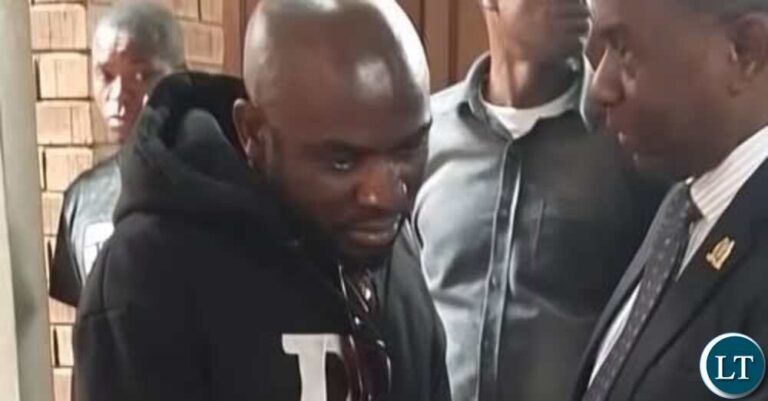
LUSAKA, Zambia – The Lusaka Magistrate’s Court has ruled that a Lusaka man accused of cyber harassing Presidential Policy Advisor Ms. Chipo Mwanawasa has a case to answer.

Magistrate Idah Phiri found that the State had established a prima facie case against Joseph Chishimba, 33, of Jack Township, and subsequently placed him on his defence.

Chishimba is charged with the publication of information contrary to Section 54 of the Cyber Security and Cyber Crimes Act No. 2 of 2021. He pleaded not guilty to the charge at the start of the trial.

Allegations and Evidence

Prosecutors alleged that between October 9 and October 14, 2024, Chishimba used a registered phone number to post a screenshot in a WhatsApp group named “Zambian Politics.”

The court heard that the screenshot purported to originate from a Facebook page under the name “Hon Charles Kakula.” The image’s caption contained a serious personal allegation against Ms. Mwanawasa, falsely claiming she was impregnated by an individual at “Plot 1,” a common reference to State House.

The State presented evidence linking the accused to the publication, which the magistrate deemed sufficient to require a defence.

Legal Threshold Met

In delivering her ruling this morning, Magistrate Phiri stated that the evidence presented, if uncontested, could sustain a conviction. The finding of a prima facie case shifts the legal burden to the accused to answer the charges against him.

“The court has found that a prima facie case has been made out against the accused. He is therefore placed on his defence,” Magistrate Phiri stated.

Next Steps

With the court’s ruling, the trial now moves to the defence phase. Chishimba must choose how to proceed, with options including testifying under oath, calling witnesses, presenting evidence, or exercising his right to remain silent.

The case is being closely watched as a test of the application of Zambia’s 2021 cyber laws, which criminalise the electronic transmission of harmful information intended to harass, intimidate, or degrade an individual.

The matter has been adjourned to a future date for the defence to begin its case.

Zambia, Tanzania sign mutual recognition deal to boost trade

1

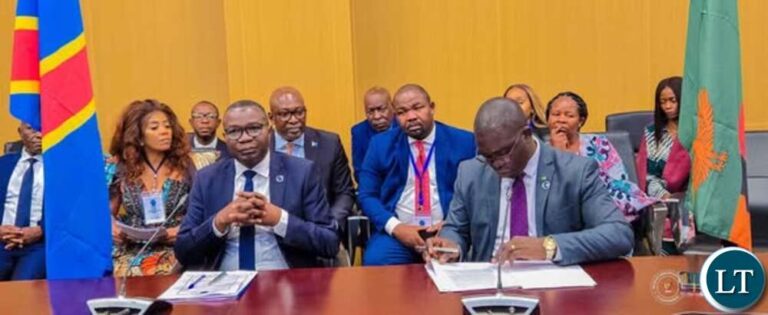
Zambia and Tanzania have strengthened bilateral cooperation in legal metrology with the signing of a Mutual Recognition Framework Agreement (MRFA) between the Zambia Metrology Agency (ZMA) and Tanzania’s Weights and Measures Agency, targeting enhanced collaboration in the petroleum subsector.

Minister of Commerce, Trade and Industry Chipoka Mulenga said the agreement will strengthen cooperation, facilitate mutual recognition of measurements and test results and promote technical collaboration between the two countries.

Mr Mulenga explained that the MRFA is expected to reduce duplication, lower business costs and improve turnaround times, ultimately supporting trade facilitation and regional economic integration.

Speaking at the signing ceremony, Mr. Mulenga emphasised that the agreement advances the vision of President Hakainde Hichilema and President Samia Suluhu Hassan, who have underscored the importance of regional cooperation, trade growth and shared prosperity.

He added that the agreement marks a key milestone in implementing resolutions from the Bilateral Trade Ministerial meeting held in Tunduma, Tanzania, in April 2024, which aimed to eliminate Non-Tariff Barriers (NTBs) and strengthen technical regulatory collaboration.

Mr Mulenga urged ZMA and the Tanzania Weights and Measures Agency to ensure timely implementation, maintain stakeholder engagement and consistently monitor progress to deliver tangible benefits.

He also reaffirmed Zambia’s commitment to working with Tanzania to create a region where trade is efficient, industrialisation is accelerated and prosperity is shared.

Tanzania’s Ambassador to Zambia, Lt. Gen. Matthew Mkingule, welcomed the agreement as an important step in strengthening measurement systems and deepening regional integration.

Lt. Gen. Matthew Mkingule  noted that the partnership will promote harmonised regulatory results, type approvals, calibration and verification certificates, and expand collaboration in capacity building and research.

“This agreement is not just a trade deal; it’s a strategic partnership, a trade enabler and a protection mechanism for consumers and industries in both countries,” Lt. Gen. Mkingule said.

He added that the MRFA aligns with national, regional and global aspirations and is expected to strengthen economic competitiveness, consumer confidence and the seamless movement of goods through transparent metrology systems.

Tanzania’s Ministerial Advisory Board Chair, Professor Eliza Mwakasangula, highlighted the agreement’s potential to drive economic transformation and enhance consumer protection, noting that trade depends on trust, trust built on accurate measurements.

And ZMA Executive Director Humphrey Nkobeni emphasised the benefits for industry and consumers, including reduced compliance burdens and improved credibility of measurement results.

“This agreement is a decisive step toward a stronger, harmonised and efficient regional measurement ecosystem,” Mr. Nkobeni said.

ZCS donates K70,000 surgical supplies to boost cancer care

1

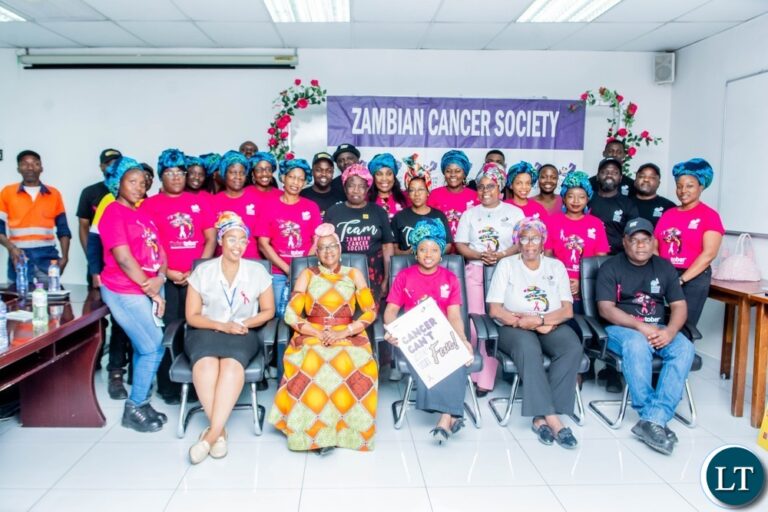
The Zambian Cancer Society (ZCS) has strengthened cancer treatment services at the University Teaching Hospital Cancer Diseases Hospital (CDH) with a donation of surgical supplies worth K70,000, aimed at enhancing quality care and supporting the fight against cancer.

The donation includes essential surgical equipment such as ECG electrodes, closed wound drainage systems and primesafe items, which are critical in both cancer-related and general surgical procedures.

Speaking during the handover ceremony in Lusaka today, ZCS Communications and Administration Manager Idah Phiri said the organisation remains committed to ensuring that health facilities are adequately equipped to provide safe and effective treatment.

“These supplies will help improve surgical outcomes and ensure that patients receive timely, quality care,” she said.

Ms. Phiri also emphasized the need for stronger collaboration between civil society and the Ministry of Health, noting that Zambia continues to record rising cancer cases that require a coordinated national approach.

“There is also a need to encourage early detection, as most patients present late for diagnosis, which makes treatment and recovery more difficult,” she added.

And Gymkhana Vice Chairperson Julie Matthews described the donation as a symbol of hope and resilience in the country’s ongoing battle against cancer.

“This contribution reflects our shared determination to save lives and support patients who are fighting cancer,” she said.

Receiving the donation on behalf of CDH, Consultant Surgical Oncologist Kabisa Mwala expressed gratitude, describing the gesture as timely and impactful.

“These surgical items will greatly support our work. We handle numerous cases that require specialised care, and having the right tools is essential for ensuring patient safety,” he said.

Dr. Mwala appealed for more support from stakeholders through advocacy, donations and awareness campaigns, stressing that early detection remains critical.

“Cancer is treatable when detected early and community awareness can save lives,” he said.

Govt Departments urged to prioritise poverty reduction in 2026

0

Lusaka Province Minister Sheal Mulyata has directed heads of departments to deliberately undertake programmes that will contribute to poverty reduction, economic diversification and inclusive human development in 2026.

Ms. Mulyata said key national objectives must be at the centre of programme implementation in the new year.

She was speaking in Lusaka when she virtually officiated at the Third Quarter Provincial Development Coordinating Committee (PDCC) meeting.

The Minister said aligning provincial programmes with national priorities will strengthen collective impact and ensure that initiatives remain relevant and responsive to Zambia’s broader development agenda in 2026.

“As we deliberate today, let us remain aligned with the broader national development agenda while maintaining focus on our local priorities. The development of Lusaka Province requires a unified, coordinated approach across all sectors, departments and stakeholders,” Ms. Mulyata said.

She also highlighted several achievements recorded by the Lusaka Province Administration in 2025.

Ms. Mulyata cited the scaling-up of the School Feeding Programme, which reached 616,065 learners and the procurement of over 600,000 desks to improve the quality of education in schools.

She further noted that the province recorded a historic maize bumper harvest of 55,850 metric tonnes against a target of 22,000 metric tonnes during the 2024/2025 farming season.

“This was achieved through collaborative efforts between government institutions and key stakeholders, including traditional leadership. The province has also witnessed road works and other developmental projects being implemented,” she said.

Meanwhile, Lusaka Province Acting Deputy Permanent Secretary Gideon Mwanza stressed the importance of unity of purpose among stakeholders to ensure successful implementation of provincial programmes.

Bill 7 and the Cost of Ignoring Legal Foundations

1

Zambia finds itself at a turning point. The Constitutional Court’s ruling that struck down the process behind Bill 7 did more than invalidate a single legislative proposal. It exposed a widening gap between constitutional obligation and political will. At the centre of the issue sits a simple question that now confronts Parliament: how does a democratic institution proceed when the law has stripped its subject matter of any legal existence.

The court did not leave room for interpretation. It held that the procedure used to originate Bill 7 failed the basic constitutional threshold. A bill that begins through an unlawful process cannot grow into a legitimate amendment proposal. It cannot be debated, altered or voted on. It is an empty frame. Professor Cephas Lumina drew on Lord Denning’s principle to capture this reality, noting that nothing can stand if placed on an unlawful base. In constitutional terms, Bill 7 is not merely defective. It is absent.

Yet the Select Committee on Constitutional Review remains engaged, operating under Standing Order 113, which presupposes a lawfully referred bill. That assumption no longer survives the court’s ruling. Any report or recommendation produced under these circumstances carries the weight of a document written about something that is not before the House. Parliament risks placing itself in conflict with Articles 1 and 128, which bind all arms of state to decisions of the Constitutional Court.

The situation has been complicated further by the Technical Committee’s reappearance after its mandate ended on December 1. Parliamentary proceedings are currently shadowed by litigation in the Law Association of Zambia case. In such a context, a re-engagement by the Technical Committee is more than a procedural irregularity. It raises questions about respect for the judicial process and the limits of delegated authority. Presenting views on a bill already declared void introduces further uncertainty into an already unstable framework.

Political actors have sharpened their criticisms. Sakwiba Sikota’s description of Bill 7 as something long expired may appear harsh, yet it reflects a growing view among national stakeholders that the process has lost legitimacy. Traditional leaders asked for restraint. The Church and civil society sought more time. Linguistic limitations prevented many citizens from engaging with the content. These concerns were not peripheral. They went to the heart of constitutional participation and public ownership.

The Constitution demands more than technical compliance. It demands fidelity to procedure, respect for the rule of law and attention to the voices of those governed. A legislative process cannot be rescued once its foundation has been removed by judicial declaration. Attempts to accelerate scrutiny or adjust Standing Orders do not cure the absence of legality. They only deepen the uncertainty.

Parliament now carries the responsibility of restoring confidence in the constitutional order. That responsibility begins with accepting the court’s ruling in full. The Select Committee cannot produce authority where none exists. The Technical Committee cannot revive a mandate that has ended. The amendment process cannot continue on ground the court has ruled invalid.

There remains a viable path forward. It requires stepping back and rebuilding the process from the beginning. It requires translated materials, wide participation and a lawful foundation. It requires an approach that treats constitutional amendment not as a political race but as a national duty that demands clarity, patience and respect for institutional boundaries.

The crisis surrounding Bill 7 is not a story of political defeat. It is a test of Zambia’s commitment to constitutional culture. The country now waits to see whether its leaders will choose the path that upholds the law and protects the integrity of the democratic process.

HH Calls for Stronger Protection Against Social Media Abuse

12

HH Calls for Stronger Protection Against Social Media Abuse
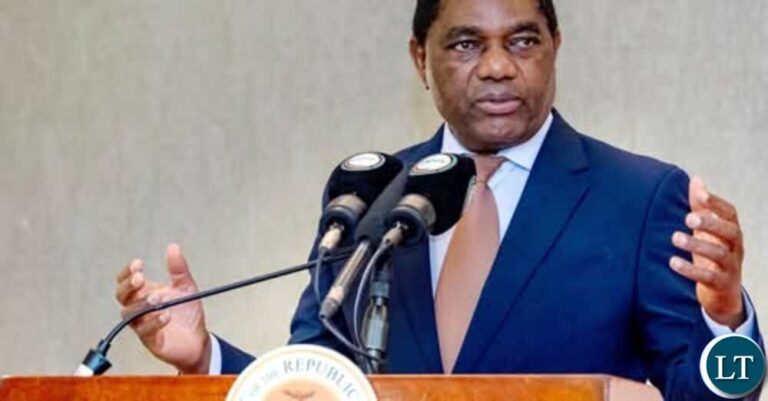
President Hakainde Hichilema has reaffirmed the government’s commitment to protecting the public from harmful online behaviour and ensuring that digital platforms are used responsibly across the country. He delivered the message during a ceremony in Lusaka, where he said that the growth of social media had created new opportunities for expression and economic activity, but had also introduced risks that needed careful management. He noted that online platforms were increasingly being used to spread harmful content, including false information, targeted harassment, and material intended to cause alarm or confusion among the public.

During the event, the President highlighted the need for a balanced approach that upholds human rights while promoting responsible conduct in digital spaces. He said that the administration would continue to support legitimate online expression and encourage citizens to participate in public dialogue without fear. However, he stressed that freedom of expression did not include the right to harm others or cause instability through malicious use of online tools. According to him, safeguarding communities from digital abuse required a coordinated effort from government institutions, civil society, and platform operators.

He acknowledged the role that online communication now plays in shaping public opinion, economic participation, and social interaction. He also said that the country had witnessed a rise in incidents where individuals or groups used social platforms to misinform the public or to intimidate others. These trends, he said, presented challenges for national cohesion and required both policy responses and responsible behaviour from users. He further pointed out that the government’s position was not to restrict debate, but to create an environment where technology supports development rather than division.

The President also referenced concerns about cyberbullying, identity misuse, and the circulation of fabricated stories, noting that such actions can have real consequences for communities and institutions. He said that online abuse had affected individuals in government, business, education, and ordinary households. As such, government agencies would continue strengthening frameworks that protect citizens while upholding constitutional freedoms. He added that the administration was working with specialised bodies responsible for cybersecurity, public safety, and digital literacy to enhance the country’s preparedness for emerging online risks.

In his remarks, he urged families, schools, and community organisations to take part in promoting responsible online behaviour. He said that digital literacy should be understood as a shared responsibility, beginning at the household level and extending to national institutions. According to him, encouraging young people to use digital platforms productively was essential for long-term social and economic growth. He also said that parents and guardians played an important role in guiding minors on acceptable online conduct and helping them avoid harmful content.

He acknowledged that Zambia’s digital landscape was evolving quickly, and that the government would continue strengthening laws and policies to keep pace with new developments. He said that improvements in regulatory systems were intended to protect citizens from harmful content and financial fraud while maintaining an open environment for innovation. He added that the administration would continue consulting stakeholders including civil society groups, technology professionals, and community leaders on policy matters related to the digital environment.

During the event, the President addressed concerns raised by citizens about online harassment and the misuse of personal data. He said that protecting personal dignity was a priority and that no individual should be exposed to unwarranted attacks on digital platforms. He also noted that the spread of false information had the potential to create unnecessary fear, disrupt social harmony, and compromise public trust in institutions. He said that ongoing efforts to improve digital governance were intended to address these challenges without limiting legitimate public engagement.

He closed by saying that the government’s aim was to ensure that digital technologies remain a tool for national development, open dialogue, and economic opportunity. He said that Zambia’s future depended on responsible use of communication tools and that cooperation among all sectors would help maintain a safe and productive digital environment for the country.


Deputy Whip Dismisses Politics in MP’s Seat Nullification

1

Deputy Government Chief Whip Likando Mufalali has rejected claims that the nullification of Tasila Lungu’s Chawama parliamentary seat was politically driven. He attributed the decision to Ms. Lungu’s alleged lack of cooperation and disregard for parliamentary procedures.

Speaking on Lusaka’s Chatback program, Mr. Mufalali stated that after an ultimatum was issued, the former lawmaker should have arranged to attend parliamentary sittings virtually rather than abandoning her duties entirely.

“If Ms. Lungu had reached out to the Speaker regarding her extended absence from the House, Parliament would have granted her that permission, but that was not the case,” said Mr. Mufalali.

He added that the UPND will campaign in Chawama Constituency, noting that the by-election—scheduled for January 15, 2026—could have been avoided through dialogue between Ms. Lungu and Parliament.

Mr. Mufalali expressed confidence that the UPND will win the upcoming parliamentary by-election. He emphasized the importance of all constituencies across the country having proper representation in the National Assembly through present leaders.

Minister Syakalima Thanks International Youth Fellowship for School Programs

0

The Minister of Education, Hon. Douglas Syakalima, has expressed appreciation to the International Youth Fellowship (IYF) for partnering with the Ministry to implement structured training programs in Zambian schools. The programs focus on behavioral change and leadership development.

Hon. Syakalima noted that IYF’s initiatives play a key role in imparting practical skills and values to young people. He made these remarks at his office while presenting certificates to seven IYF volunteers who successfully completed a ten-month voluntary program in Zambia.

“Through its programmes, IYF is helping our youth acquire essential skills that will prepare them for the future,” Hon. Syakalima said.

The volunteers, who came from countries including South Korea, dedicated their time to teaching Zambian youth skills such as plumbing, bricklaying, tailoring, computer literacy, and mind education.

Speaking earlier, IYF Chairperson Rev. Seungyoon Woo explained that the volunteers are university students who take a break from their studies to serve abroad.

“Our volunteers devote their time and energy to equipping young people with skills that will benefit them long after the programme ends,” Rev. Woo said.

This collaboration highlights the Ministry of Education’s commitment to fostering partnerships that enhance youth empowerment and leadership development across Zambia.

Ministry of Health Strengthens Grievance Redress Mechanism

0

The Ministry of Health has initiated a review and strengthening process of its existing grievance redress mechanism to improve conflict resolution channels within the health sector.

Speaking in Kabwe, Central Province, during the inaugural stakeholder review meeting, Provincial Health Director Elijah Mutoloki emphasized that the updated mechanism aims to enhance avenues for resolving conflicts effectively.

In a speech delivered on his behalf by Provincial Public Health Specialist Isaac Banda, Dr. Mutoloki stated that the Ministry will ensure the revised document complies with all legal provisions. He noted that a robust mechanism developed during the COVID-19 pandemic was not fully implemented.

Dr. Mutoloki highlighted that this project represents a new chapter in Zambia’s health governance, contributing to a more resilient, responsive, and accountable health system. The initiative aligns with the World Bank-supported Zambia Health Emergency Preparedness, Response, and Resilience Project under the broader Multi-Phased Approach Framework for Eastern and Southern Africa.

MOH Assistant Director for Health Promotion and Community, Kalangwa Kalangwa, described the mechanism as progressive for the health sector.

Meanwhile, MOH Chief Health Promotion Officer, Constance Musenge, stated that once the updated national document is standardized, it will facilitate the speedy resolution of conflicts among affected parties.

Govt calls for an end to bill 7 controversy

4

Government has urged the nation to de-escalate the heated debate surrounding the National Assembly Constitutional Amendment Bill No. 7 of 2025, following a series of court rulings dismissing petitions filed by opposition members and allied civil society groups.

Speaking during a media briefing in Lusaka, Chief Government Spokesperson Cornelius Mweetwa said recent court decisions have clarified that there is no legal impediment to the continued progression of Bill No. 7 in Parliament.

Mr Mweetwa who is also Minister of Information and Media said Government expressed concern over what it described as an emerging trend in which some opposition figures and sections of the public are “abusing the courts of law” in attempts to halt the parliamentary processes surrounding the Bill.

Mr Mweetwa said these remarks following yesterday’s dismissal of a case filed by Member of Parliament for Mporokoso Constituency, Brian Mundubile and Celestine Mukandila, who sought contempt proceedings against the Speaker of the National Assembly, the entire Presiding Officers’ Bench, and all parliamentary staff for proceeding with activities related to the Bill.

Mr Mweetwa described the attempt to summon Parliament’s leadership to court as “extremely concerning,” noting that the case was dismissed even before full commencement due to lack of merit.

He also condemned efforts to drag the Republican President into the same proceedings, emphasizing that Article 98 of the Constitution insulates the Presidency from legal proceedings of that nature.

“It did not require the courts to lecture them, the opposition, many of whom are lawyers, should have known that the Head of State cannot be joined to such matters under the law,” he added.

Mr Mweetwa noted that the opposition and their allies appear to be using the courts as a platform to challenge or alter constitutional provisions, an approach the government insists is inappropriate and legally unsustainable.

He further said the sequence of rulings should now allow the country to continue with a calm, informed and legally grounded approach to constitutional reform.

The Minister also explained that Zambian laws do not apply retroactively and therefore the court’s guidance on wider consultations cannot be interpreted to invalidate actions that were already underway.

He stressed that the government had, in fact, voluntarily deferred Bill No. 7 earlier to allow for broader consultations, including the establishment of a technical committee and multiple dialogue engagements.

Mr Mweetwa further assured citizens that the National Assembly is on firm legal ground to continue processing Bill No. 7 and will not be going back.

He also referenced the case involving the Law Association of Zambia (LAZ), NGOCC, Oasis Forum and others, in an attempt to secure a conservatory order to stop Parliament from hearing Bill 7, on grounds of the technical committee’s involvement which was dismissed by the courts.

He further urged the opposition and the Oasis Forum to consider the broader national interest, particularly as the country approaches the 2026 general elections.

He explained that the Bill aims to address critical areas of uncertainty in the current constitution, including potential disputes under Article 103 relating to presidential electoral petitions and re-nominations under Article 52(6).

Mr Mweetwa reiterated that Bill 7 seeks to promote greater inclusion by increasing representation of women, youth and persons with disabilities in the National Assembly.

He further urged all stakeholders to allow the parliamentary process to continue without disruption, emphasising that national unity and constitutional stability must take precedence.

“We urge the opposition and the Oasis Forum to submit before the Select Committee rather than spend time planning the next court action,” he said

“This is the appropriate platform for addressing issues of consultation. That way, we can move forward together as a nation,” he noted.

Mr Mweetwa further appealed to the media to concentrate on educating the public about the economic achievements rather than amplifying attempts to halt Bill 7.