Monday, June 8, 2026
14 C
Lusaka
Home Blog Page 220

Mundubile Demands MPs Return Alleged Bribe Money Linked to Bill 7

Mundubile Demands MPs Return Alleged Bribe Money Linked to Bill 7

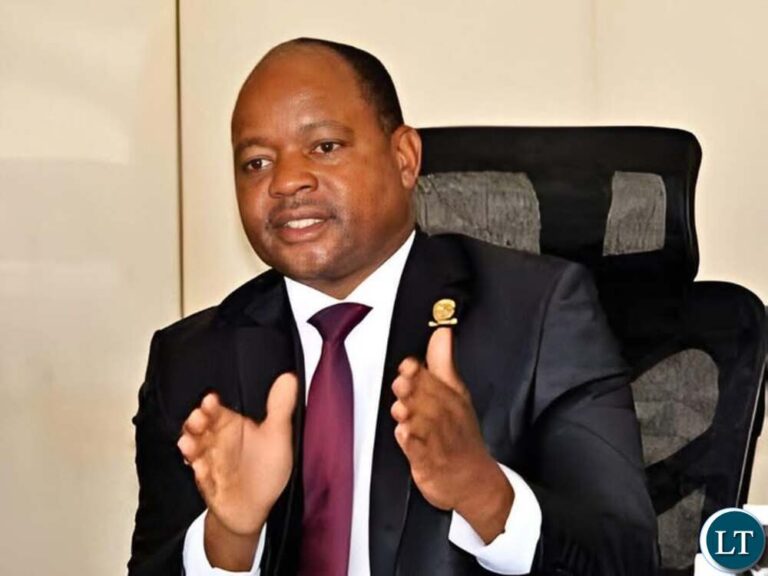
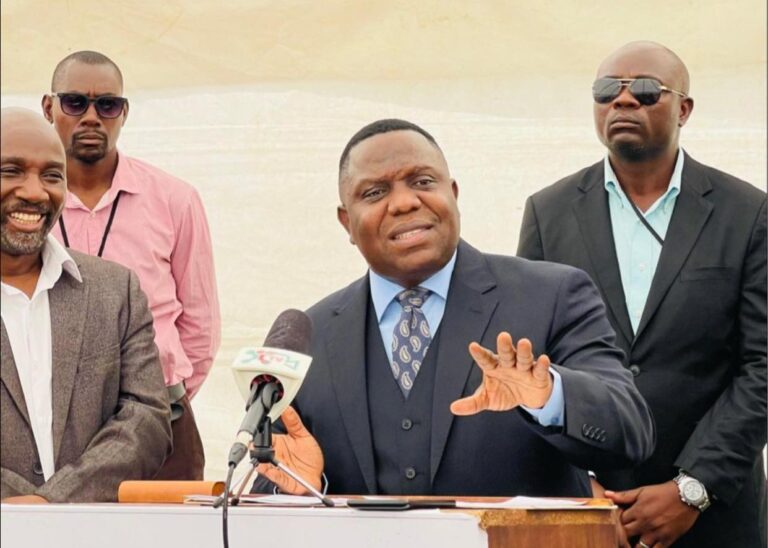
LUSAKA — Patriotic Front presidential aspirant Brian Mundubile has called on Members of Parliament to return funds he alleges were paid to secure support for Constitution Amendment Bill No. 7, describing such payments as a betrayal of public trust. His statement sharpens scrutiny of the legislative process and elevates concerns about ethics, transparency, and the integrity of constitutional reform.

Mundubile contends that Bill 7 lost legitimacy the moment it was revived without resolving legal deficiencies flagged by the Constitutional Court in its earlier ruling. He argues that Parliament’s decision to proceed despite these unresolved issues created conditions ripe for unethical conduct. “If any MP accepted money to back this bill, they violated the fundamental duty owed to the citizens who elected them,” he said.

He framed the issue as one of national accountability, not partisan politics. According to Mundubile, constitutional amendments define the nation’s governance architecture and must be handled with the highest ethical standards. He warned that ignoring allegations of inducement risks permanent damage to public confidence in Parliament. “Citizens deserve clarity,” he said. “Those implicated must either deny the claims under oath or return the money and face consequences.”

The controversy arrives amid deepening public skepticism about Bill 7. Civil society groups, legal professionals, and faith-based organisations have repeatedly questioned the legality of reviving the bill without addressing the court’s objections. Mundubile said these concerns should have prompted a pause. Instead, he asserted, the rushed process opened space for “backroom deals that poison democracy.”

He stressed that constitutional reform cannot be legitimate if tainted by bribery. “The Constitution is not a commodity to be bought or sold,” he said. “It is the foundation of our republic.” He called on named MPs to publicly refund any funds received and submit to independent scrutiny. Without such action, he warned, the legislative process would be seen as compromised beyond repair.

Mundubile also highlighted the erosion of public trust. He noted that citizens increasingly view Parliament as detached from their interests, especially when handling foundational laws. “When people hear that votes on constitutional matters may have been purchased, they stop believing in the system altogether,” he said. He warned that this disillusionment could suppress civic engagement long after the current debate ends.

His remarks intersect with broader calls for accountability in public office. He argued that elected leaders must model integrity, particularly on issues that affect the separation of powers and democratic balance. “Constitutional amendments are not routine legislation,” he said. “They require consensus, not coercion or cash.”

Mundubile’s intervention comes amid heightened intra party competition within the Patriotic Front. While he did not present evidence in his public statement, he insisted the allegations warrant formal investigation. “Even the perception of corruption in constitutional matters is dangerous,” he said. “It must be confronted openly, not swept aside for political convenience.”

He urged the government to halt further consideration of Bill 7 until three conditions are met: a transparent account of how the bill complies with the Constitutional Court’s ruling, a public review of the revival process, and disciplinary measures for any proven misconduct. “Political expediency must never override constitutional integrity,” he said.

Parliament has not issued an official response to Mundubile’s allegations. No named Members of Parliament have publicly confirmed or denied receiving payments related to the bill. The Office of the Speaker has not announced plans for an inquiry. Meanwhile, civil society coalitions including the Governance Accountability and Policy Forum and the Zambia Council of Churches have reiterated calls for transparency in the amendment process.

The Constitutional Court’s 2024 ruling, which found procedural irregularities in the previous version of Bill 7, remains central to the ongoing dispute. Legal analysts note that the court declared certain clauses noncompliant with Article 79 of the Constitution, which outlines mandatory public consultation requirements for amendments affecting governance structures. Parliament has not published a legal memo demonstrating how the current version satisfies those requirements.

Mundubile’s statement was delivered during a press briefing in Lusaka attended by party officials and civic representatives. He provided no documentary evidence but cited unnamed sources within parliamentary circles. He said the matter requires urgent attention from law enforcement agencies and anti corruption bodies.

As of Monday, December 8, 2025, Bill 7 remains before the Committee Stage in the National Assembly. A final vote has not been scheduled.
Bill 7 Risks One Party Dominance, Warns Governance Activist Changala

Bill 7 Risks One Party Dominance, Warns Governance Activist Changala

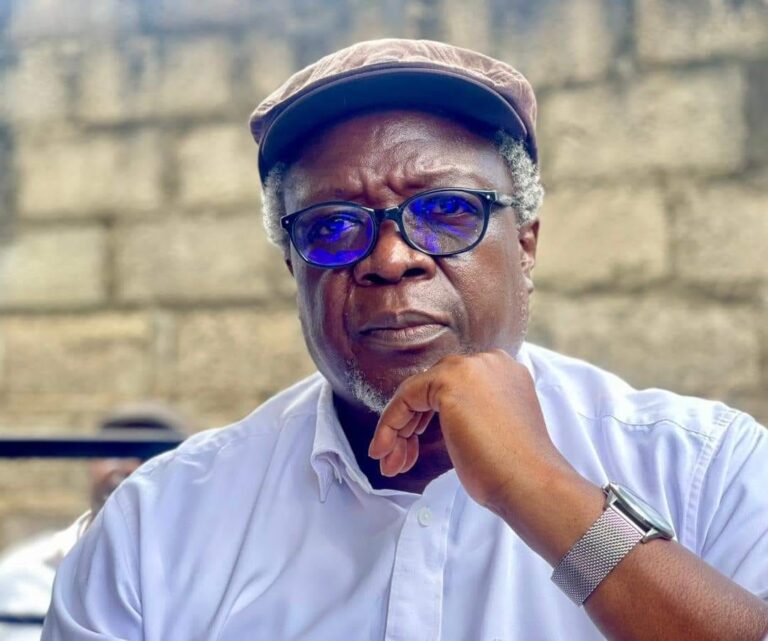
LUSAKA — Political and good governance activist Brebner Changala has issued a strong warning that Constitution Amendment Bill No. 7 contains provisions that could steer Zambia toward one party dominance. His statement adds to growing concern among legal experts, civil society groups, and opposition figures who argue the bill reshapes the political landscape to favour those in power.

Changala pointed to clauses that adjust representation, expand executive authority, and alter the balance between state institutions. He said these changes are not neutral but deliberately tilt institutional dynamics in favour of the ruling administration. “Constitutional reforms must strengthen democratic competition, not weaken it,” he said.

He recalled that the Constitutional Court previously halted an earlier version of the bill, flagging serious legal and procedural concerns. According to Changala, the current iteration reappears without clear evidence that those judicial objections have been addressed. He expressed alarm that lawmakers are advancing the bill through a process many view as opaque. “Constitutional legitimacy requires transparent correction of flaws, not procedural repetition,” he said.

Changala emphasized that Zambia’s multiparty system depends on fair access to state institutions, equal opportunity for political parties, and credible mechanisms for leadership transitions. He warned that embedding structural advantages for the incumbent risks normalizing one party rule over time. “Once rules are rewritten to entrench those in power, future administrations may extend those advantages, slowly eliminating genuine competition,” he said.

His remarks arrive amid heightened public scrutiny. Citizens across urban and rural communities have voiced concerns through radio discussions, church meetings, and local forums. Many fear the bill centralises authority at a time when expectations for greater accountability are rising. Changala’s analysis provides a framework for understanding how technical legal changes could produce significant political consequences.

He also highlighted the bill’s potential to weaken parliamentary independence. If the executive gains broader discretionary powers while the legislature’s oversight role diminishes, he said, Parliament risks becoming a ceremonial body. “Healthy democracies require strong legislatures that can scrutinise appointments, question decisions, and act as genuine checks on power,” he said.

Beyond institutional mechanics, Changala warned of deeper societal effects. He argued that when political competition narrows, public trust declines. Voter participation drops, civic engagement shrinks, and political influence becomes confined to those with access to state resources. “Such trends are difficult to reverse once entrenched,” he said. “They distort governance, weaken national unity, and create openings for abuse.”

Changala insisted that constitutional amendments of this magnitude must emerge from broad national consensus. He criticized the current process for lacking inclusive consultation, public education, and meaningful input from diverse stakeholders. “Major reforms should not be driven by political strategy,” he said. “They must reflect the long term interests of the entire nation.”

He concluded that Zambia stands at a defining moment in its constitutional journey. The choices made now, he said, will shape the resilience of democratic institutions for decades. By labeling Bill 7 a “formula for one party state,” he aims to raise public awareness and prompt sober reflection among lawmakers.

Changala called on Parliament to withdraw the bill immediately and restart the process with full transparency, judicial compliance, and civic engagement. “This is not about partisan politics,” he said. “It is about whether we preserve a system where power remains limited, accountable, and transferable, or one where it becomes permanent and unchecked.”

His warning reinforces a broader call for restraint from civil society groups and legal professionals. As debate intensifies, observers say the handling of Bill 7 will serve as a critical test of Zambia’s commitment to democratic pluralism and constitutional integrity.

Parliament Faces Legal Rebuke Over Bill 7 Amid Judicial Contempt Claims

1

Parliament Faces Legal Rebuke Over Bill 7 Amid Judicial Contempt Claims

LUSAKA — Former Foreign Affairs Minister Harry Kalaba has accused Parliament of acting in contempt of the Constitutional Court by advancing Constitution Amendment Bill No. 7 despite a prior ruling that invalidated an earlier version of the measure. His intervention sharpens scrutiny of the legislative process and raises fundamental questions about the separation of powers in Zambia.

Kalaba contends that lawmakers have resumed work on the bill without first resolving the constitutional deficiencies identified by the court. He stressed that the tribunal’s judgment was binding, not advisory, and legally terminated the previous legislative effort. According to Kalaba, any new attempt to amend the constitution must begin afresh, with full compliance to the court’s reasoning.

“The continuation of this process places Parliament in direct conflict with the judiciary,” Kalaba said. “It signals that court rulings can be ignored when politically inconvenient.”

His remarks echo concerns expressed by legal experts, civil society organisations, and opposition figures. Several groups have called on Parliament to suspend consideration of the bill until it demonstrates how it has addressed the court’s objections. Some have demanded the full text of the ruling be read on the floor of the House to ensure transparency.

Public confusion has grown as senior officials offer conflicting interpretations of the court’s decision. Kalaba warned that inconsistent respect for judicial authority undermines long term stability. He noted that citizens increasingly view Bill 7 not as a technical amendment but as a test of institutional integrity.

Civil society coalitions have intensified pressure on lawmakers to clarify their legal basis for proceeding. Kalaba argued that the issue transcends partisan politics. “This is about whether all state institutions, including Parliament, will operate within constitutional boundaries,” he said.

Government spokespeople have dismissed critics as obstructionists, accusing them of misrepresenting the bill’s intent. Kalaba rejected that framing. He said the core dispute lies in whether Parliament acknowledges the supremacy of judicial review in constitutional matters.

He urged legislators to halt the bill immediately and initiate a genuine compliance process. “Once contempt for court orders becomes normalised, restoring institutional trust becomes exceedingly difficult,” Kalaba warned.

His statement arrives amid heightened public engagement on constitutional issues. Community forums, religious gatherings, and radio call-in shows reflect widespread concern over perceived disregard for the rule of law. Observers say the controversy surrounding Bill 7 now serves as a litmus test for Zambia’s commitment to checks and balances.

Kalaba called on leaders across party lines to prioritise constitutional fidelity over short term political objectives. He warned that failure to do so could entrench a culture where legal constraints are treated as optional.

Mother and Daughter Killed in Tragic Kabanana Electrocution

0

A tragic electrocution in Lusaka’s Kabanana area has claimed the lives of a 44-year-old woman and her 10-year-old daughter, while injuring a second daughter who attempted to rescue them.

According to police spokesperson Godfrey Chilabi, the incident occurred around noon yesterday when the mother, Priscilla Mwansa, was electrocuted while hanging laundry on a washing line. The line had made contact with electrically charged iron sheets on the roof of the home.

Upon seeing their mother in distress, her two daughters, 24-year-old Roma Banda and 10-year-old Faith Banda, rushed to help. During the rescue attempt, the drying wire snapped, causing all three to fall to the ground.

Priscilla Mwansa and young Faith Banda died instantly at the scene. Roma Banda sustained burns on her hand and is currently receiving treatment at Chipata Level One Hospital.

The bodies of the deceased have been taken to the University Teaching Hospital mortuary for a post-mortem examination. Personnel from ZESCO Limited were notified and attended to the scene to address the electrical hazard.

Police have opened an inquiry file into the matter.

Government Spokesperson Accuses NGOCC of Betraying Women’s Progress Over Bill 7

2

Chief government spokesperson Cornelius Mweetwa has accused the Non-governmental Gender Organisations’ Coordinating Council (NGOCC) of aligning with the “enemy of women’s progress” for opposing Constitutional Bill 7.

Mweetwa expressed deep concern that NGOCC, traditionally a leading voice for women’s empowerment, is now resisting what he described as the most practical legislative route to guarantee representation for women and young people in Parliament. Speaking on national television, he stated that President Hakainde Hichilema is disturbed by the organization’s sudden shift, arguing it contradicts its longstanding advocacy for greater female participation in leadership.

He asserted that instead of supporting legislation aimed at expanding political space for marginalized groups, NGOCC has chosen to join forces with what he characterized as opponents of women’s progress.

The minister also criticized the Law Association of Zambia (LAZ), accusing it of issuing statements on Bill 7 without first consulting its membership. He contrasted this with LAZ’s approach during the debate on Bill 10, when it conducted consultations with lawyers before taking a public position.

Mweetwa further highlighted a growing rift within civil society, noting that the student movement has broken ranks with the Oasis Forum to support Bill 7. He said student leaders endorse the bill because it creates a direct mechanism for youth participation in governance, rather than having older groups speak on their behalf.

He commended the students for their historical role as champions of the disadvantaged and their clear stance in supporting the bill. Mweetwa concluded that opponents of Bill 7, including some political parties and civil society allies, seem intent on objecting to government initiatives regardless of merit. He reiterated that the bill is uncontroversial and that the technical committee will reflect the position of the majority in its final recommendations.

Minister Nzovu Calls for Civil Debate on Constitutional Bill Seven

0

Water Development and Sanitation Minister Collins Nzovu has called for respectful and civil debate on the proposed Constitutional Bill Seven. Minister Nzovu emphasized that in a democracy, differing views should be expressed without resorting to personal attacks or disrespect toward political and religious leaders.

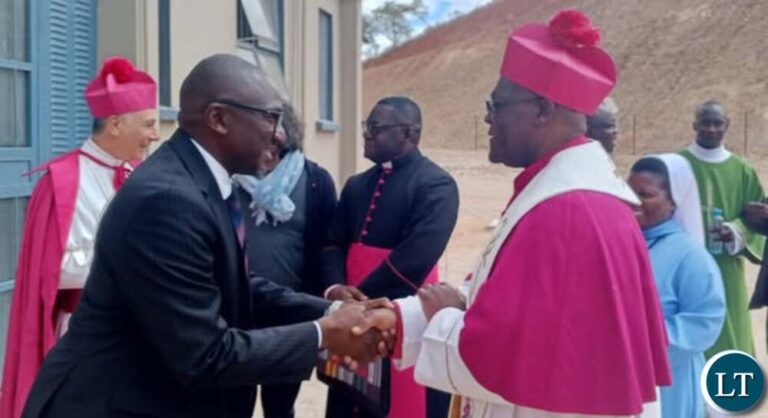
He stated that while the Catholic Church and the UPND administration hold opposing views on the amendment process, this disagreement does not equate to animosity, noting that the two parties agree on many other issues. In a statement to the media, Nzovu appealed to the Church to tolerate and accept the views of other citizens and church members who support the bill.

The Minister highlighted that there are serving government officials who are Catholic and support Bill Seven, and their opinions deserve equal respect. He argued that the bill aims to improve social justice and uplift ordinary citizens, which is why he condemns insults directed at clergy who oppose it, as well as offensive language aimed at its supporters.

Nzovu also pointed to the UPND government’s record on social justice, citing initiatives such as the free education policy, the Constituency Development Fund (CDF), cash-for-work programs, social cash transfers, and large-scale employment efforts as evidence of its commitment to supporting vulnerable communities.

PF Elders Rally Aspirants Toward Unity and Renewal

PF Elders Rally Aspirants Toward Unity and Renewal

The Patriotic Front Council of Elders convened a decisive consultative meeting on Sunday, bringing together presidential aspirants and senior party leaders to address internal cohesion and set a clearer direction for the organisation. Led by former Vice President Inonge Mutukwa Wina and senior elder Ngonga Mukupa, the engagement opened with a firm message that the PF must rebuild discipline, restore order and strengthen coordination as it enters a critical phase of restructuring.

From the outset, the elders signalled that this was not a symbolic gathering but part of a broader effort to stabilise a party that has been managing leadership uncertainty and uneven mobilisation across structures. Acting PF President Given Lubinda joined the session, which drew nearly all aspirants present in Lusaka. The atmosphere was cordial yet purposeful, with leaders showing readiness to confront issues that have slowed the party’s organisational progress.

The meeting began with expressions of condolence following the deaths of Kasama Mayor Theresa Kolala Khumalo and Mr. Albert Mubuyayeta Siyanga. Members were urged to support the grieving families and demonstrate unity at a time when the party is reflecting on its internal and national responsibilities.

Attention then turned to party stability. The elders stressed that the PF cannot advance if senior figures pull in separate directions. Aspirants were advised to prioritise cooperation, avoid actions that deepen divisions and reinforce structures that have weakened in recent months. The message was clear: the PF must present a coordinated leadership environment if it expects to regain confidence among members and supporters.

The meeting also addressed national governance matters, particularly the constitutional debate and the public dispute around Bill 7. Elders encouraged leaders to take part in national discussions and to articulate positions that reflect the party’s long-standing values. They said the PF cannot remain passive on issues shaping national institutions and must offer consistent engagement as debate around constitutional processes continues.

Operational matters formed a large part of the discussion. The elders called for better communication between national, provincial and constituency teams, noting that delayed information and fragmented messaging have weakened mobilisation efforts. Strengthening feedback loops, addressing concerns from local structures and maintaining discipline in communication were emphasised.

For a party working through internal recalibration, the meeting represented a rare moment of shared focus. Many aspirants acknowledged the need to stabilise core structures before intensifying internal campaigns. There was general agreement that the PF must address weaknesses in coordination, rebuild trust among members and reassure supporters who want clarity on the party’s trajectory.

The elders concluded by reaffirming that unity, discipline and cooperation must guide all internal engagements moving forward. They said consultative platforms will remain active to manage concerns early, prevent internal drift and support the development of a consistent organisational approach. Leaders were reminded that national political activities are intensifying, and the PF must present itself as structured, organised and ready to act with collective purpose.

The session ended with agreement that additional meetings will follow, focusing on strengthening the party’s operational base, improving internal communication and preparing for activities that will shape its future direction.

President Hichilema Praises Chiefs as Pillars of Unity and Development

President Hichilema Praises Chiefs as Pillars of Unity and Development

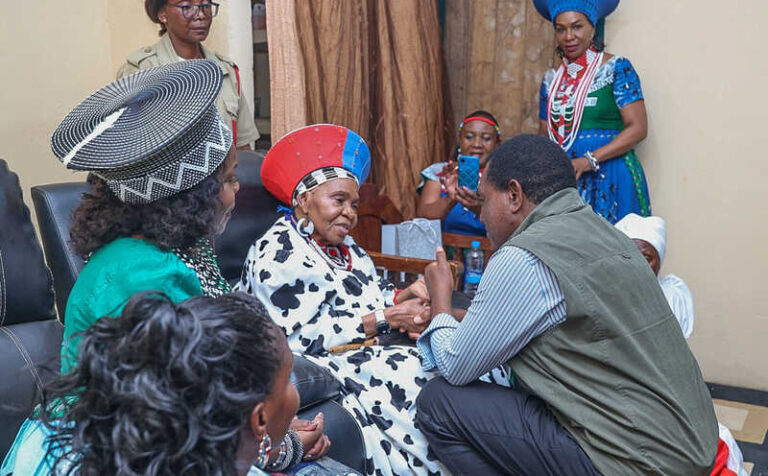
President Hakainde Hichilema has commended Zambia’s traditional leaders for their vital role in fostering national unity, peace, and community stability. Speaking during a meeting focused on development and cooperation between government and traditional institutions, he described chiefs as essential partners in building a cohesive and prosperous nation.

He credited chiefs with helping resolve local disputes before they escalate, noting their influence in promoting dialogue and maintaining order. “Their work keeps communities calm and creates the conditions for development to take root,” he said.

The President also highlighted how chiefs boost community participation in development projects especially in agriculture, education, health, and infrastructure. When traditional leaders back these initiatives, he explained, people are more likely to get involved and stay committed.

Collaboration between government and traditional authorities, he stressed, is key to making sure policies reflect local realities. Regular consultation ensures that services like clean water, sanitation, and roads reach those who need them most. “What works on paper must work on the ground and chiefs help bridge that gap,” he said.

He also acknowledged the stabilising role chiefs play during politically or socially sensitive periods. Their guidance, he said, encourages responsible civic engagement and helps keep districts peaceful particularly as the country prepares for major national events.

Cultural preservation was another focus. The President praised chiefs for upholding heritage, instilling values in young people, and reinforcing the social fabric that holds families and communities together.

Looking ahead, he urged traditional leaders to deepen ties with district and provincial offices. Open communication, he said, speeds up service delivery and improves planning. He also called on local government offices to keep chiefs informed about project timelines, budgets, and consultations.

“Chiefs often see challenges before anyone else,” the President noted. Their early feedback, he added, helps adjust plans in real time and direct resources where they’re needed most.

President Hichilema thanked traditional leaders for their steadfast support and reaffirmed the government’s commitment to working alongside them. “National progress isn’t a solo effort it’s built on trust, partnership, and shared purpose,” he said. “Chiefs aren’t just custodians of tradition they’re catalysts for a united, thriving Zambia.”

Zambia Expected to Receive Sufficient Rainfall, MET Says

Zambia Expected to Receive Sufficient Rainfall, MET Says

The Zambia Meteorological Department has projected that the country of Zambia will receive sufficient rainfall during the 2025–2026 season, easing earlier concerns about potential shortages linked to shifting weather patterns in the region. According to information carried in the Sunday Times of Zambia, the Department said rainfall distribution is expected to support agriculture, water resources and national planning for the season ahead.

Zambia’s climate plays a crucial role in its agricultural productivity.

The Department explained that early assessments indicate a favourable pattern for most provinces, with expected improvements in areas that previously experienced irregular rainfall. Officials noted that while some variations may occur across districts, current indicators point to conditions that will allow major crops to grow without severe disruptions. They said the forecast reflects updated regional observations and ongoing monitoring of weather systems influencing southern Africa.

The projection is based on analysis of atmospheric behaviour, historical patterns and ocean conditions that affect rainfall performance. The Department said it will continue to update stakeholders as new data emerges. Officials added that the outlook is designed to guide farmers, planners and institutions that depend on rainfall information for seasonal decisions. They encouraged the public to follow all updates to help manage field preparations and risk planning.

The Department said rainfall is expected to be adequate in key agricultural zones, including parts of Eastern, Central, Northern and Muchinga provinces. These areas rely heavily on rain-fed agriculture and often require early guidance to support farming schedules. Officials noted that sufficient rainfall improves prospects for staple crops such as maize, groundnuts, beans and soya, which form the backbone of household and commercial farming activities.

Southern and Western provinces, which have previously experienced challenges linked to dry spells, are also projected to receive improved conditions. While localised variations may still occur, the Department said current models do not point to extended dry periods that would significantly affect crop development. It said the early forecast provides a foundation for decision-makers in agriculture, water management and energy planning.

The Department advised farmers to prepare fields early and make use of extension services available in their districts. Officials said farmers should align planting with rainfall onset in their respective areas and continue consulting agricultural officers to manage crop choices and soil moisture strategies. They added that updated guidance will be issued as the season progresses.

Institutions responsible for water supply and storage have been asked to use the forecast to plan reservoir management. The Department said consistent rainfall is likely to improve dam levels and river flows, which support domestic consumption, livestock and irrigation activities. Energy planners are also expected to use the forecast for hydropower scheduling.

While the Department projects sufficient rainfall, it reminded the public that weather patterns can still shift. Officials said the forecast is a scientific guide rather than a guarantee and encouraged continuous monitoring. They added that the Department will provide detailed monthly and sub-seasonal updates to ensure that the public remains informed of any developing risks such as flooding or temporary dry conditions.

The Department also highlighted the importance of preparedness. It said district authorities should help communities follow guidance regarding flood-prone zones, safe farming practices and early warning messages. Officials said coordinated communication helps reduce exposure to risks and strengthens local resilience.

The positive outlook comes as farmers prepare for another planting cycle after previous seasons experienced varying rainfall distribution in some regions. The Department noted that adequate rains contribute directly to national food security and provide stability for rural households that depend on crop production. With the projected conditions, institutions expect to plan more effectively for storage, irrigation support and market flows linked to agricultural output.

As the season progresses, the Department will continue to release periodic briefings and maintain coordination with agricultural and disaster management agencies. Its goal is to provide timely, science-based information to support decisions across sectors that depend on reliable rainfall data.

PF Not Ready for 2026, Mwila Asserts

PF Not Ready for 2026, Mwila Asserts

Former Patriotic Front secretary general Davies Mwila has maintained that the former ruling party has no path back to national power and described its current state as a collapse that cannot be reversed. Speaking during an interview covered in the Sunday Times of Zambia, Mwila asserted that internal divisions, prolonged leadership disputes and prolonged organisational strain have eroded the party’s credibility and capacity to function as a coherent political force.

Mwila argued that the party’s troubles stem from decisions made after the 2021 general election, which he said weakened structures, created rifts among senior members and exposed long-standing disagreements about direction and leadership. He noted that the PF had failed to reconcile contending groups within the party and that repeated efforts to reorganise its national structures had not succeeded. According to his remarks, this internal environment had created uncertainty that discouraged committed members from participating fully.

The former secretary general also stated that the PF’s attempts to revive grassroots mobilisation had not produced visible results. He said the absence of a unified message and disputes over who should lead the party have created a situation that leaves members unsure of the party’s future. Mwila added that prolonged disciplinary conflicts and contested leadership positions had weakened confidence among supporters who once regarded the party as a stable alternative.

In discussing the national picture, Mwila said the political environment had shifted significantly since the PF left office. He explained that the party’s organisational challenges, combined with public sentiment shaped by the 2021 defeat, have made rebuilding efforts more difficult. He noted that the party had lost ground in several provinces where it once held strong local structures and that attempts to regain influence have been slow.

Mwila emphasised that without decisive reorganisation, clear leadership and a unifying programme, the PF would continue to struggle. He argued that the party’s disagreements have overshadowed its ability to articulate a consistent political agenda and that prolonged infighting has left members uncertain about their roles. He further said the situation has opened space for newer voices and alternative movements to attract attention among voters who previously supported the PF.

In his remarks, Mwila questioned whether the party could recover before the 2026 elections, given the current disputes surrounding its leadership and direction. He maintained that the PF had not addressed what he described as the root causes of its decline, including organisational weaknesses that were visible even when the party was in government. The comments reflect a broader debate within the party about the pace and credibility of its rebuilding efforts.

His interview has drawn attention because it comes at a time when the PF is still attempting to stabilise its internal structures. Senior members have been involved in ongoing discussions about leadership positions, the role of the central committee and the state of provincial structures. Mwila’s remarks underscore the extent of disagreement among past and present figures regarding the party’s future.

Party members reacting to his comments have pointed to the ongoing reorganisation process and argued that the PF remains stronger than suggested. They said the party has continued with mobilisation and is working to address internal issues in preparation for the next electoral cycle. However, Mwila maintained that the challenges were deeper than public statements acknowledge.

As the debate continues, Mwila’s remarks highlight the internal questions confronting a party still navigating its post-government identity. With the 2026 election cycle approaching, the PF’s ability to stabilise its leadership and rebuild confidence will remain central to assessing whether it can regain relevance. For now, Mwila insists the internal fractures remain unresolved and continues to hold the view that the party is no longer positioned to operate as a competitive national force.

Zambia’s Voter Roll Climbs to 8.8 Million After New Registrations

5

Zambia’s Voter Roll Climbs to 8.8 Million After New Registrations

Zambia’s voter register is projected to rise to 8.8 million in 2026 after the Electoral Commission of Zambia (ECZ) announced the addition of 1.6 million newly registered voters across the country. The update reflects the highest growth in a single cycle since the 2021 general election and indicates a strong turnout during the continuous voter registration exercise. Officials said the figure includes first-time voters, citizens who recently attained the voting age, and individuals who replaced or updated their details.

According to the ECZ, the revised register is the product of countrywide field activity carried out to ensure that eligible citizens were given adequate opportunity to be captured before the 2026 polls. The Commission said the surge is linked to both demographic changes and deliberate efforts to reach communities that previously recorded low registration numbers. It noted that the exercise proceeded in all provinces and involved mobile teams, district offices and satellite centres.

The Commission reported that the Copperbelt, Lusaka, Southern and Eastern provinces contributed some of the largest increases due to their population densities and the high number of young citizens entering the electoral system for the first time. Rural provinces also posted modest growth, although officials explained that mobility challenges and distance to centres remained limiting factors for sections of the population.

ECZ officials said the updated register is currently undergoing the standard verification process, which includes the removal of duplicate entries, corrections to personal details, and confirmation of transfers for citizens who changed locations. They explained that this is routine work intended to protect the integrity of the roll ahead of nomination and polling activities. The Commission added that verification teams were instructed to resolve anomalies quickly to avoid delays that might affect downstream electoral timetables.

Public interest surrounding the expanded register has been high, with citizens, political parties and civil society organisations seeking clarity on numbers, provincial breakdowns and the distribution of new registrants. In response, the ECZ said it will release detailed disaggregated statistics once the verification phase concludes. The body reiterated that transparency remains central to its mandate and that all stakeholders will have access to the final certified register well before the 2026 electoral calendar moves into the nomination period.

Officials stressed that the projected figure of 8.8 million voters is provisional until the clean-up exercise is completed. They emphasised that final totals may vary slightly depending on corrections made during the verification process. The Commission also advised citizens who recently registered to confirm their details at designated centres to ensure accuracy when the final roll is published.

The update comes as preparations for the 2026 general election intensify. The ECZ has been coordinating training programmes, procurement processes and logistical planning for polling materials. It has also been holding consultations with political parties and election observers on guidelines that will govern the conduct of upcoming campaigns, nominations and polling procedures. Officials noted that a stable and accurate voter register is a central component of these preparations.

The Commission said it remains committed to delivering an orderly and credible electoral process. It reminded citizens that continuous registration is still available for those who may not have been captured during the intensive phase. District-level offices continue to issue new cards, replace lost ones and process transfers. The ECZ encouraged eligible citizens to visit centres early rather than wait for the final months before the election, when queues are expected to grow.

Stakeholders have called on the public to remain engaged with the registration process by checking their details, following updates released by the Commission and participating in civic education programmes. Civil society groups have been conducting awareness activities to ensure that young voters, women and rural communities understand the importance of verifying information before the register is closed.

As the 2026 polls draw closer, the ECZ says it will continue providing regular updates and publishing timelines for each phase of the electoral process. Once the verification stage ends, the Commission will move toward the certification of the register, which will serve as the operational foundation for nominations, polling-day planning and distribution of materials.

With the addition of 1.6 million new registrants, Zambia’s electoral landscape enters a new phase shaped by demographic growth and ongoing administrative work. The ECZ maintains that its focus is on safeguarding accuracy, improving accessibility and ensuring that every eligible citizen is included in the final record that will guide the country’s next general election.

The Technical Committee Report: Progress Achieved, Questions Remaining

4

𝐓𝐡𝐞 𝐓𝐞𝐜𝐡𝐧𝐢𝐜𝐚𝐥 𝐂𝐨𝐦𝐦𝐢𝐭𝐭𝐞𝐞 𝐑𝐞𝐩𝐨𝐫𝐭: 𝐏𝐫𝐨𝐠𝐫𝐞𝐬𝐬 𝐀𝐜𝐡𝐢𝐞𝐯𝐞𝐝, 𝐐𝐮𝐞𝐬𝐭𝐢𝐨𝐧𝐬 𝐑𝐞𝐦𝐚𝐢𝐧𝐢𝐧𝐠

By Dr Mwelwa

What confronts us is not merely a revised document but a deliberate performance of constitutional theatre. The Technical Committee’s draft reads cleaner than the original Bill 7, yet its foundation remains soaked in the illegality already pronounced by the Constitutional Court.

Even improved content cannot cure a corrupt process. You cannot baptise a flawed beginning with attractive clauses. Echoes of past constitutional reports appear, but even familiar wisdom cannot repair the absence of integrity at the origin of this amendment scheme.

The exercise resembles a Gumbo soup fragrant on the surface, yet hiding repulsive meats beneath. Non-contentious provisions have been mixed with explosive delimitation proposals, all justified by an unseen technical study shielded from public examination.

The frantic speed of this project reveals an arrogance that undermines national consultation. A Constitution is a covenant, not an emergency statutory instrument. Rushing such work is the surest path to weakening the Republic’s spine.

More troubling are the expanding appointing powers subtly grafted onto presidential authority. What emerges is a President who stands as chief employer, paymaster, tender master, custodian of loyalties, and dispenser of political rewards. No democracy thrives under such gravitational power.

Proportional representation, as presented, is a cosmetic display flowery, seductive, yet empty. It repairs no constitutional deficit. It solves no real governance problem. It rests on no proven link between representation formulas and national development outcomes.

Our developmental struggles do not arise from insufficient demographic representation. They stem from the absence of meritocracy, institutional discipline, and administrative competence. Representation without capability merely deepens stagnation and recycles failure.

The belief that increasing numbers of youth and women through closed-list PR will trigger transformation is naive. Without constituency accountability, these seats risk becoming controlled appendages of party leadership rather than genuine voices of citizens.

The financial burden of expanding parliamentary and council seats is ignored. Infrastructure, logistics, allowances, and operational costs will stretch a Treasury already under strain. Reform cannot be funded by optimism alone.

Before preaching proportional representation, political parties must first reform their internal cultures. A nation cannot harvest democratic balance when its parties refuse to cultivate internal democracy, transparency, and accountability.

Nothing prevents government today from reflecting proportional balance through appointments, boards, commissions, and delegations. Real transformation requires political courage, not constitutional gymnastics staged for electoral convenience.

If the process is genuinely untied from the 2026 election, government must show sincerity by suspending implementation to a future cycle. Only clear distance from electoral motives can restore public trust and calm national suspicion.

For now, Zambia faces a refined text emerging from an unrefined process a nation asked to swallow sweetness prepared in a poisoned pot. Constitutional reform must pursue unity, not ambush it. The people deserve a process worthy of their Republic.

Zambia is moving forward, Mankomba tells Mwamba

Zambia is moving forward, Mankomba tells Mwamba

Mr. Emmanuel Mwamba, I have read your article with great concern, but also with a deep sense of disappointment. As a fellow Zambian citizen, not a politician or a cadre, I feel compelled to respond from the perspective of someone who simply wants peace, progress, and a fair chance for my country to succeed.

You speak of civil unrest and draw comparisons to failed states. This is not analysis; it is fear-mongering of the highest order. To suggest that Zambia, with our proud history of peaceful transitions, is on the path of Mozambique or the Sahel simply because you disagree with a legislative process is irresponsible. It insults the intelligence and peace-loving nature of the Zambian people. We are not a nation quick to burn; we are a nation that debates, votes, and moves forward.

You accuse President Hichilema of destroying democracy by targeting the PF. But democracy is not the preservation of one political party at all costs. Democracy is about accountability to the law. If the PF or any party has cases to answer, let the courts, the same courts you claim are captured, handle them. The rule of law must apply to everyone, the ruling party and the opposition alike. For years, we were told “the law is the law.” That principle cannot change just because the political fortunes have.

On the issue of Bill 7 and the constitutional process: you claim procedures are not being followed, yet Parliament is debating. The Courts have given their opinions, and the process is navigating those. This is democracy in action, messy, contentious, but operating within branches of government. The Speaker and MPs you name are doing the job we elected them to do: debate legislation. To call this “contempt” is to demand that Parliament simply obey one faction’s interpretation without due process. That is not democracy; that is oligarchy.

You mention the economy only to dismiss it. As a citizen, the economy is everything. We lived through empty shelves, crippling debt, and a nation isolated. Let us speak facts: The economy has grown consistently since 2021. For the first time in a generation, our foreign reserves have hit a record $5.2 billion, a shield for our Kwacha. Our national gold reserves are at the highest level in the history of this country, building real wealth for our future. Over 300,000 new jobs have been created since 2021, that’s 300,000 families with better hope and income. And for the first time since the days of KK, rural development is not a slogan but a reality, with farming inputs, roads, and opportunities reaching areas long forgotten.

These are not fancy illusions or political talking points; they are the tangible realities in markets, homes, and farms across Zambia. To ignore this documented progress while prophesying doom is to be utterly out of touch with the daily struggles and genuine victories of ordinary people.

Finally, you talk of a “dangerous stage” and a “sole danger to our democracy.” This is the most dangerous rhetoric of all. You are not a bystander; you are a senior leader of the main opposition. By framing political loss as the end of democracy, you are actively sowing the seeds of the very discord you claim to fear. Democracy is about debate and winning. If you are losing the debate on ideas, on governance, and on economic management, the answer is not to cry dictatorship. The answer is to go back to the drawing board, reconnect with the people, and offer a better vision.

The “spirit of only us” is exactly what has held Zambia back. It is the idea that only one group has the right to rule. The people voted for change in 2021. Allow this government the space to fulfill its promises. Hold them accountable, yes. Challenge them in court and in Parliament, absolutely. But do not threaten our peace because you are losing a political contest.

Zambia is moving forward. The path is not perfect, and the debates are fierce, as they should be. But the alternative you present, a spiral of fear, false comparisons, and predictions of violence, is a path this citizen wants no part in. I choose hope, I choose lawful process, and I choose to believe in the resilience of our nation, not the primitive politics of fear.

Sincerely,

Goodwin Mankomba
A Concerned Zambian Citizen

Hon. Davies Mwila’s Remarks Unacceptable – Ambassador Mwamba

Hon. Davies Mwila’s Remarks Unacceptable—Ambassador Mwamba

Lusaka, December 7, 2025 — Ambassador Emmanuel Mwamba has issued a measured yet unequivocal condemnation of recent remarks by former Patriotic Front (PF) Secretary General Hon. Davies Mwila, calling them “racist,” “unacceptable,” and fundamentally at odds with Zambia’s constitutional values, remarks that surfaced even as the nation mourns the sudden passing of Kasama Mayor Theresa Kolala Khumalo. These comments are particularly troubling given the current socio-political climate in Zambia.

Ambassador Mwamba began by extending heartfelt condolences to the late mayor’s family, the Kasama Municipal Council, the PF leadership, and the people of Kasama. Mayor Kolala Khumalo passed away on December 5, 2025, at St. Fidelis Mission Hospital in Chilubula a date that, poignantly, marks six months since the death of former President Edgar Chagwa Lungu on June 5, 2025. Mwamba urged Zambians to honour her legacy not with political point-scoring, but through the values she embodied: unity, peace, and principled cooperation.

As the conversation around these remarks unfolds, it is crucial for leaders in Zambia to promote dialogue that uplifts the nation rather than divides it.

It was against this solemn backdrop that Mwamba addressed Hon. Mwila’s comments, aired on Diamond Live, a pre-recorded programme broadcast on Diamond TV. “I watched the segment with disbelief,” Mwamba said, describing Mwila’s remarks directed at PF Acting President Given Lubinda as not only inflammatory but deeply offensive. He emphasized that because the show was pre-recorded and hosted by an experienced anchor, the station bore a clear editorial responsibility to excise such content before broadcast. “To air it was not oversight it was negligence,” he stated.

At the heart of the controversy is Mwila’s insinuation that Hon. Lubinda is constitutionally ineligible to lead the PF or stand as its presidential candidate due to questions about his parentage. Ambassador Mwamba firmly rejected this claim, citing Article 100(1) of the Constitution and Section 17 of the Electoral Process Act No. 35 of 2016, both of which affirm that eligibility requires only that a candidate be “a citizen of Zambia by birth or descent.” He noted that Lubinda meets this threshold unequivocally.

Mwamba then provided essential historical context. He recalled that the so-called “parentage clause” which once required both parents of a presidential candidate to be Zambian was introduced in the 1996 constitutional amendment and later challenged in the landmark 1998 Supreme Court case Lewanika v. Chiluba. The Court interpreted the provision generously, recognizing that individuals who acquired citizenship at independence in 1964 or would have, had they been alive satisfied the spirit of the law. Critically, Mwamba reminded the public that this clause was fully repealed in 2016, rendering any reliance on it today not just outdated but misleading.

“Hon. Mwila served ten years as MP for Chipili and as Minister of Home Affairs,” Mwamba said. “One would expect him to know better. If he does not, it is a failure of memory; if he does, it is a betrayal of principle.”

He called on Mwila to issue an immediate and unreserved apology not only to Hon. Lubinda but to the nation. “We are a republic founded on multi-ethnic, multi-racial, multi-religious, and multi-cultural unity,” Mwamba stressed, quoting Article 4(3) of the Constitution. He further invoked Article 11, which guarantees equal enjoyment of rights “irrespective of race, origin, political opinion, colour, creed, sex or marital status.” Remarks that weaponize ethnicity or perceived racial identaity, he warned, “are not political critique they are constitutional violations disguised as opinion.”

Beyond the personal affront, Mwamba expressed deep concern about the timing and intent of Mwila’s statements. With the 2026 general elections approaching, internal cohesion within the PF is more vital than ever. He noted that since 2021, the party has faced “unrelenting institutional pressure,” including what he described as politically motivated actions by the Office of the President and the Registrar of Societies such as the controversial installation of a rival faction led by expelled Mafinga MP Robert Chabinga, which Mwamba alleges was designed to fracture party unity and undermine members’ constitutional rights to freedom of association.

Even so, he insisted, internal disputes over leadership, general conferences, or successionmust be resolved through dialogue, not division. “We cannot allow external forces to dictate our destiny while we tear each other apart from within,” he said.

In closing, Ambassador Mwamba appealed for restraint, reflection, and reconciliation. “The PF has lost two giants this year President Lungu and now Mayor Kolala Khumalo. Let their legacies remind us of what unity looks like. Let us honour them not with noise, but with dignity.”

He ended with a quiet but firm admonition: “Zambia deserves better. And so do we.”

Solar milling plants in North-Western Province making a difference

0

Zambia Cooperative Federation Regional Coordinator, Lloyd Kanyungu, says local communities across North-Western Province have continued to have access to solar energy initiatives implemented by the government through the Ministry of Small and Medium Enterprises.

Mr Kanyungu says the 100 solar milling plants dotted in all the districts in the province have enhanced access to affordable mealie meal and other food supplements for the local communities.

Speaking in an interview with the media in Solwezi, Mr Kanyungu disclosed that th e solar milling plants are dotted in all the districts to provide maize processing services to the far flung places.

He added that the government remains committed to ensuring communities have equal access to energy services and as such the installation of the solar energy milling plants is testament of its commitment.

Mr Kanyungu said community members were made to walk long distances to process their maize into mealie meal and sample, but that is not the case now as milling plants have been brought as close to their homes as possible.

He revealed that the initiative could not have come at a better time than this when the country has continued to grapple with load shedding.

Mr Kanyungu further added that the Zambia Cooperative Federation promotes value addition and urged all cooperatives in the province to utilise the initiative by producing maize in large quantities and process it into maize meal for income generation.

He also noted that the processing of maize meal by cooperatives will help with complimenting government’s effort in cushioning food security at household level and in the country at large.

‘‘The solar milling plants have been placed in all the 11 Districts of North – Western Province to allow the communities to process their maize as close to the homes as possible.

“As ZCF, we want all cooperatives to take interest in growing enough maize that will be processed into Maize meal and sold at a cheaper price,” he said.

Micheal Mbangu, a worker at a milling plant situated in Zangamenu and being managed by Natco Multipurpose Cooperative, expressed gratitude to the government for bringing solar milling plants in the communities, adding that it has created employment to youths.

‘’This intervention is highly commendable and I want to thank the government for bringing such services that are improving our livelihoods. Natco Cooperative has employed me here to work for them and when they pay me, I am able to take care of my family,”Mr Mbangu said.

He further appealed to the government to also consider electrifying the milling plants to enable them to function in rainy season, adding the province usually experiences heavy rains and during such times there is little to no sunlight.